Why the city will literally take your bike
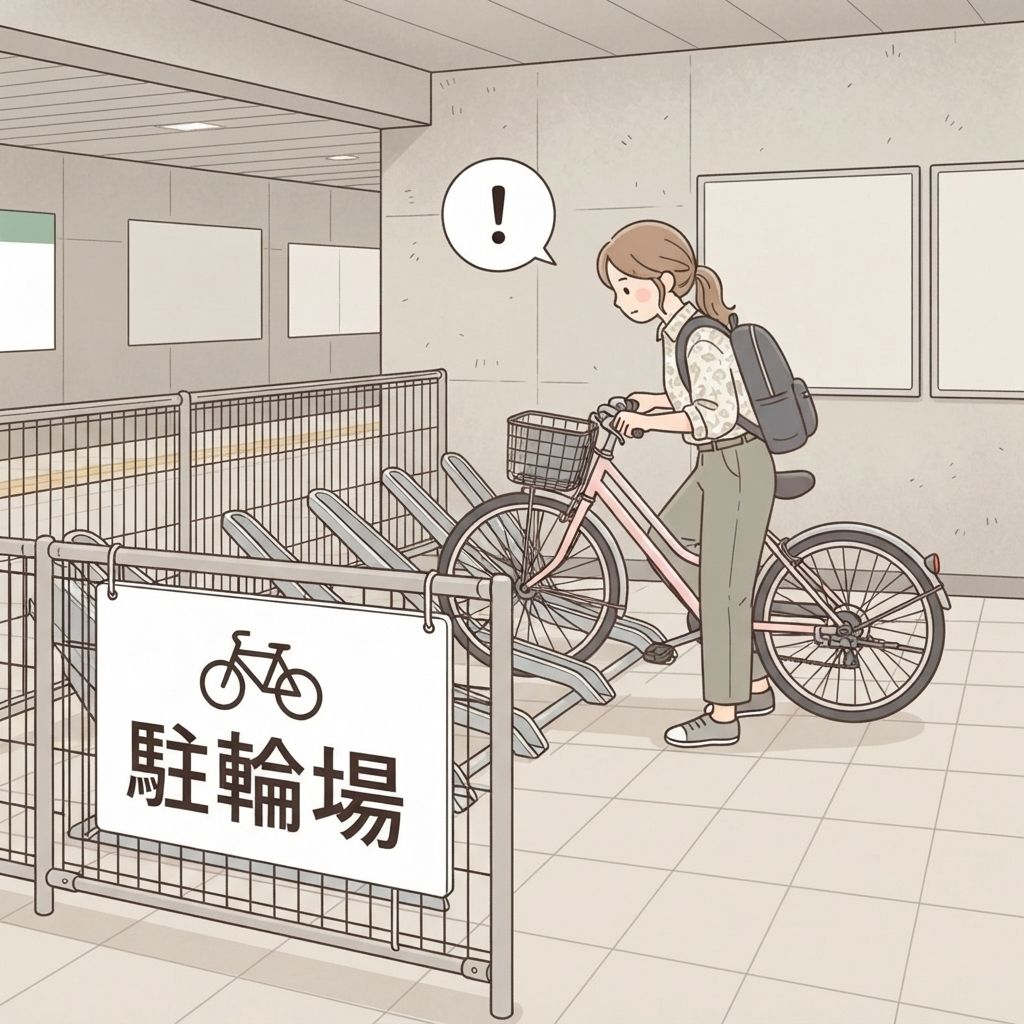
Japan runs on bicycles — ride to the station, ride to the grocery store, ride to pick up the kids. Around major train stations you’ll find underground mechanical parking lots, multi-story bike garages, attendants, the whole setup. It’s serious infrastructure for a serious volume of bikes.
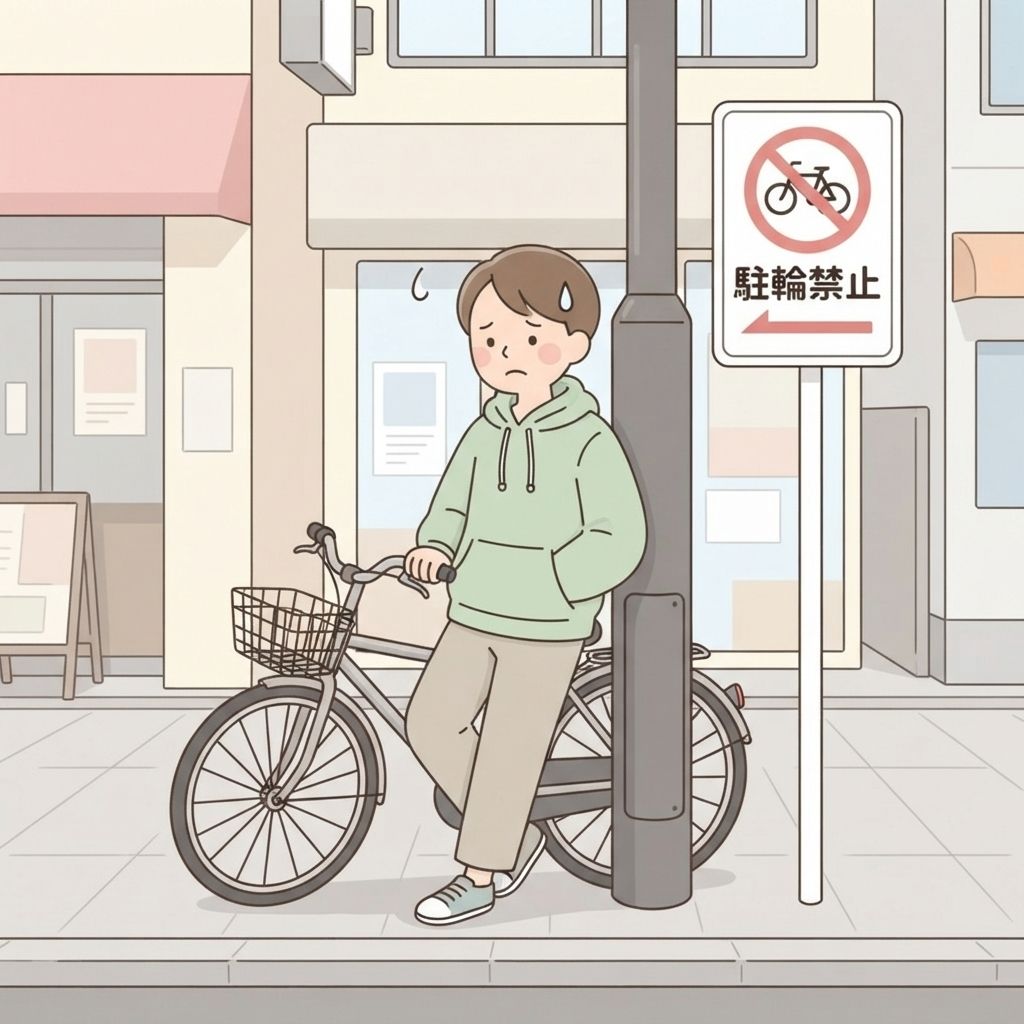
The flip side: strict enforcement. Huge numbers of bikes converge on busy stations, and a parking free-for-all would clog the sidewalks fast. City crews patrol no-parking zones, load illegally parked bikes onto trailers, and haul them to an impound lot. Getting yours back means finding the lot, showing ID, and paying a fee — often around 2,500 to 5,000 yen, depending on the city. Not a threat. A system.
No bike rack, no 駐輪場 sign — you can’t park here. A legal spot is usually not far away.
A few “nice to know” extras
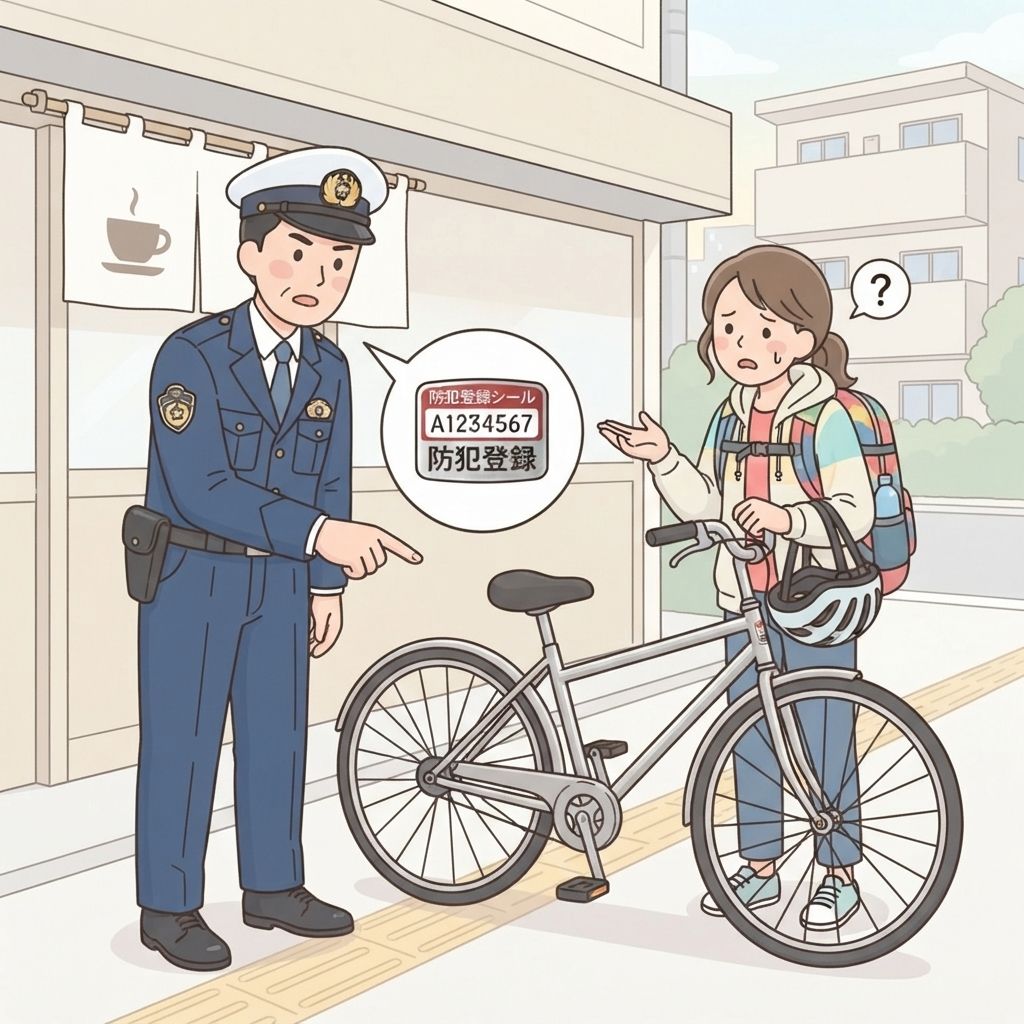
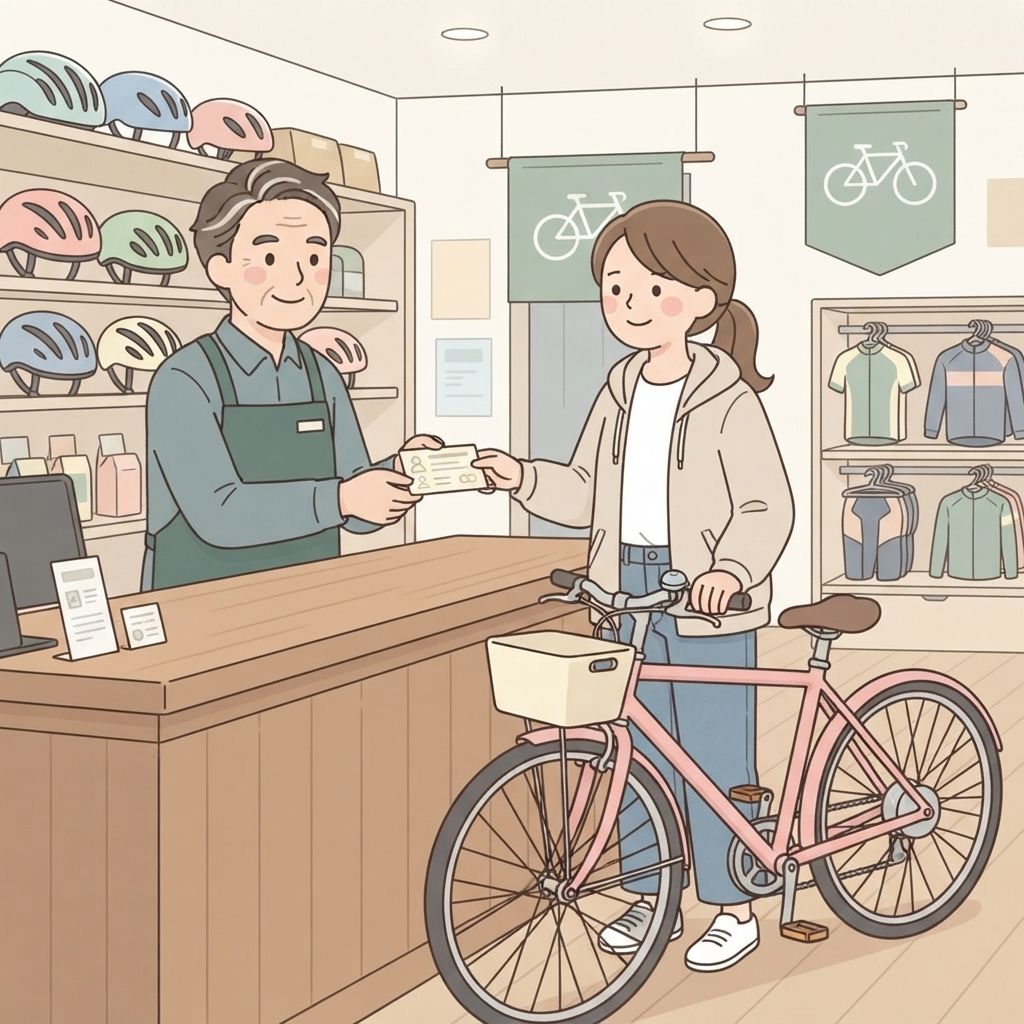
- Rental bikes come pre-registered — With bike share services like HELLO CYCLING or Docomo Bike Share, the bikes belong to the operator, so the crime-prevention registration (防犯登録) isn’t your job. Just return the bike on time and to the right station.
- The mamachari — Japan’s iconic “mom bike” — upright, with a front basket, often a child seat, and few or no gears. It’s what many rental shops hand you, and it’s perfect for flat city riding. Don’t expect speed.
- Helmets are recommended, not required — Since April 2023 the law asks every rider, of any age, to wear one, but there’s no penalty for skipping it. Some rental shops lend them.
- Drunk cycling is drunk driving — This is not a cultural suggestion — it’s actual law. Since November 2024, even riding over the alcohol limit can mean up to three years in prison or a ¥500,000 fine. If you’ve been at an izakaya, leave the bike and take a taxi home.
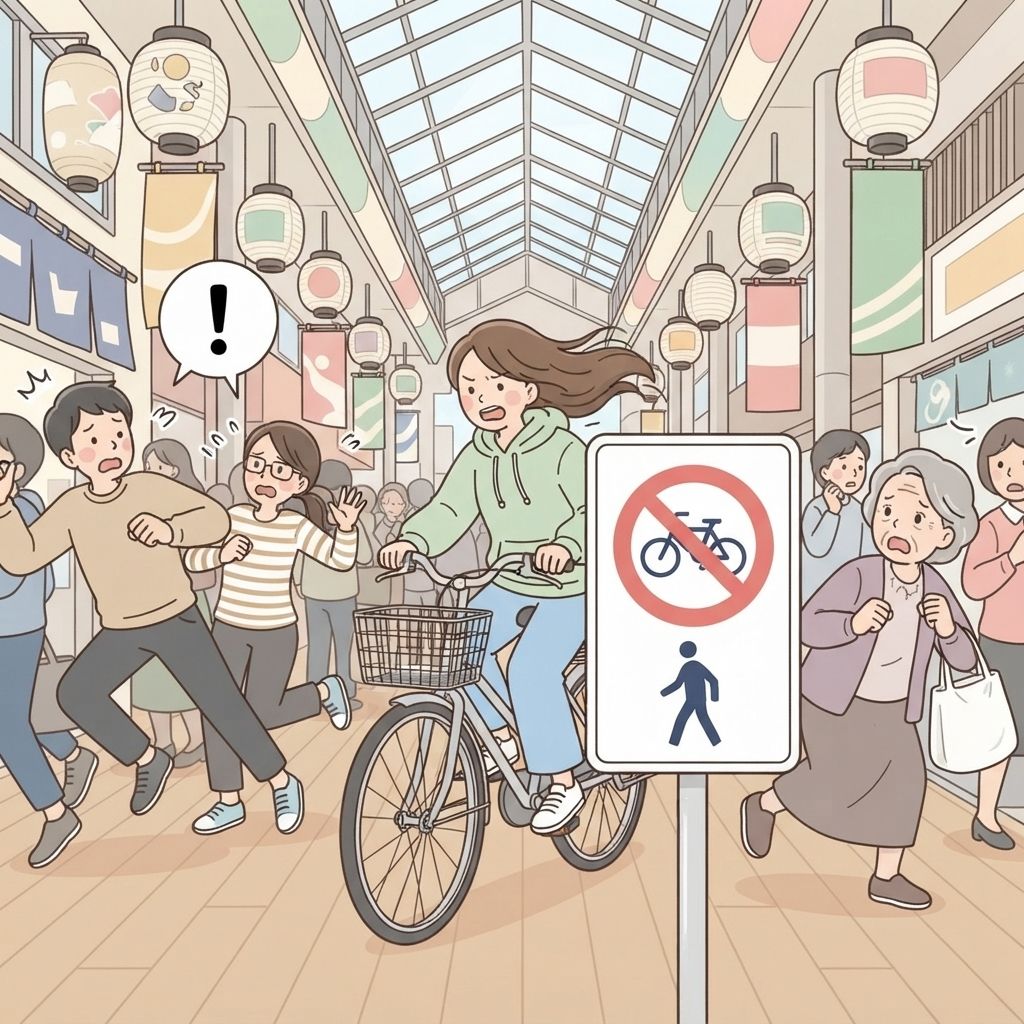
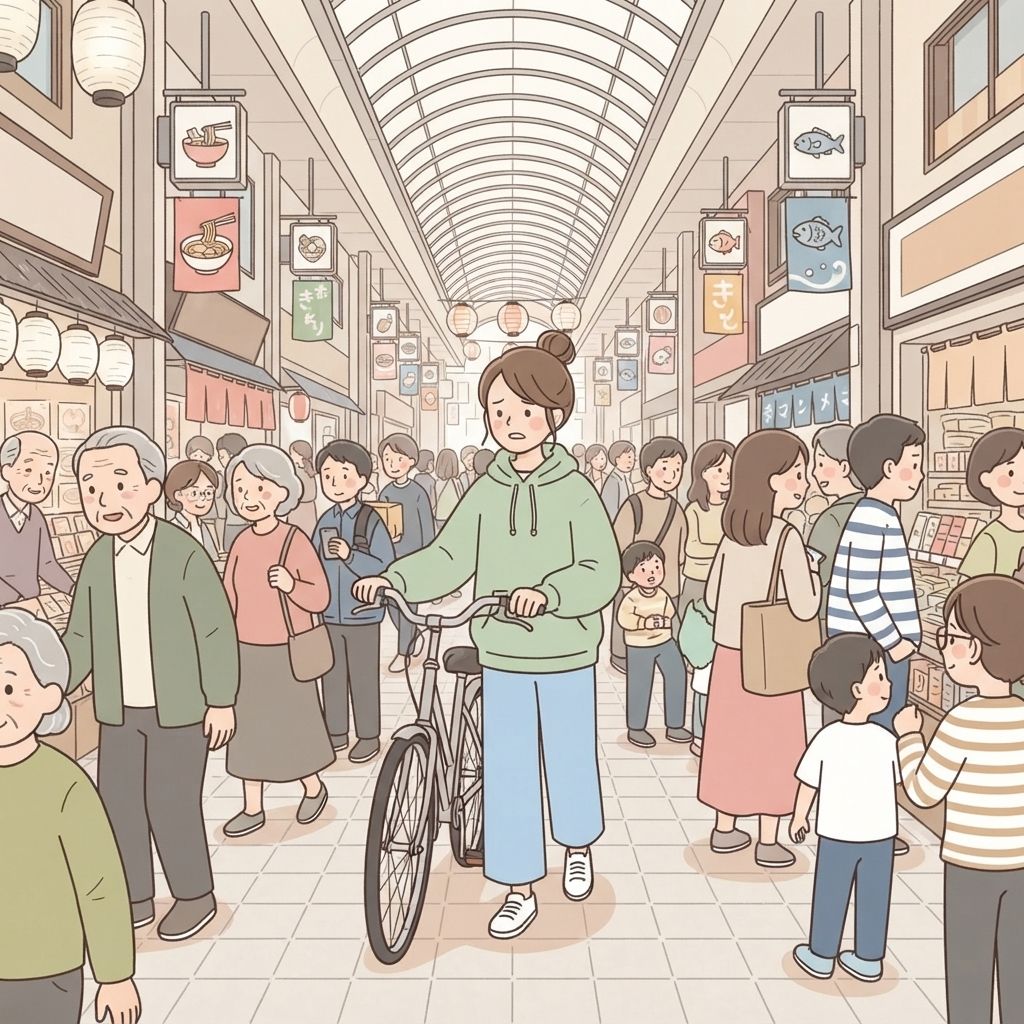
- Covered arcades mean dismount — Many shotengai (covered shopping streets) ban riding, often during set hours. Get off and walk the bike through.
- Fixed fines since April 2026 — Cyclists aged 16 and over can now get “blue tickets” with fixed fines, like drivers: about ¥12,000 for riding while holding a phone and ¥6,000 for running a red light or riding on a sidewalk where bikes aren’t allowed (police usually start with a warning for sidewalk riding unless it’s dangerous). Tourists on rental bikes are not exempt.
Quick check
Three questions to lock in the bike parking instinct.