Is Cash Still King in Japan? (Yes, Mostly — Here's Why)

Small restaurants, temples, rural taxis, and old-school shops still take only yen. Carry cash, know the ATMs, and never trust your card alone.

Assuming credit cards work everywhere

NG

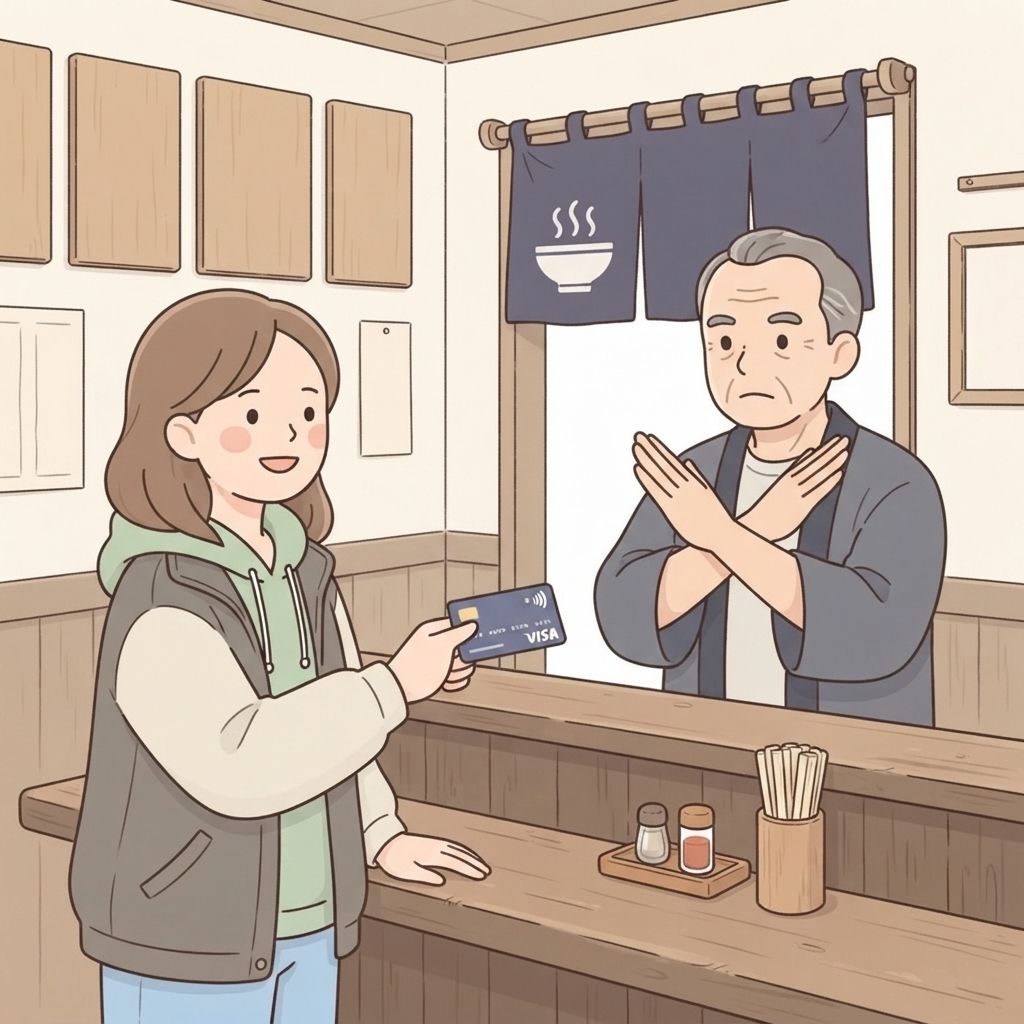
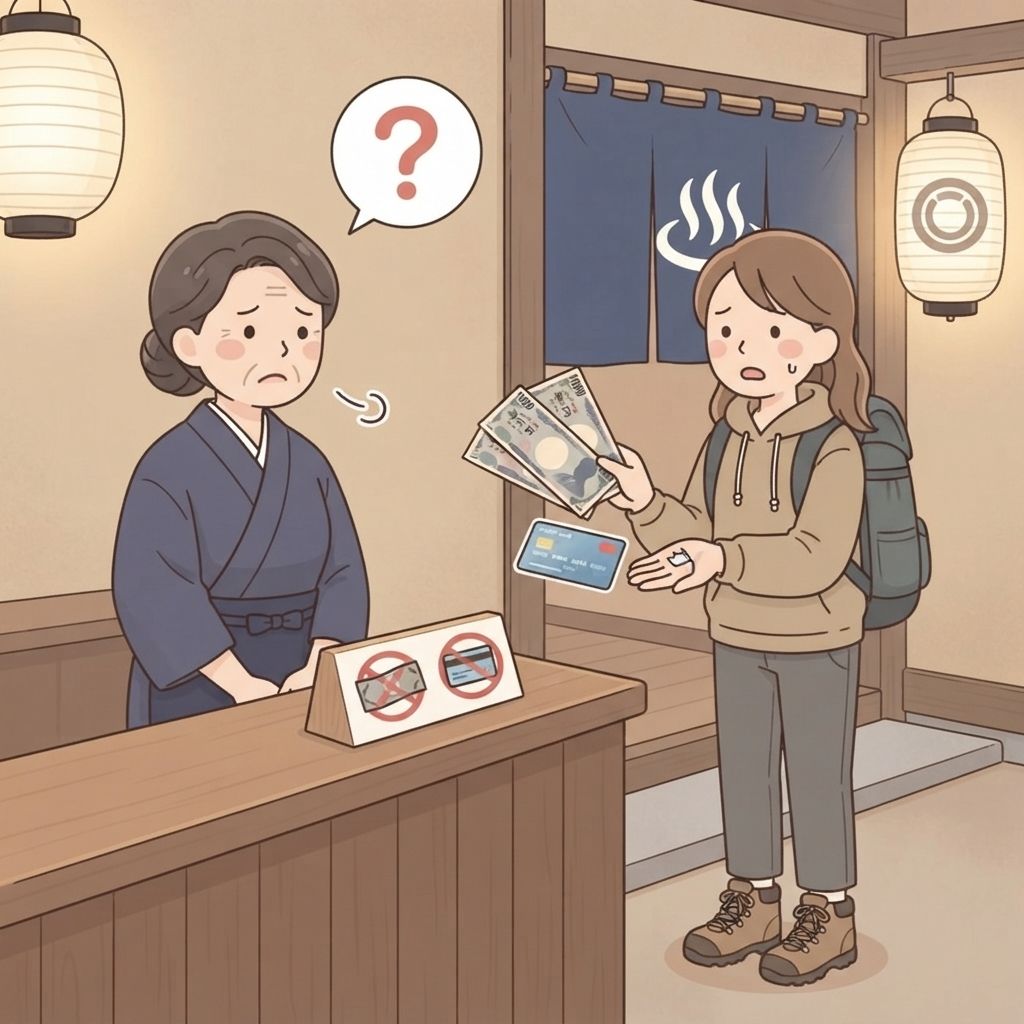
Walking into a small ramen shop or family restaurant expecting to pay by Visa

Japan has a bigger cash-using population than almost any other developed country, and cash-only businesses are common—especially small traditional restaurants, mom-and-pop shops, temples and shrines, traditional inns, some taxi companies in smaller cities, and many local street vendors. Showing up with only credit cards can leave you unable to pay, which is a socially awkward situation for everyone involved.

OK

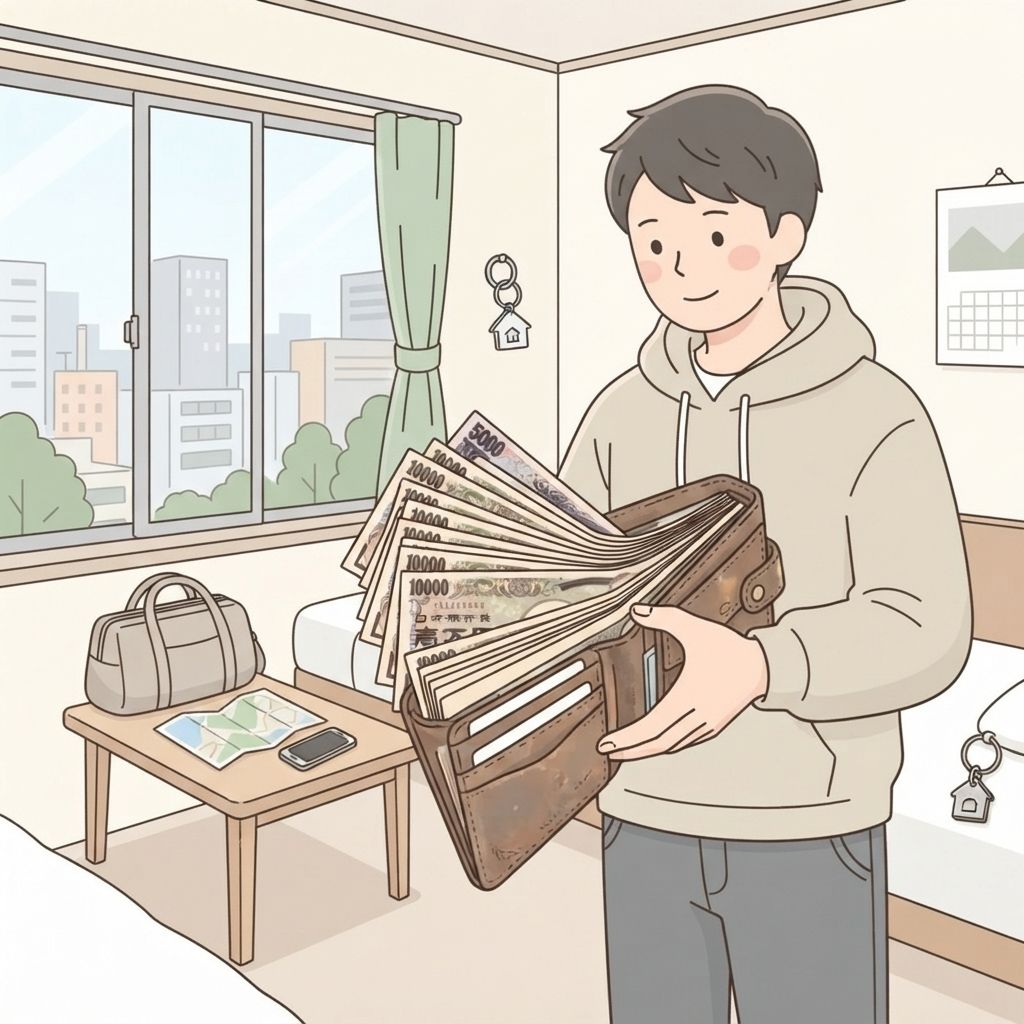
Always carry at least ¥10,000-20,000 in cash when going out

The rule of thumb: keep enough yen for a full day of meals and transport in your wallet at all times. For a couple exploring a city, that's roughly ¥10,000–20,000 per day in cash as a safety margin. You won't always use it, but when you need it, you really need it. Top up from ATMs when you drop below that floor.

Using a foreign credit card at the wrong ATM

NG

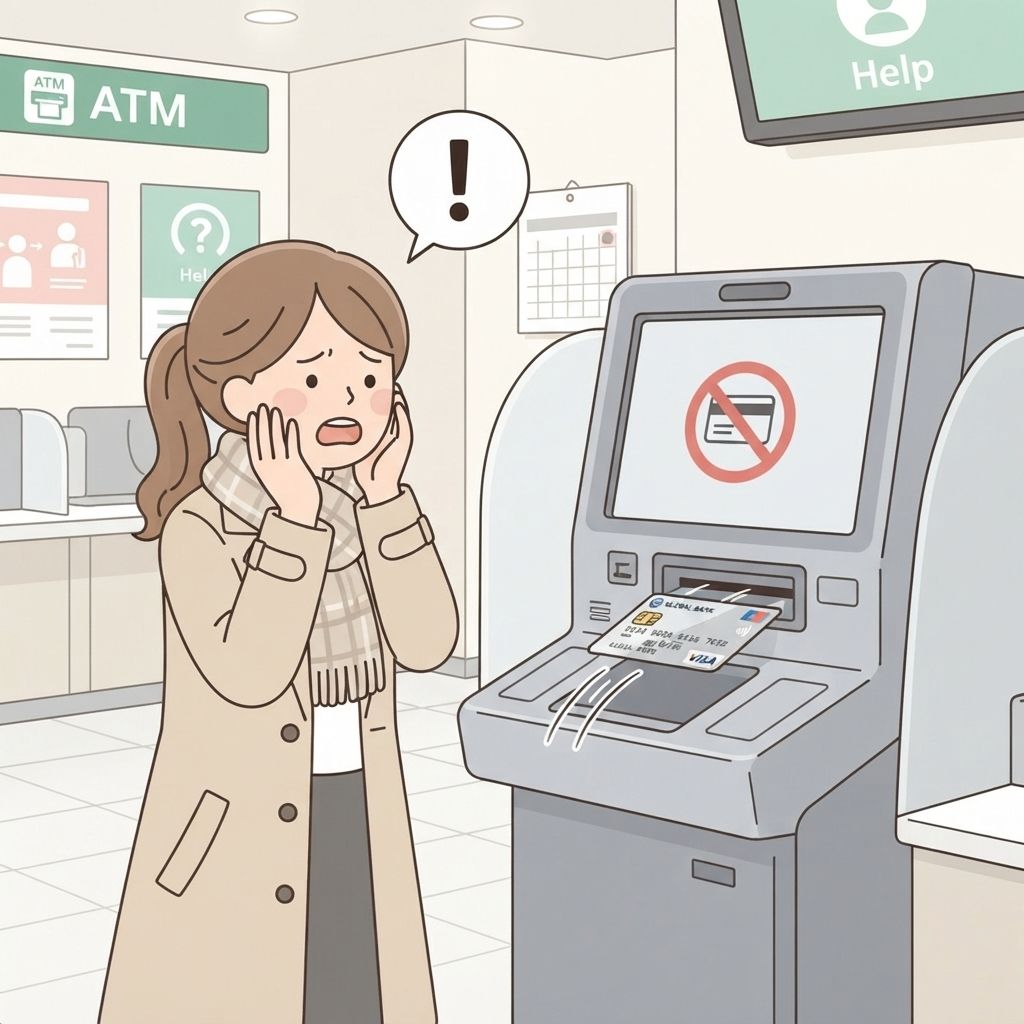
Trying to withdraw cash from a Japanese bank ATM with a foreign card and getting declined

Most Japanese domestic bank ATMs (at Mizuho, MUFG, SMBC branches) do not accept foreign cards. Trying to use them with a Visa, Mastercard, or foreign debit card will simply fail. Tourists sometimes spend frustrating minutes trying multiple ATMs before figuring out which ones actually work with foreign cards.

OK

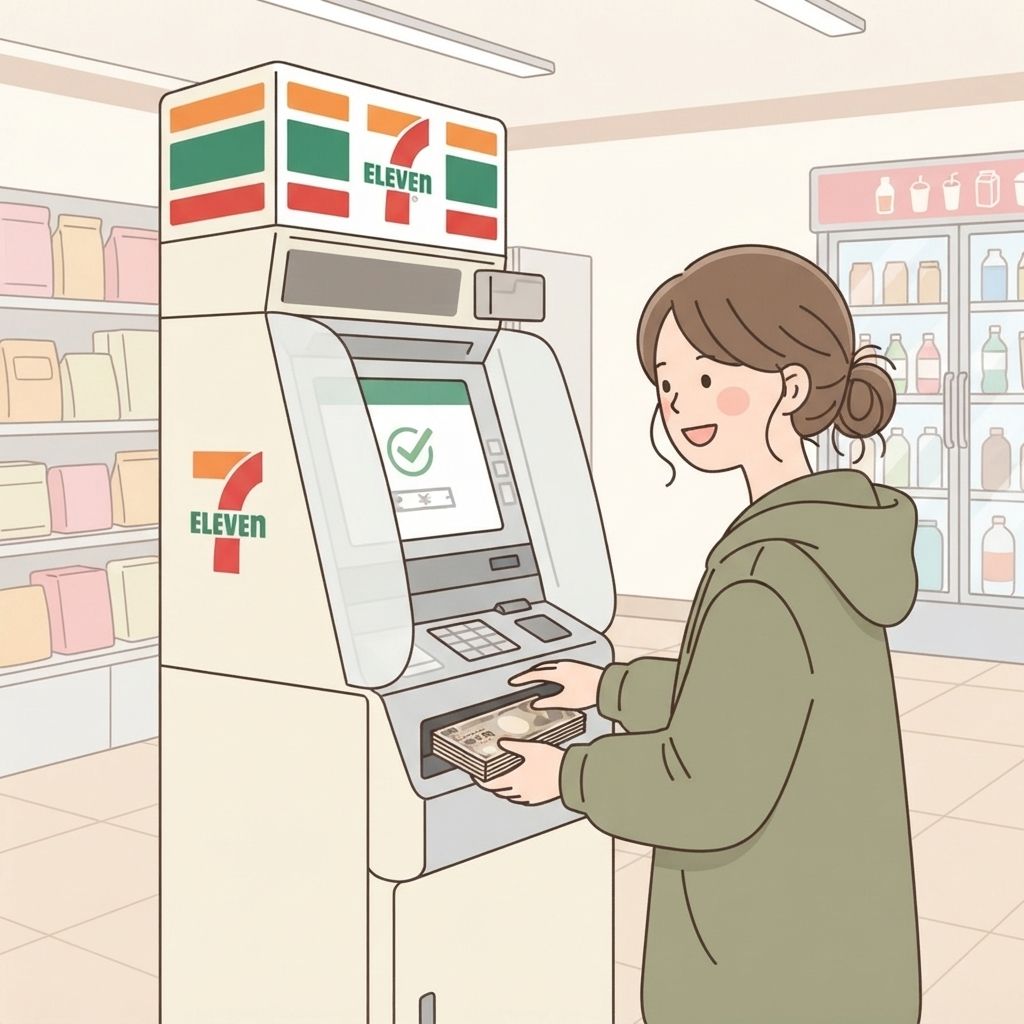
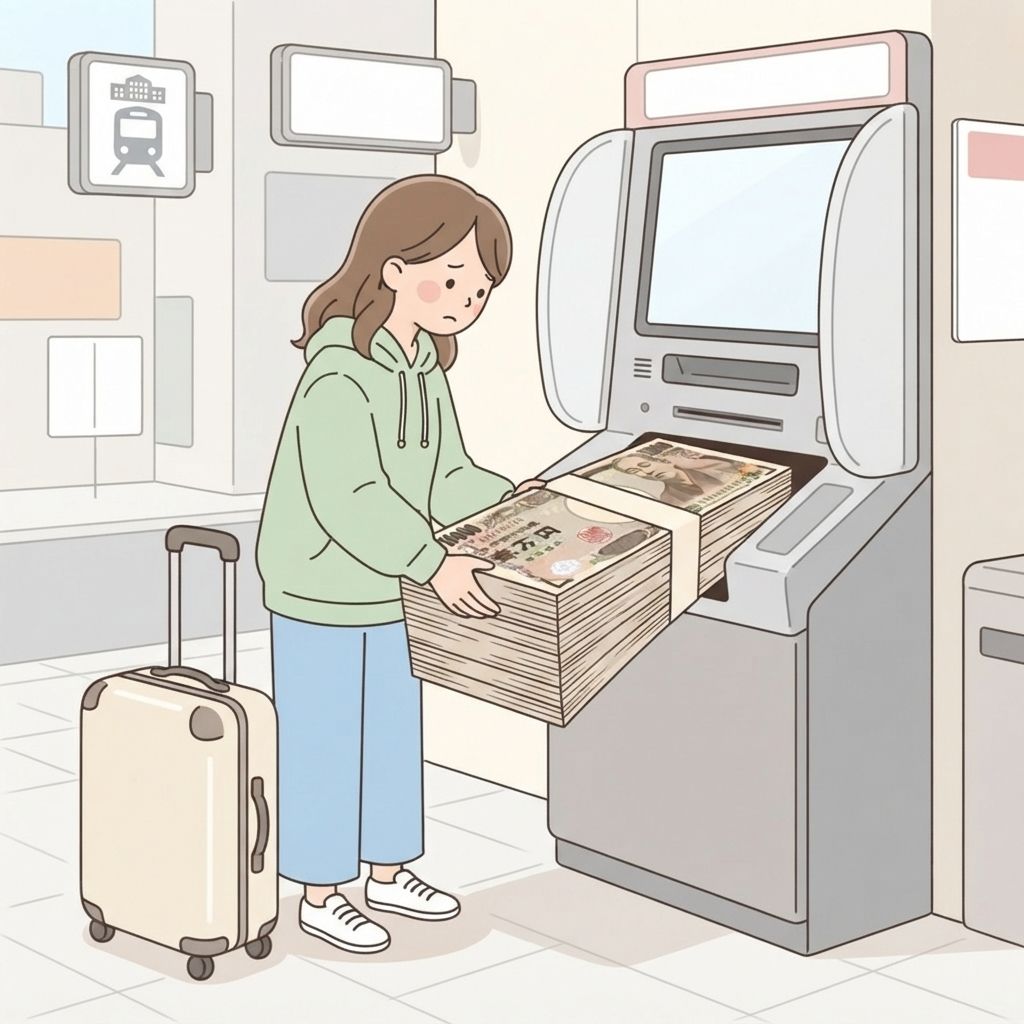
Use 7-Eleven ATMs or Japan Post ATMs—they reliably accept foreign cards

Inside every 7-Eleven convenience store (and there are tens of thousands nationwide), there's an ATM that accepts most foreign cards, has English language support, and generally just works. Japan Post Bank (Yucho) ATMs at post offices are also reliable. These two are your go-to options. Lawson and FamilyMart ATMs also work for most foreign cards.

Underestimating how much cash you'll need for a rural trip

NG

Heading to a rural hot spring town or remote shrine with only ¥3,000 in cash and a credit card

Rural Japan is dramatically more cash-dependent than cities. Small ryokan (traditional inns), family-run restaurants, and village shops are often cash-only. ATMs in small towns may be limited in hours or non-existent, and the convenience stores that reliably host 7-Eleven ATMs in cities are much rarer in rural areas. Running out of cash in a rural town is a real logistical headache.

OK

Load up on cash before leaving the city—¥30,000+ for a rural overnight

Before heading out to a rural destination, withdraw enough cash for the entire stay plus a buffer. For a two-night ryokan trip with meals, transport, and souvenirs, ¥30,000–50,000 per person is a safe amount. You can always bring back leftover yen to the city and deposit or use it there. Running out in rural Japan is worse than carrying too much.

Discounting digital payment options entirely

NG

Thinking Japan is behind on digital payment and ignoring IC cards and QR apps

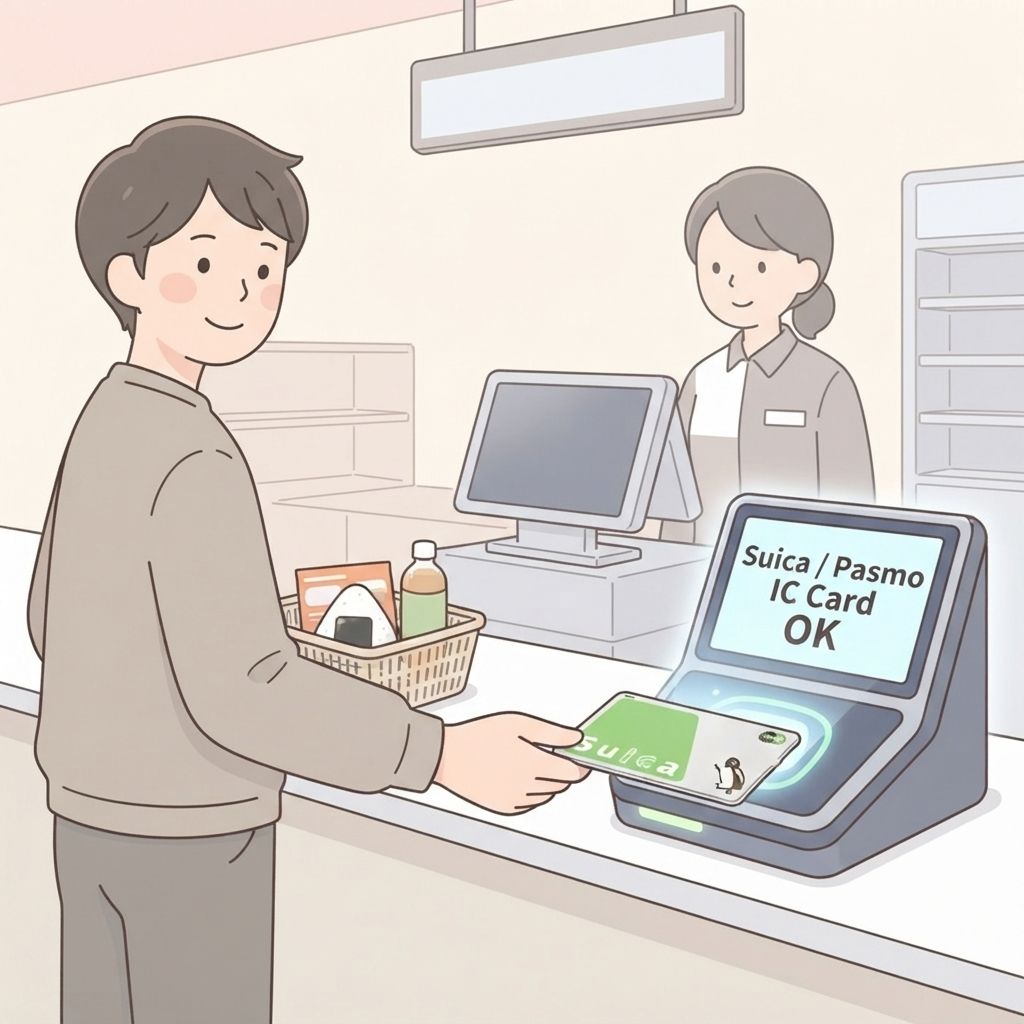
The 'Japan is a cash country' narrative is partly outdated. In urban areas—Tokyo, Osaka, Kyoto, Fukuoka—IC cards (Suica, Pasmo) and QR payment apps (PayPay, LINE Pay, au PAY) are now widely accepted in convenience stores, chain restaurants, and many independent shops. Tourists who refuse to use them miss out on a significantly smoother payment experience in cities.

OK

Get a Suica or Pasmo IC card, and consider PayPay if staying long

An IC card (Suica for JR East region, Pasmo for private Tokyo subways, or ICOCA for Kansai—they all work everywhere) is basically required for trains and extremely useful for small purchases. Tap it at any IC-card-accepting register. Top it up at any station. For longer stays, adding a QR payment app like PayPay opens up even more small-shop payment options.

Why one of the world’s most tech-forward countries still loves cash

Japan invented bullet trains, robot hotels, and toilets that do everything short of filing your taxes. And yet the little ramen joint around the corner? Cash only. The reason is partly cultural—cash feels clean, precise, no-surprises—and partly practical. Small businesses dodge credit card processing fees, and generations of consumers simply never broke the habit.

The country is digitizing fast. IC cards and QR apps like PayPay have exploded in cities since the pandemic. But rural Japan, traditional inns, and temple admission counters are still firmly cash-first. Your Visa means nothing at a mountain onsen.

City rule: cash plus IC card. Countryside rule: cash, more cash, and backup cash.

A few “nice to know” extras

  • The 10,000-yen bill is normal — Unlike flashing a $100 bill in the US, paying with a 10,000-yen note (roughly $70) is completely unremarkable. ATMs spit them out, shops accept them, nobody blinks.
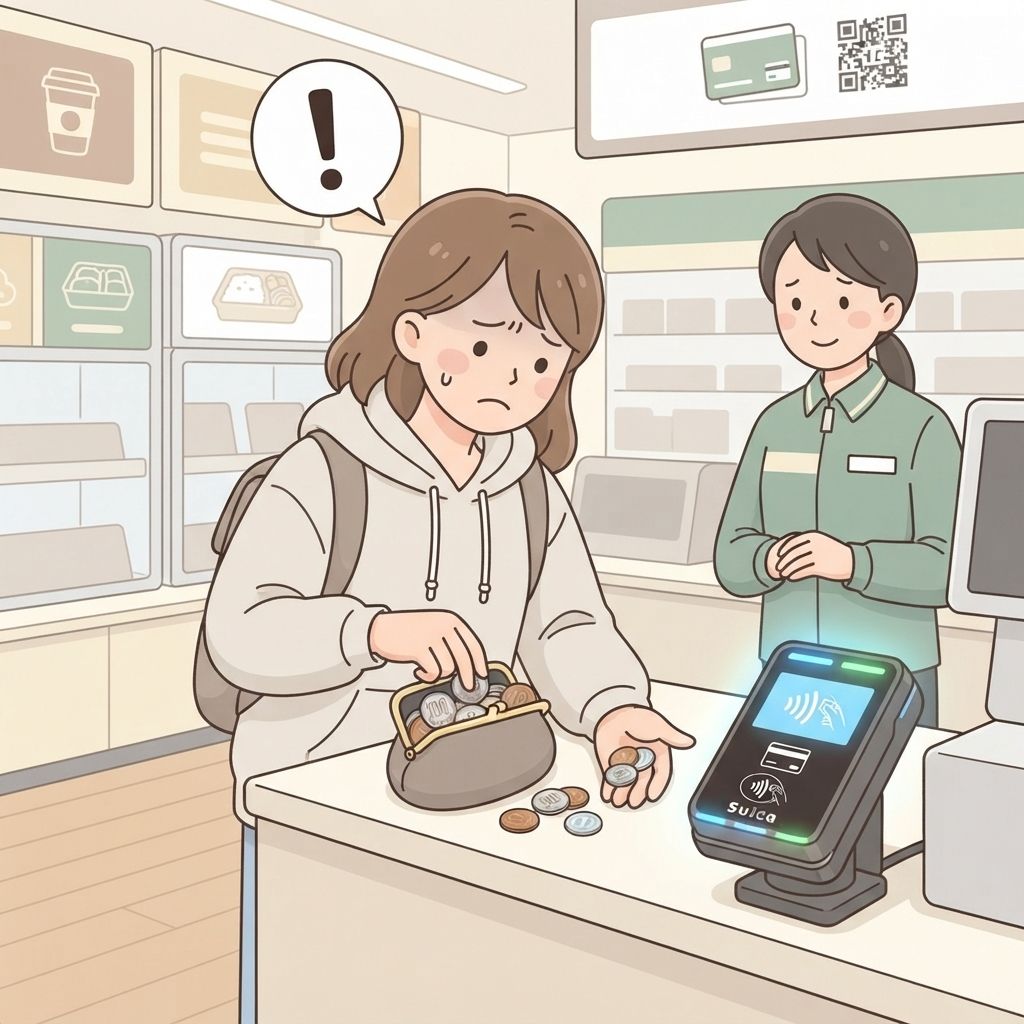
  • Coins pile up fast — Six denominations, and the 500-yen coin alone is worth about $3.50. Feed them into vending machines or IC card top-up kiosks before your pocket rips.
  • Welcome Suica at the airport — The tourist-edition IC card (28-day expiry, special design) is usually stocked at airport transit counters. Works identically to a regular Suica everywhere in the country.
  • Airport currency exchange is fine — Rates at Narita, Haneda, or Kansai International are slightly worse than ATM withdrawals, but you walk out with yen in hand on day one. Worth the tiny premium when you’re jet-lagged and lost.

Quick check

Three questions to lock in the cash strategy. Takes about 20 seconds.

Quick check

Can you spot the right move?

  1. Q1 Can you use your foreign credit card at any Japanese ATM?

  2. Q2 Is Japan becoming more cash-free in urban areas?

  3. Q3 Should you withdraw extra cash before heading to a rural destination?