Japanese Toilets: The Full Washlet Button Guide

The high-tech washlet has dozens of unlabeled buttons. Here's what each one does — so you can use it without accidentally launching off the seat.

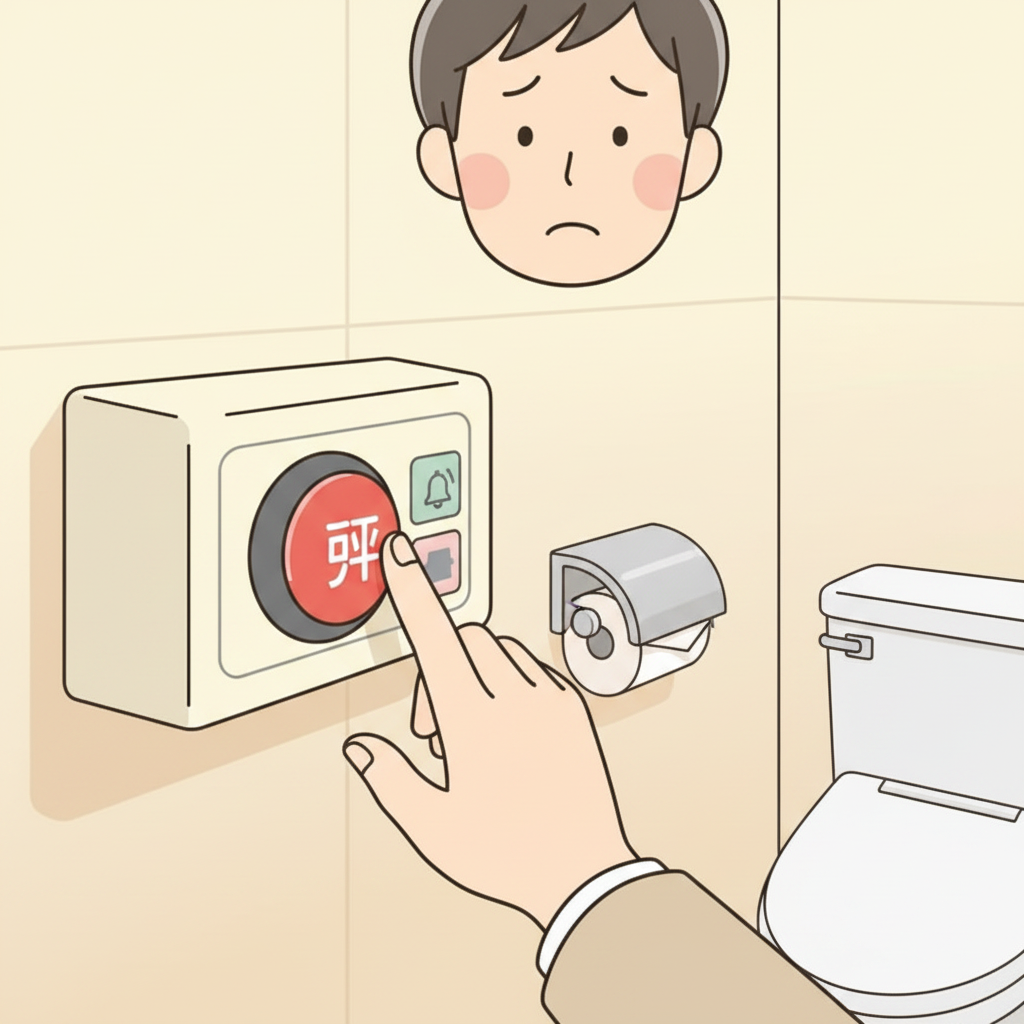
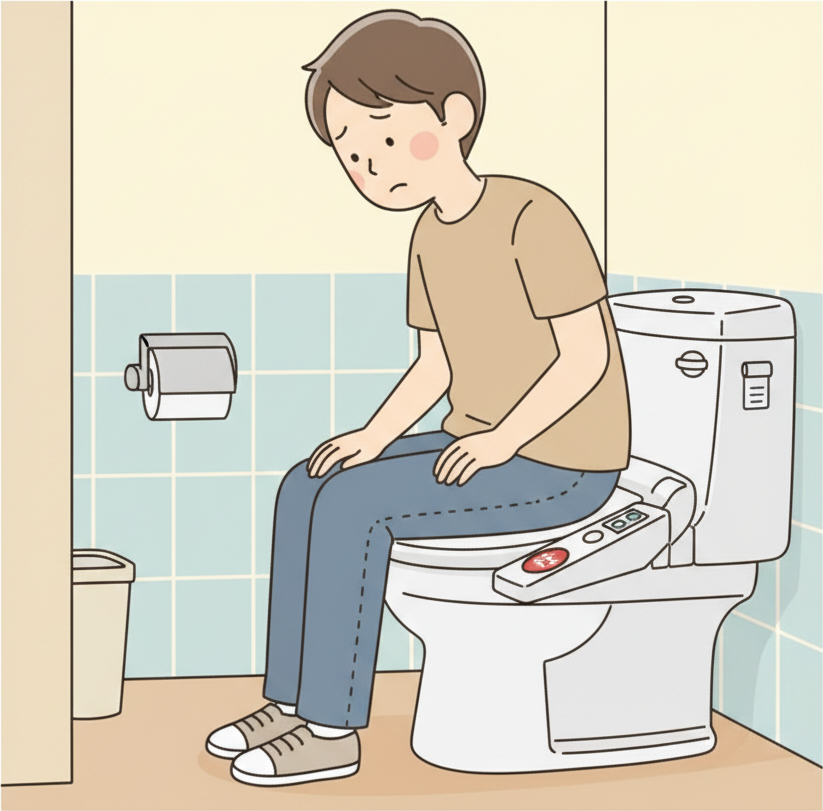
Pressing the big red button expecting it to flush

NG

Assuming the biggest, most prominent button on the panel is the flush button

The biggest red button on most Japanese toilets is not the flush button—it's the emergency call button, and pressing it will alert hotel staff, restaurant staff, or whoever is responsible for the bathroom that you need assistance. This causes embarrassment for everyone involved. The button often has a small pictogram of a bell, an alarm, or the Japanese character 呼 (yobi, 'call'), but it's easy to miss the distinction at first glance.

OK

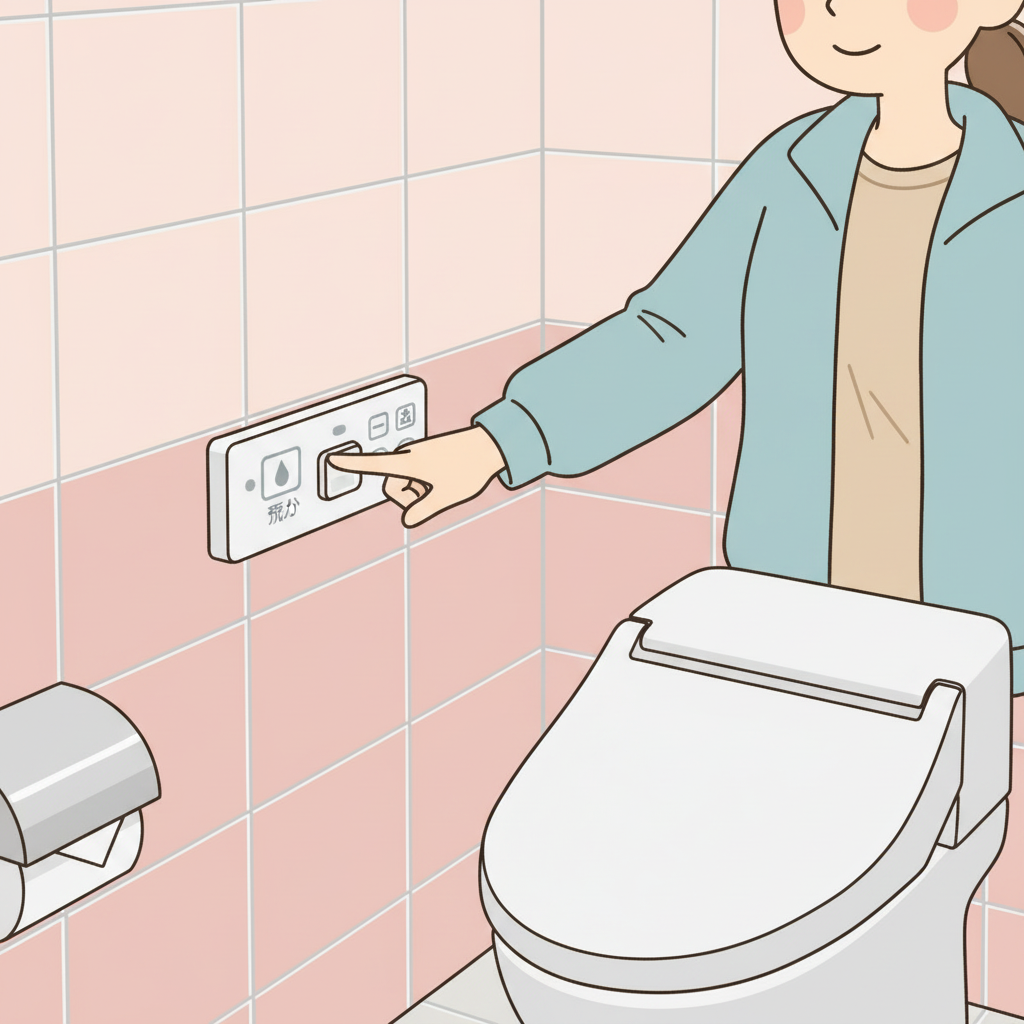
Look for the button with a water drop or 流す (nagasu, 'flush') label

The flush button is usually smaller, sometimes on a separate wall panel, sometimes on top of the tank, sometimes on the side of the seat. It's often labeled 流す (nagasu, 'flush'), 大 (dai, 'big flush'), or 小 (shou, 'small flush'). There are often two flush options: a full flush (大) and a partial flush (小) for water conservation. The button usually has a water-drop pictogram or a small spiral arrow icon.

Pressing random buttons while seated without reading labels

NG

Idly pressing buttons to see what they do while sitting on the toilet

Japanese toilet buttons control a range of functions: bidet spray (front and rear), spray pressure, spray position, seat heating, lid closing, deodorizer, flush sounds for privacy, and more. Pressing them randomly while seated can result in sudden water jets at unexpected pressures and angles, which is at best startling and at worst results in water on your clothes or the floor. Some of the spray functions are surprisingly powerful.

OK

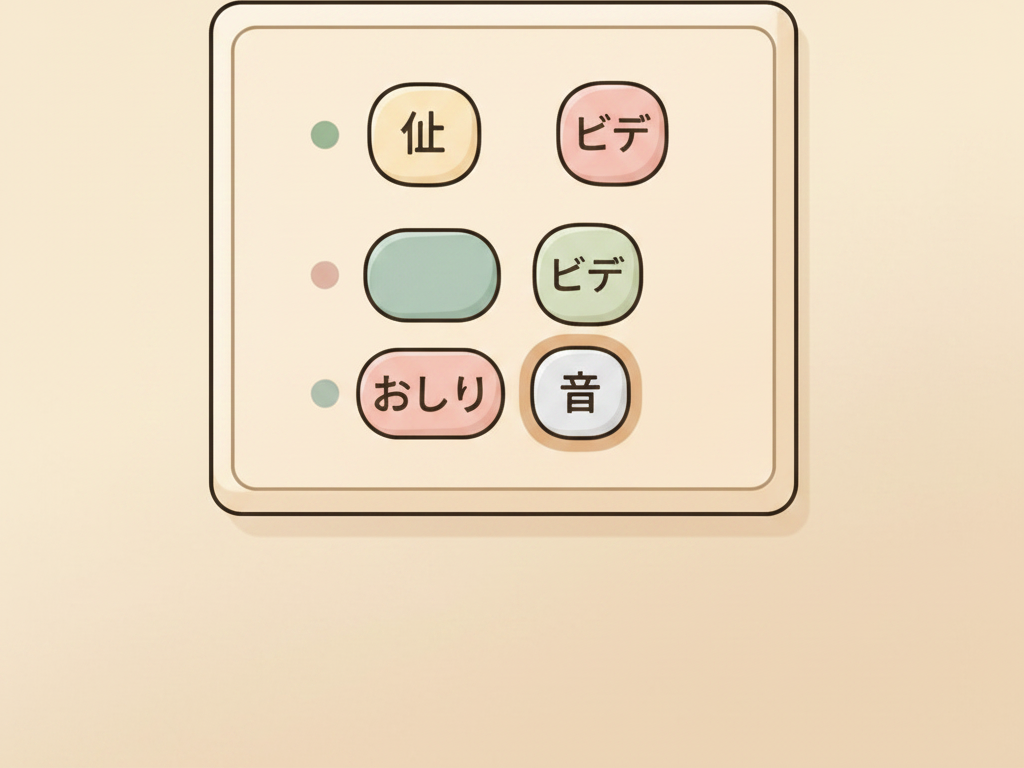
Learn the key buttons before you press anything

Key buttons: 止 (tomeru, 'stop') is the emergency stop button—press this if anything is happening that you want to end immediately, it usually has a red or square icon. おしり (oshiri, 'rear') activates the rear bidet spray. ビデ (bide, 'bidet') activates the front bidet spray for women. 音 (oto, 'sound') or a music-note icon activates the privacy flushing sound. Pressure controls (圧 or +/−) adjust the spray strength.

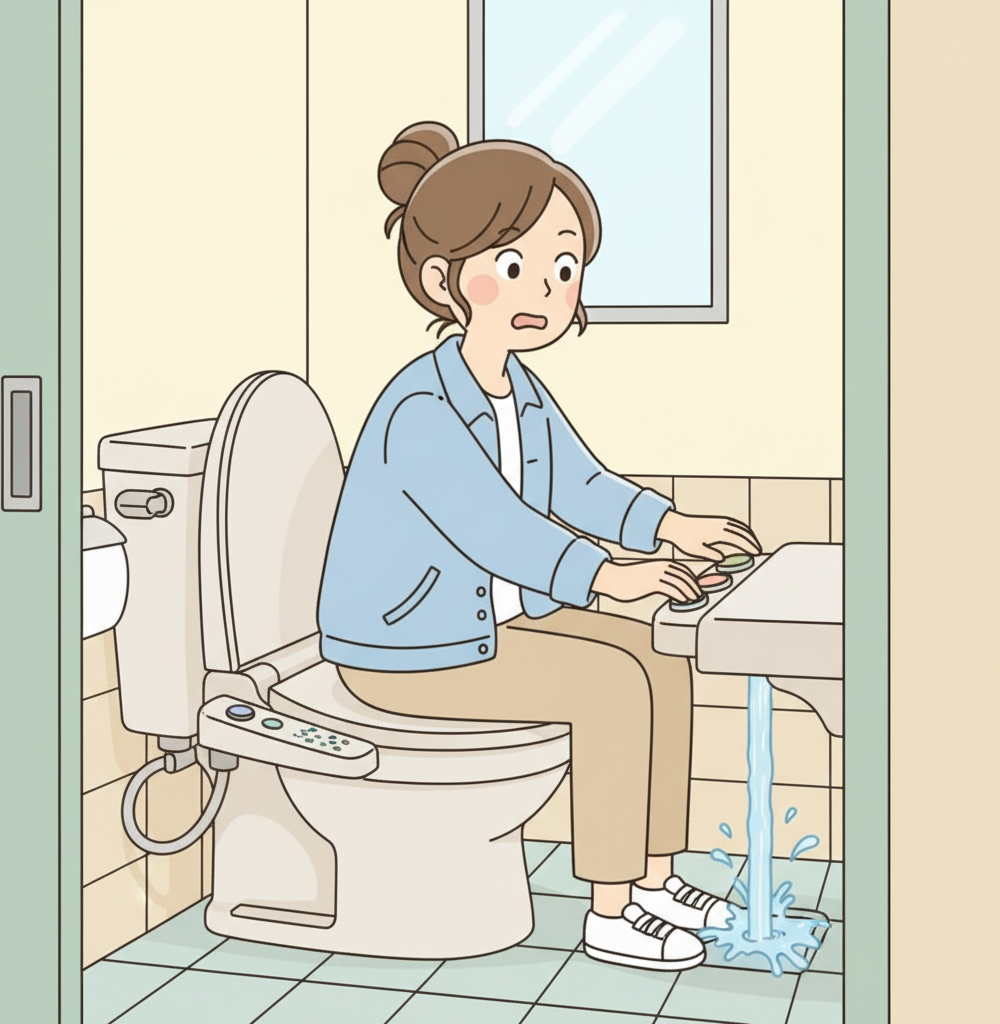
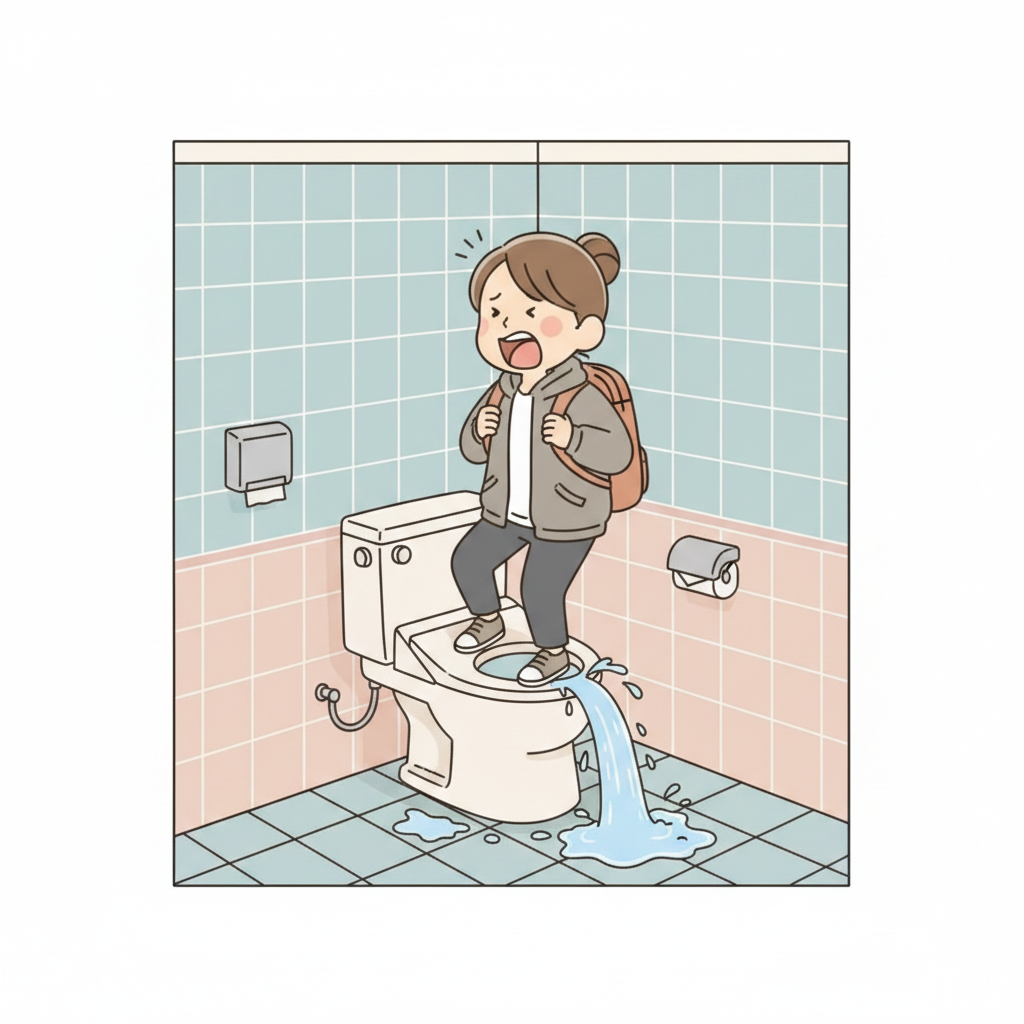
Standing up while the bidet is still running

NG

Getting up from the toilet without turning off the bidet spray first

Most Japanese toilets stop the bidet spray automatically when you stand up, triggered by a sensor in the seat. But on some older models, or when the sensor malfunctions, the spray continues—and if you're standing up while the water is still jetting, it sprays across the bathroom and onto the wall, floor, or your clothes. This is a classic tourist horror story.

OK

Always press the stop button before standing up

Before getting up, press the 止 (stop) button to deactivate any active spray or function. This is the single most important habit to develop with Japanese toilets. The stop button is usually prominent—a red square or circle with 止 or the word 'stop'—and it immediately ends whatever function is running. Press stop, confirm the spray is off, then stand up.

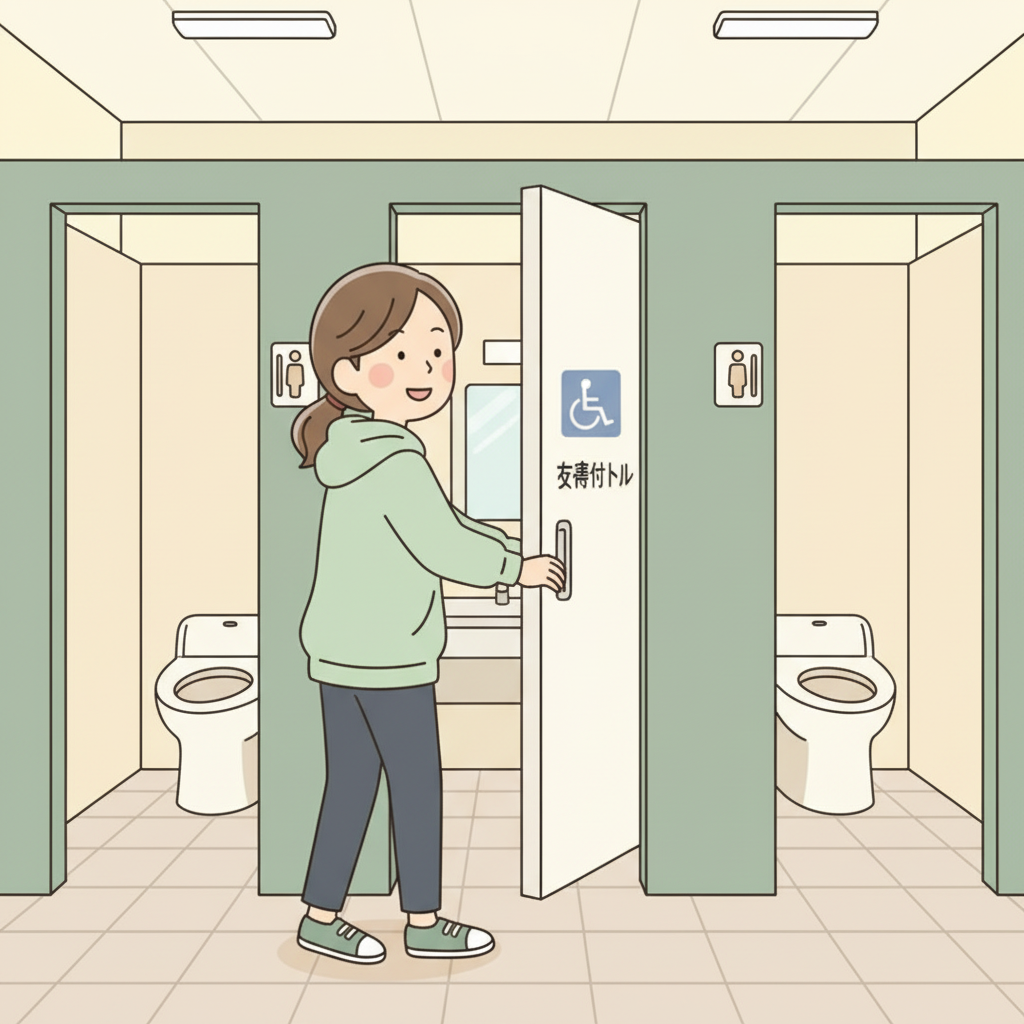
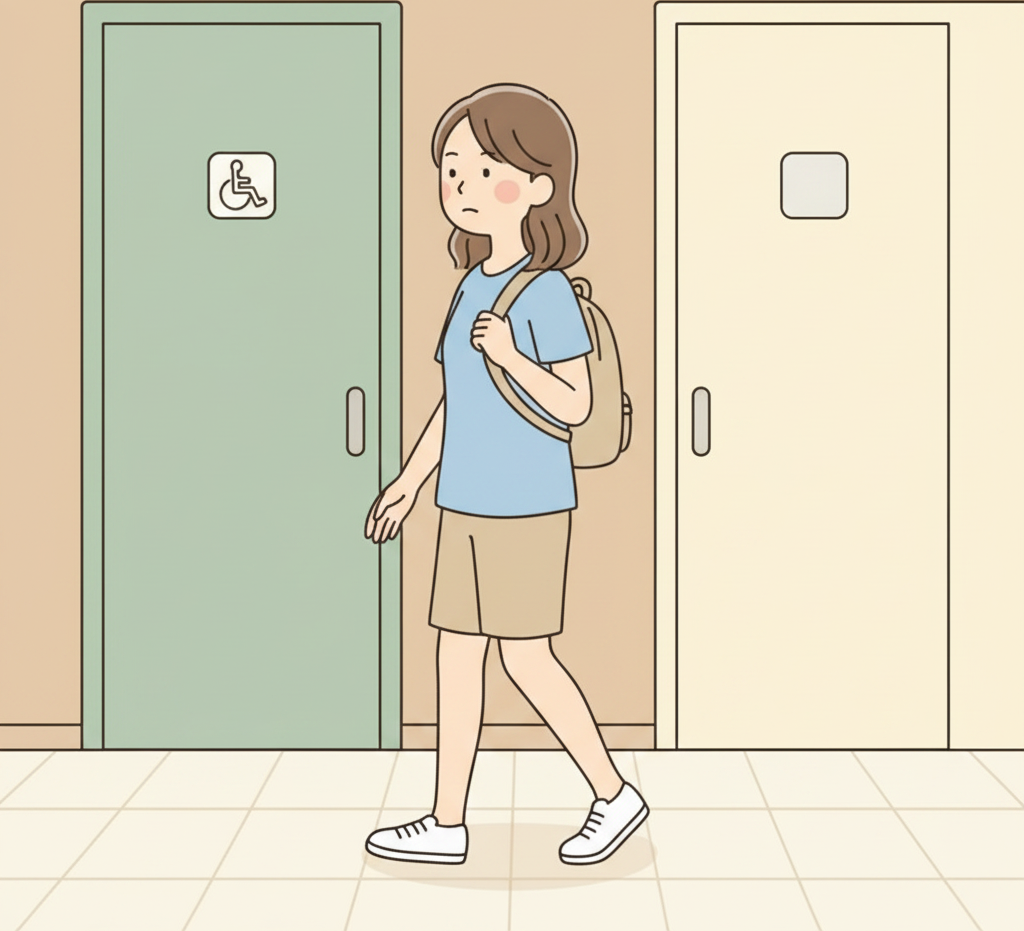
Using the handicap toilet without noticing

NG

Using the accessible (handicap) toilet when regular stalls are available

Japanese public bathrooms often have a separate 'universal' or 'accessible' toilet—a larger single stall designed for wheelchair users, parents with small children, and people with various accessibility needs. Using it when you're able-bodied and regular stalls are available is considered rude, because you might be there when someone who actually needs it arrives.

OK

Use regular stalls unless you have a specific need for the accessible one

The accessible toilet is marked with wheelchair pictograms, a baby changing station symbol, or the label 'multipurpose' (多目的, tamokuteki). Use the regular men's or women's stalls unless you specifically need the accessible one (injury, child care, heavy bags that won't fit elsewhere). This is basic common sense in most countries but worth remembering in Japan too.

Why a toilet needs twenty buttons

TOTO launched the Washlet in the 1980s—a sit-down toilet with a built-in bidet—and Japan collectively decided that more features was always better. Heated seats, deodorizers, pressure controls, privacy sounds, automatic lids. Decades of iteration turned the humble toilet into a cockpit with no English manual.

The buttons are almost always labeled in Japanese only, with tiny pictograms that require a decoder ring if you can’t read kanji. Trial and error is the default tourist strategy—but trial and error with a high-pressure water jet has consequences.

Memorize four things: flush (流す), stop (止), rear spray (おしり), and the big red button you must never press (that’s the emergency call).

A few “nice to know” extras

  • Heated seats in winter — Sitting on a warm seat in a freezing bathroom is the single feature tourists fall in love with. Every hotel has it. Some Japanese homes leave it on year-round.
  • Sound princess (音姫) — A fake flushing sound that masks your real bathroom audio. Common in women’s restrooms but available everywhere. It replaced the old habit of flushing multiple times for privacy, which wasted absurd amounts of water.
  • Squat toilets still exist — Older station bathrooms and rural parks sometimes have the traditional floor-level style (和式). Face the hooded end, squat, flush with the lever. No bidet, no buttons—refreshingly analog.
  • Automatic lids — High-end toilets sense you approaching and open the lid like a butler. Mostly in upscale hotels and fancy restaurants. Slightly unnerving the first time.

Quick check

Three questions to lock in the toilet survival skills. Takes about 20 seconds.

Quick check

Can you spot the right move?

  1. Q1 Is the big red button on a Japanese toilet the flush button?

  2. Q2 Should you press the stop button before standing up from a Japanese toilet?

  3. Q3 Is it okay to use the accessible (universal) toilet when regular stalls are free?