Why Your Lost Wallet Comes Back in Japan

Drop your wallet on a Tokyo train and there's a real chance it comes back with the cash intact. Here's how Japan's lost-and-found system actually works.

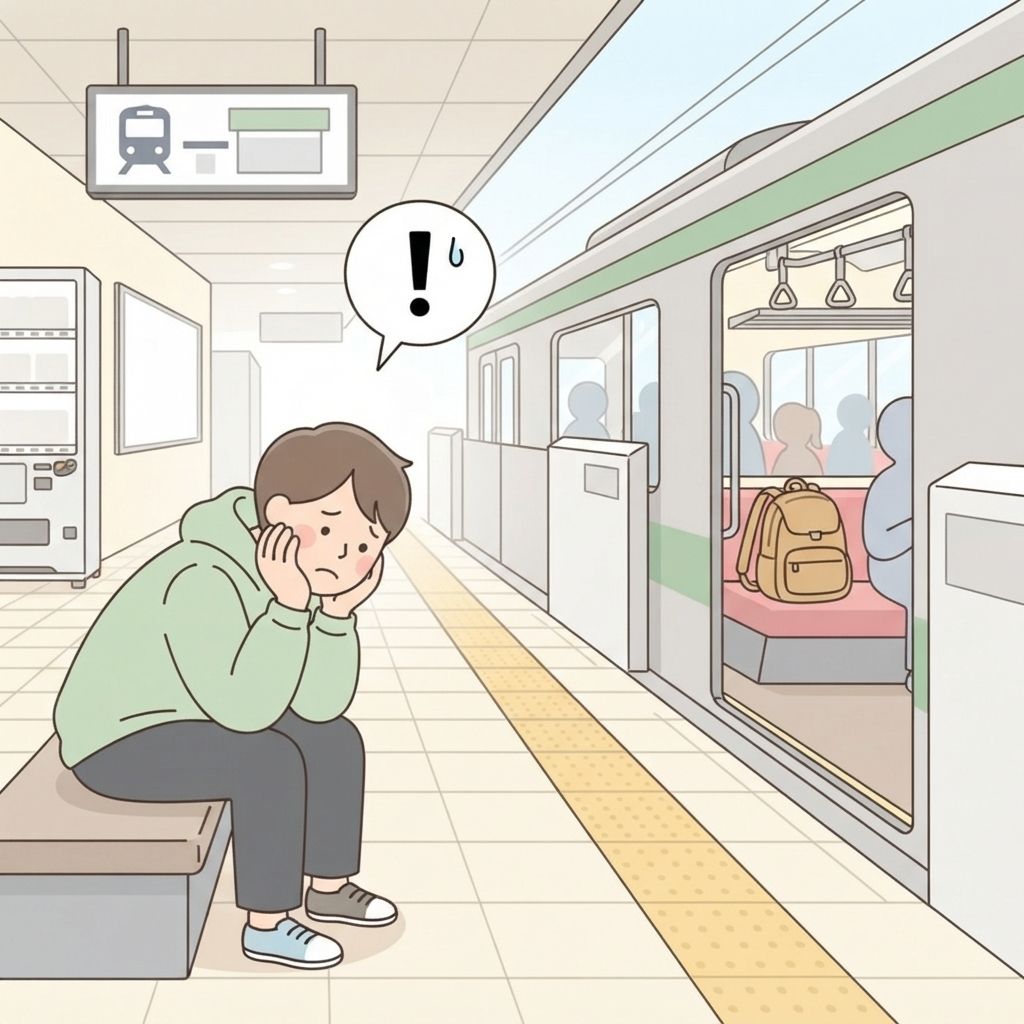
Panicking immediately and assuming your lost item is gone

NG

Realizing you left something on the train and giving up hope

Tourists who lose items in other countries often default to 'it's gone forever' immediately—and in many places, that assumption is correct. In Japan, the recovery rate for lost items is remarkably high, especially for wallets, phones, cameras, and IDs. Giving up before checking the lost-and-found system means walking away from a recoverable item. The system works. Use it.

OK

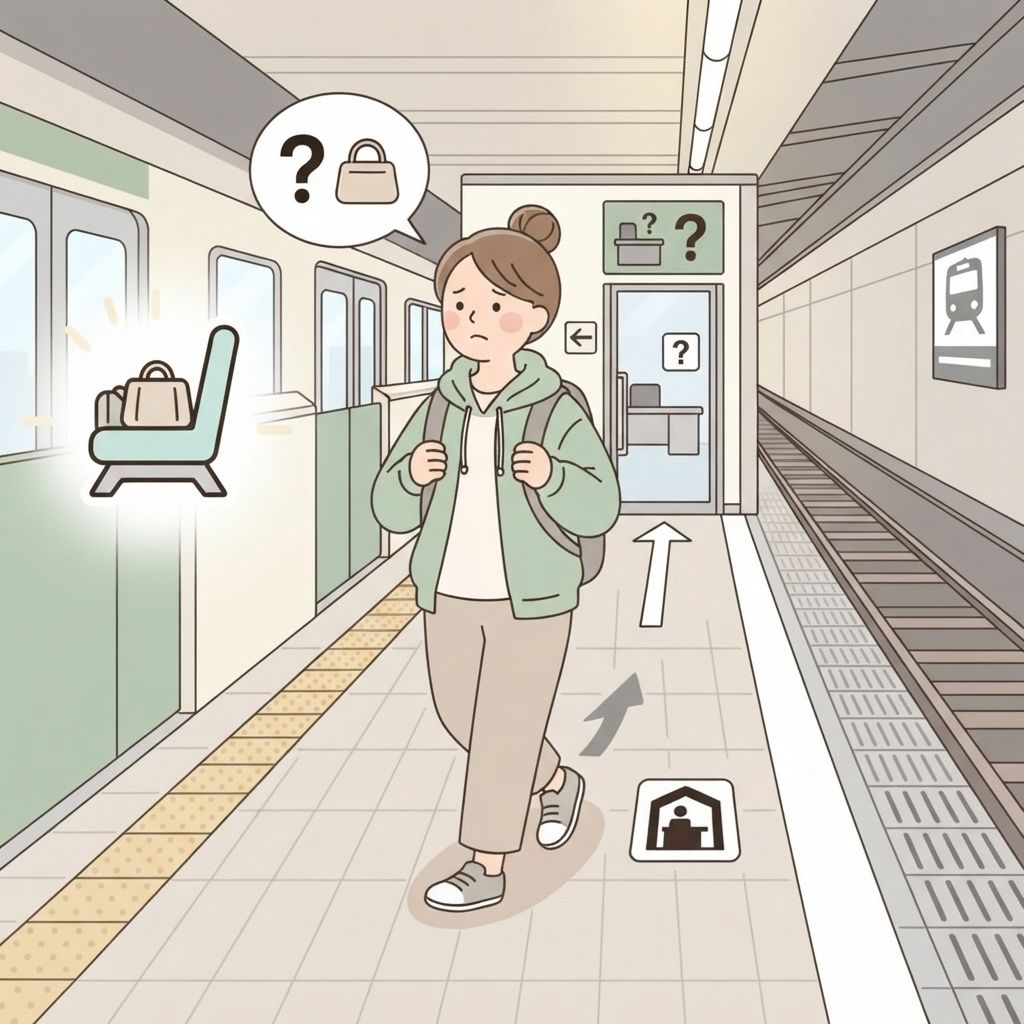
Retrace your steps, check with the nearest station or lost-and-found desk

Start by thinking through where you last had the item and where you might have left it. Go back to that place if possible. Ask at the nearest train station's lost and found (わすれもの, wasuremono) desk. Ask at the front desk of the restaurant, shop, or attraction where you might have left it. Within a few hours of losing something, there's a very real chance it's already been turned in.

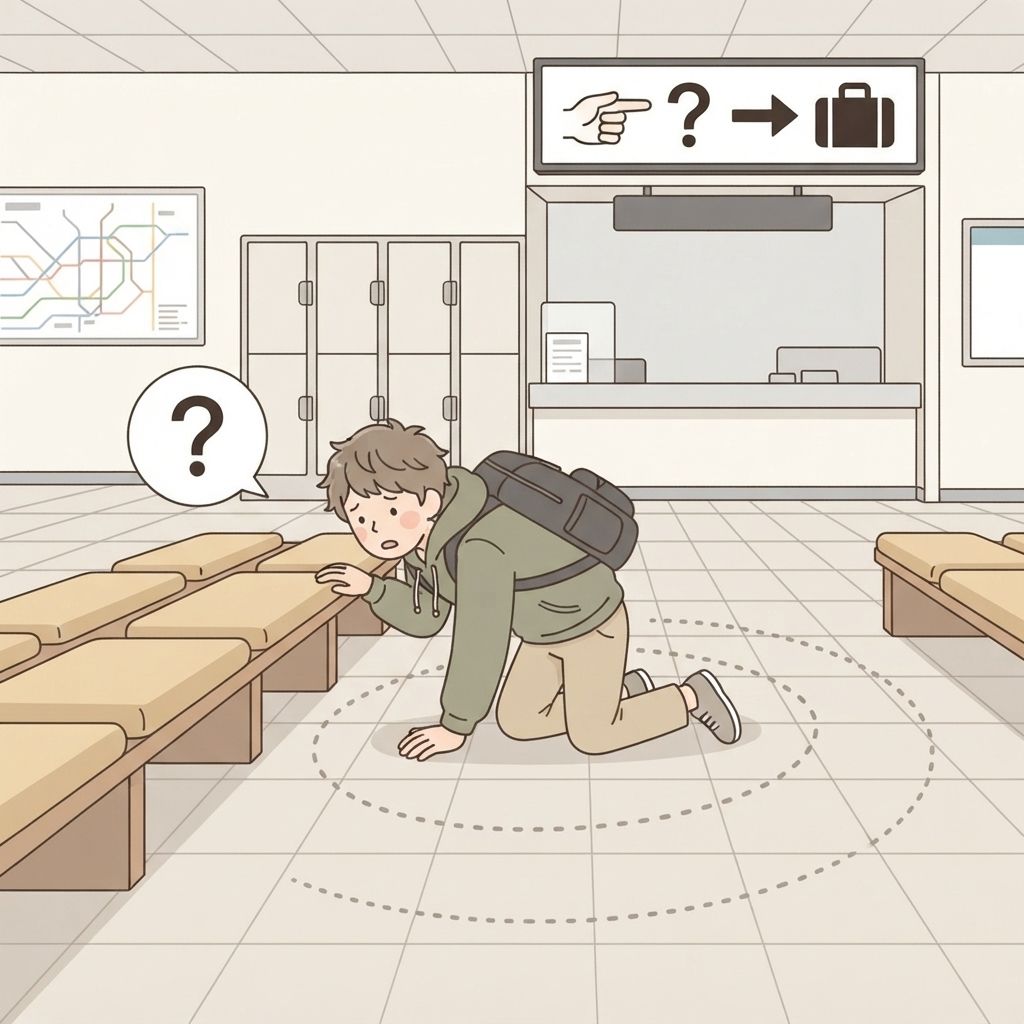
Not knowing where to report or check for lost items

NG

Wandering around aimlessly hoping to find your lost item yourself

Japan's lost-and-found system runs through specific channels, and not knowing which channel to use means you might miss the place where your item is actually being held. Different transit systems have different lost-and-found offices, and items found in public spaces eventually end up at the police department's central lost-and-found system after a specific waiting period.

OK

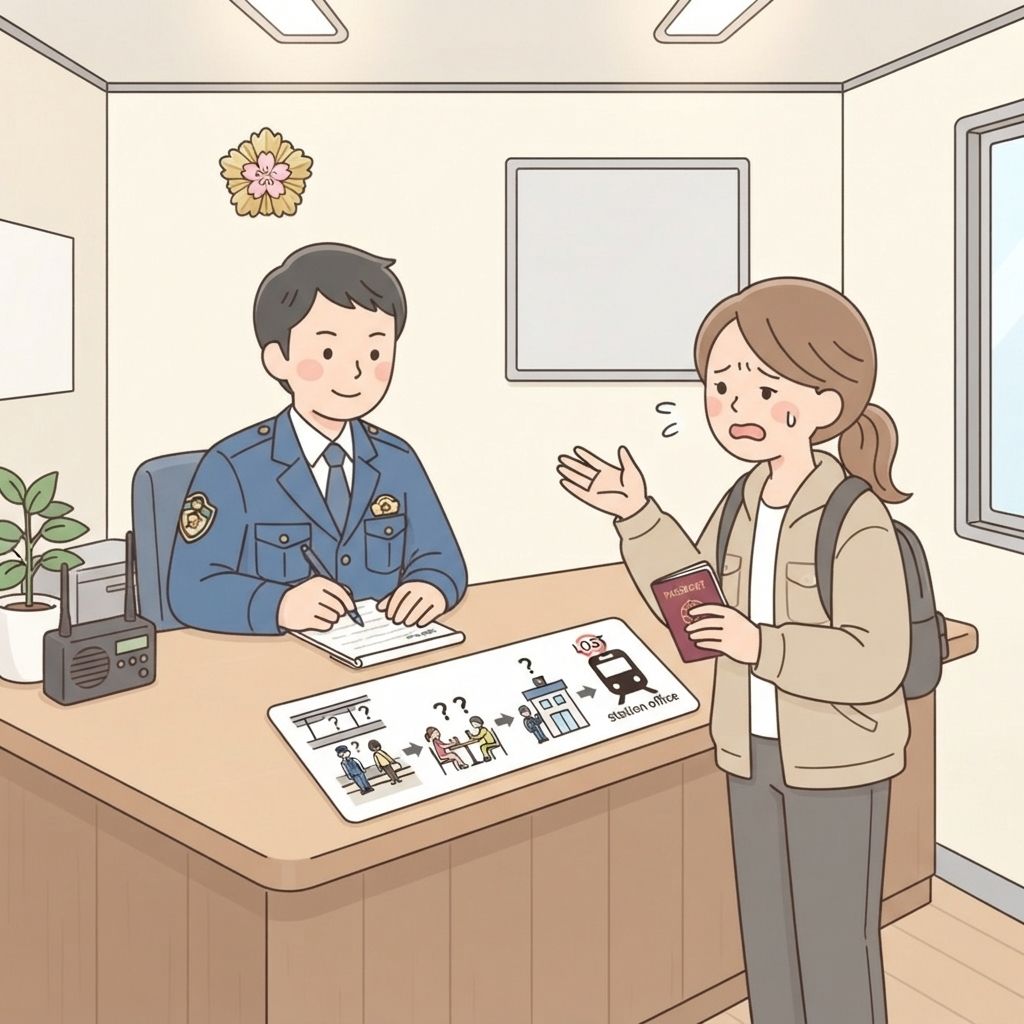
Report at the nearest transit station, restaurant, or local police box (koban)

For items lost on trains: go to the nearest station and ask at the office. They have a connected system across the entire line and can trace items. For items lost at a restaurant or shop: return directly and ask. For items lost in public (on the street, in a park): report at the nearest police box (koban, 交番). If the item isn't found within a few days, it gets forwarded to the central metropolitan police lost-and-found office (遺失物センター, ishitsubutsu center), which has a massive searchable database.

Expecting an instant result for high-value items

NG

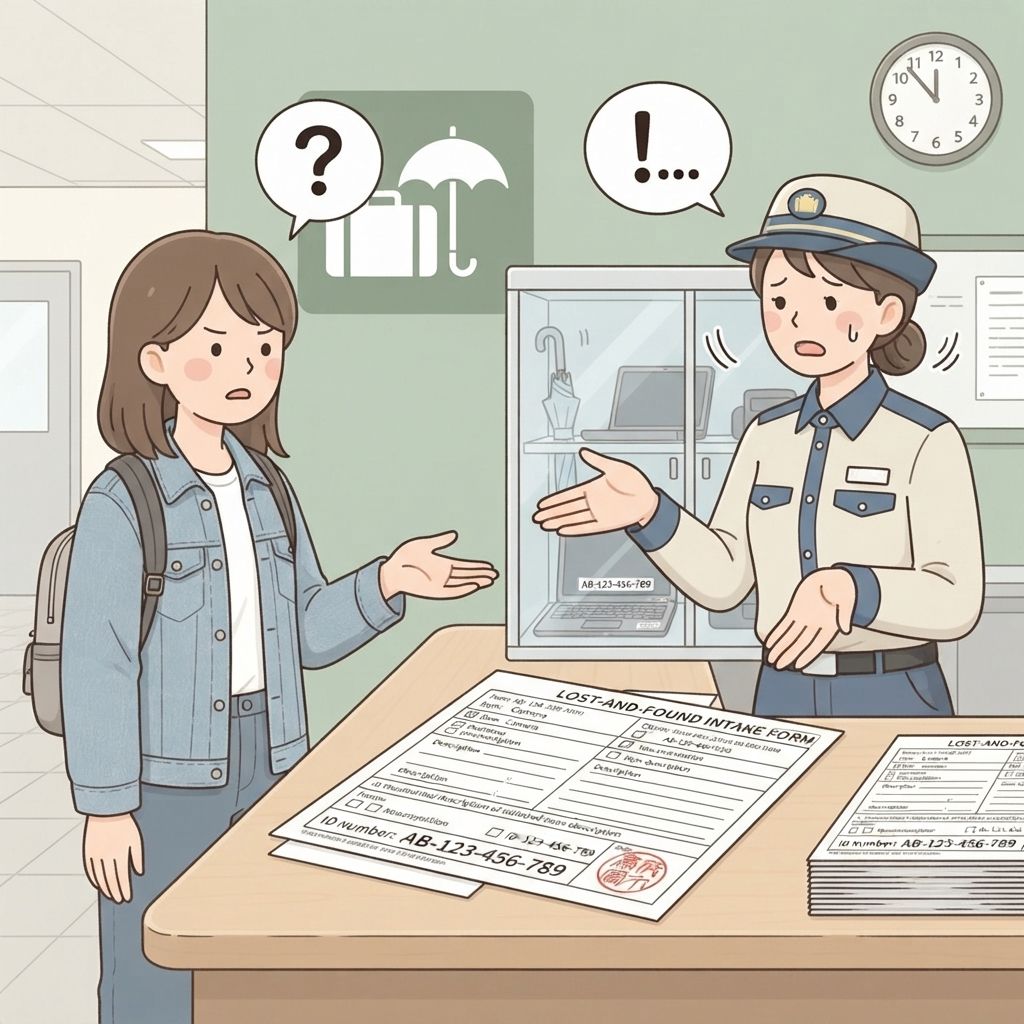
Assuming your camera or laptop will be returned within hours with no paperwork

The Japanese lost-and-found system is efficient but not instant, especially for high-value items. When someone finds a valuable item and turns it in, it's logged, stored, and held for a specific period (usually a few weeks to a few months) before it can be reclaimed. The recovery process requires ID verification and sometimes paperwork. It's reliable but not always same-day.

OK

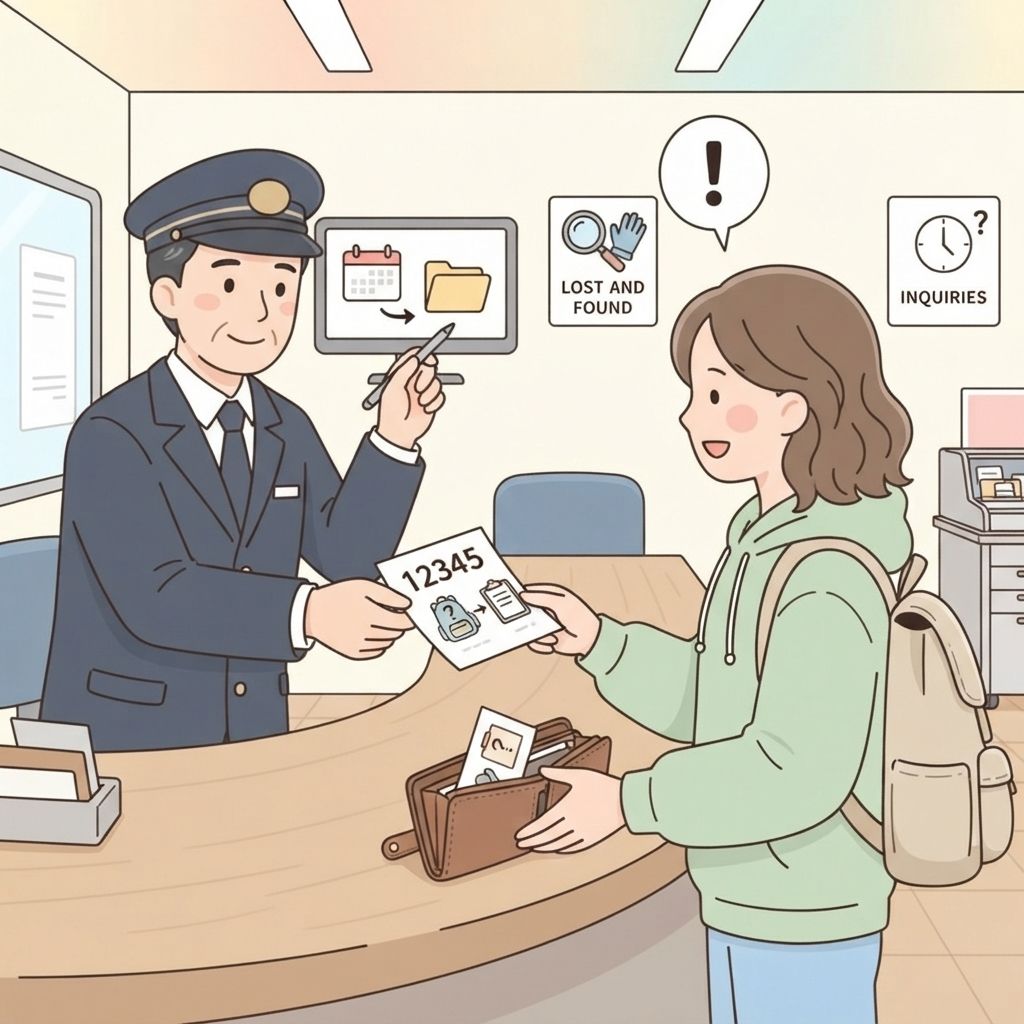
File a report, get a claim number, check back regularly

When you report a lost item, you'll be given a claim number or a way to track the report. High-value items are logged with careful documentation and held for a specific waiting period. Provide as much detail as possible (description of the item, approximate time and location of loss, any identifying marks or contents). Check back over days and weeks if the item doesn't turn up immediately. Many items are found and logged later, sometimes a week or more after they were lost.

Not understanding the 'finder's reward' tradition

NG

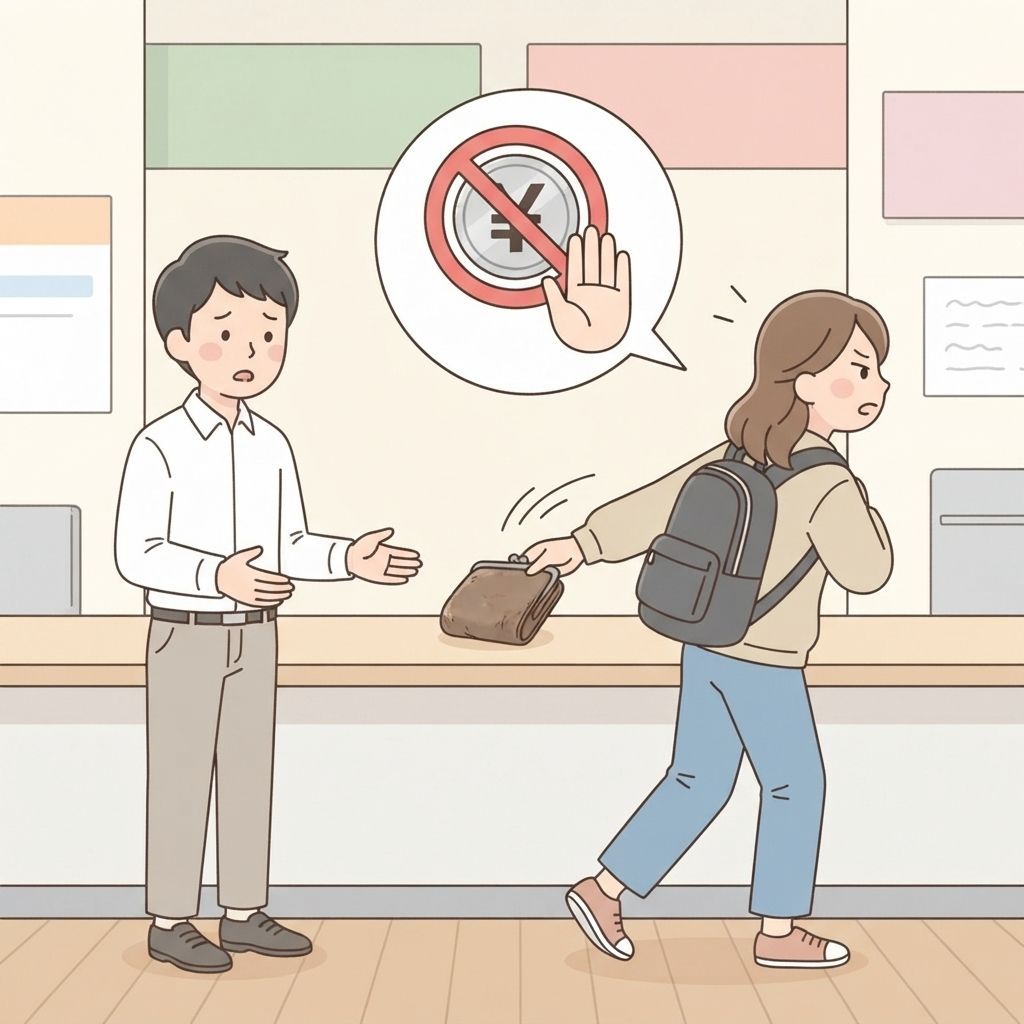
Expecting to pay nothing to the finder when you reclaim a lost item

Japanese law has a specific provision for rewards to finders of lost items. If someone finds and turns in your item, they're legally entitled to a reward of up to 20% of the item's value. This is a real legal right, not a tip. When you reclaim a high-value item, you may be asked whether you want to offer a reward to the finder, and in some cases the finder has already claimed their legal share.

OK

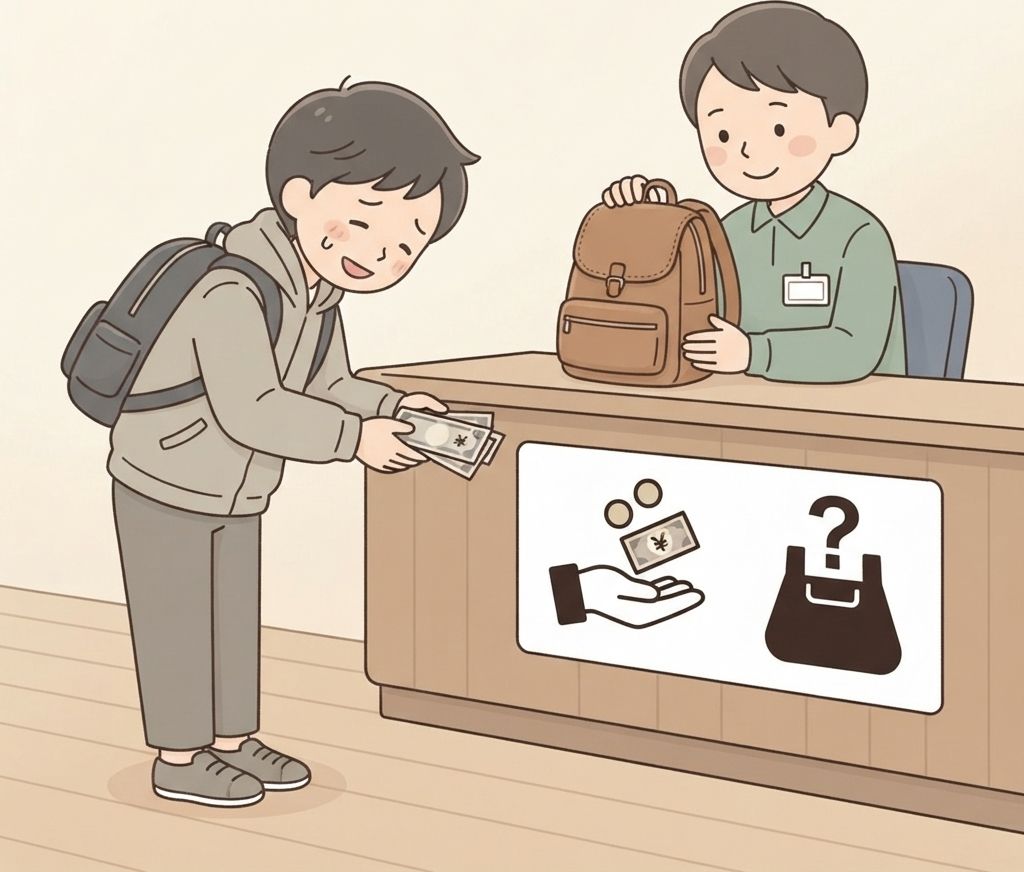
Be prepared to offer a small reward to the finder, or acknowledge the legal provision

When reclaiming a high-value item through the police lost-and-found system, ask about the finder's reward provision. You can offer a reward directly to the finder if they're known, or decline and the legal provision may still apply depending on the item's value and the circumstances. For small items (a forgotten umbrella, a cheap scarf), no reward is typically expected. For significant items (wallets with substantial cash, expensive electronics), offering a small reward is appropriate and culturally appreciated.

Why lost items come back in Japan

It’s not a myth and it’s not luck. Tokyo has the highest wallet-return rate of any major city in the world — somewhere around 65-70% for wallets with cash still inside. Phones and electronics come back at rates above 80%. The system works because three things align: cultural norms that treat returning lost items as a basic civic duty, a dense institutional network (train stations, police boxes, restaurants) that receives and logs everything, and a legal framework that actually rewards finders.

When someone picks up a dropped wallet in Tokyo, their default move is to walk it to the nearest koban (police box). Not because they’re unusually virtuous — because that’s just what you do here. The system creates a feedback loop: people trust it, so they use it, so it keeps working.

Don’t assume it’s gone. In Japan, your wallet is probably already sitting at a lost-and-found desk waiting for you.

How to actually get your stuff back

  • Lost on a train — Go to the nearest station and ask at the office. They have a connected system across the entire line and can trace items within hours.
  • Lost at a restaurant or shop — Go back and ask. Staff hold lost items as a matter of course.
  • Lost in public — Report at the nearest koban (交番). If not found in a few days, it gets forwarded to the central police lost-and-found office (遺失物センター).
  • Key phrase — “Sumimasen, wasuremono wo shimashita” (“Excuse me, I left something behind”). Then describe the item.

A few “nice to know” extras

  • The finder’s reward is a legal right — Japanese law entitles finders to up to 20% of an item’s value. For high-value recoveries, you may be asked about offering a reward. For a forgotten umbrella, nobody expects anything.
  • The Iidabashi mothership — In Tokyo, unclaimed items from stations and koban eventually flow to the central Ishitsubutsu Center in Iidabashi. Lost something weeks ago and gave up? Call them. Your bag might still be on a shelf.
  • If you find something, turn it in — Take it to the nearest koban, station, or staff desk. File a finder’s report. This is the cultural expectation, and the legal reward provision applies if the owner claims it.
  • High-value items take time — Cameras and laptops get logged with careful documentation and held for weeks to months. Get a claim number, provide detailed descriptions, and check back over days. Many items surface later.

Quick check

Three questions to lock in the lost-and-found instinct.

Quick check

Can you spot the right move?

  1. Q1 Is it realistic to recover a lost wallet with cash inside in Japan?

  2. Q2 Should you report a lost item to the nearest train station if you lost it on the train?

  3. Q3 Is there a legal provision for rewards to finders of lost items in Japan?