Don't Walk and Eat on the Street in Japan

Eating while walking is considered messy and uncouth in Japan. Stop at a bench, a stall counter, or designated spot. Festivals are the exception.

Eating a full meal while walking down a busy street

NG

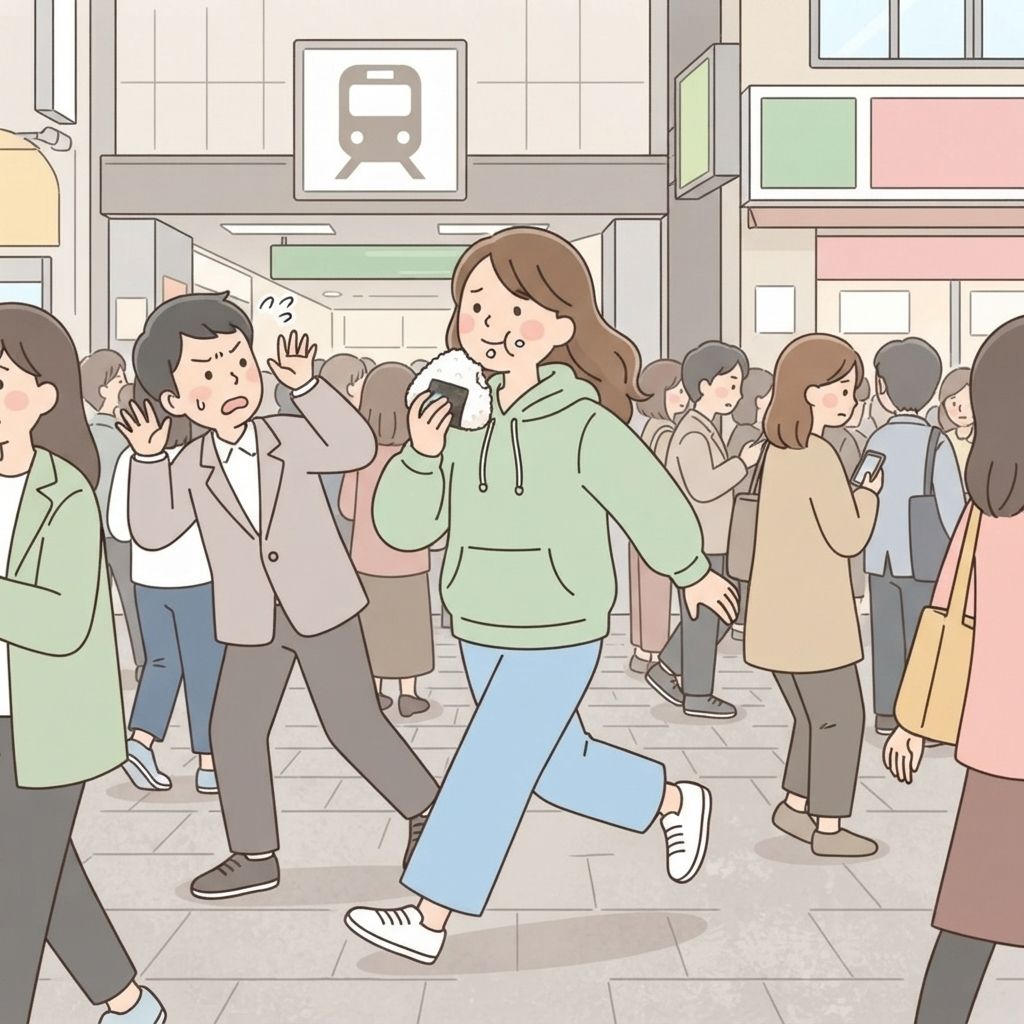
Unwrapping a sandwich or a rice ball and eating it as you walk to the station

Food in hand on a moving body through a crowded street is the kind of thing that visibly stands out in Japan. It's not illegal, nobody will stop you, but it reads as messy—you risk bumping into people, dropping food, leaving a trail of crumbs or wrappers. Locals very rarely do this, and it's one of the clearer visual markers of 'this person is a tourist.'

OK

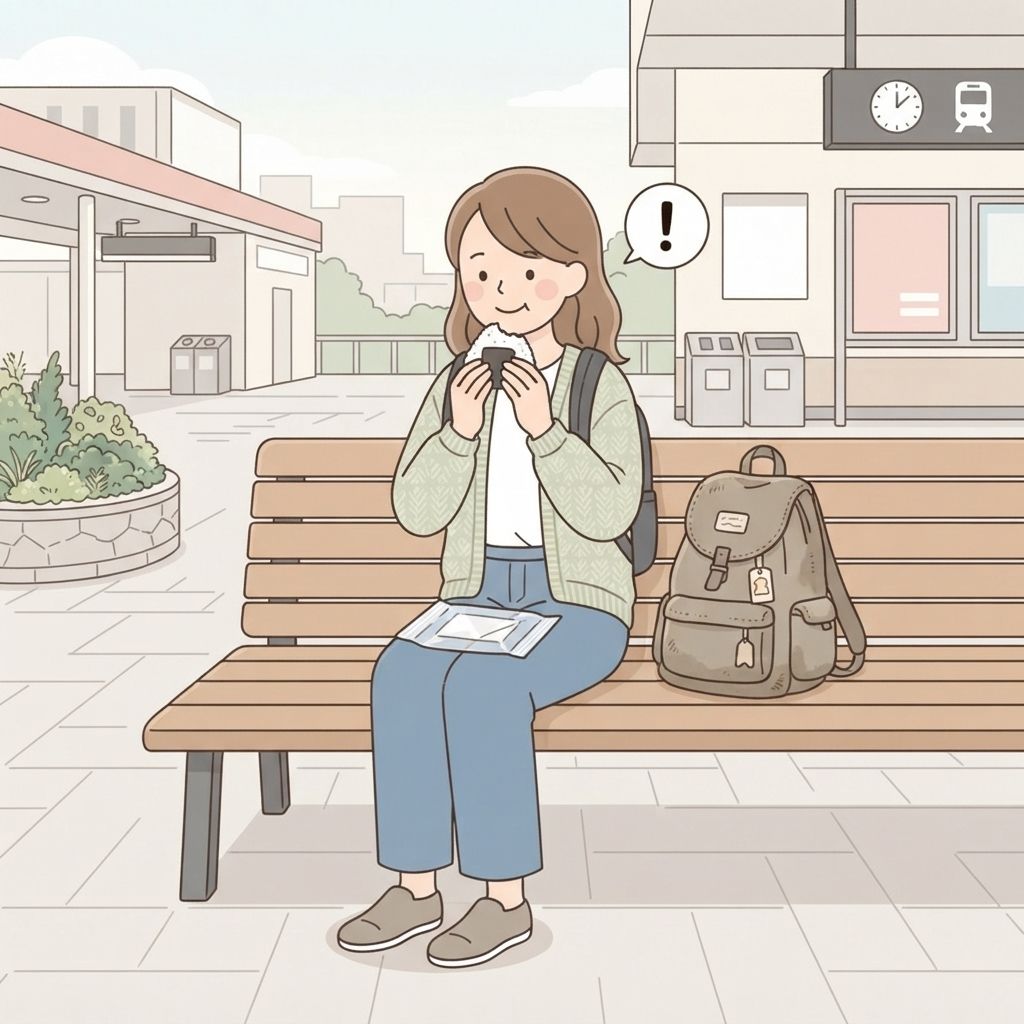
Stop at a bench, park, or station plaza and eat there, then walk on

Japan has no shortage of places to stop briefly and eat: station plazas, small public parks, benches in front of convenience stores, stand-and-eat counters at food stalls. The custom is to pause for two minutes, eat the rice ball or sandwich or whatever, and then continue walking. You stop where the food is, not where the destination is.

Walking away from a food stall with a half-eaten skewer

NG

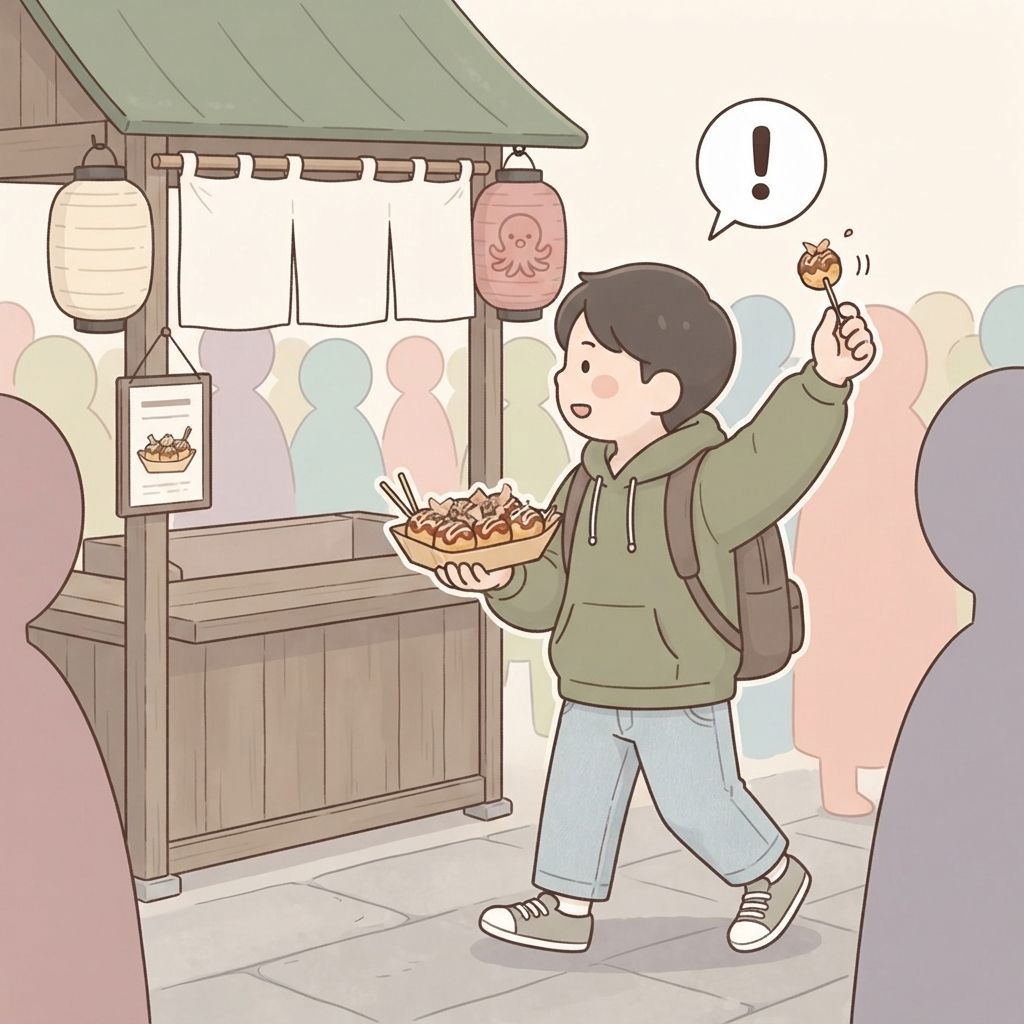
Buying takoyaki or yakitori from a stall and eating it as you wander off into the crowd

Street food stalls in Japan—yakitori, takoyaki, dango, taiyaki, all of it—come with an implicit 'please eat it here' expectation. Most stalls have a small counter or standing area right next to them, specifically so you can eat the food while it's hot and not drip sauce down the street. Wandering off with a dripping skewer of yakitori is the kind of small thing that makes stall owners sigh.

OK

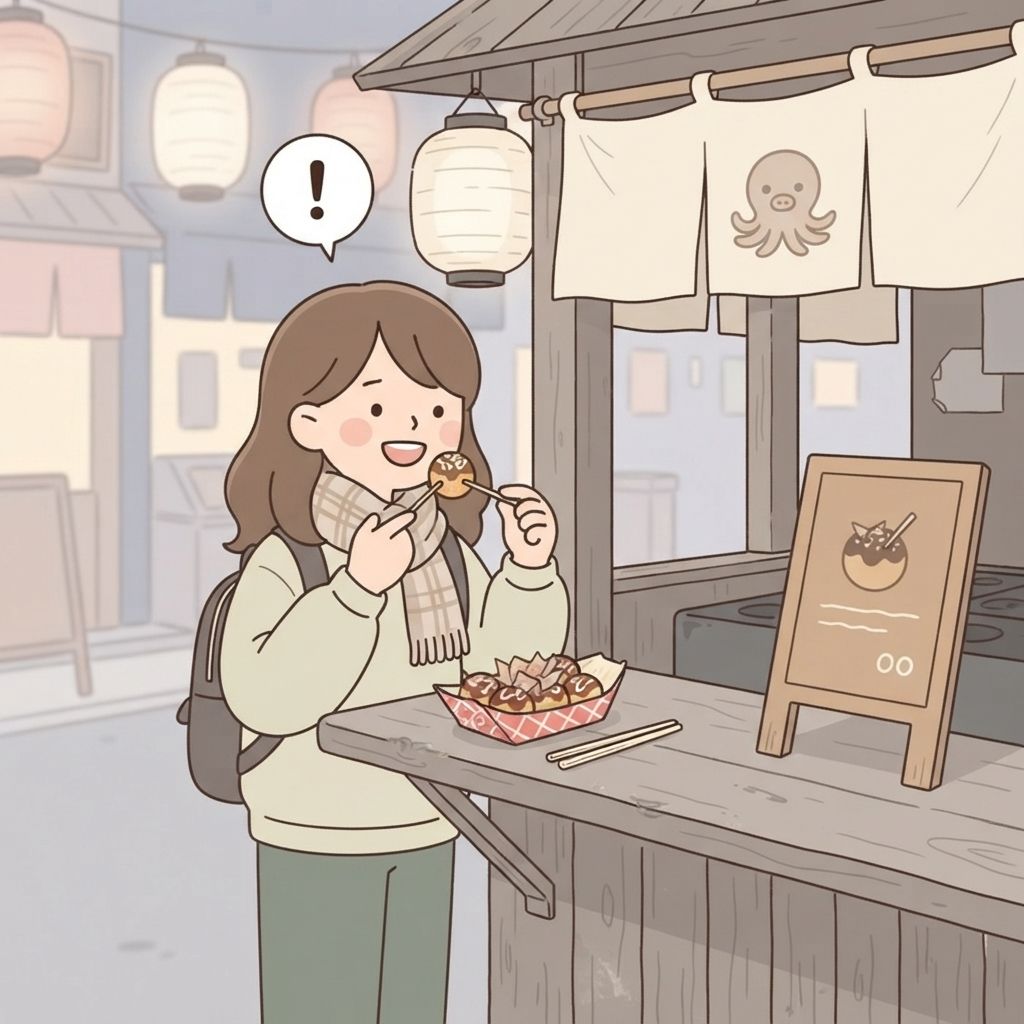
Eat it right at the stall. Most have a standing counter for exactly this

Walk up to the stall, order, and when the food is ready, eat it right there. Standing counters, little ledges, even just a designated area on the sidewalk—the stall has set up a zone for you. Finish the food, dispose of the stick or wrapper in the stall's trash, and then move on. This is part of the street food experience, not a separate chore.

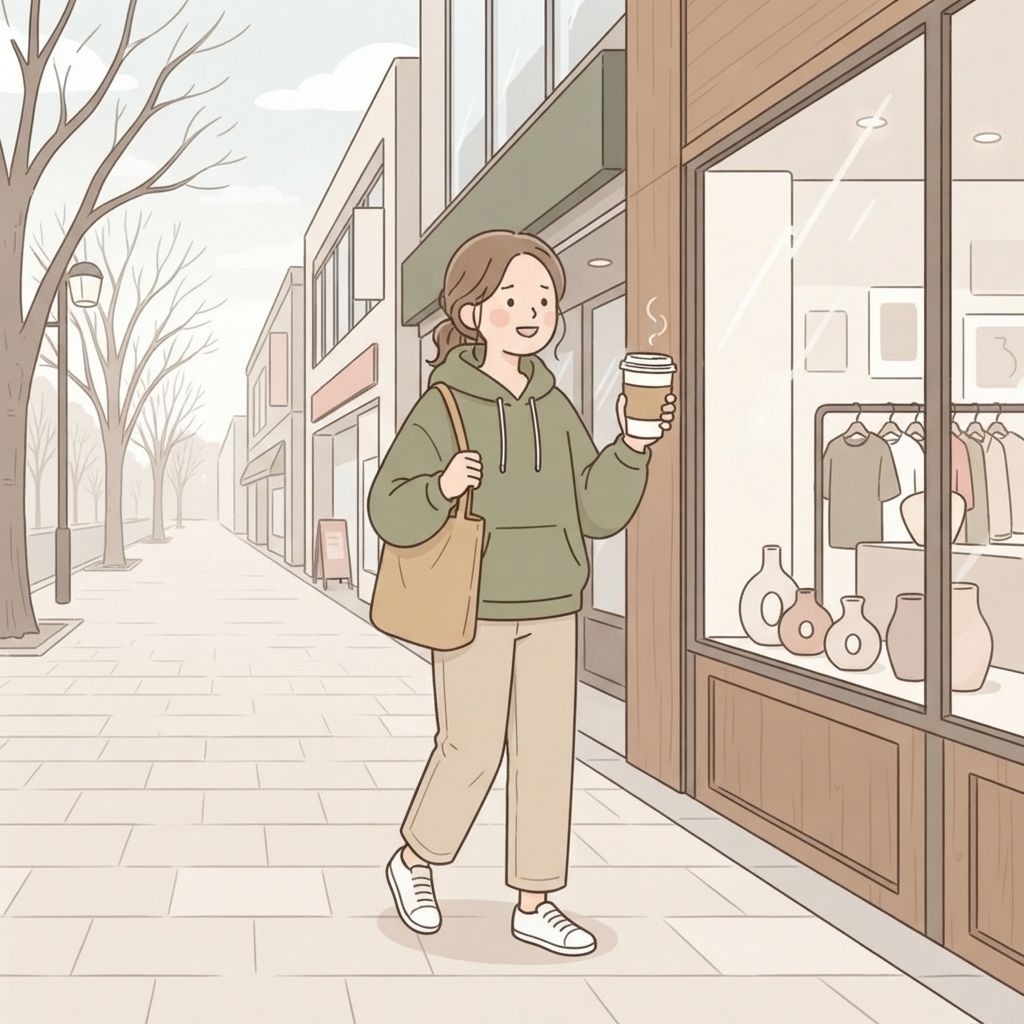
Drinking coffee while walking through a shopping district

NG

Carrying an open Starbucks cup down Omotesando as you browse

This is more nuanced than the food rule—coffee-while-walking does happen in Japan, especially in tourist-heavy areas and around cafes, but it's still less common than in the US or Europe. In residential neighborhoods, traditional shopping streets, or inside covered arcades, a cup of coffee in hand still marks you as someone moving through the space in a Western way rather than a Japanese one.

OK

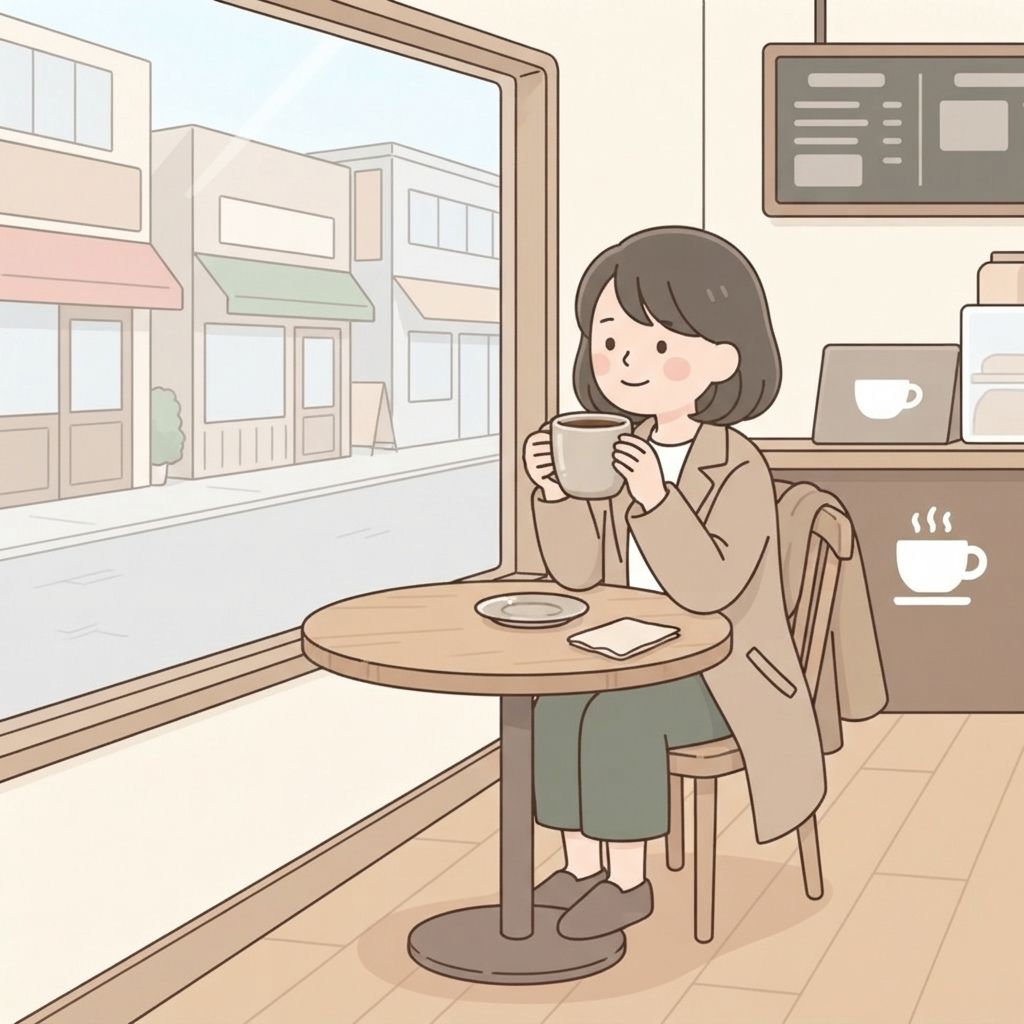
Drink at the cafe, or get it to go and drink at the destination

Most Japanese cafes have comfortable seating and are designed for you to drink there. 'For here' is the default. If you're getting takeaway, the convention is to drink it at your office, your hotel room, a park bench, or a station platform—not while you're moving through the streets. Again: the rule bends in tourist zones and near cafes, but defaults to 'drink where you stop.'

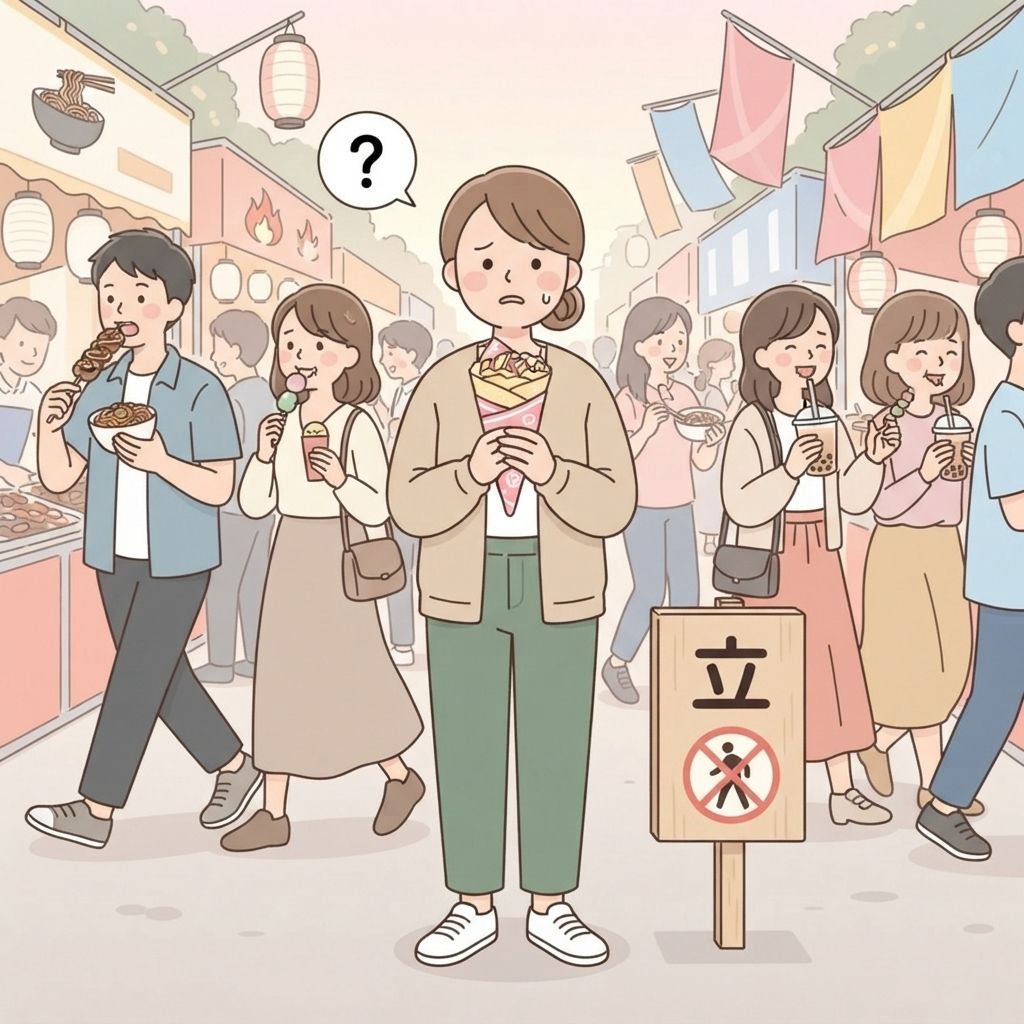
Assuming the rule applies equally everywhere

NG

Refusing to eat a street-food crepe in Harajuku because 'you're not supposed to eat while walking'

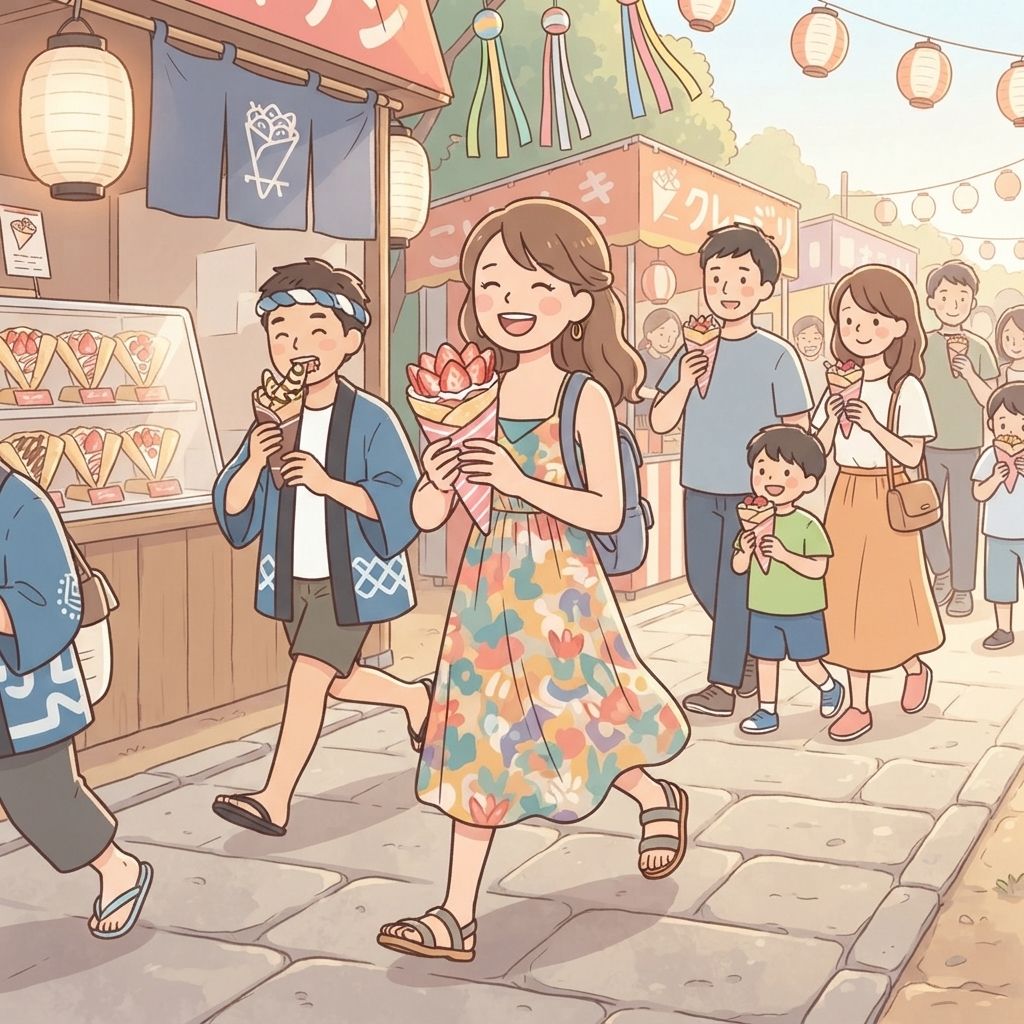
The no-walking-eating rule has exceptions. Tourist districts (Harajuku, Asakusa), festival streets during matsuri, the streets around a big summer fireworks event, and certain famous street-food lanes (Nishiki Market in Kyoto, Kuromon Market in Osaka) are all places where walking-and-eating is common and expected. Treating the rule as absolute everywhere in Japan means missing out on entire food cultures.

OK

Read the context. Festival street = walk and eat. Commuter neighborhood = stop and eat

The rule is strongest in everyday commuter and residential areas. It weakens significantly in tourist zones, at festivals, and at dedicated food streets. Look at what the locals around you are doing—if everyone else is walking with a crepe, you can walk with a crepe. If nobody is, you probably shouldn't start.

Why the street isn’t a dining room

Two things combine to make walking-and-eating stand out in Japan. First, the practical angle: there are almost no public trash cans on the street (a policy dating back to 1990s security concerns), so crumbs and wrappers have literally nowhere to go. Second, the cultural angle: food is meant to be consumed in a dedicated moment, not multitasked with movement. Together, they make a sandwich in hand on a crowded sidewalk look visibly out of place—even if the food itself isn’t messy.

Japanese streets and stations are also dense. People move through them fast. Eating while walking means you’re more likely to bump someone, drop something, or leave a trail. The rule is partly about not being that person in a tight space.

Everyday street = stop to eat. Festival street = read the crowd. The rule bends hard depending on context.

A few “nice to know” extras

  • No trash cans, anywhere — Most Japanese streets have zero public bins. If you eat while walking, the wrapper lives in your bag for the rest of the day. Another reason to just eat at the stall.
  • Convenience store eat-in spots — Many konbini have a standing counter or stools by the window for eating purchased food on the spot. Completely normal, designed for exactly this.
  • Festival rules invert completely — At matsuri, walking and eating is the entire point. Stalls line the streets, everyone’s carrying takoyaki and candy apples. Enjoy it without guilt.
  • The midnight onigiri exception — Locals sometimes eat a convenience store snack while walking home late at night in a quiet neighborhood, especially after drinking. If you’re ever going to eat while walking in Japan, an onigiri at midnight is the most forgivable version.

Quick check

Three questions to lock in when the rule applies and when it bends.

Quick check

Can you spot the right move?

  1. Q1 Is it okay to eat a rice ball while walking to the train station in a residential neighborhood?

  2. Q2 Should you eat street food (yakitori, takoyaki) at the stall where you bought it?

  3. Q3 Is walking and eating ever normal in Japan?