Omamori: Japan's Shrine Charms (Don't Open Them)

An omamori is a small fabric pouch with a blessed prayer inside. One rule: never open the pouch. Opening it is said to release the protection.

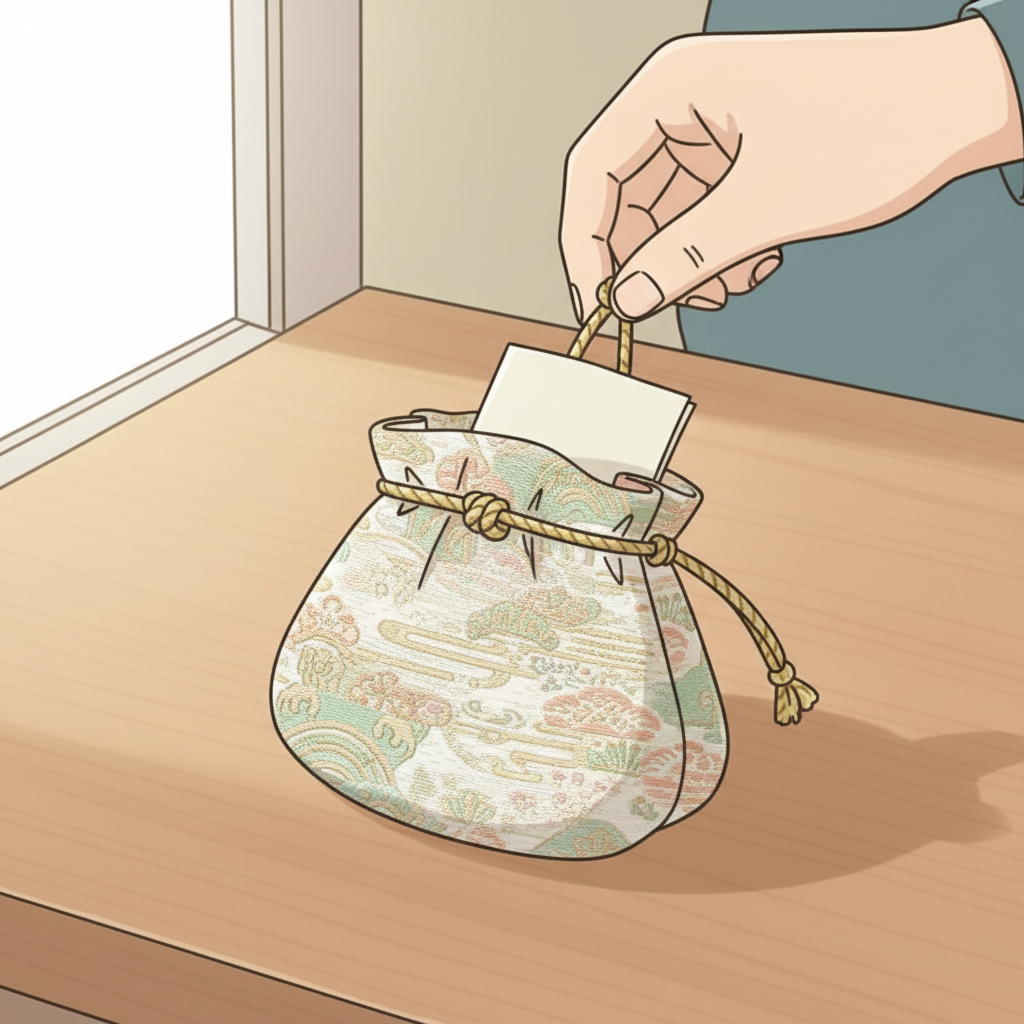
Opening the omamori pouch to see what's inside

NG

Untying the small knot and peeking inside the fabric pouch

Omamori are small fabric pouches, often brocade or embroidered silk, containing a paper or wooden slip inside with a prayer or invocation written on it by a shrine priest. The tradition holds that opening the pouch releases the protection and renders the charm powerless. Tourists who don't know this sometimes untie them out of curiosity—it's such a natural move that it happens all the time. But it nullifies the omamori.

OK

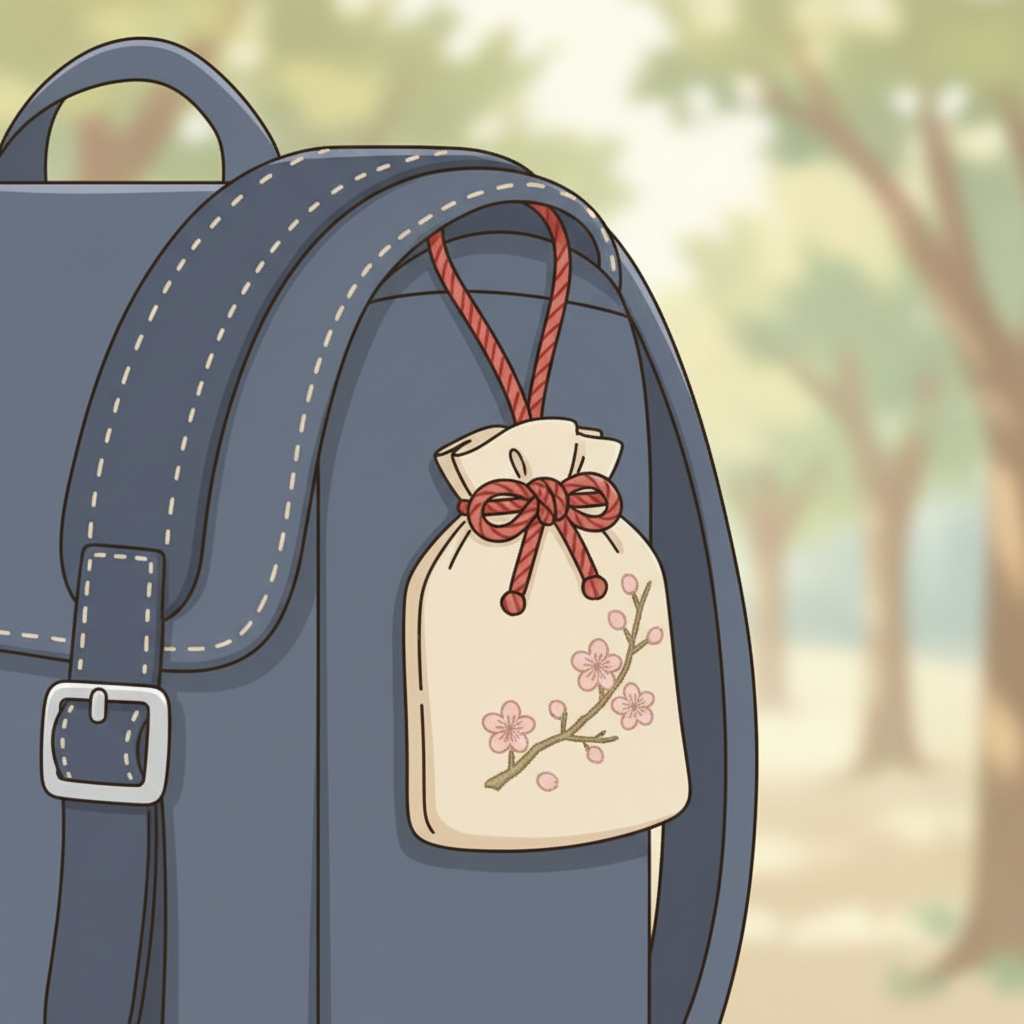
Leave the pouch sealed. The blessing is inside, working

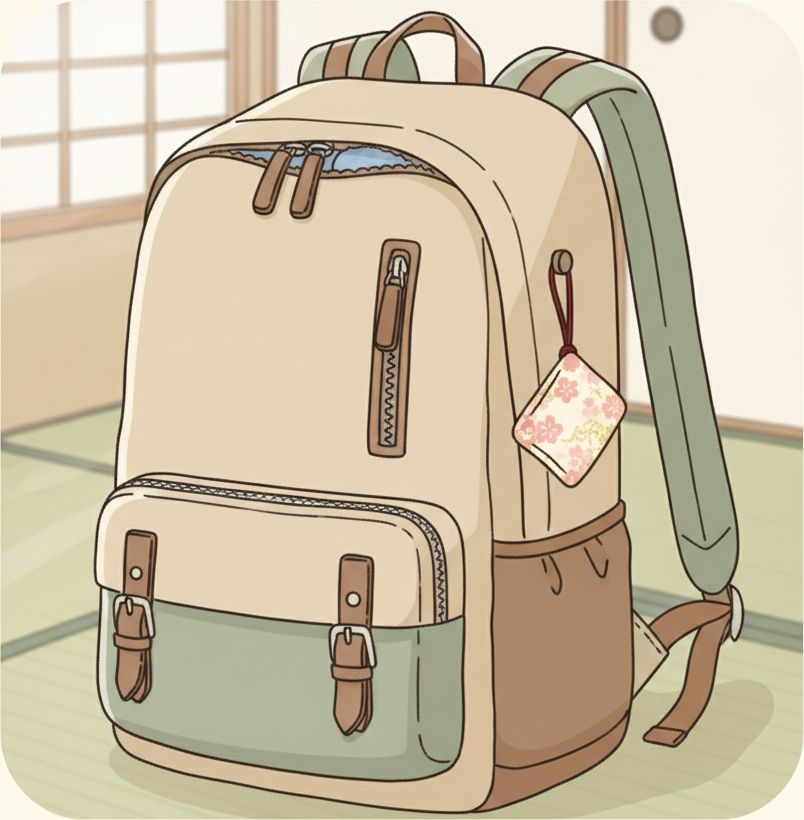
The charm works by being carried around, not by being understood. Keep the omamori closed and attached to your bag, wallet, keychain, or the inside of your suitcase. Don't untie it, don't open it, and don't try to figure out what the specific words inside are. The mystery is part of the mechanism.

Carrying an expired omamori indefinitely

NG

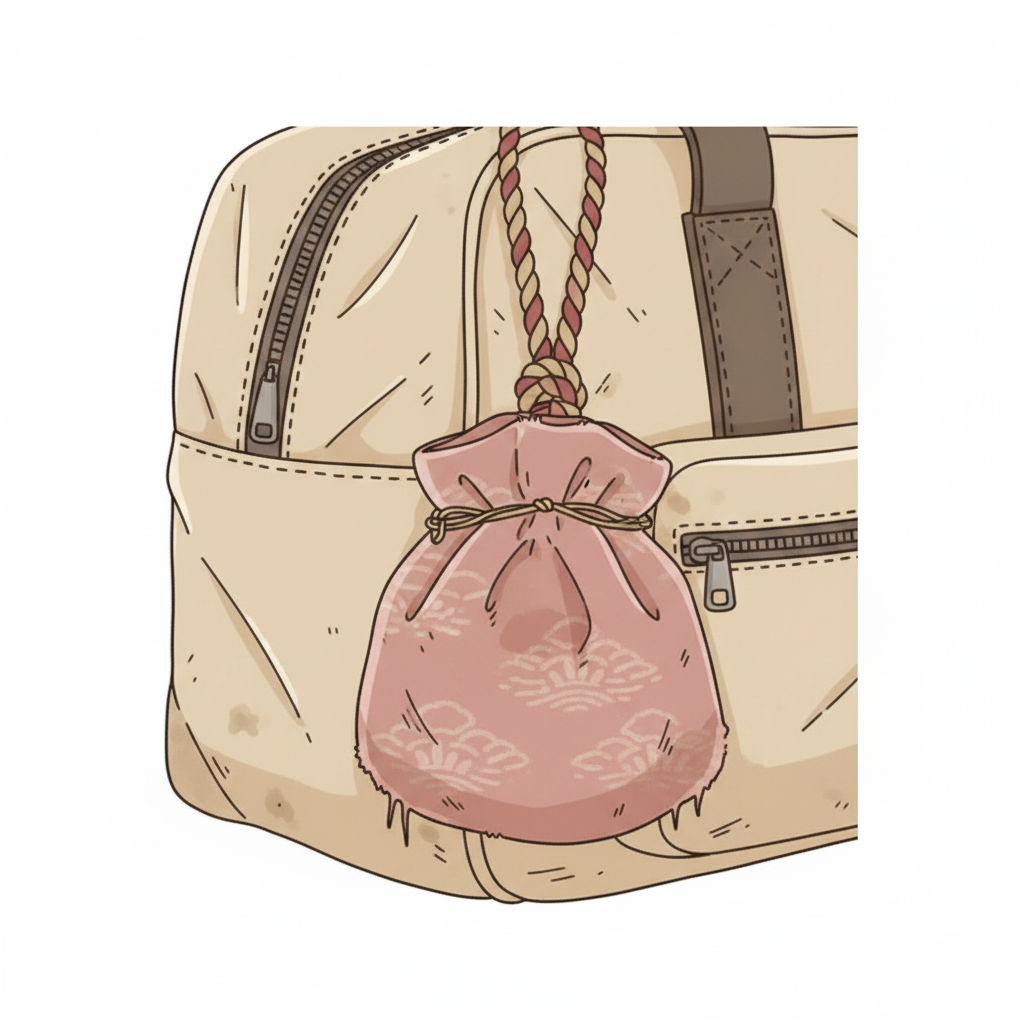
Keeping the same omamori on your bag for years without returning it

Omamori are traditionally valid for one year from the date you receive them. After a year, the blessing is considered spent, and the charm should be returned to a shrine (ideally the same one you got it from) to be respectfully burned in a purification ceremony. Carrying a years-old omamori isn't harmful, but it's the equivalent of keeping expired medicine in your bag—it's no longer serving its purpose.

OK

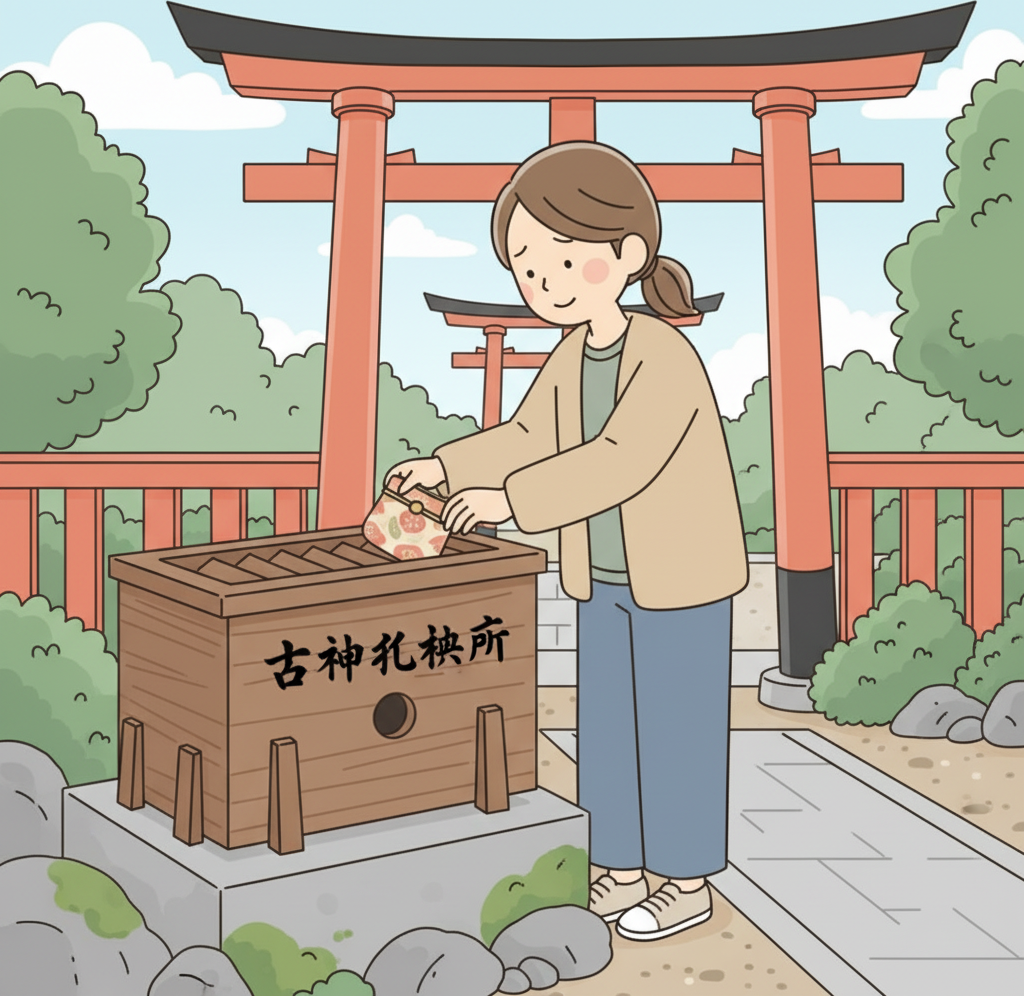
Return old omamori to a shrine for burning, especially at New Year

Bring your old omamori back to the shrine and look for the small wooden box or designated area marked 古神札納所 (kofuda osame-sho, 'old charms return area'). Drop the old charm in. At New Year's (specifically around January 1-15), most shrines hold a purification fire where old charms, arrows, and other sacred items are ritually burned. This is the ideal time to return and replace omamori.

Buying an omamori for the wrong purpose

NG

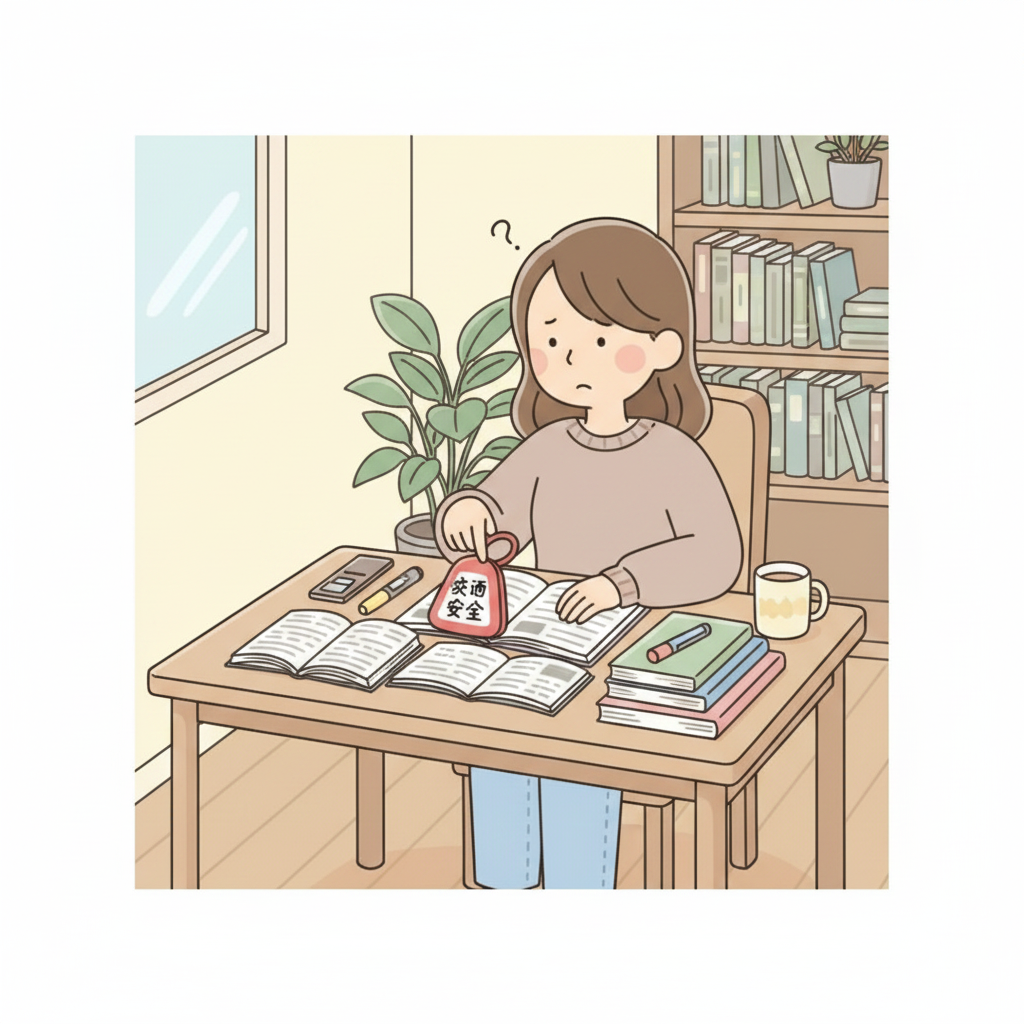
Buying a 'traffic safety' (交通安全) omamori when you wanted one for exam success

Omamori come in many specific types, each for a particular purpose—traffic safety, health recovery, exam success, safe childbirth, romantic success, financial prosperity, and so on. Shrines label them clearly in Japanese. Tourists sometimes grab the prettiest one without checking what it's for, and end up with a traffic safety charm on their study desk or a safe-childbirth charm on their car keys.

OK

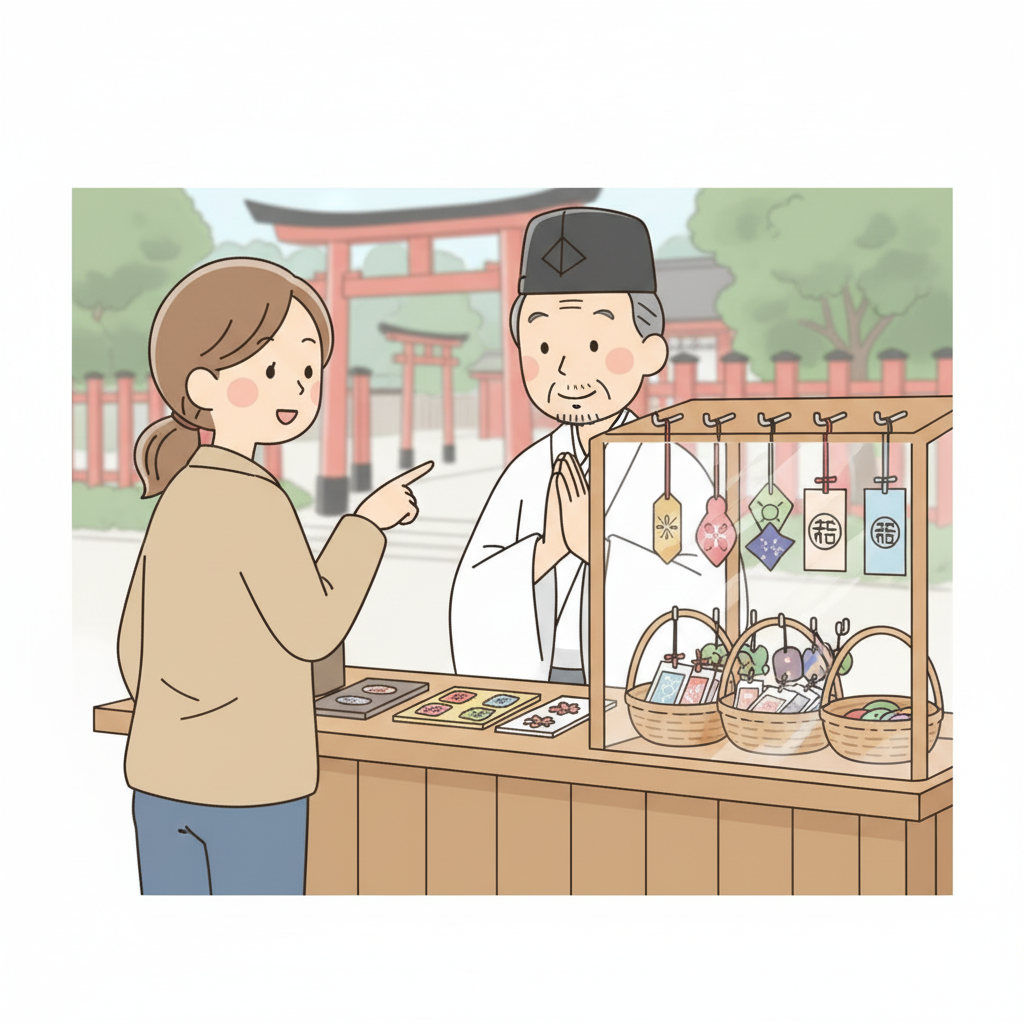
Read the label, or ask the shrine attendant which charm you need

Each omamori has a label showing its specific purpose. Common ones: 交通安全 (kōtsū anzen, traffic safety), 学業成就 (gakugyō jōju, academic success), 健康 (kenkō, health), 恋愛成就 (ren'ai jōju, romantic success), 金運 (kin'un, financial luck), 安産 (anzan, safe childbirth), 商売繁盛 (shōbai hanjō, business prosperity). Ask the attendant 'XX no omamori wa arimasu ka?' (Do you have an omamori for XX?) and they'll point to the right one.

Treating omamori as souvenirs to collect

NG

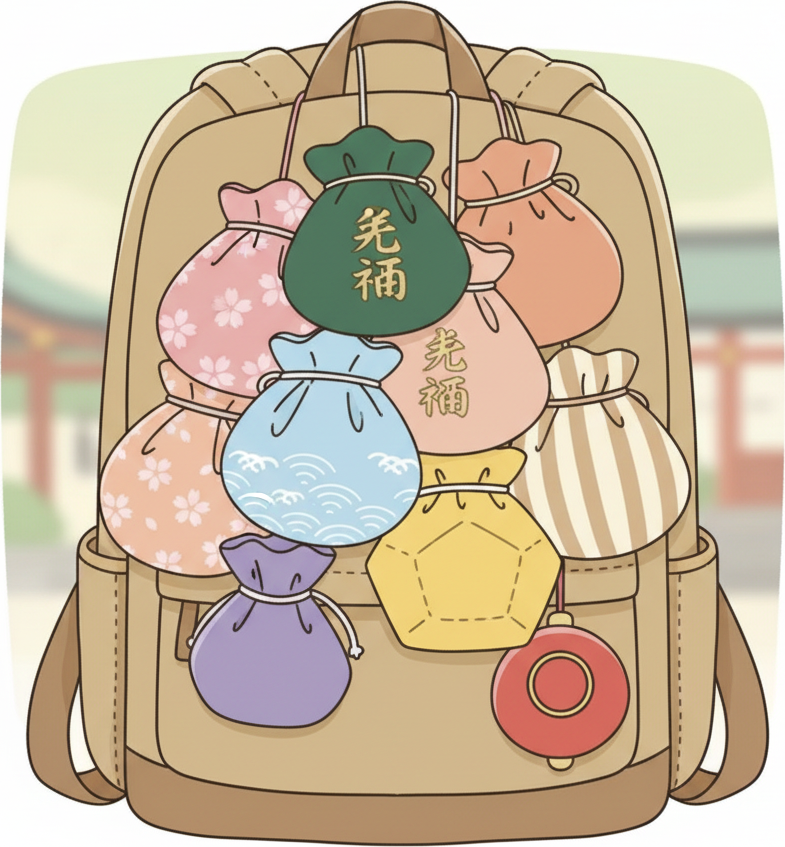
Buying a dozen omamori from different shrines and hanging them all on one bag

Omamori are specifically blessed charms, not trinkets. Collecting them from every shrine you visit as a tourist collection is a small category mismatch—the charm has a purpose and a valid period, and hanging ten of them on one bag dilutes the meaning. Some practitioners also believe that mixing charms from competing shrines or different deities can cancel out their effects, though this view isn't universal.

OK

Pick one or two that actually apply to your situation

Choose an omamori for something you genuinely want protection or luck for—a big trip, an important exam, a health situation, a new business. One well-chosen charm is better than a dozen collected like Pokémon. If you want a souvenir from multiple shrines, buy different items: stamped goshuin scrolls, paper ofuda, small figurines, or charms designated as souvenirs rather than active protective omamori.

Why you’re not supposed to peek inside

An omamori isn’t a souvenir pouch with a fun surprise inside—it’s a sealed blessing. A priest consecrates a small inscribed paper or wooden slip, places it in the fabric pouch, and ties it shut. The seal is the mechanism. Opening it doesn’t reveal anything interesting to look at; it just breaks the protection. Think of it less like unwrapping a gift and more like popping the seal on a parachute you haven’t jumped with yet.

The one-year expiration is the other half of the logic. Blessings aren’t permanent—life shifts, the charm’s energy is considered spent after a year, and returning it to be burned in a New Year purification fire completes the cycle. New charm, new year, new protection.

The whole system in three words: sealed, carried, returned.

A few “nice to know” extras

  • Where locals carry them — Bag strap, school backpack, rearview mirror for traffic safety charms, tucked in a wallet, or on a home desk. The placement usually matches the purpose—study charm near the study area, travel charm on the suitcase.
  • Famous shrine specialties — Yushima Tenjin in Tokyo for exam success, Izumo Taisha in Shimane for romance, Fushimi Inari in Kyoto for business prosperity. If you want a specific type, there’s probably a shrine famous for exactly that.
  • Returning a charm you bought far away — Can’t get back to the original shrine? Any shrine of the same tradition (Shinto for Shinto, Buddhist for Buddhist) will accept old omamori for the purification fire. Look for the wooden return box marked 古神札納所.
  • It’s not technically a “purchase” — Shrines describe the exchange as 初穂料 (hatsuho-ryo, “first fruits offering”), not a price. The distinction is linguistic, but it matters to the tradition.

Quick check

Three questions to lock in the omamori rules. Takes about 20 seconds.

Quick check

Can you spot the right move?

  1. Q1 Are you supposed to open the omamori pouch to see the blessing inside?

  2. Q2 Do omamori have a limited lifespan?

  3. Q3 Do all omamori serve the same general purpose?