Why painted lines run a train system
Japanese rail moves millions of people through narrow platforms with trains only a few minutes apart. One train arrives, unloads, loads, leaves — next train pulls in. If passengers kept breaking the boarding pattern at a station like Shinjuku, trains would start running late.
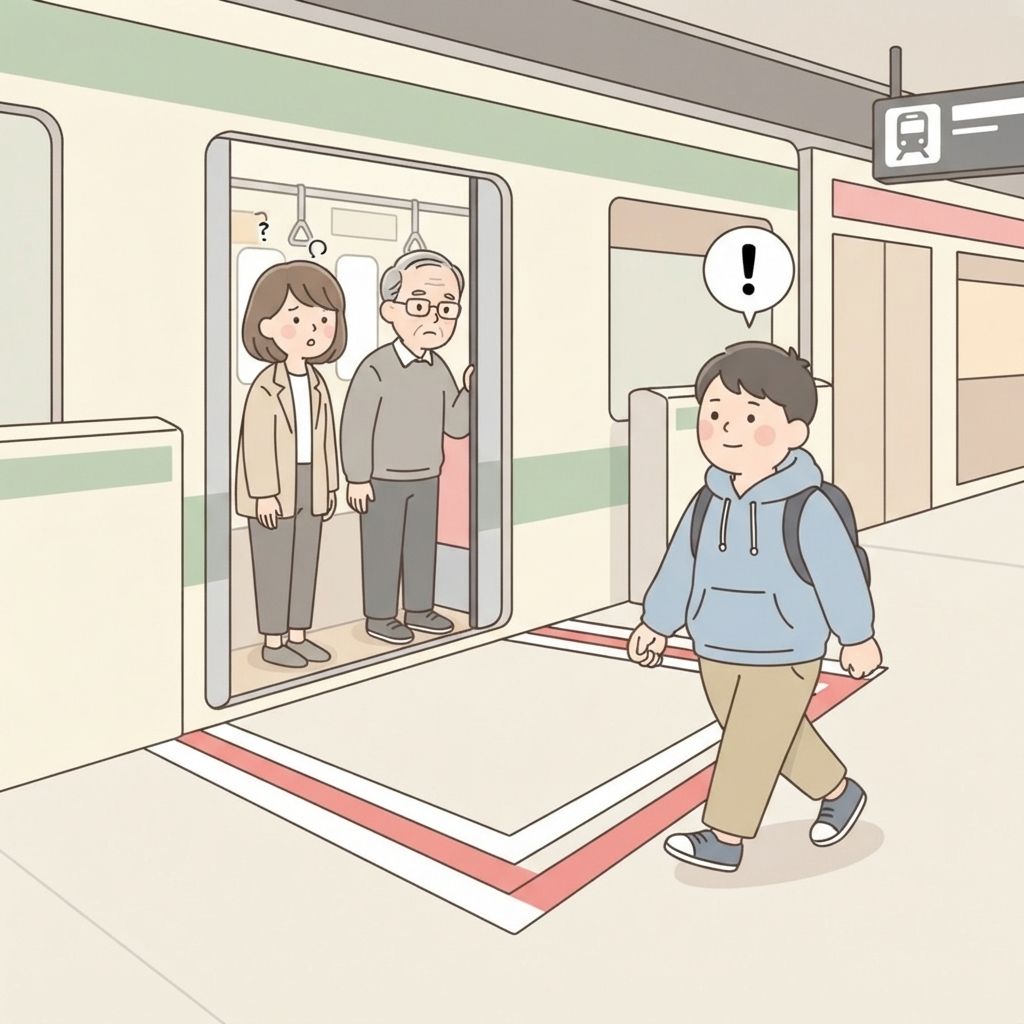
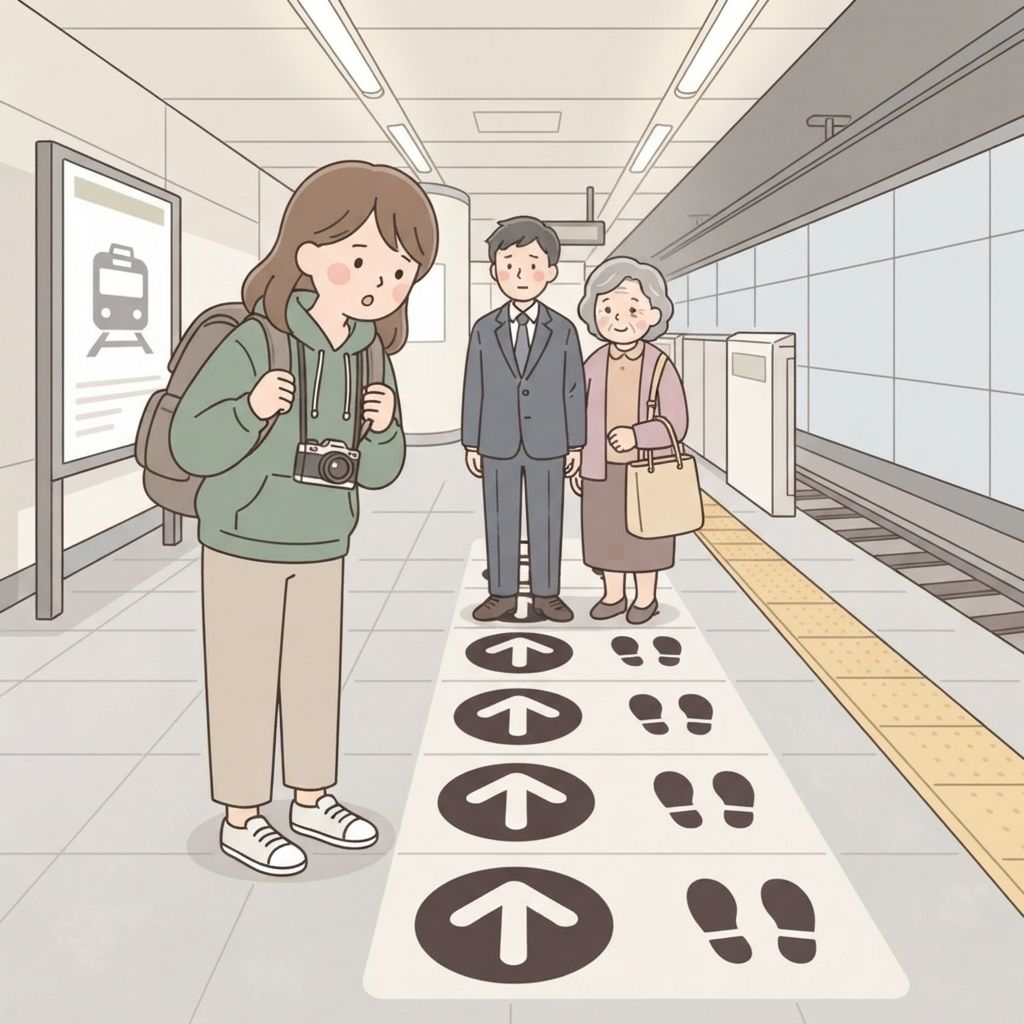
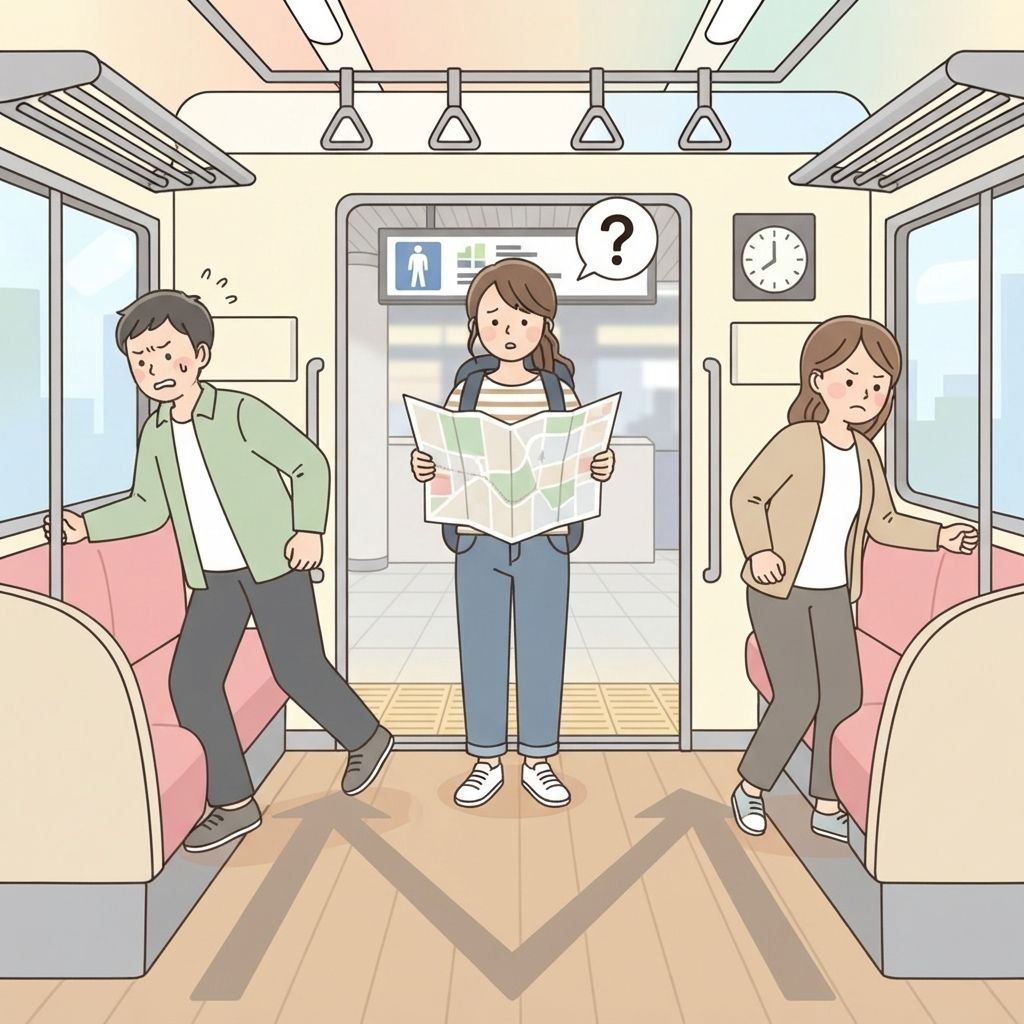
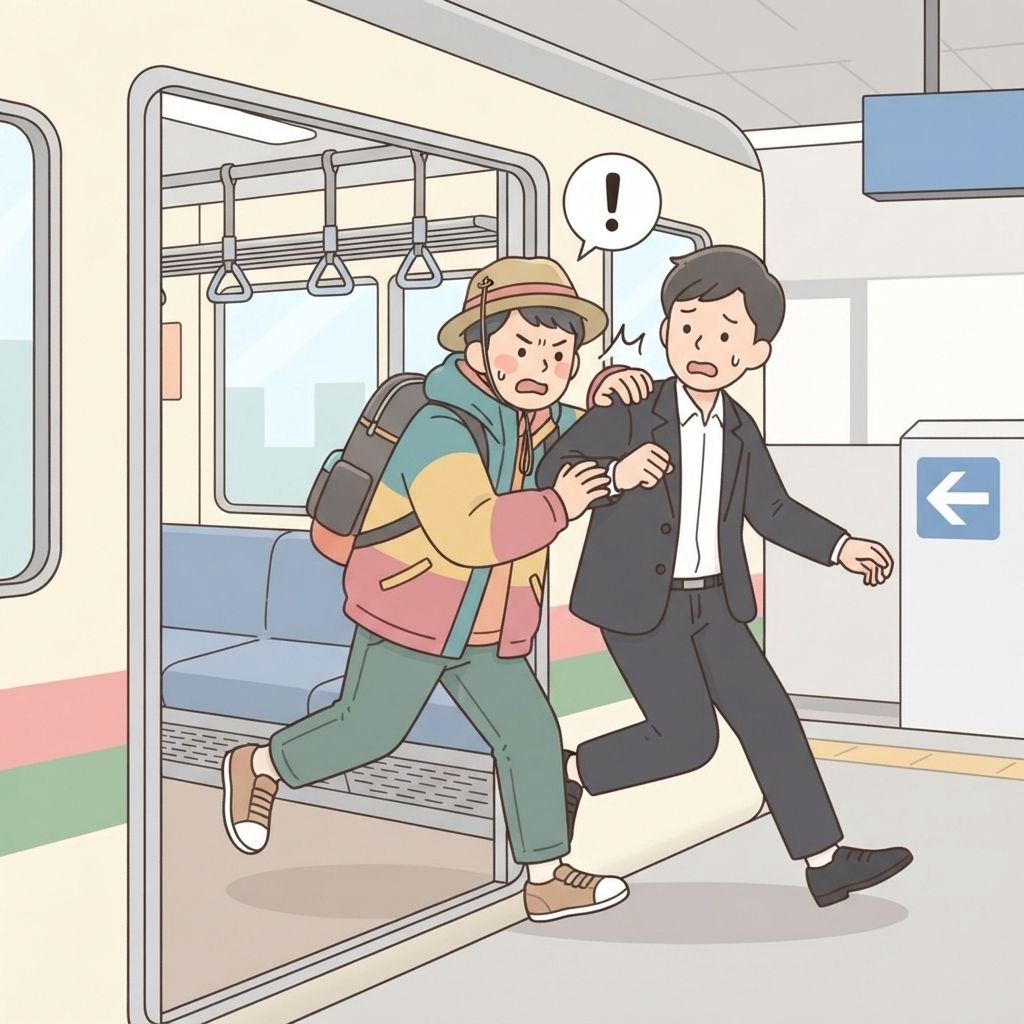
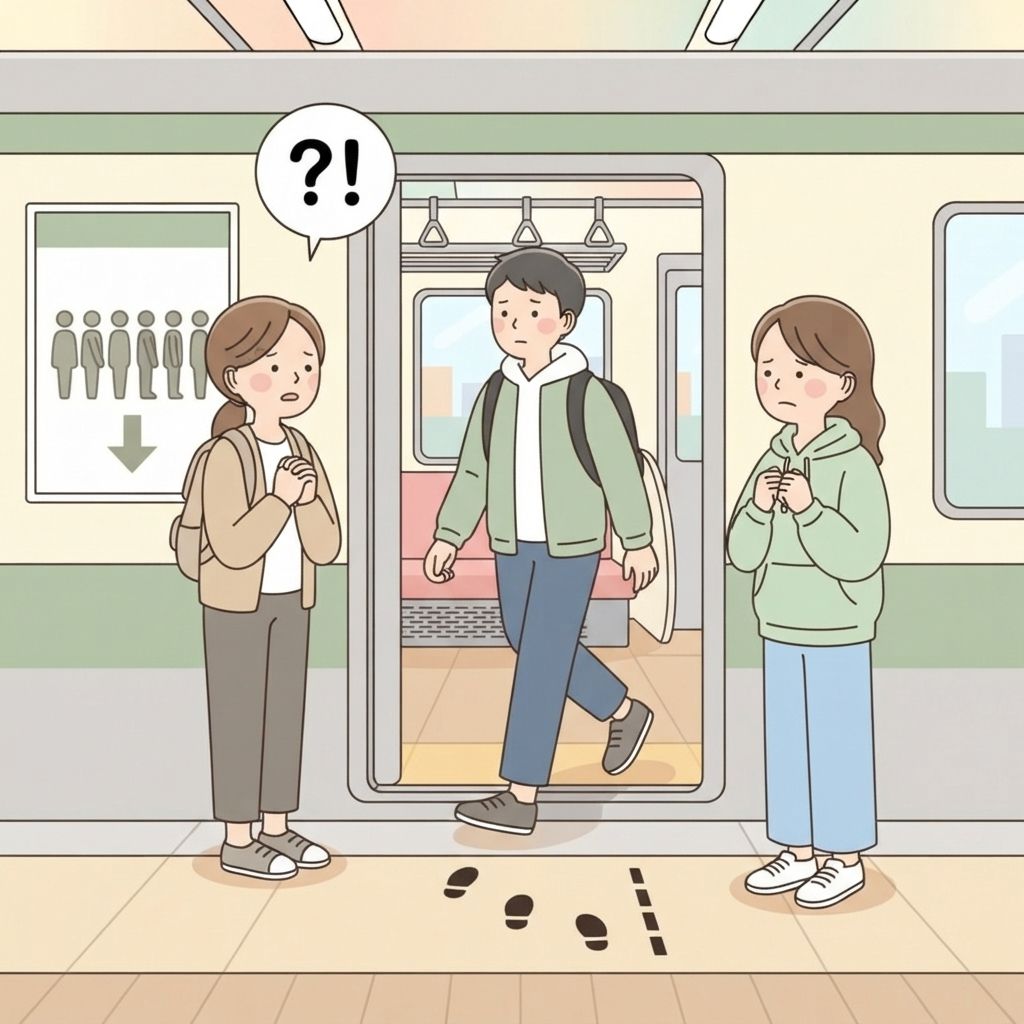
The painted lines are an engineering fix to a choreography problem. They mark where the doors will stop and where to queue so exiting passengers can walk past you. It’s not politeness theater — it’s a big part of how the system keeps moving.
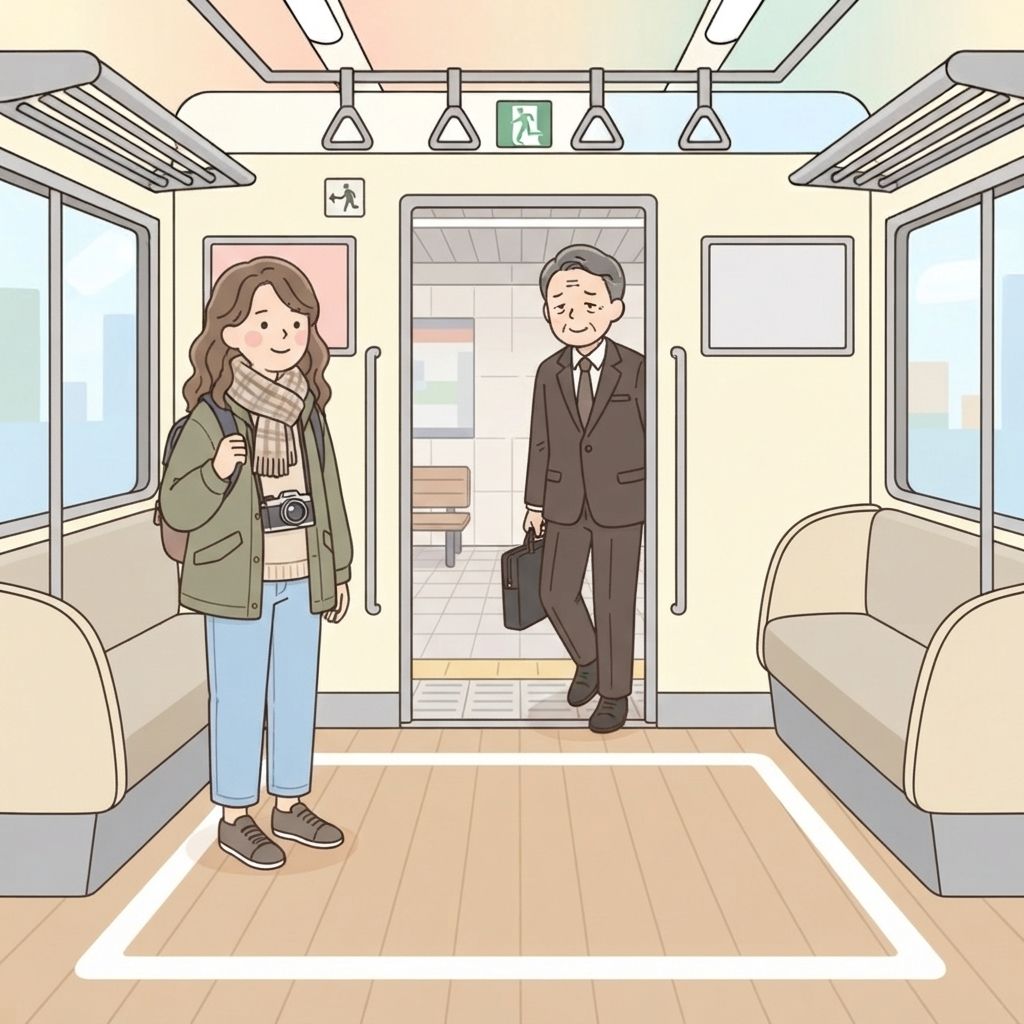
Stand on the line. Let them out. Then board. That’s the whole thing.
A few “nice to know” extras
- Different markings for different train types — Some platforms mark separate queue spots for different train types (local, express, and so on) or for different lines sharing the platform. If you’re unsure which is yours, check the signs or ask station staff.
- Women-only cars — Many urban lines designate a women-only car, marked with signs on the platform and on the train itself. Men: don’t queue there during the posted hours. In the Tokyo area it’s usually weekday mornings only; some lines, especially in the Kansai region, run it all day — check the sign.
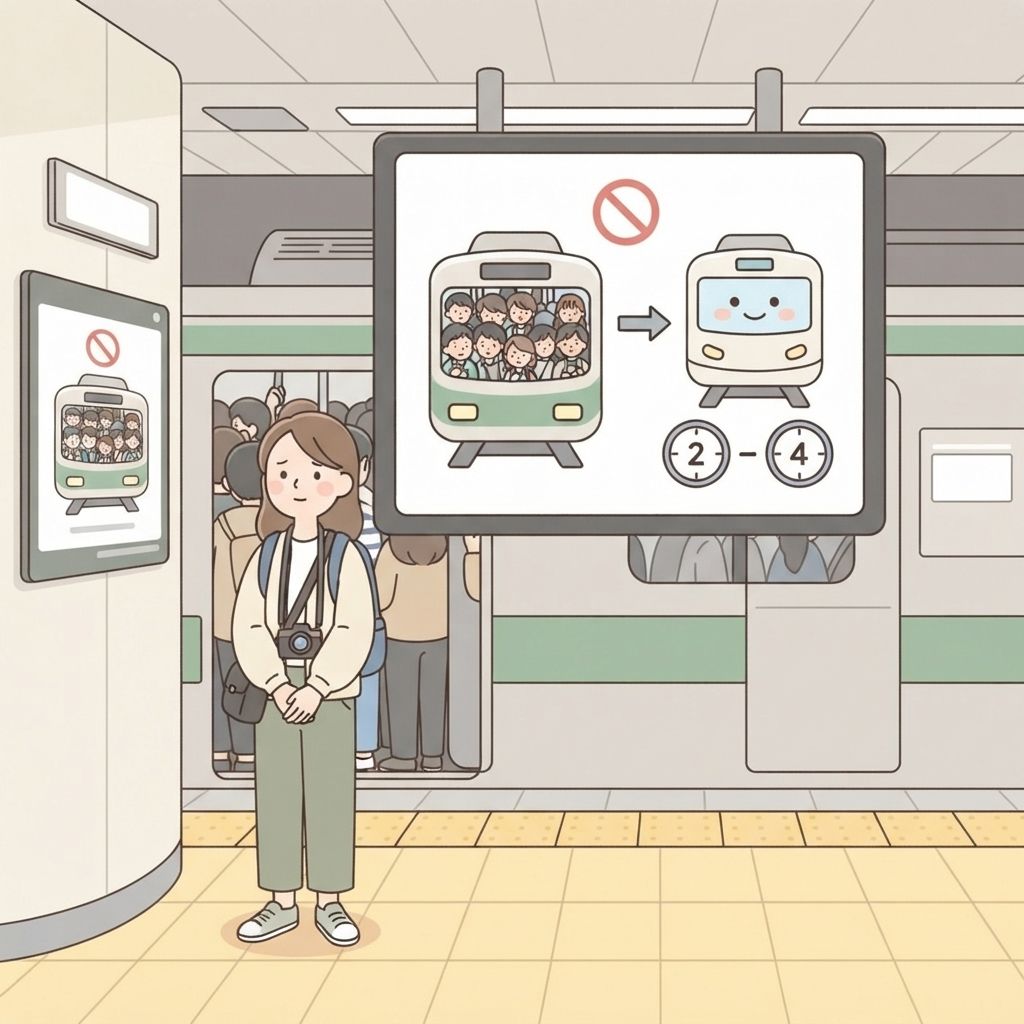
- Separate lines for this train and the next — Some busy stations mark one queue spot for the train about to leave and another for the one after it. Follow what’s painted and what the people around you are doing.
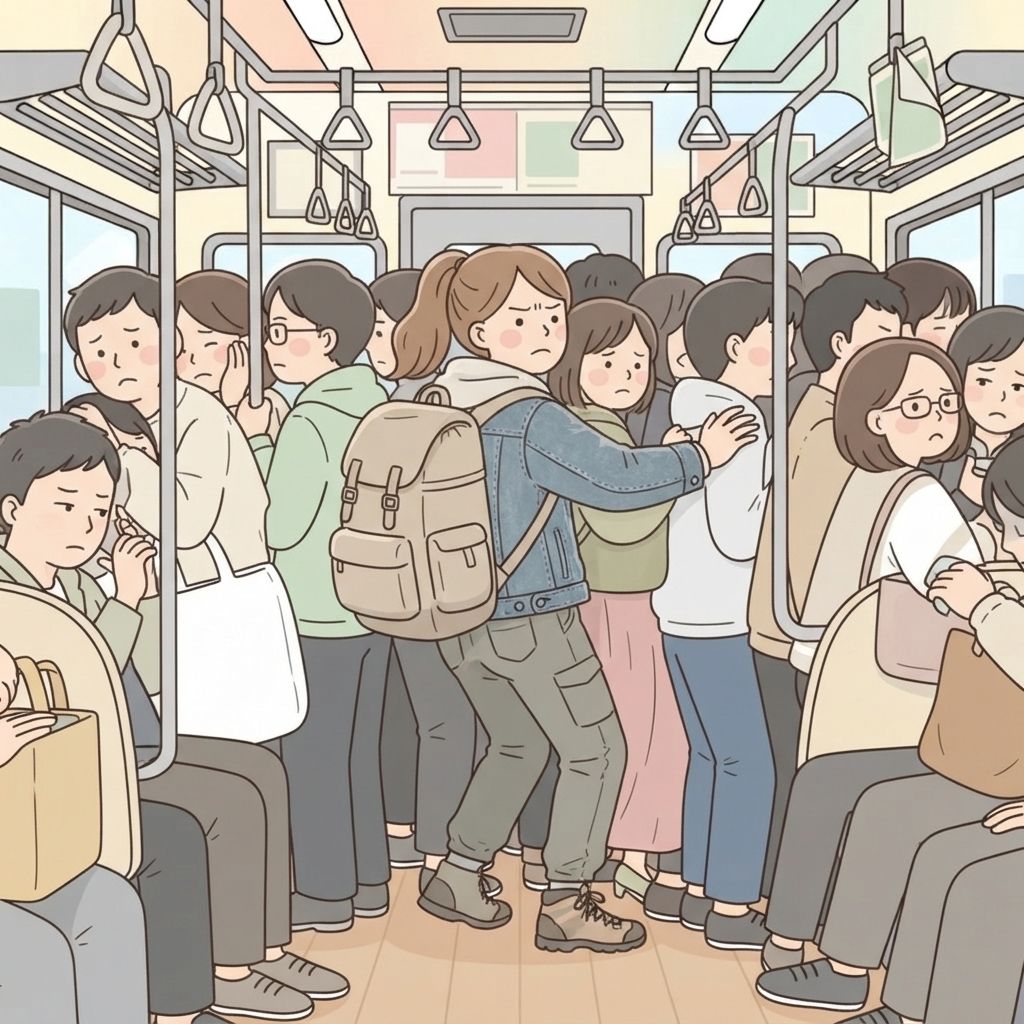
- The last train is still a queue — Most lines stop running around midnight, and the last train is often packed with late-night workers and tipsy office workers. The queue system still holds — barely. Don’t be the one who breaks it at 11:58pm.
Quick check
Three questions to lock in the platform queuing instinct.