Why the line is law
A lot of everyday life in Japan runs on the assumption that everyone queues and nobody cheats. Train platforms, ramen shops, convenience store registers, crowded shrine visits at New Year’s — the line is the line, and it moves because people trust it.
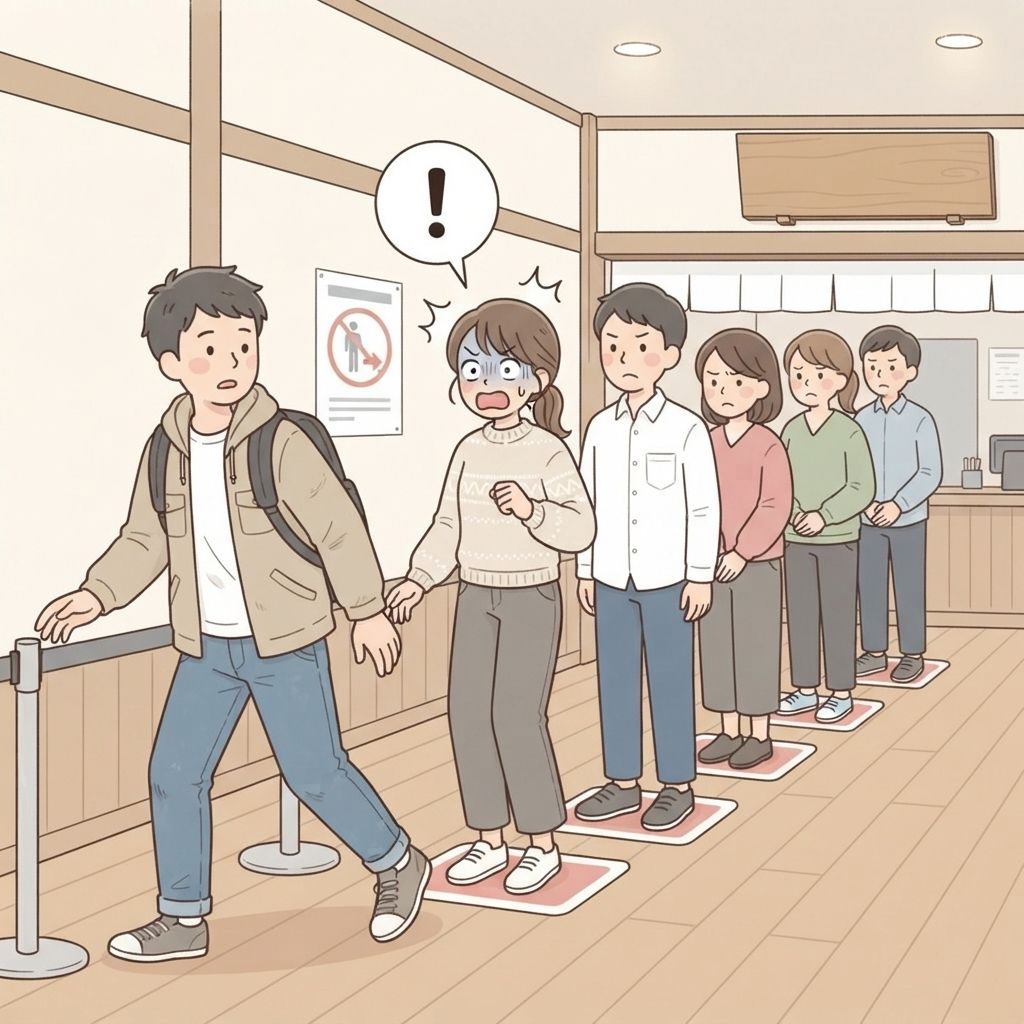
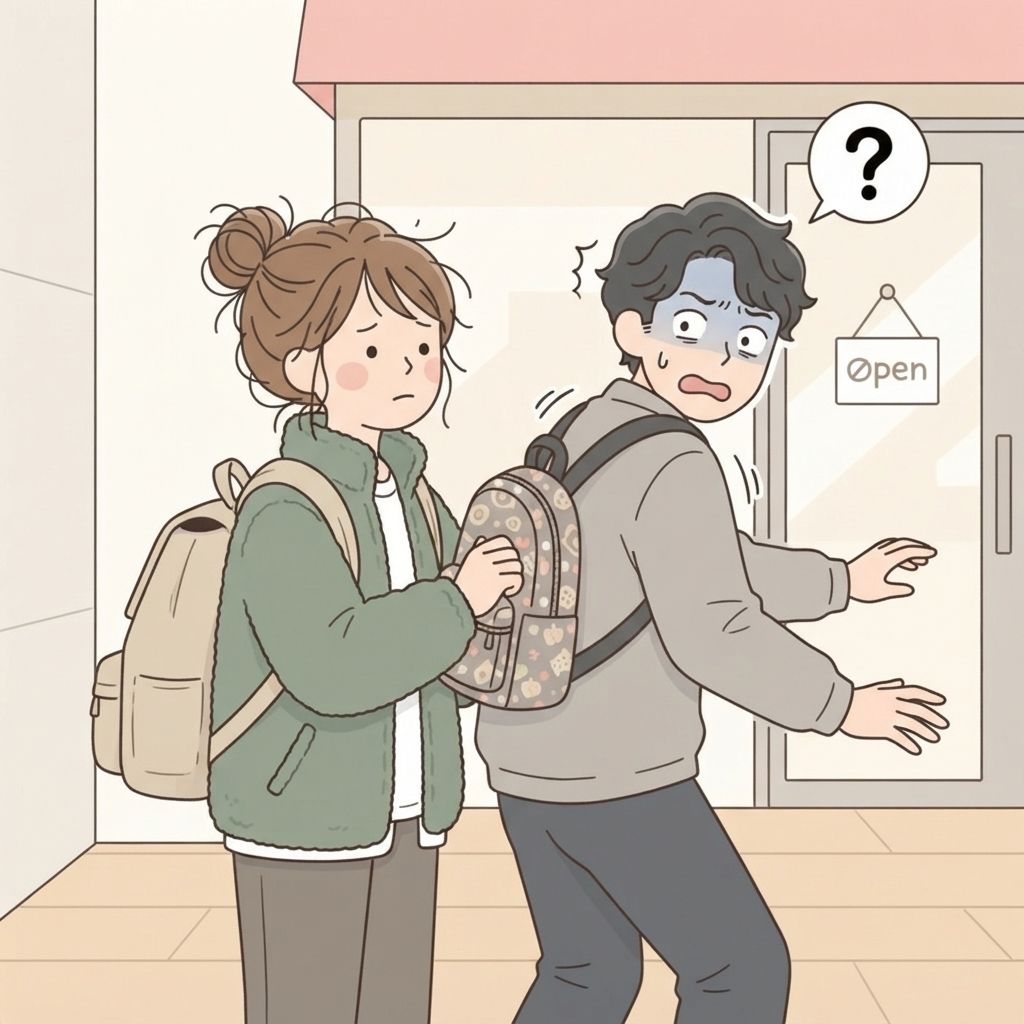
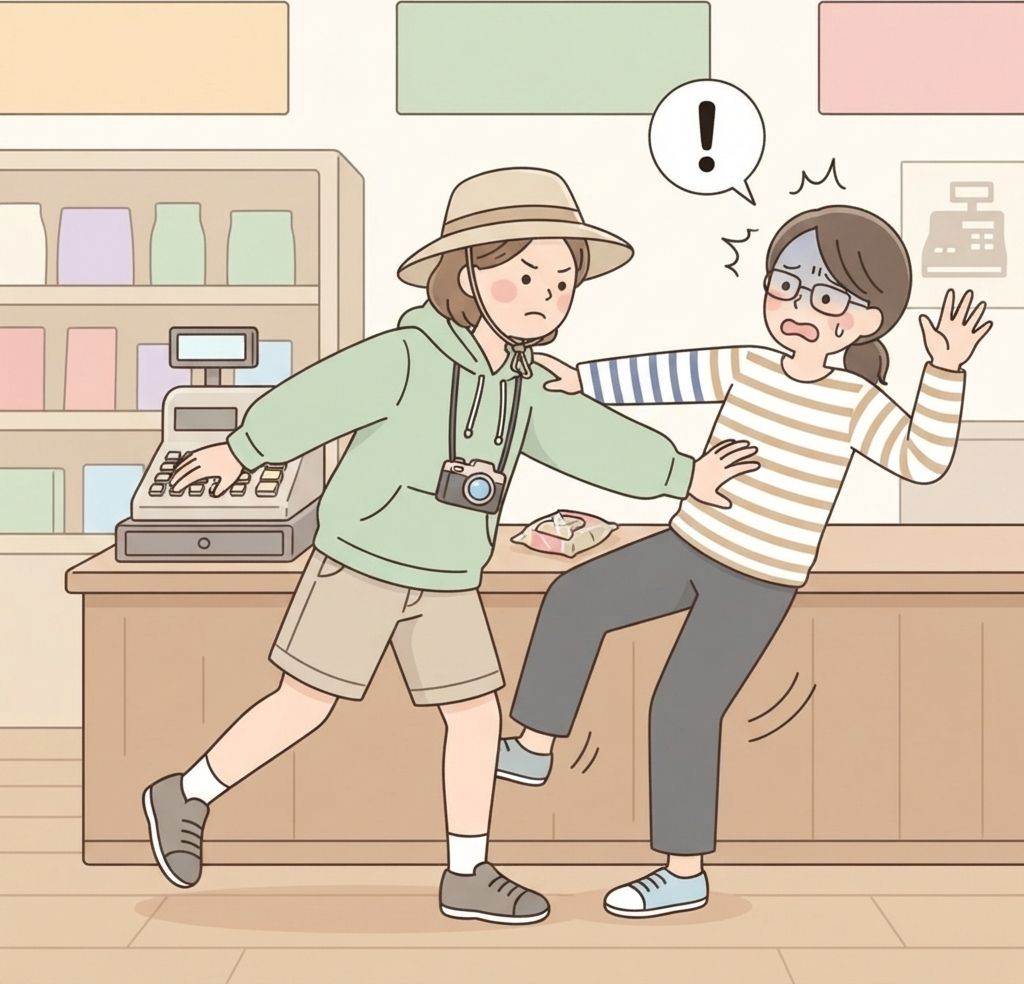
When someone cuts, that trust breaks. Which is why queue-cutting is one of the behaviors in Japan most likely to get you a verbal correction — from a stranger or from staff. In a culture where people rarely confront each other in public, line-cutting is one of the exceptions.
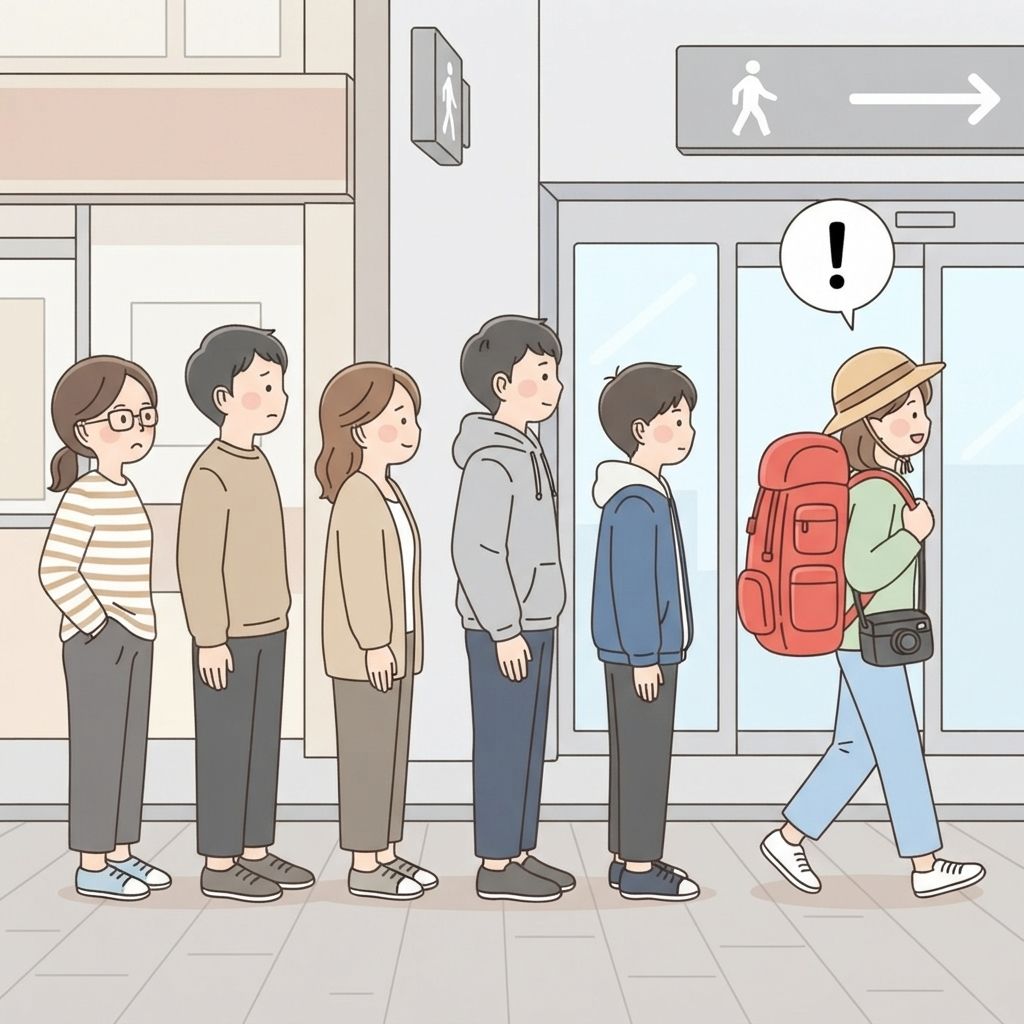
Find the end, join it, wait. That’s the entire system.
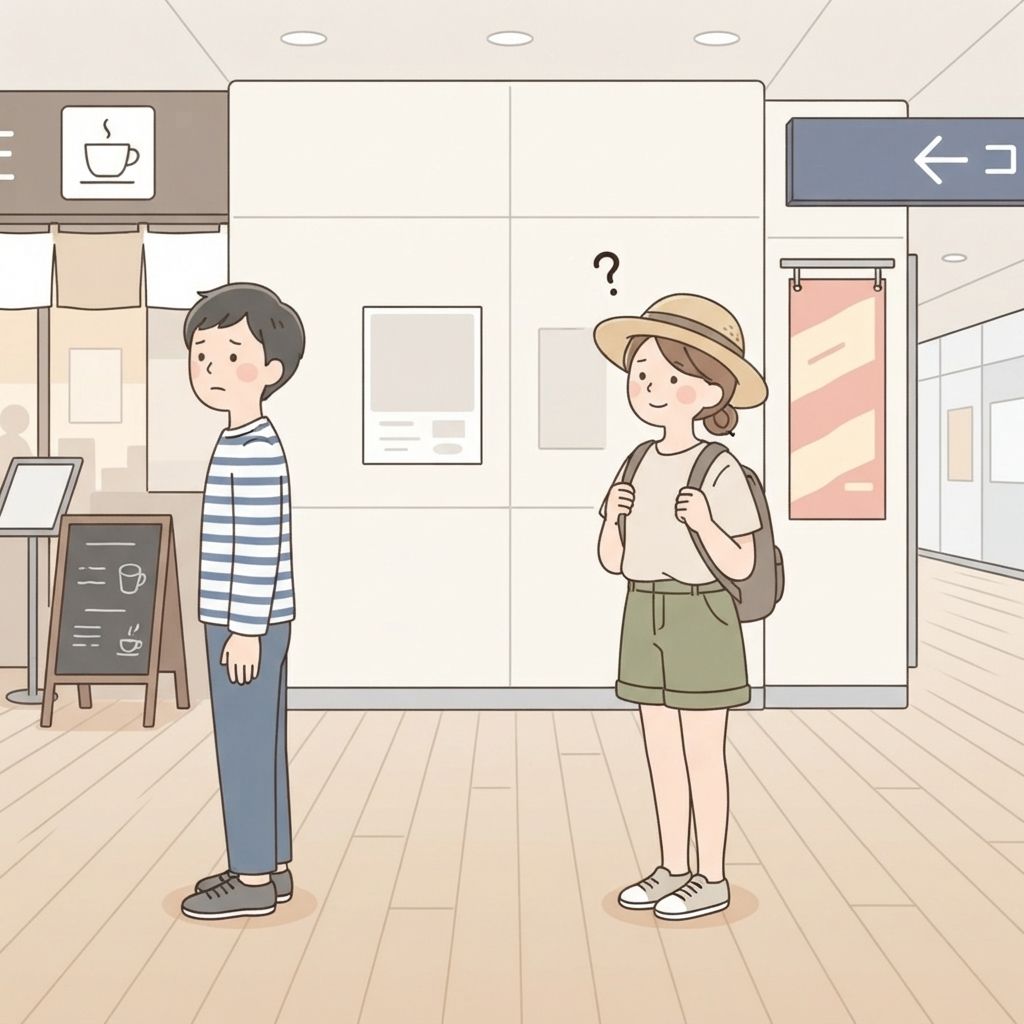
How to find the end of a long queue
- Look for staff or signs — Popular spots (ramen shops, theme parks, festival stalls) often have staff or signs marking the line’s path around corners and along walls.
- Ask “koko ga saigo desu ka?” — Means “is this the end?” The last person in line will nod or say “hai.” Works even with terrible pronunciation.
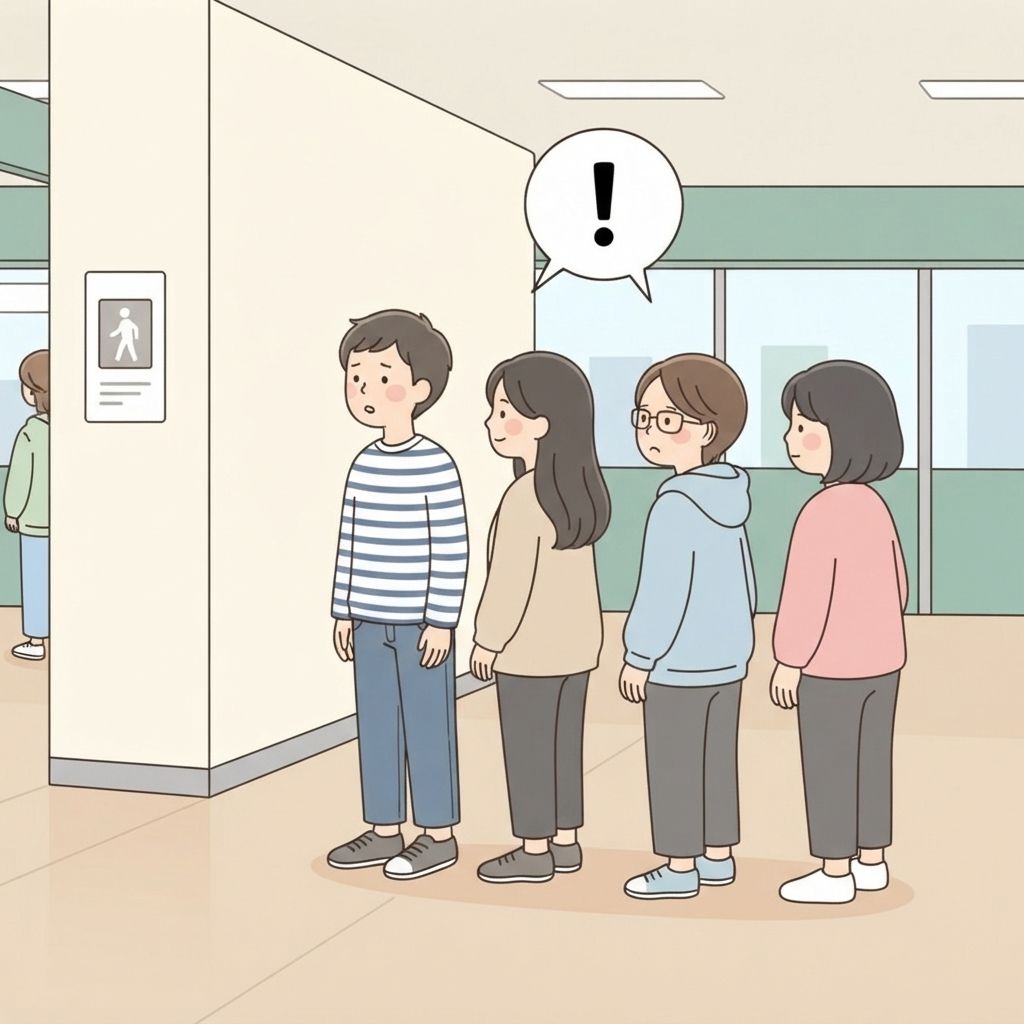
- Don’t join mystery queues blind — You’ll occasionally see a line forming at an unmarked door or random corner. It’s fine to ask “nan no gyouretsu desu ka?” (“what’s this line for?”) before committing.
A few “nice to know” extras
- Leave a little space — Don’t crowd the person in front of you — the gap is intentional, not an invitation to squeeze in.
- Umbrella etiquette — On rainy days, keep your umbrella from dripping on the person ahead. Use the umbrella bags or holders at entrances when provided.
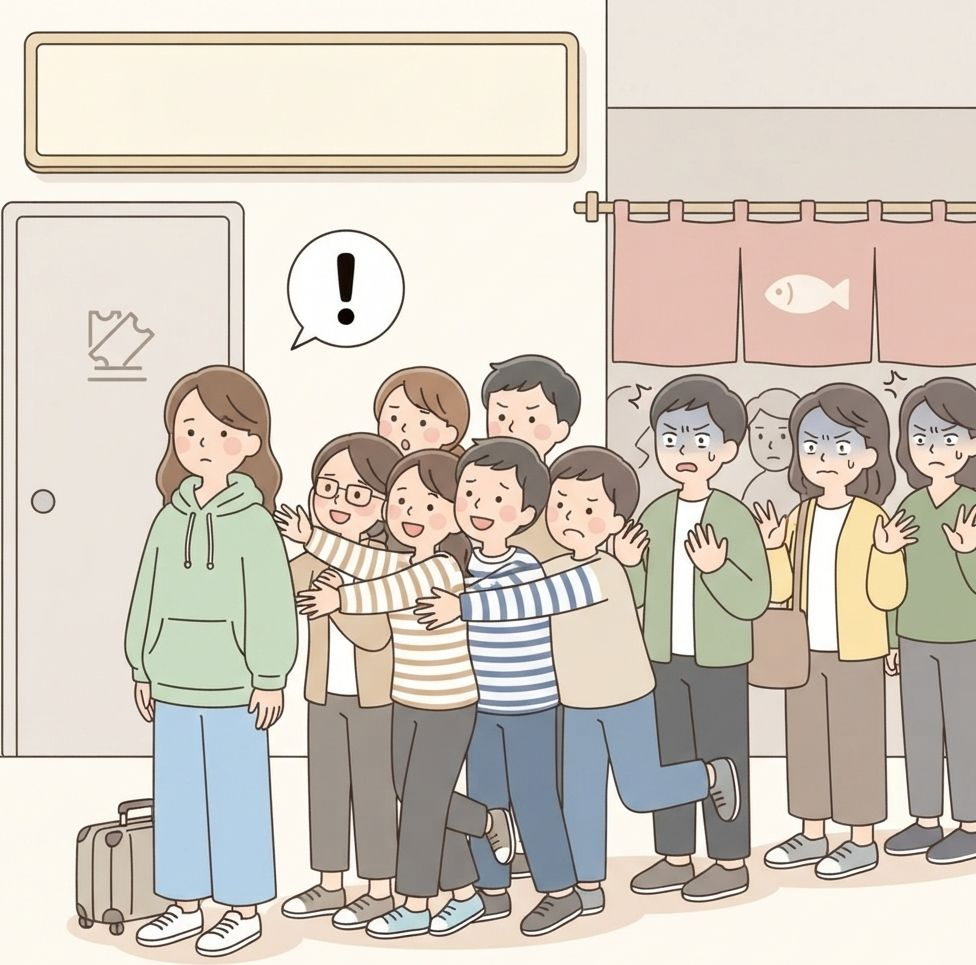
- Group joining can count as line-cutting — Opinions differ on one person holding a spot, and some shops ban it. One person holding a spot for five friends who show up later is widely seen as cutting by proxy.
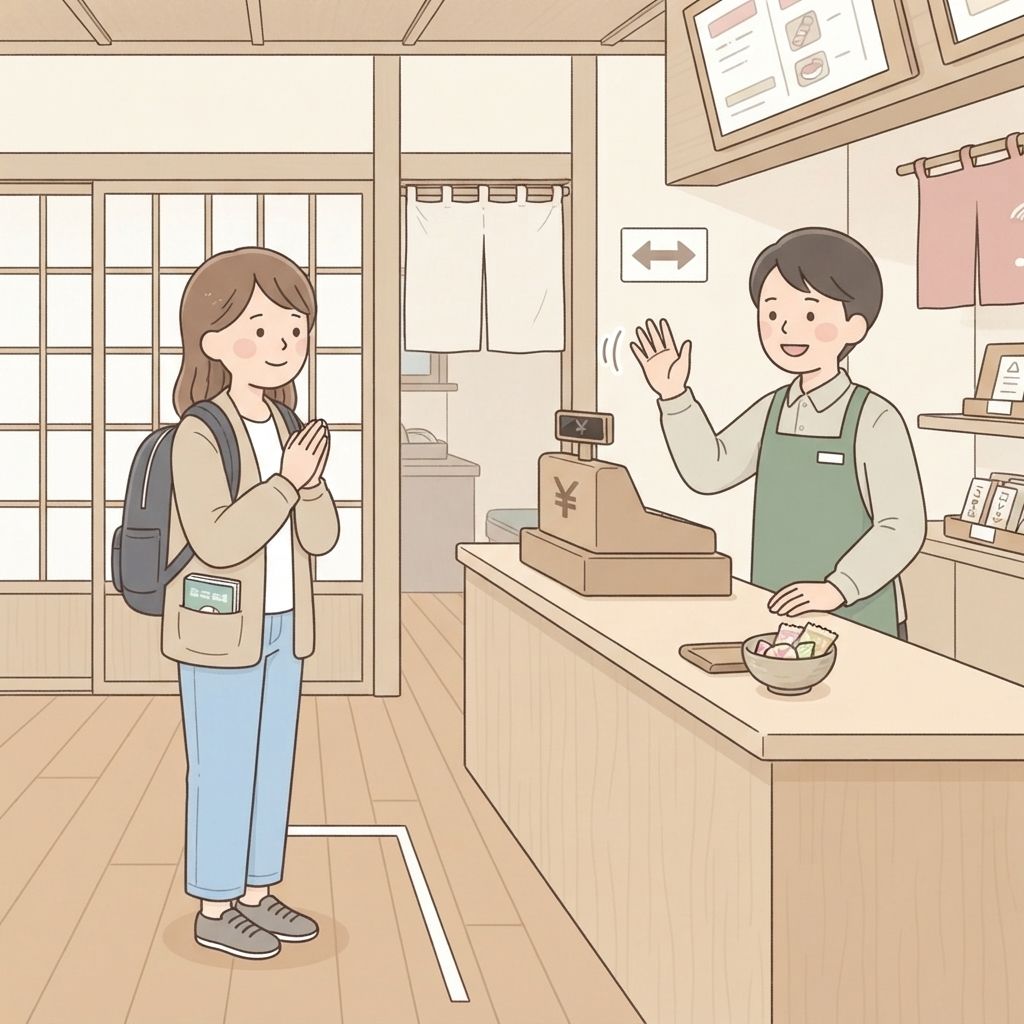
- Wait for the signal at the front — Staff will often call you forward with a gesture or “dozo!” Don’t rush the counter when you see an opening.
Quick check
Three questions to lock in the queue instinct.