Japanese Taxi Doors Open Automatically — Don't Touch

Japanese taxi rear doors are opened by the driver from the front seat. Don't grab the handle, don't slam it shut — the most harmless tourist mistake.

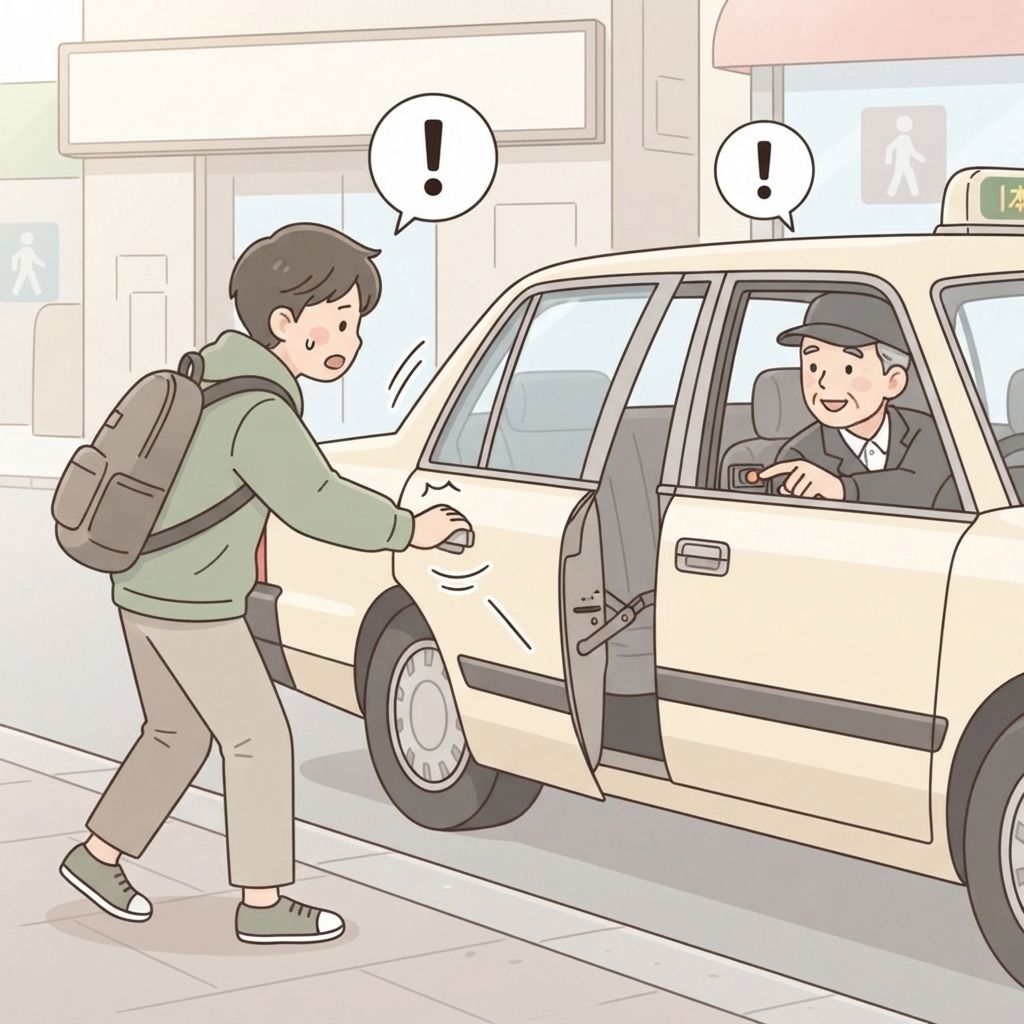
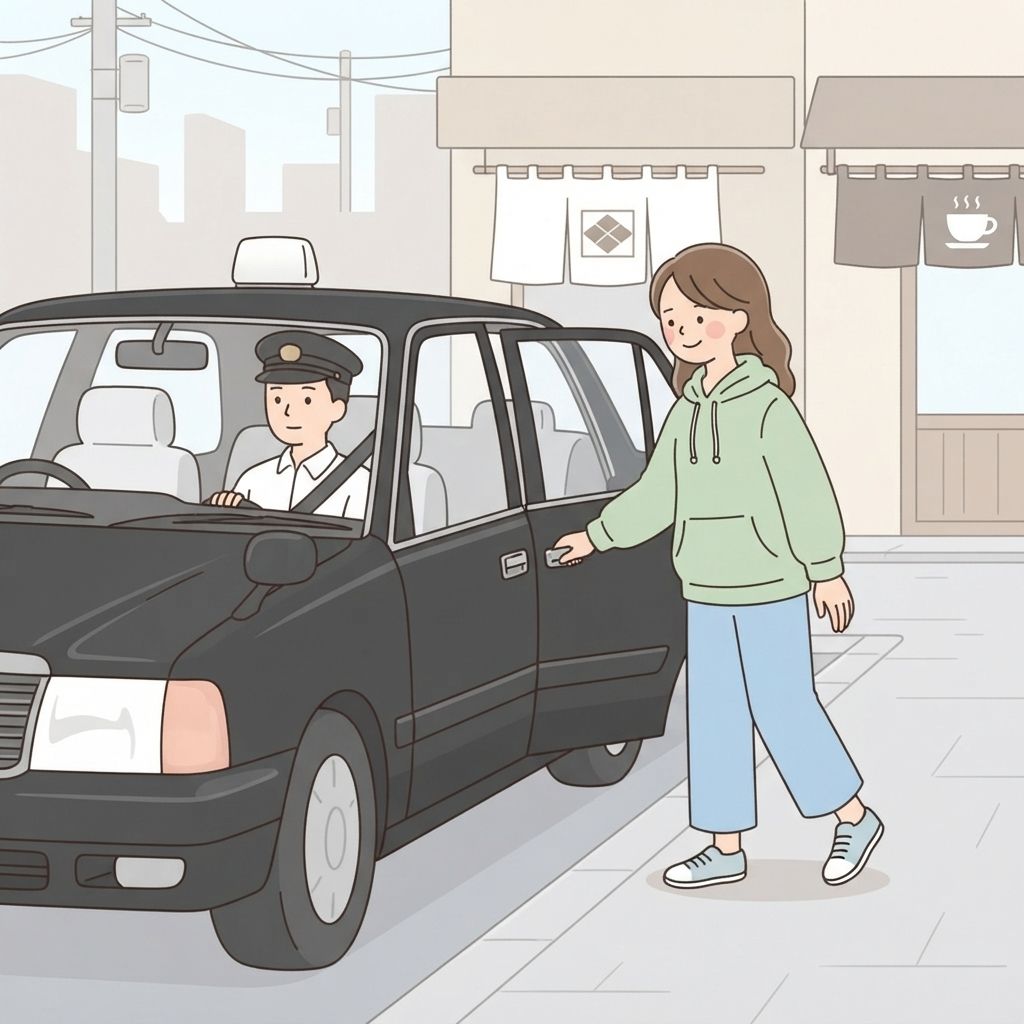
Yanking open the rear door yourself

NG

Reaching for the handle and pulling the door open as the taxi pulls up

The driver sees you approach, pulls up to the curb, and presses a button that pops the rear passenger door open automatically. If you're also reaching for the handle at the same time, you're fighting the mechanism—and for a few seconds everyone is confused about who's operating the door. It's not going to damage anything. It's just visibly marking you as someone who hasn't taken a Japanese taxi before.

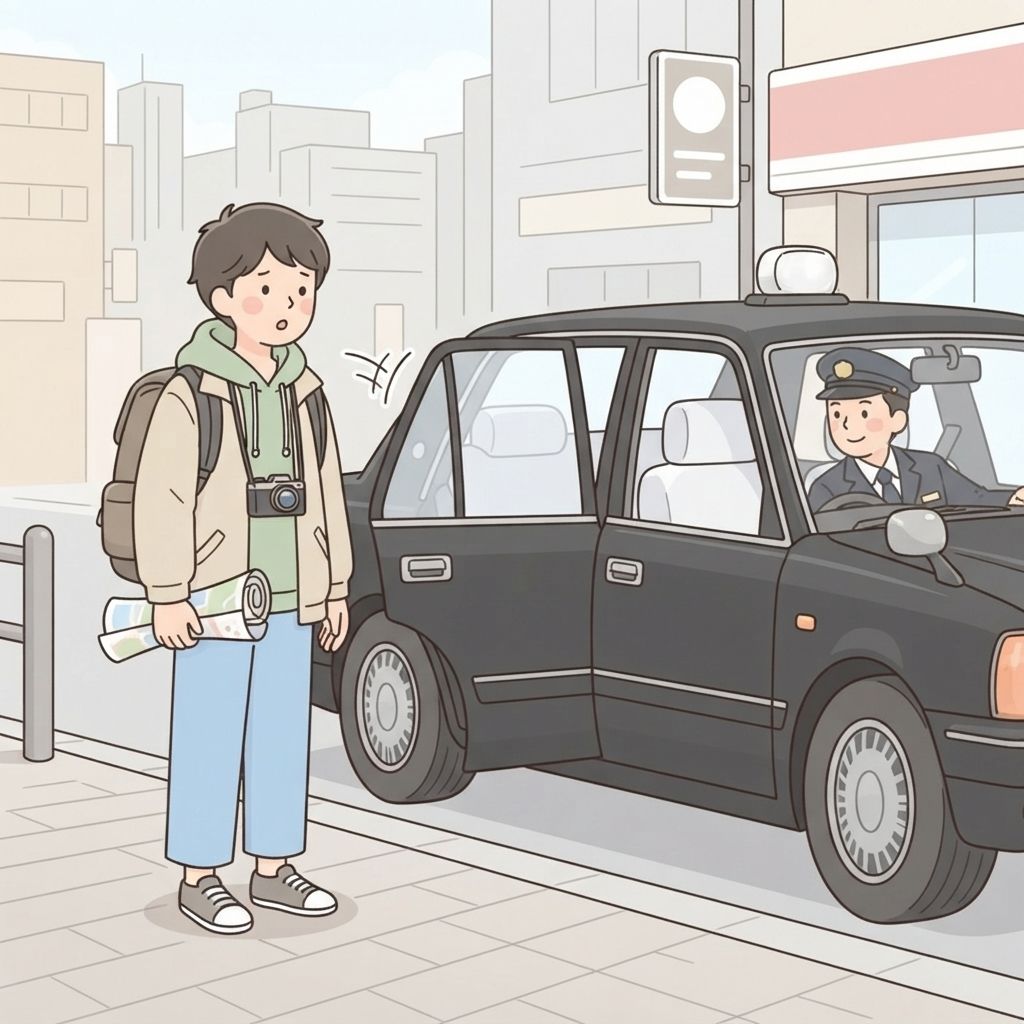
OK

Stand back, let the driver open the door, then get in

Wait for the taxi to stop fully. The rear door will swing open by itself within a second or two. Get in, settle, and the driver will close it behind you—again, automatically. The whole transaction is contactless for a reason. Resist the instinct to grab the handle.

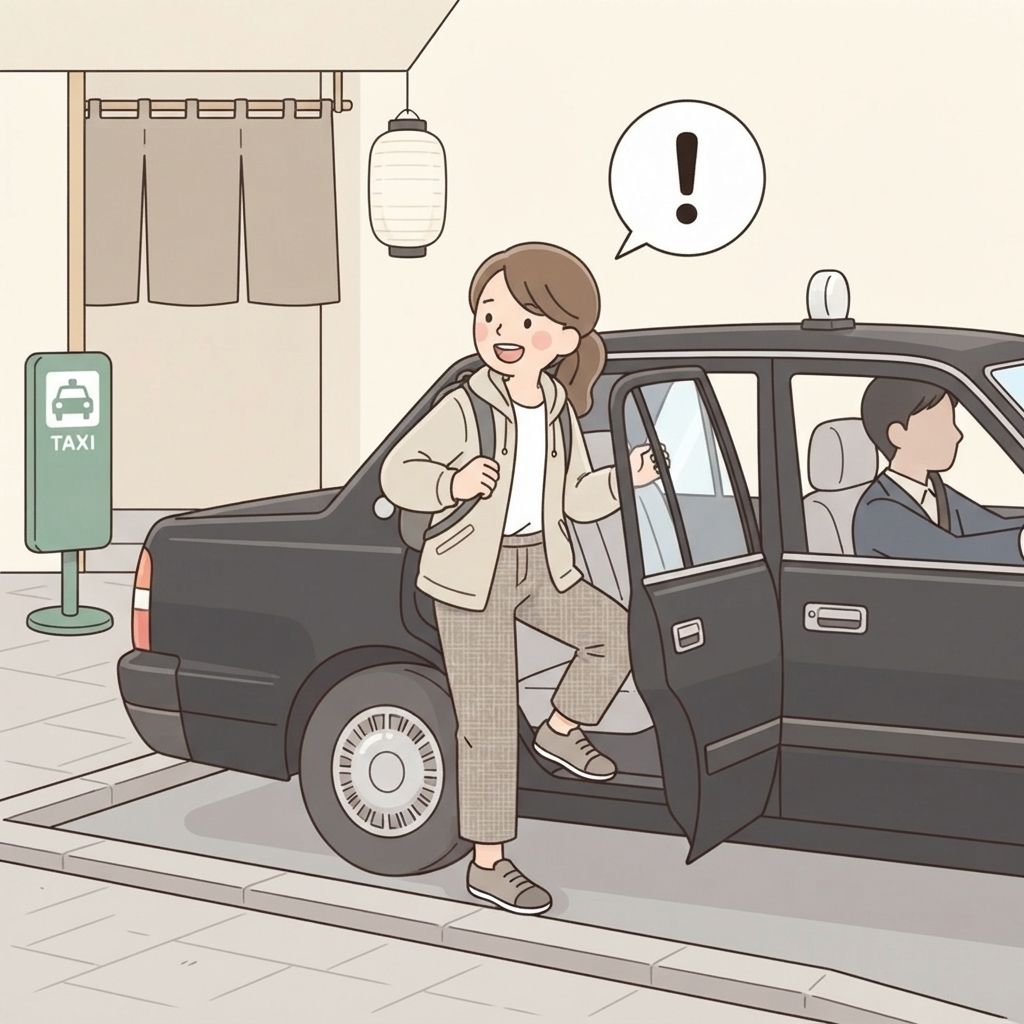
Slamming the door shut when you get out

NG

Stepping out of the taxi and pulling the door closed behind you

After you pay and step out, the driver will close the door automatically. Slamming it shut yourself is redundant (the driver was about to do it anyway) and can actually be annoying because you've now yanked on a door mechanism that's designed to operate on its own. It's the most common mistake, and most drivers will just sigh quietly and move on.

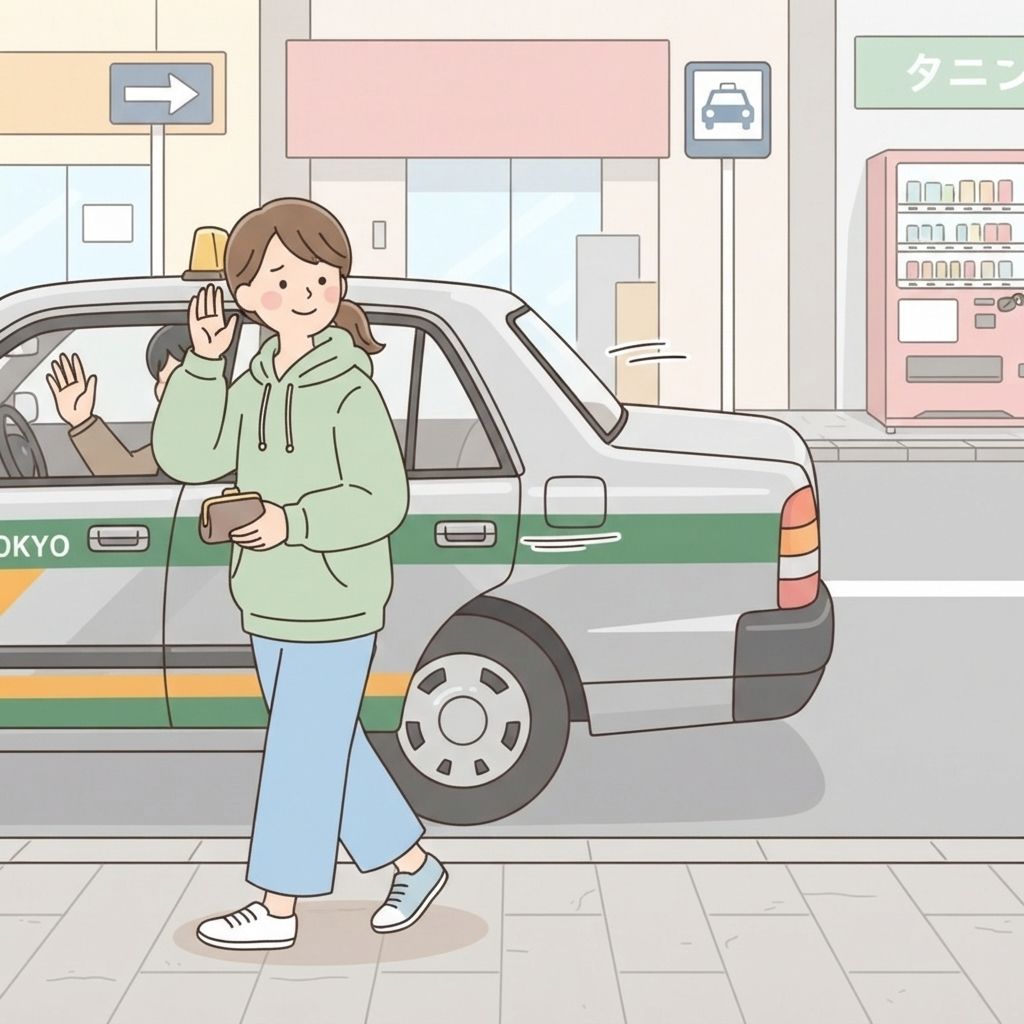
OK

Pay, step out, walk away—don't look back at the door

Finish paying, thank the driver with a small nod or 'arigatou gozaimasu,' step out onto the curb, and walk away. The driver will close the door behind you from their seat. It's a small graceful conclusion to the ride and you don't have to do anything for it to happen.

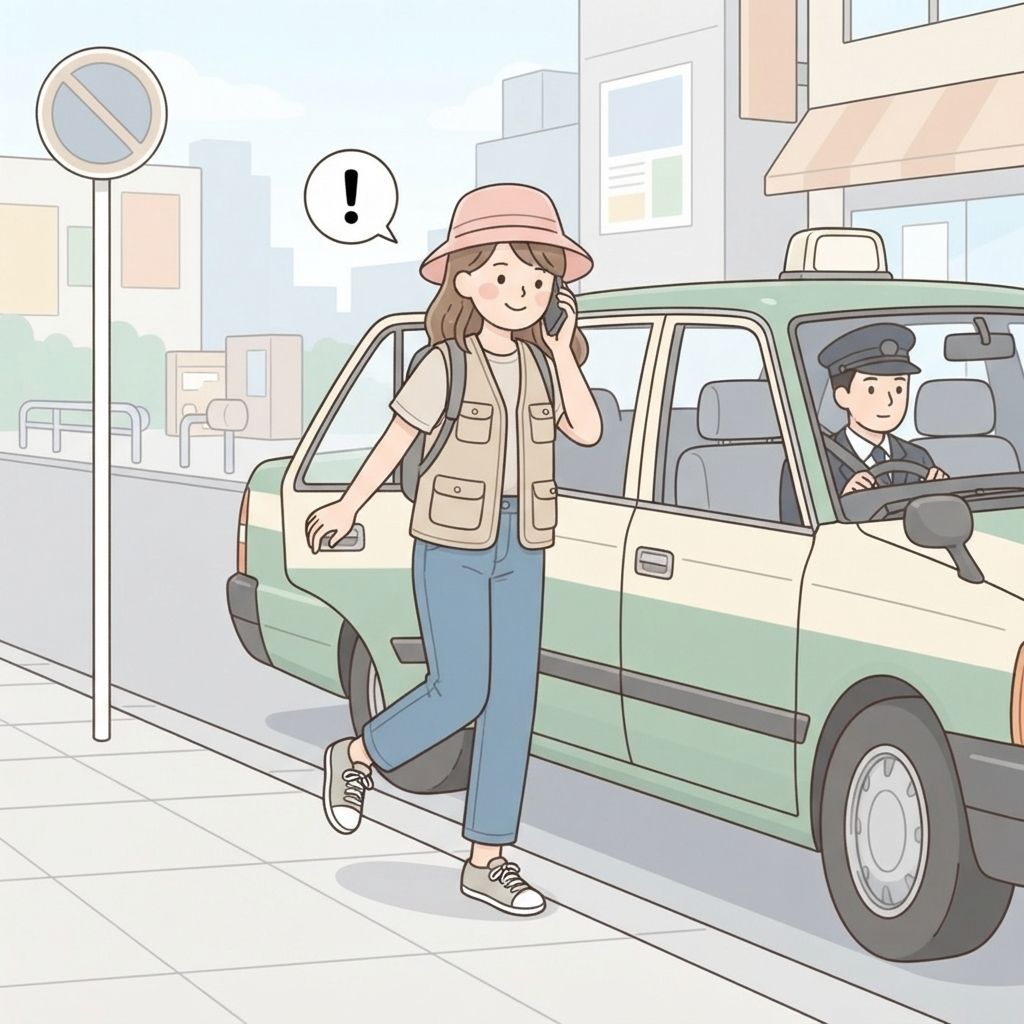
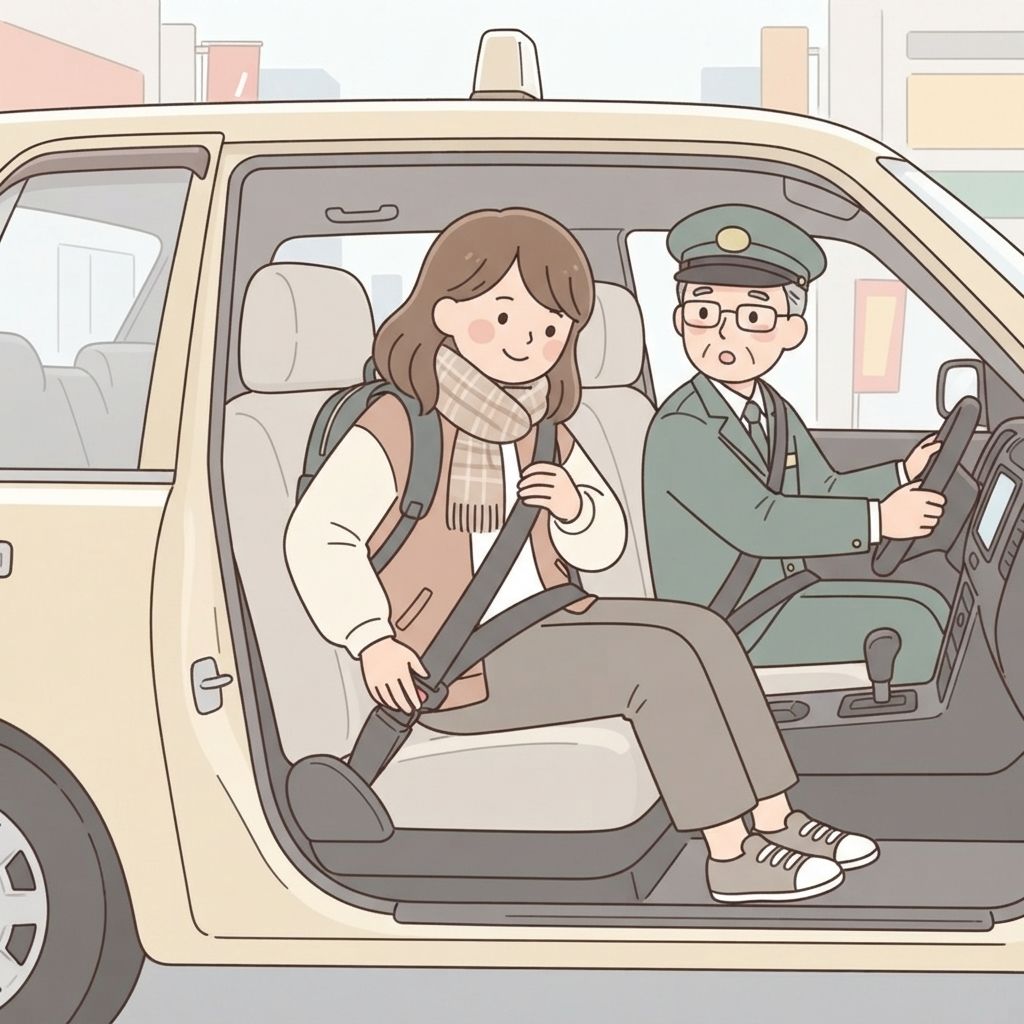
Getting in on the driver's side

NG

Walking around to the curb side on a one-way street and getting in through the right rear door

Japanese taxis are right-hand drive, and passengers are expected to enter through the left rear door—the curb side door, not the traffic side door. The right rear door doesn't open automatically in most taxis (it's also a safety hazard because you'd be stepping out into traffic). Tourists sometimes forget and try to enter through the wrong side.

OK

Always enter through the left rear door (the curb side)

In Japan, driving is on the left side of the road, so the curb is always on the left. The left rear door is the designated passenger entry point, and it's the one the driver operates automatically. If you're hailing a taxi on a narrow street, wait for it to pull over and align so you can access the left rear door safely.

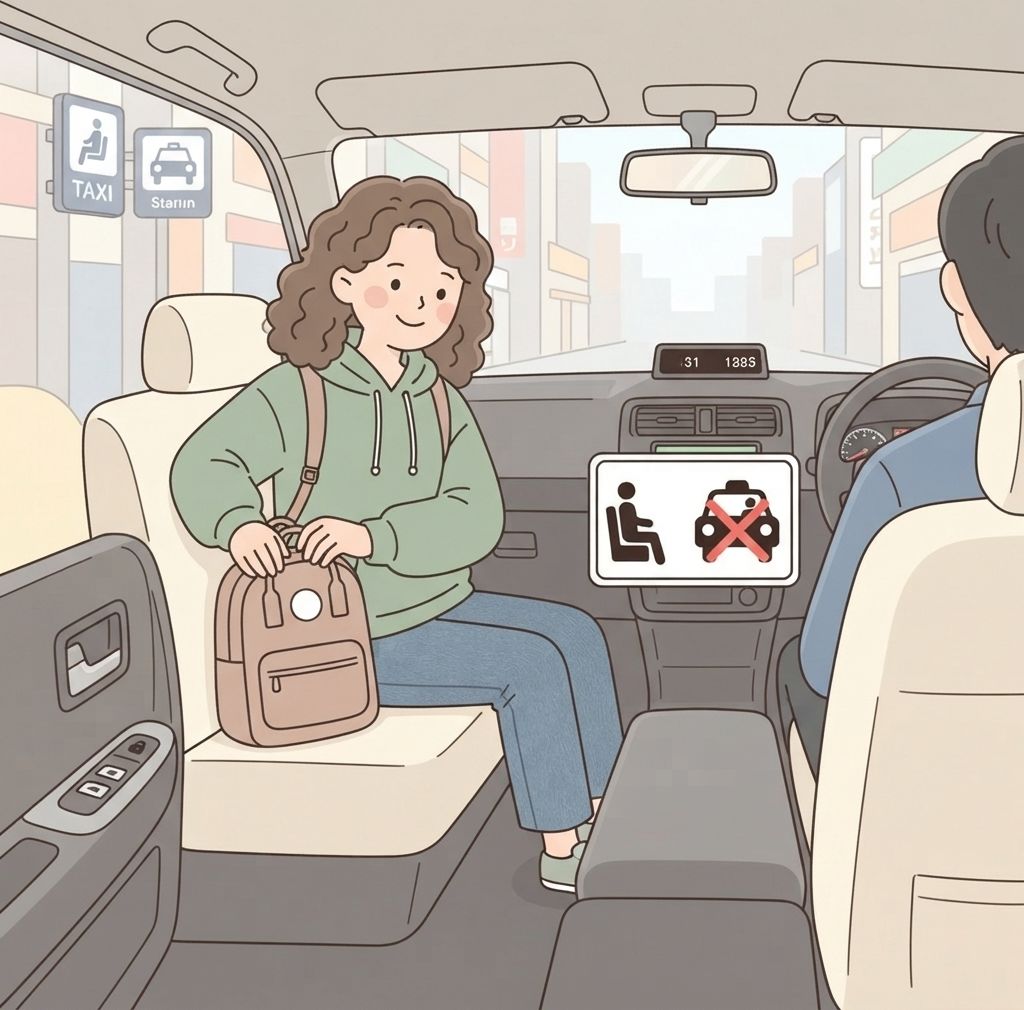
Treating the front passenger seat as the default

NG

Getting into the front passenger seat as if it's an Uber or shared ride

In Japan, taxi passengers sit in the back seat by default. The front passenger seat is typically reserved for a group's leader when there are four passengers, or left empty otherwise. Hopping into the front seat solo feels casual and American but reads as slightly off in a Japanese taxi context—especially if there's a language barrier and the driver was preparing for back-seat service.

OK

Back seat by default. Front seat only if you're the fourth passenger in a group

Solo rider: back seat (left side is most traditional). Two passengers: both in the back. Three passengers: all three in the back. Four passengers: three in the back plus one in the front. The back seat is the default because the driver operates the rear doors automatically and the whole taxi system is designed around that setup.

Why the door opens itself

The automatic rear door goes back decades in the Japanese taxi industry. Practical reason: it’s faster, cleaner, and kills the awkward “who opens the door” moment. The driver stays seated. The passenger doesn’t fumble with an unfamiliar handle. Done.

The deeper reason is service culture. Japanese taxi drivers maintain a level of formality — white gloves, a nod when you enter, careful driving — and the auto-door is part of that presentation. It’s a small piece of theater that separates a taxi ride from a casual lift. Once you know that, you stop fighting the convention and start appreciating it.

Hands off the door. The driver has this. In, out, the whole ride.

A few “nice to know” extras

  • White gloves, lace seat covers, spotless interior — This is standard, not luxury. It’s the baseline presentation for Japanese taxis. Don’t track mud in.
  • Payment options — Most modern taxis accept credit cards, IC cards (Suica, Pasmo), and cash. Older ones might be cash-only. A small sign on the dashboard shows what’s accepted — check before starting the ride.
  • Tipping is zero — The meter shows the full fare. Pay exactly that. Attempting to tip creates polite confusion and possibly a driver chasing you down to return your money.
  • The red sign means vacant — The LCD sign in the front window reading 空車 (kuusha) in red means available. Other colors or text mean occupied, on break, or on a dispatch call. Don’t wave those down.
  • Back seat, always — Solo riders sit in the back left (the auto-door side). Front seat is only for the fourth person in a group of four.

Quick check

Three questions to lock in the automatic door instinct.

Quick check

Can you spot the right move?

  1. Q1 Should you open the taxi door yourself when the taxi pulls up?

  2. Q2 Should you close the door behind you when you get out?

  3. Q3 In Japan, should a solo taxi passenger sit in the front seat next to the driver?