Why one wrong fold means “funeral”
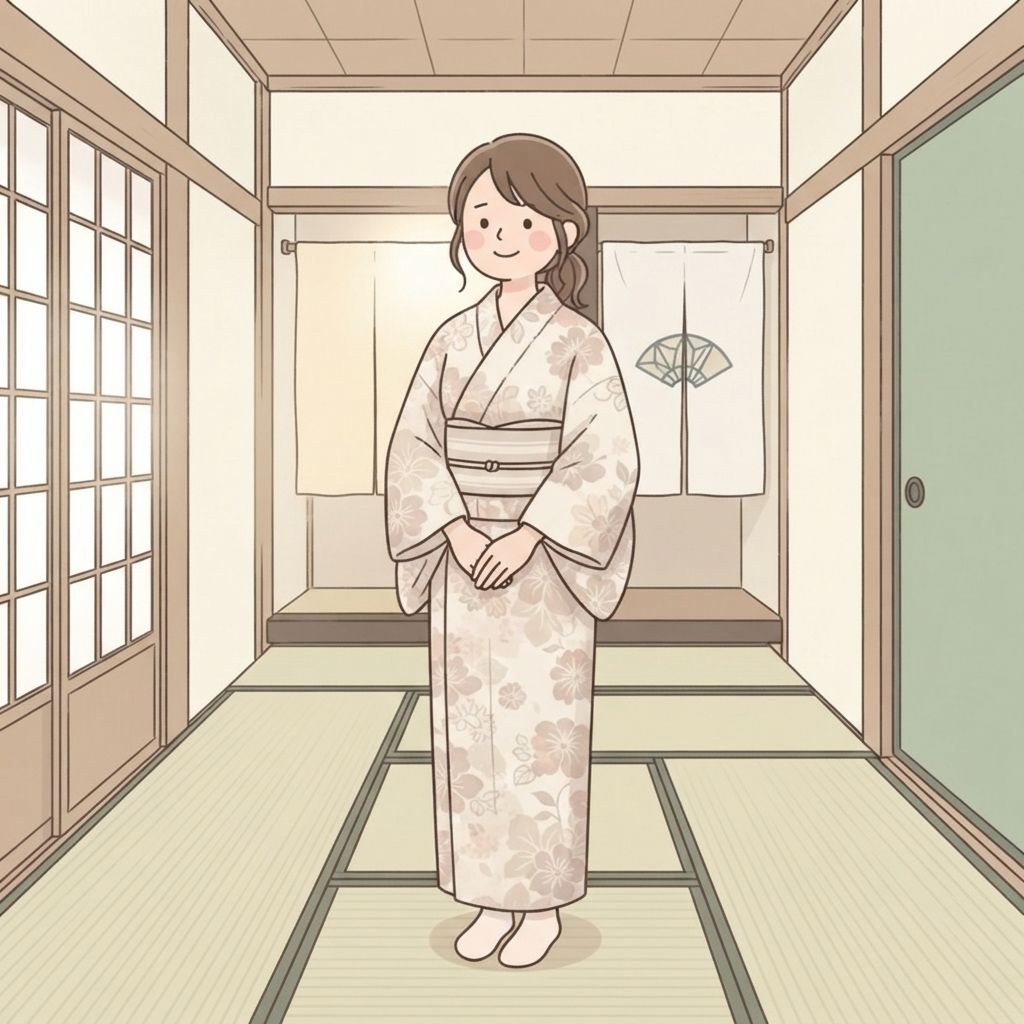
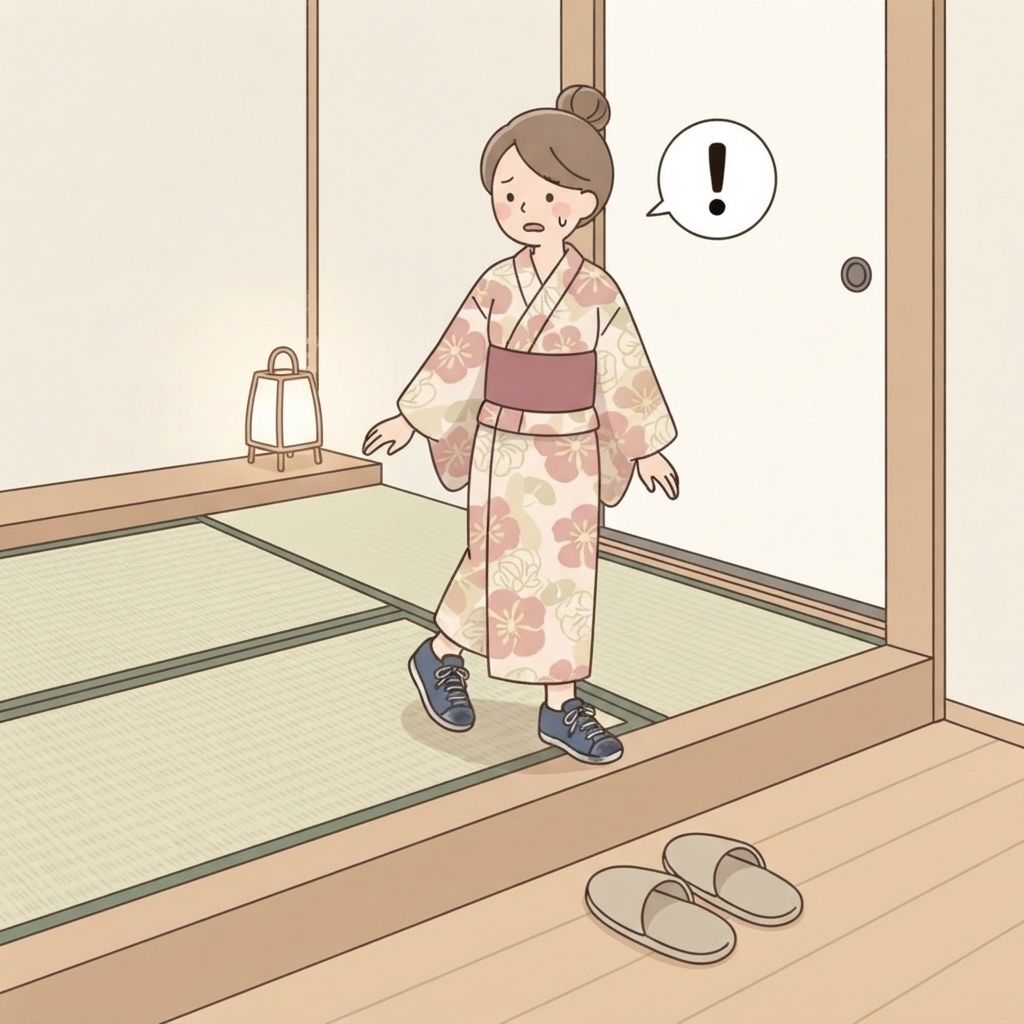
Most clothing rules are about style. This one’s about death rituals. In traditional Japanese funerals, the deceased is dressed with the right side over the left—the reverse of how living people wear it. That reversal is why the wrong wrap stands out. So when you wrap a yukata the wrong way at a ryokan, you haven’t made a fashion mistake—you’ve accidentally dressed yourself like a corpse.
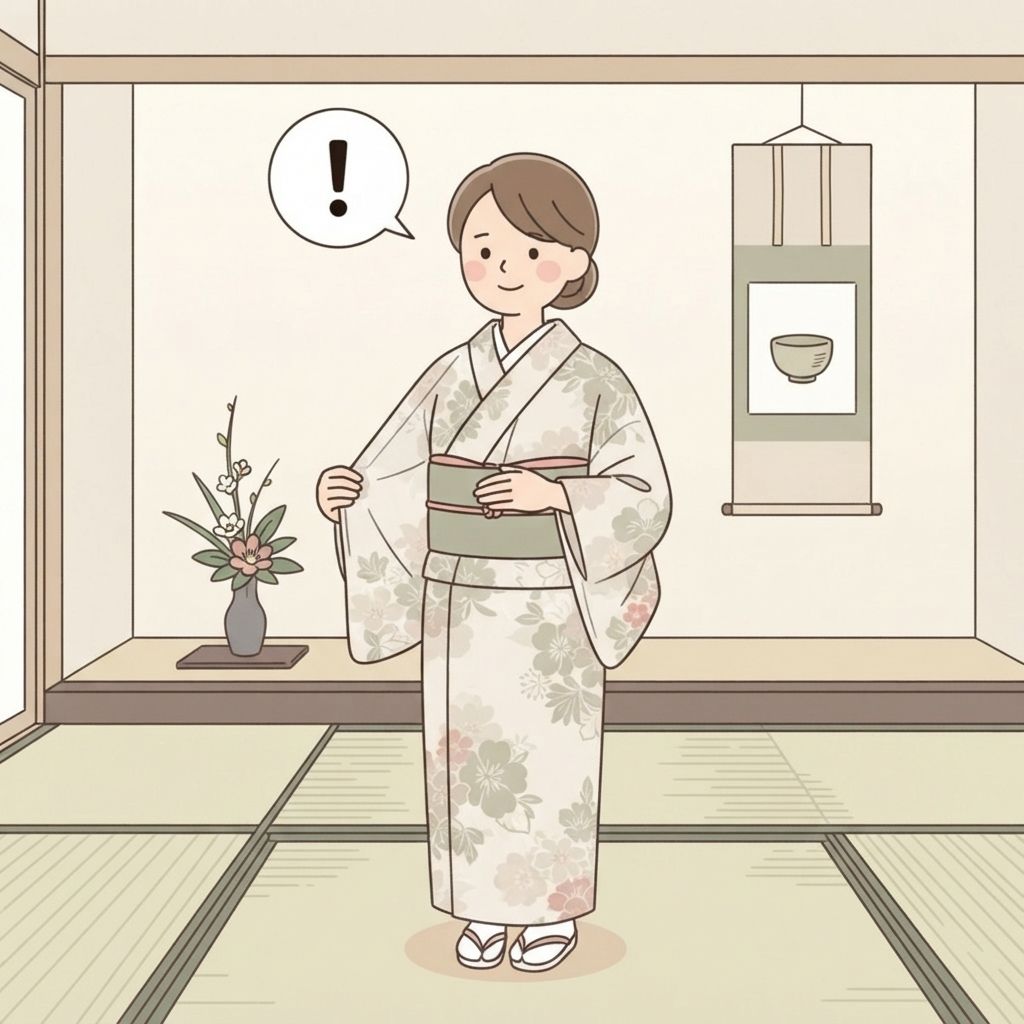
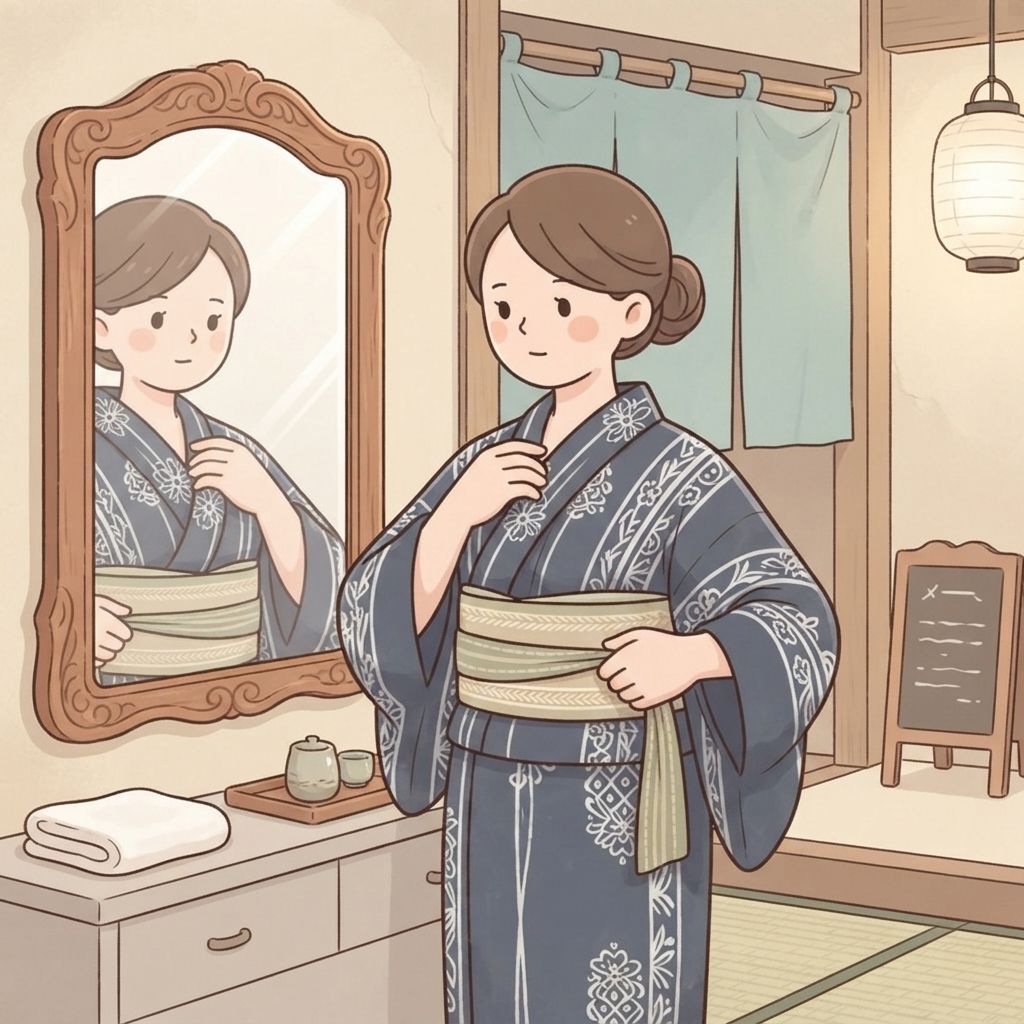
The good news: it’s a one-rule situation. Left over right, every time, for every person, regardless of gender. If you look down and the collar opens toward your right hand, you’re correct. If it opens toward your left, rewrap it.
Memory trick: your right hand should be able to slip into the collar opening. If it can’t, you’re wearing it backwards.
A few “nice to know” extras
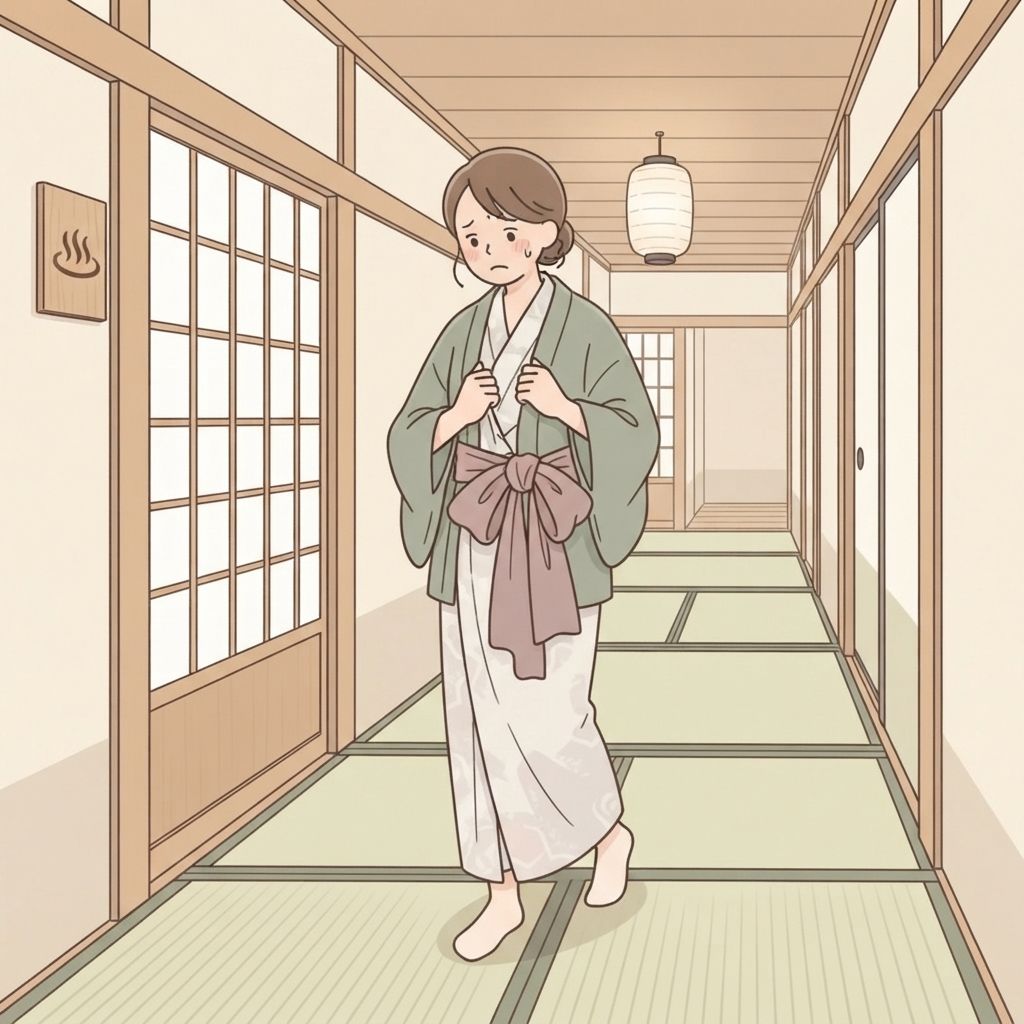
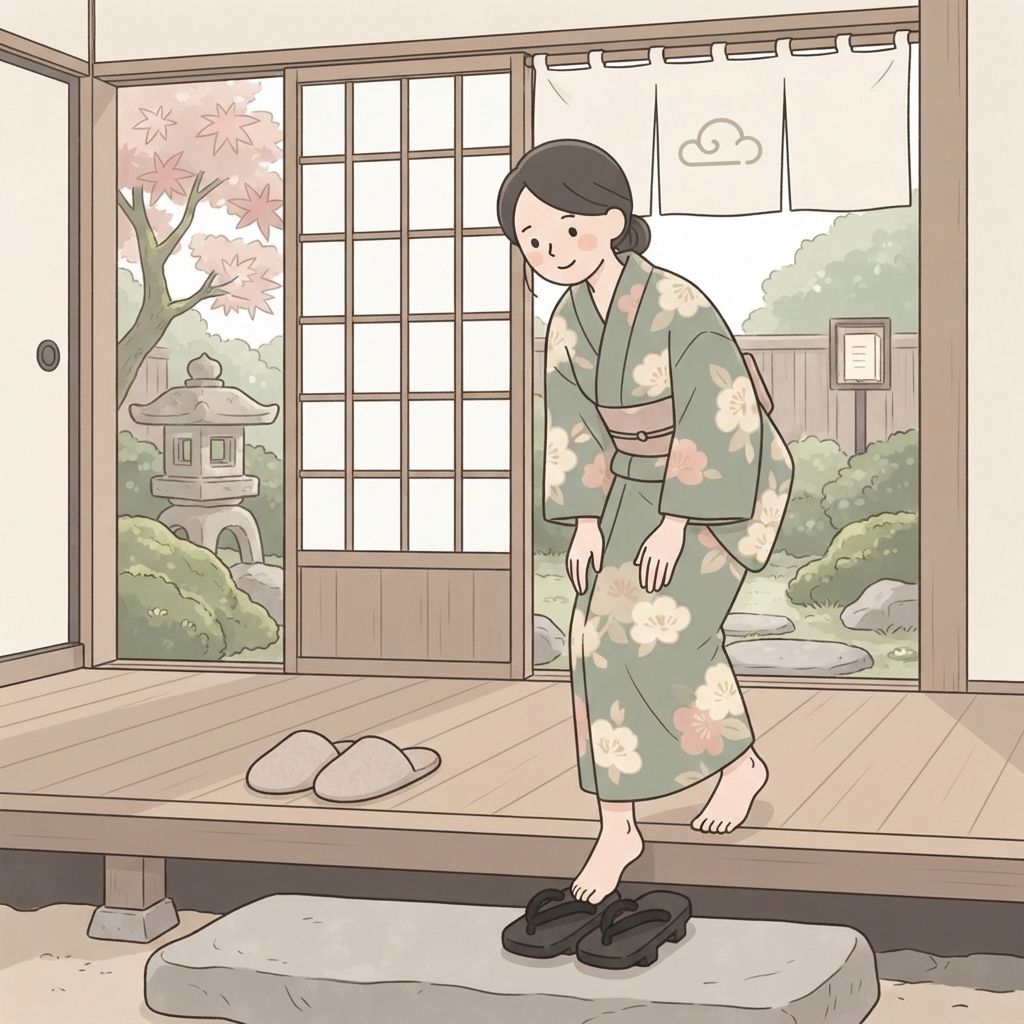
- Hot spring town strolls — In onsen towns like Kinosaki, walking between the public baths in your ryokan yukata and wooden geta is part of the fun. Keep the wrap neat and the obi snug—you’ll fit right in with the other guests doing the same bath-to-bath circuit.
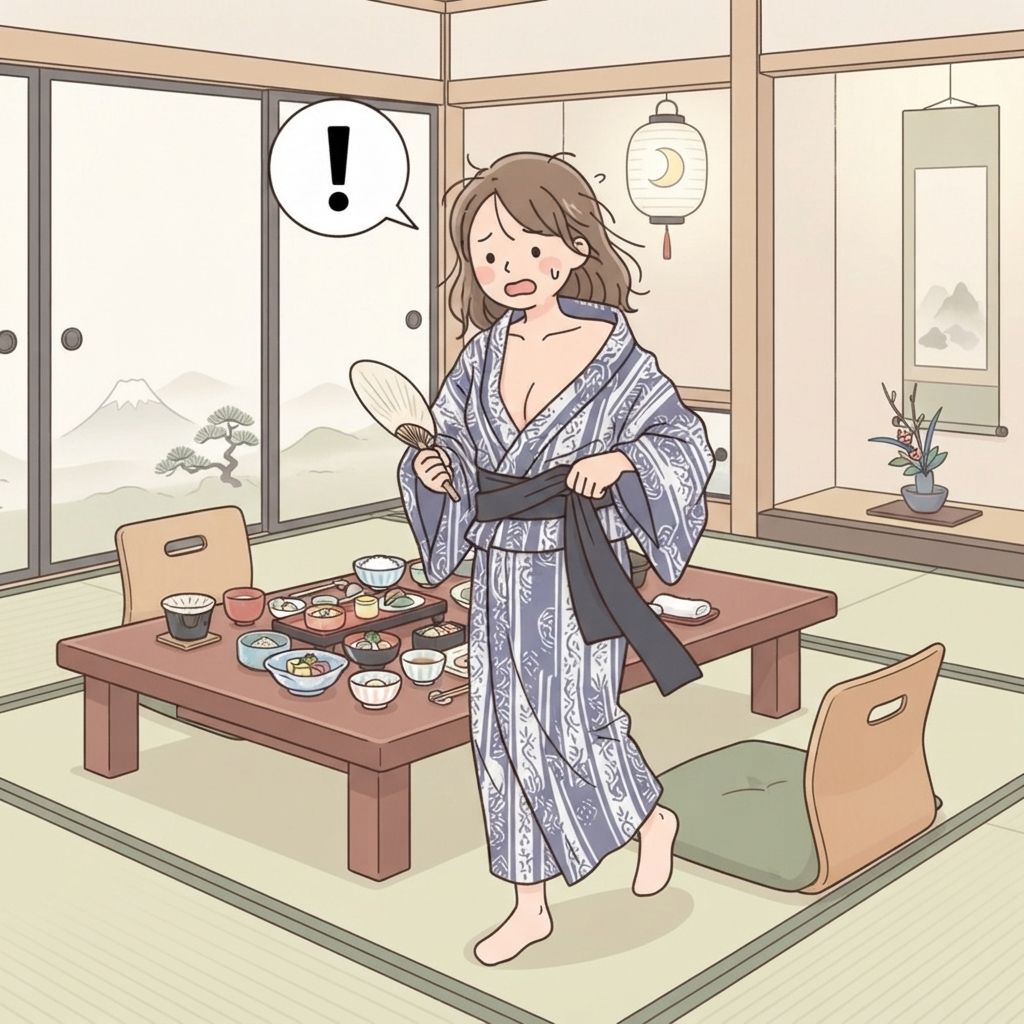
- Underneath the yukata — T-shirt if you’re cold, underwear only if you’re warm, nothing showing at the collar. If you’ll eat in a shared dining room, a camisole or T-shirt underneath helps if the collar slips.
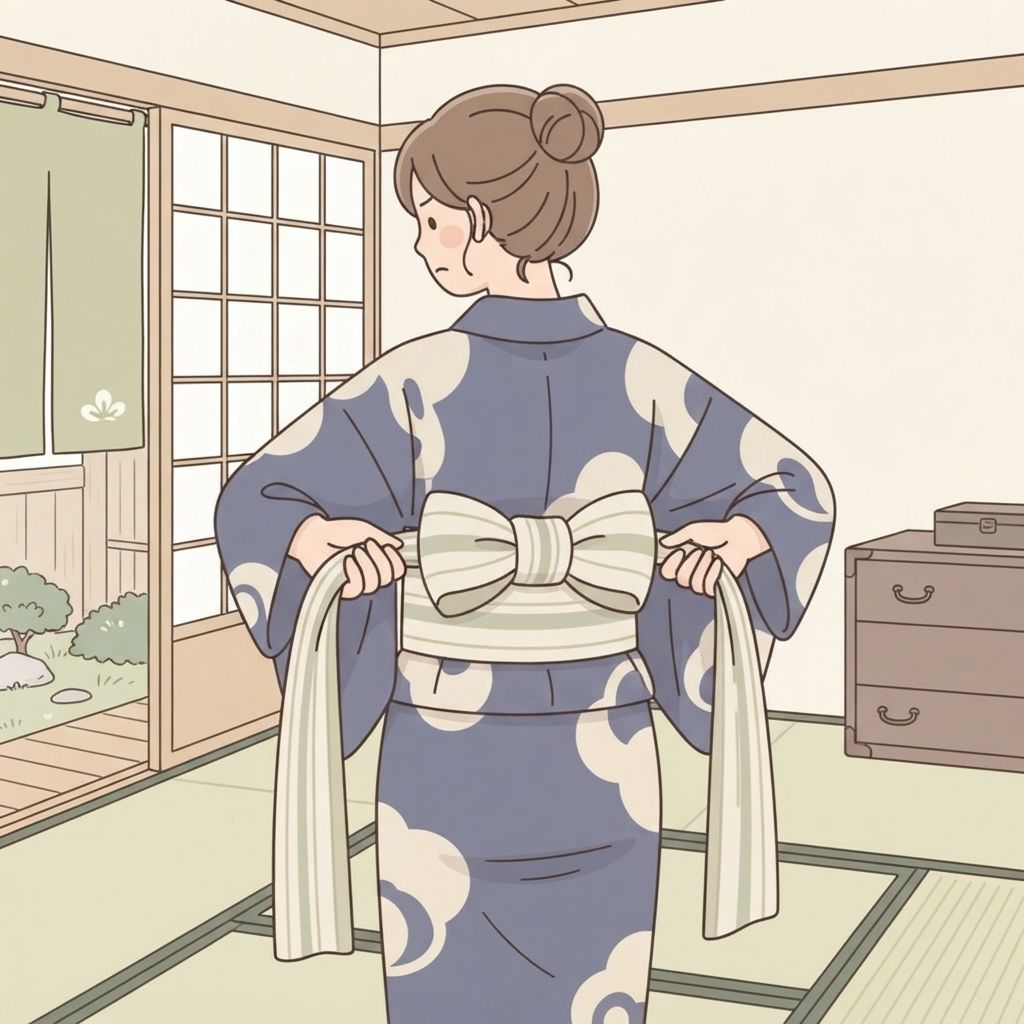
- Men vs women — Same wrap direction, different obi placement. Men tie the belt lower on the hips, women higher at the waist. Ask the staff if you’re unsure.
- Yukata vs kimono — Yukata is the casual cotton version for summer, ryokans, and festivals. Kimono is the more formal version, often silk, with layers and accessories. The left-over-right rule is identical for both.
Quick check
Three questions to lock in the yukata rules. Takes about 20 seconds.