Meishi: How to Exchange a Japanese Business Card

Meishi koukan is a small ceremony: two hands, a slight bow, reading the card, placing it on the table. Here's the sequence professionals expect.

Offering the card with one hand

NG

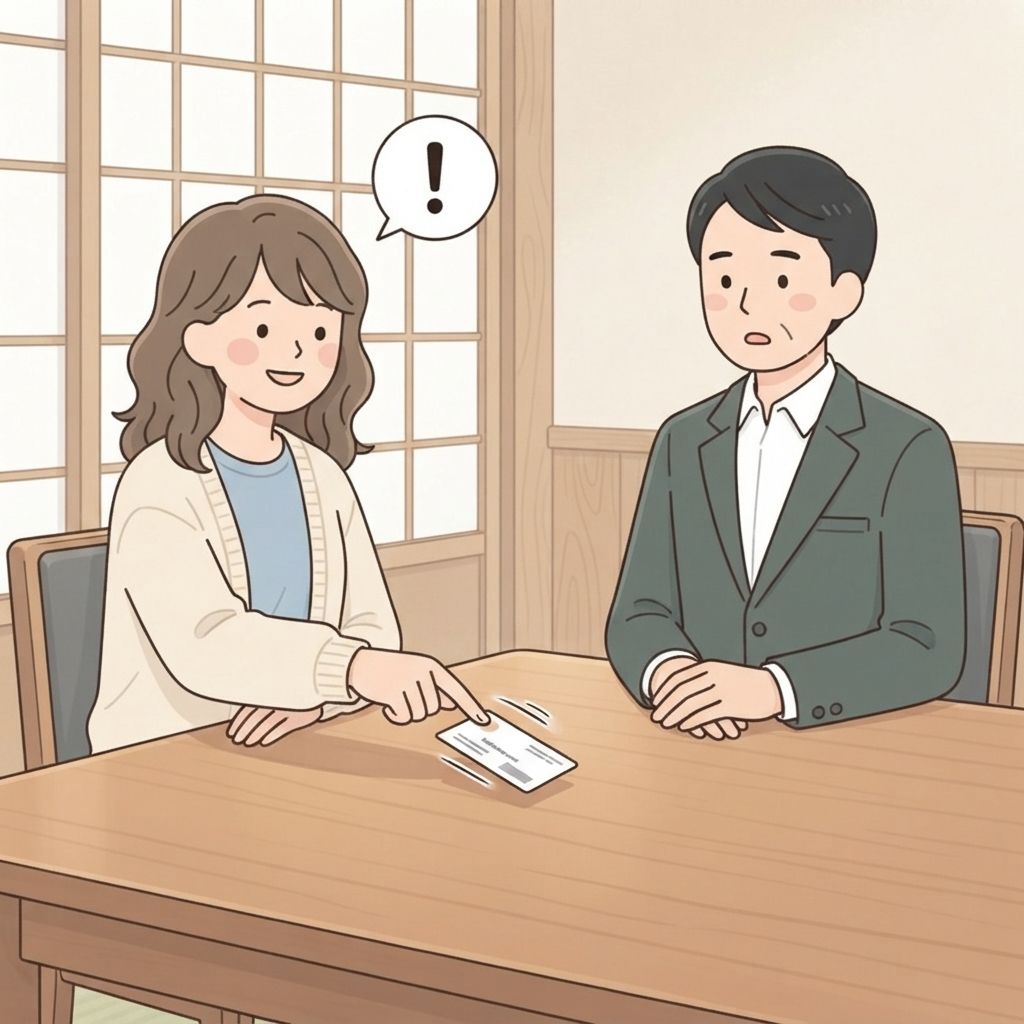
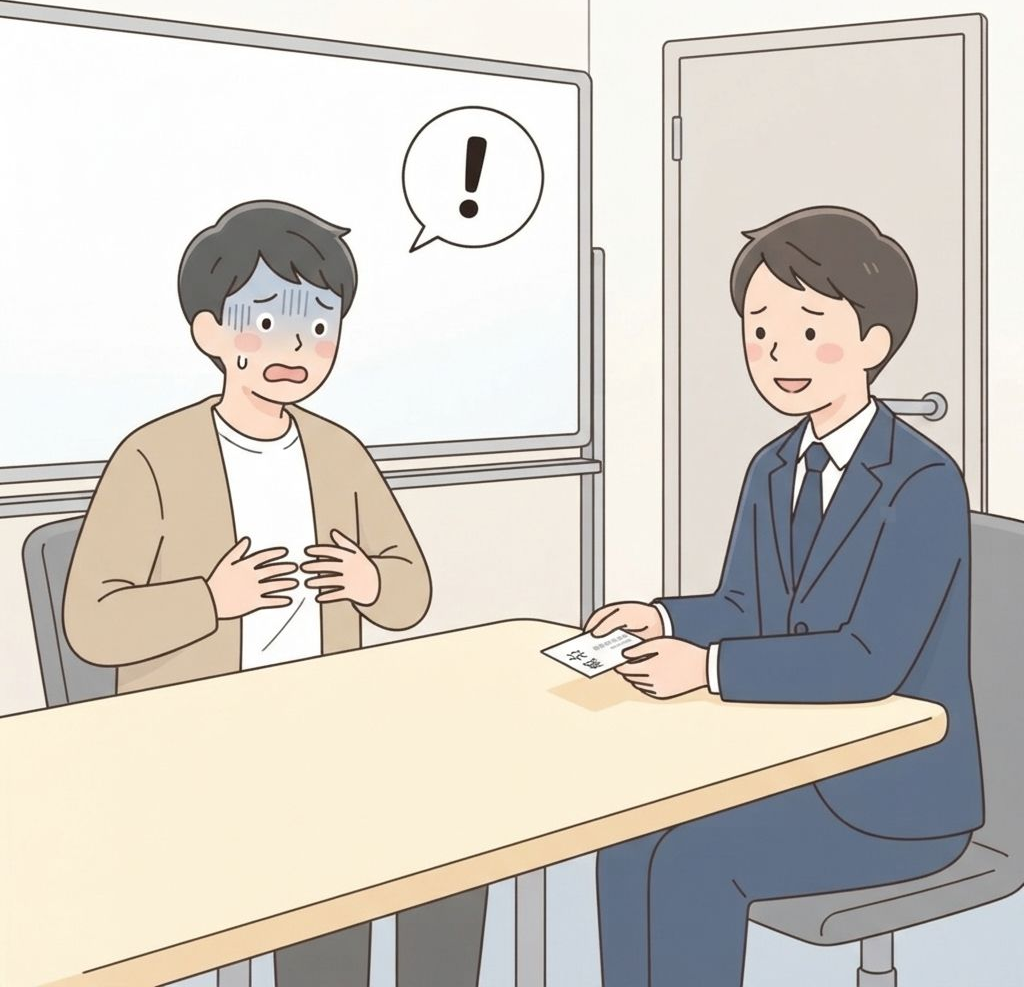
Flicking your business card across the table or handing it over with one hand

Japanese business card exchange is a two-hand ritual. Offering a card with one hand—especially tossing it or sliding it across a table—reads as dismissive and unprofessional. The two-hand presentation is the standard professional move, and it's non-negotiable in any formal business context. Getting this wrong on a first meeting signals either ignorance or disrespect, neither of which is a good first impression.

OK

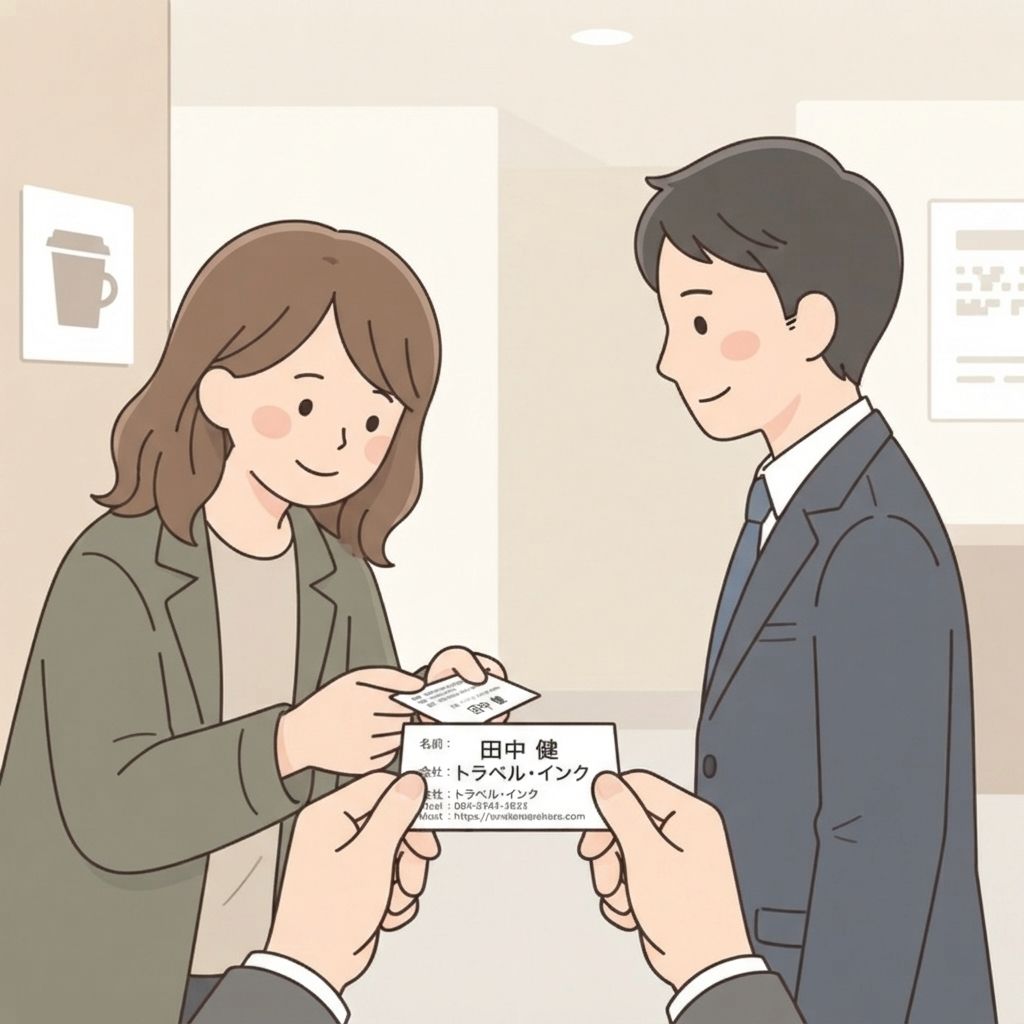
Hold the card with both hands, Japanese side facing the recipient, present with a small bow

Hold your card with both hands, one on each top corner, with the Japanese (or English) side facing the recipient—so they can read it as you hand it over. Present the card forward with a slight bow (15-30 degrees), using a phrase like 'hajimemashite, [your name] to moushimasu' ('nice to meet you, I'm [name]') or 'yoroshiku onegaishimasu' ('looking forward to working with you'). The recipient takes your card with both hands in return.

Pocketing the received card immediately

NG

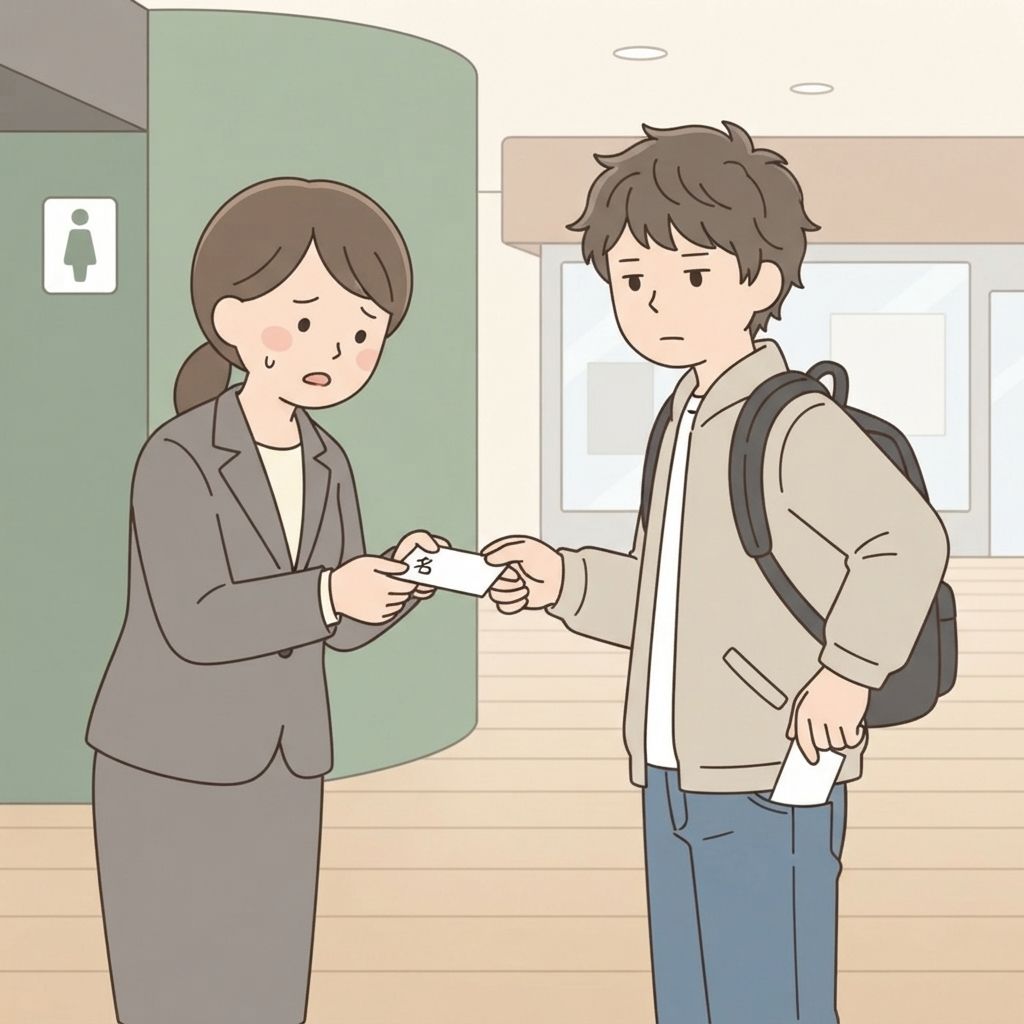
Taking the card with one hand and immediately stuffing it into your pocket or wallet

Once you receive someone's card, immediately putting it away—especially into a back pocket or a wallet you sit on—is considered rude. The card represents the person, and how you handle the card mirrors how you're treating them. Shoving it into a wallet immediately implies the card (and the person) is unimportant.

OK

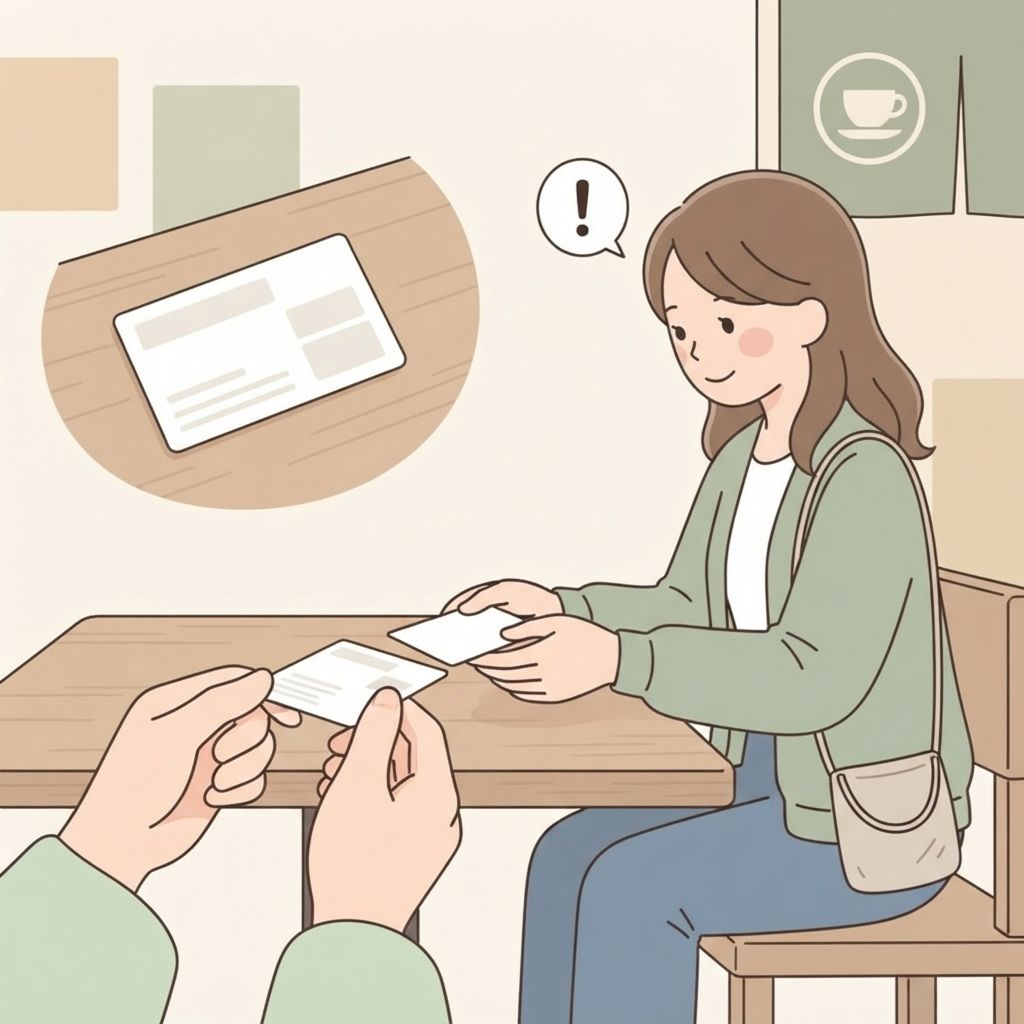
Receive with both hands, look at the card, set it on the table in front of you

Accept the card with both hands, read it briefly (name, title, company), and then place it on the table in front of you—usually in the upper-left area near where you're sitting. If you're at a meeting with multiple people, arrange the cards on the table in the order the people are sitting, so you can reference names as the meeting progresses. Keep the card on the table throughout the meeting, and only put it away when the meeting ends.

Writing on the received card during the meeting

NG

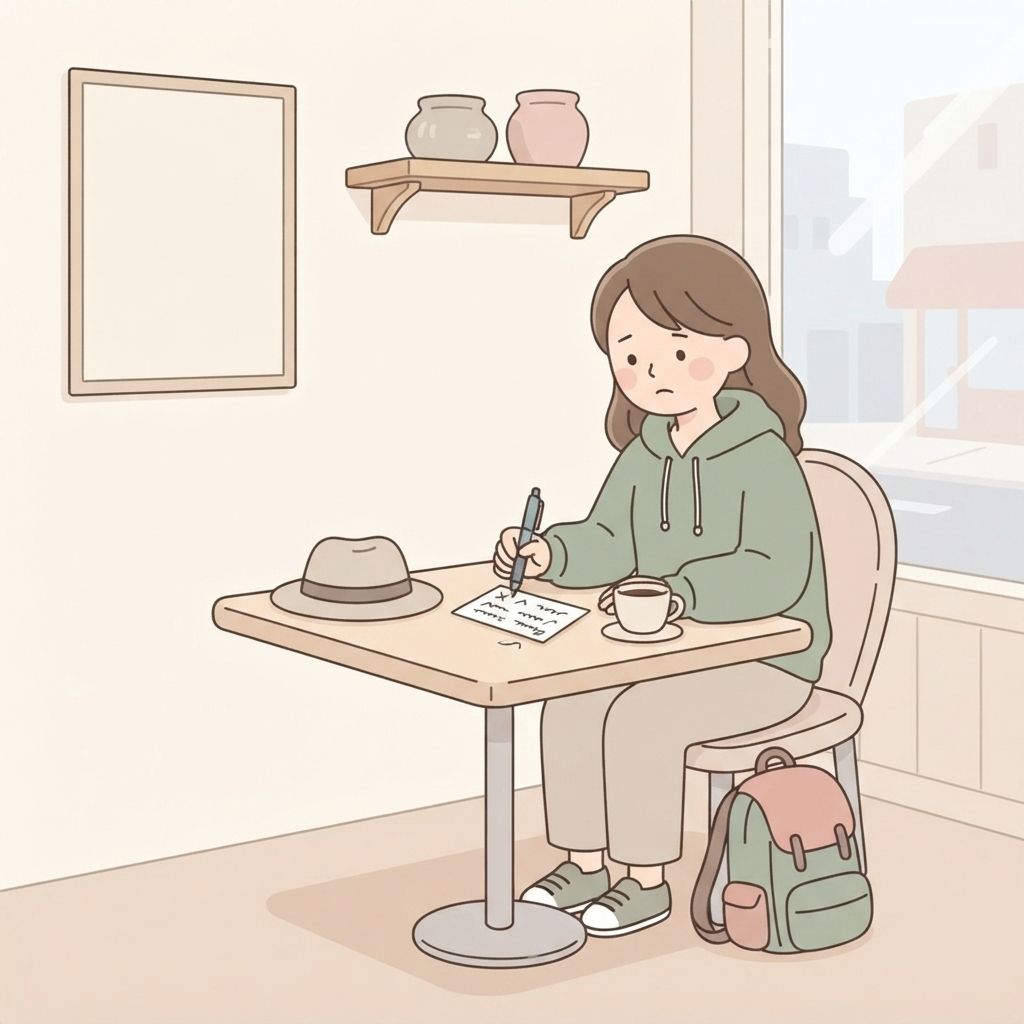
Making notes on the back of the received card, or using it as a place to jot down phone numbers

Writing on a received business card is considered a violation—you're damaging something that represents the other person. Even writing a small note on the back to help you remember something about the person is a breach of the ritual. The card is meant to be preserved as-received, not marked up.

OK

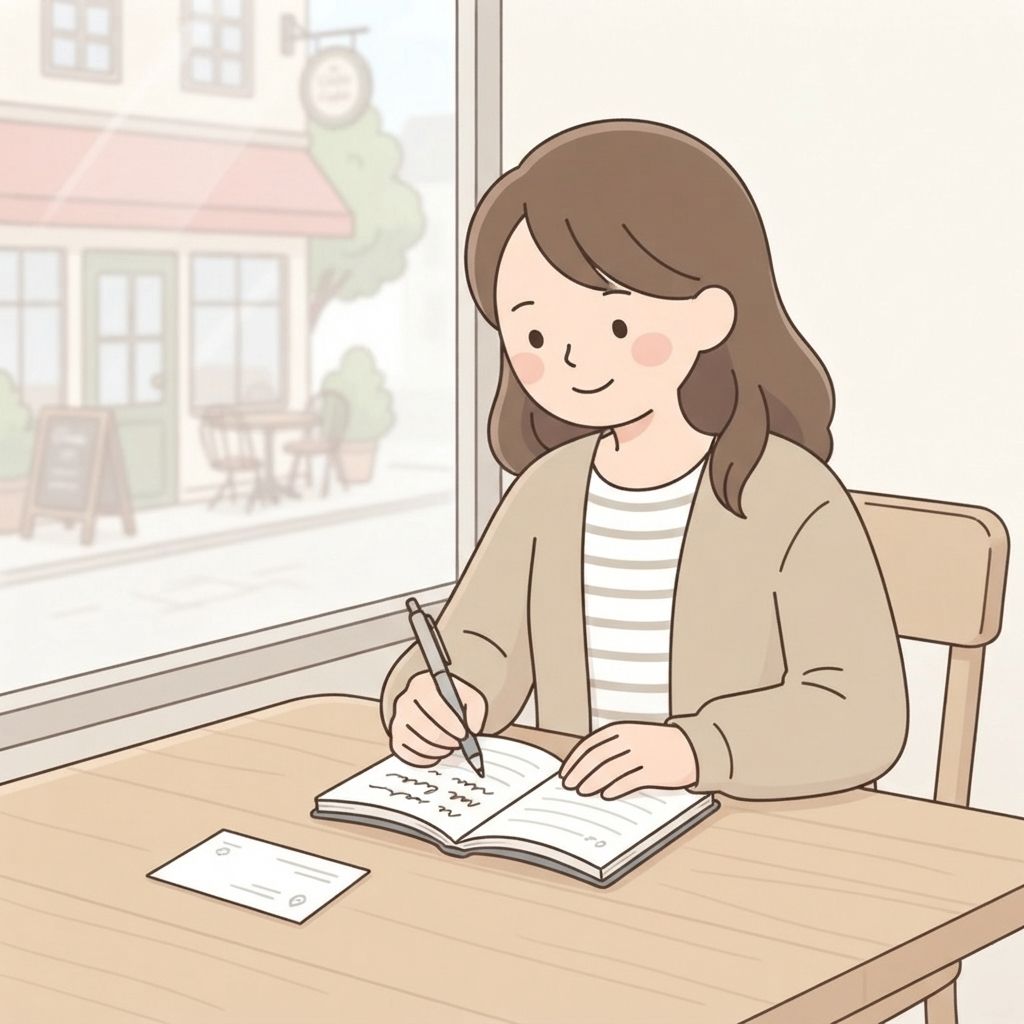
Use a separate notebook or note-taking app for any notes

Keep a small notebook or note-taking app for jotting down things about the meeting and the person you met. Write 'name: [X], company: [Y], discussed: [Z]' in your notes, not on the card itself. When the meeting ends, you can transfer the card's information to your notes or address book, but the physical card stays intact.

Running out of cards or arriving without them

NG

Showing up to a business meeting with no meishi, or with only a few and running out partway through

In Japanese business culture, arriving at a meeting without meishi to exchange is like arriving without your name—it signals unprofessionalism. Running out partway through, especially if there are more people than you expected, is almost as bad. You'll be remembered as 'the person who didn't have a card.'

OK

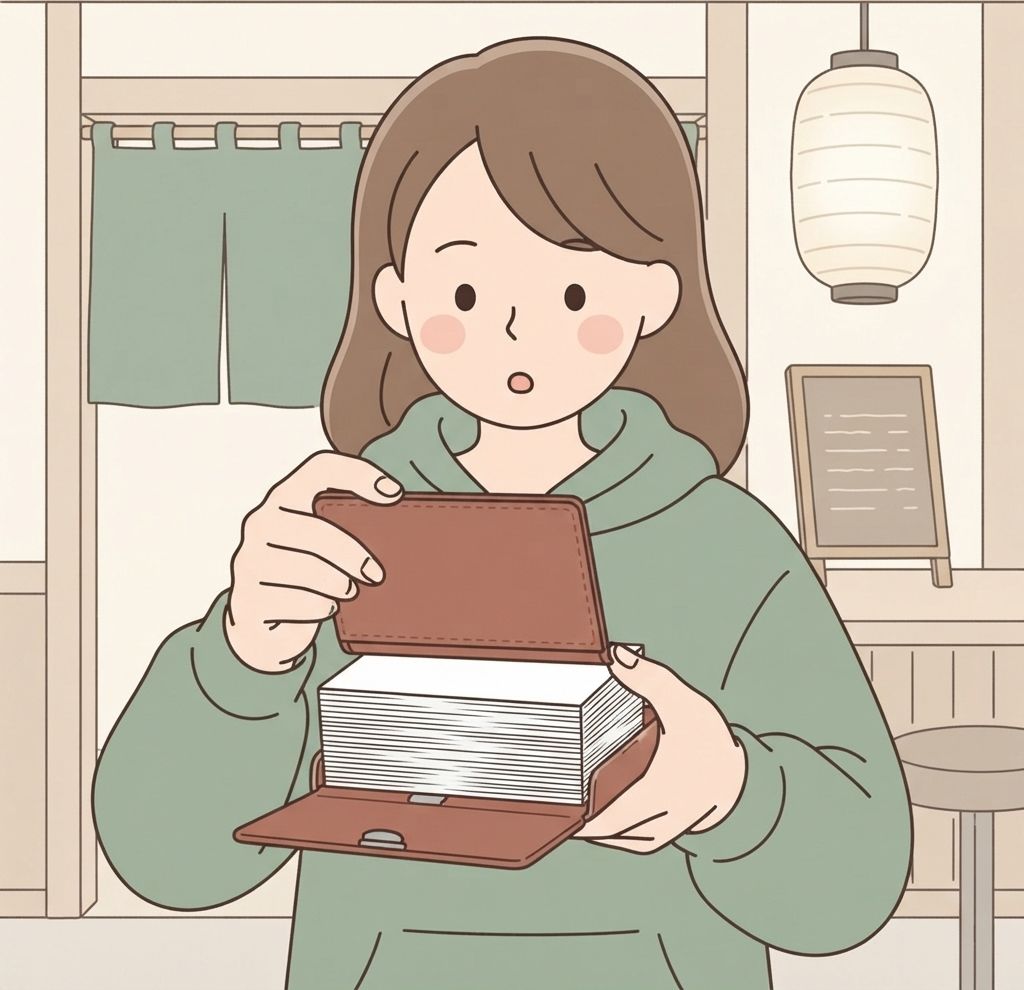
Always carry more cards than you think you'll need, in a dedicated meishi holder

Carry a dedicated meishi holder (small leather or metal case specifically for business cards) with at least 20-30 cards. Meeting with a team of four? Bring double that. Meeting with one person? Still bring 10—you might get introduced to their colleagues on the way out. The meishi holder also protects the cards from getting bent or damaged in your bag. Meishi holders are sold at stationery stores and department stores for ¥1000-3000.

Why a business card is treated like a handshake

The meishi exchange isn’t about swapping contact info — it’s a small ceremony that opens a professional relationship. Two hands, a slight bow, careful reading, placement on the table. Every step signals: “I’m giving this relationship my full attention.” In a business culture built on deliberateness and long-term trust, getting this right matters way more than it would back home.

There’s also a brutally practical reason: Japanese meetings often involve multiple people with complex names and titles. Laying the cards on the table in seating order gives you a physical cheat sheet for the entire conversation. It’s elegant and genuinely useful.

Two hands out, two hands in, card on the table, leave it there. That’s the whole ritual.

What the exchange actually looks like

  • Present — Hold your card with both hands, Japanese side facing the recipient. Slight bow. “Yoroshiku onegaishimasu.”
  • Receive — Accept with both hands. Actually read it — name, title, company. A brief moment of genuine attention.
  • Place — Set the card on the table in front of you, upper-left area. Multiple cards? Arrange them in seating order.
  • Don’t touch it again — The card stays on the table for the duration of the meeting. Put it away only when the meeting ends.

A few “nice to know” extras

  • Bilingual cards are standard — Most Japanese professionals carry cards with Japanese on one side, English on the other. If you’re printing cards for a Japan trip, do the same — your name in katakana plus company and title on the Japanese side.
  • The hierarchy dance — In formal settings, there’s sometimes an order: junior offers first, or visitors offer first. The safe default is to offer at the same time and let the senior Japanese person set the pace.
  • Carry a meishi holder — A dedicated card case (1,000-3,000 yen at any stationery store) protects your cards and signals you take the ritual seriously. Pulling a bent card from your back pocket does the opposite.
  • Digital meishi exist — Apps like Eight and Sansan are gaining ground in tech and startups, but traditional industries still expect paper. Bring physical cards as your default and treat digital as a bonus.

Quick check

Three questions to lock in the meishi exchange.

Quick check

Can you spot the right move?

  1. Q1 Should you hand a Japanese business card with one hand?

  2. Q2 Is it okay to immediately put a received business card into your wallet?

  3. Q3 Is it okay to write notes on the back of a business card you received?