Don't Hug Japanese People: Personal Space Rules

Hugging is not a Japanese greeting — even a smiling person may be deeply uncomfortable. Bow, don't reach, and don't shake unless they initiate.

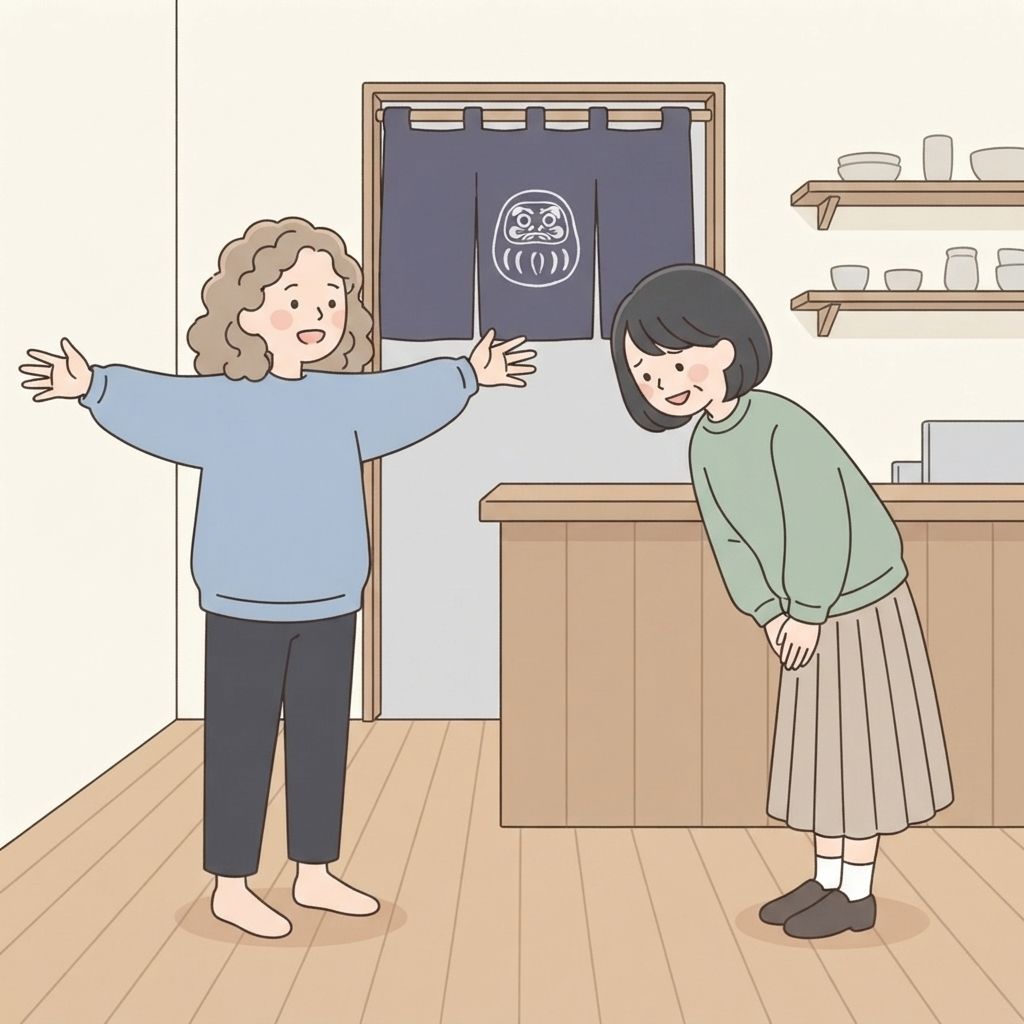
Greeting someone with a hug

NG

Opening your arms for a hug when meeting a Japanese person for the first time

In many Western cultures—especially in the US, much of Europe, and Latin America—a hug is a warm greeting that signals friendliness and openness. In Japan, it's a dramatic escalation of physical contact that most people don't expect in a greeting context. Even Japanese people who've traveled internationally and are comfortable with foreign greeting styles often find an unexpected hug uncomfortable.

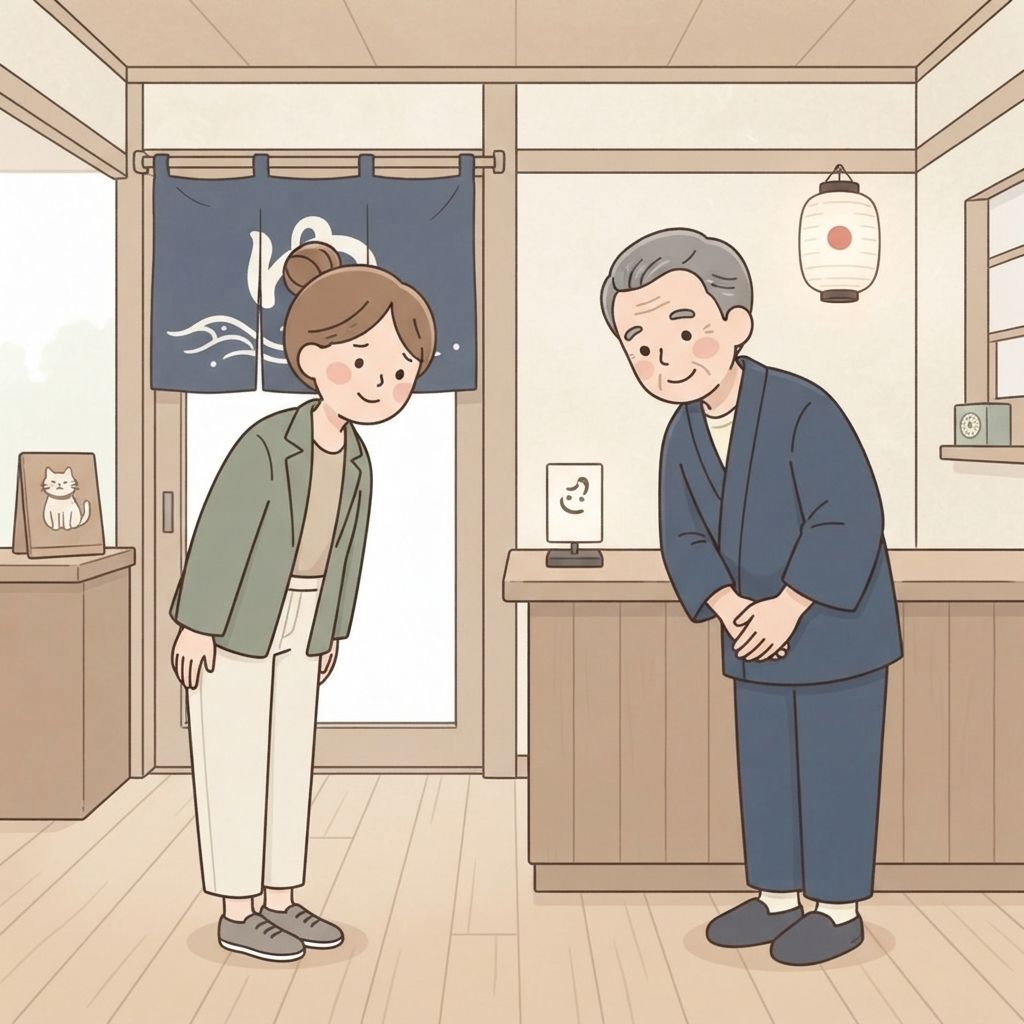
OK

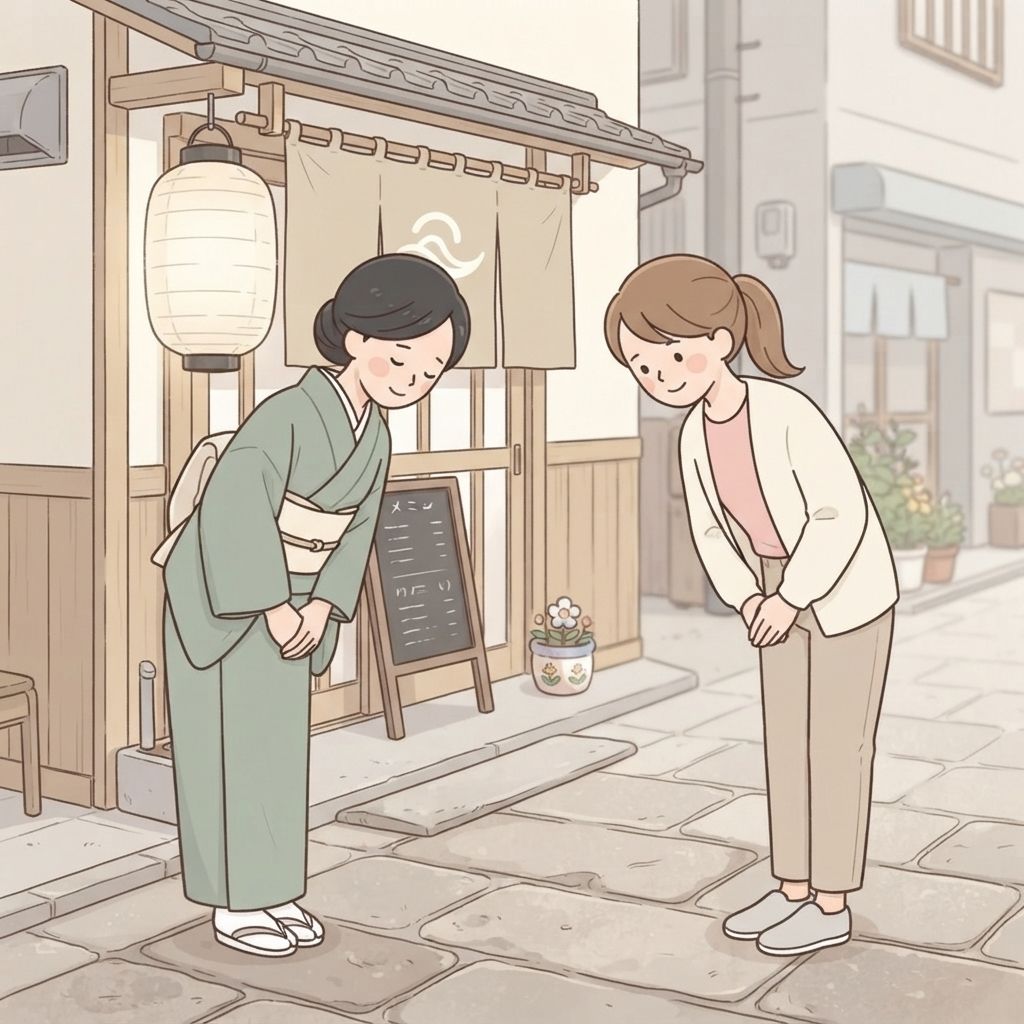
Bow, or offer a small wave. Let them initiate any physical contact

Default to the Japanese style: a polite bow (15-30 degrees), maybe a small wave if the context is casual. If the other person extends a hand for a handshake, shake it—many Japanese business professionals are comfortable with handshakes, especially when meeting foreigners. But don't initiate hugs, don't touch shoulders, and don't lean in for a cheek kiss. Let them set the physical contact level and match it.

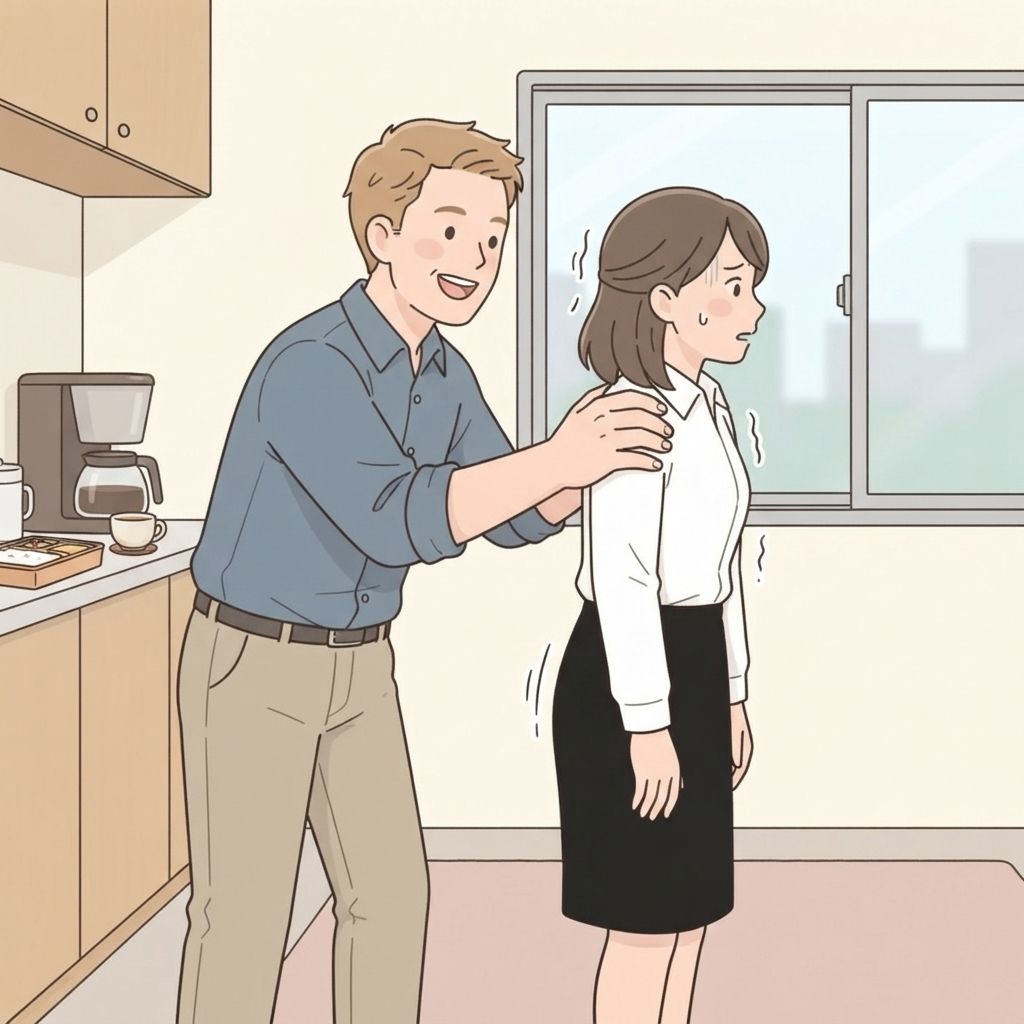
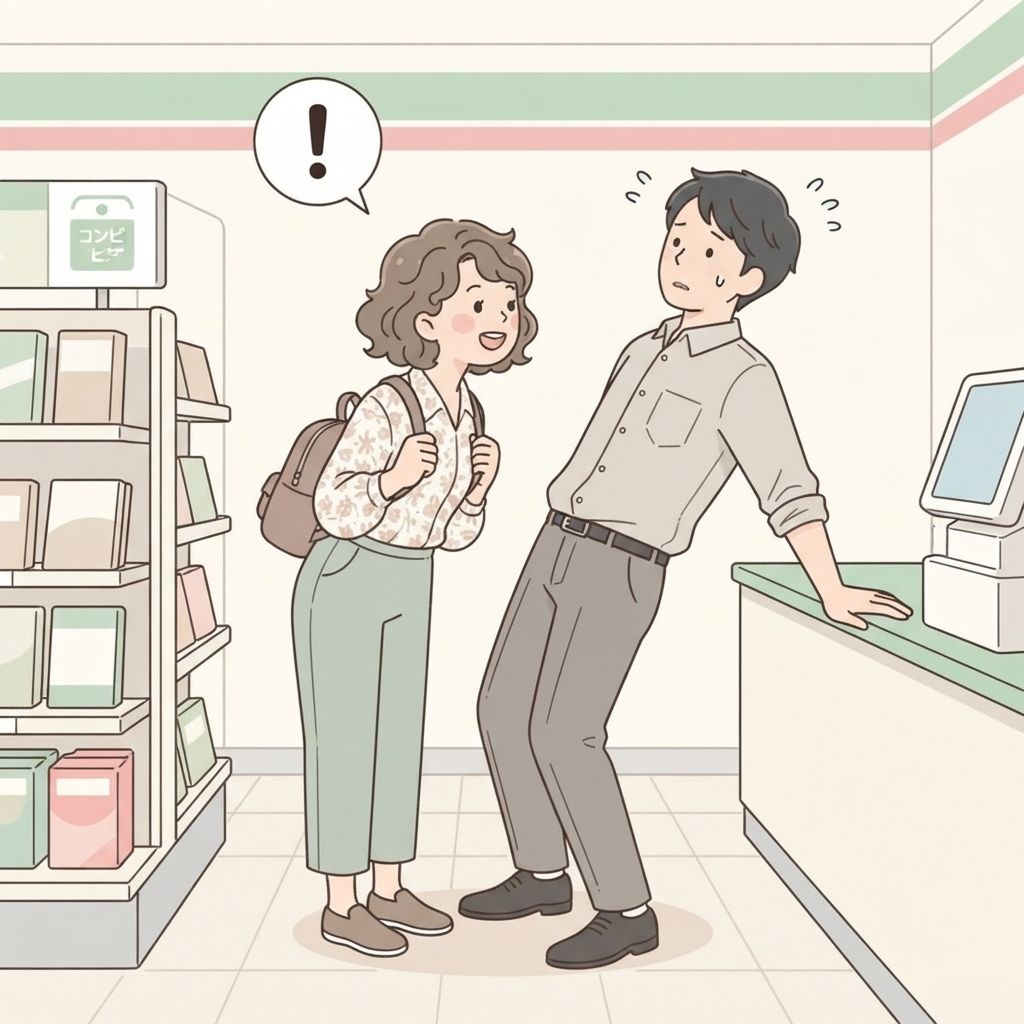
Touching someone's arm or shoulder during conversation

NG

Reaching out to touch an arm or shoulder to emphasize a point in conversation

Casual touching during conversation—a hand on the arm, a pat on the shoulder, a quick tap on the back—is common in many Western cultures and generally considered friendly. In Japan, it's much less common, and unexpected touching can feel invasive. Even touches meant as warm gestures (reassurance, encouragement, agreement) can land as awkward or uncomfortable.

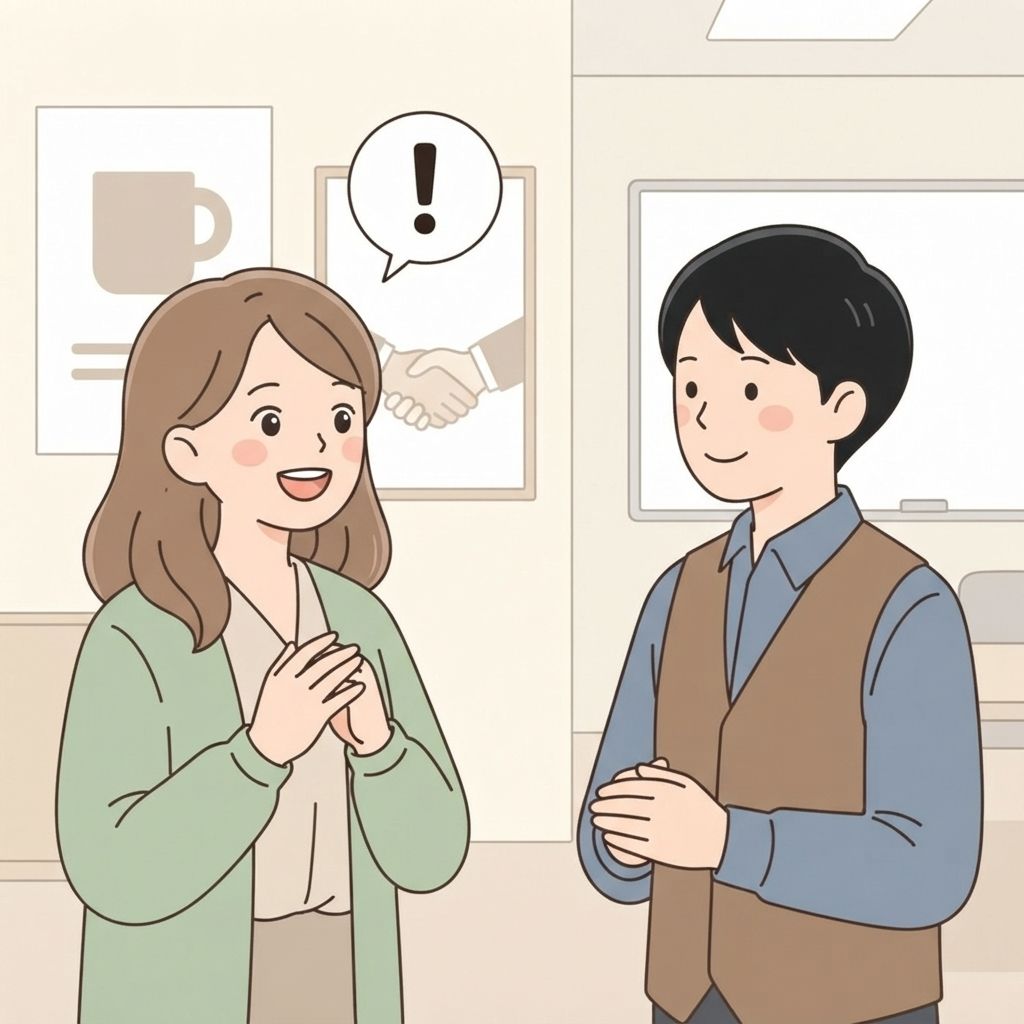
OK

Use words and facial expressions for emphasis, keep hands to yourself

Express warmth, agreement, or emphasis through verbal tone, facial expression, and body language without crossing into touch. A smile, a nod, a small laugh, a sincere 'sou desu ne!' ('yes, exactly!') all communicate warmth effectively in Japanese conversation. Keep your hands at your sides, in your lap, or holding a drink or a phone—just not on the other person.

Standing too close during conversation

NG

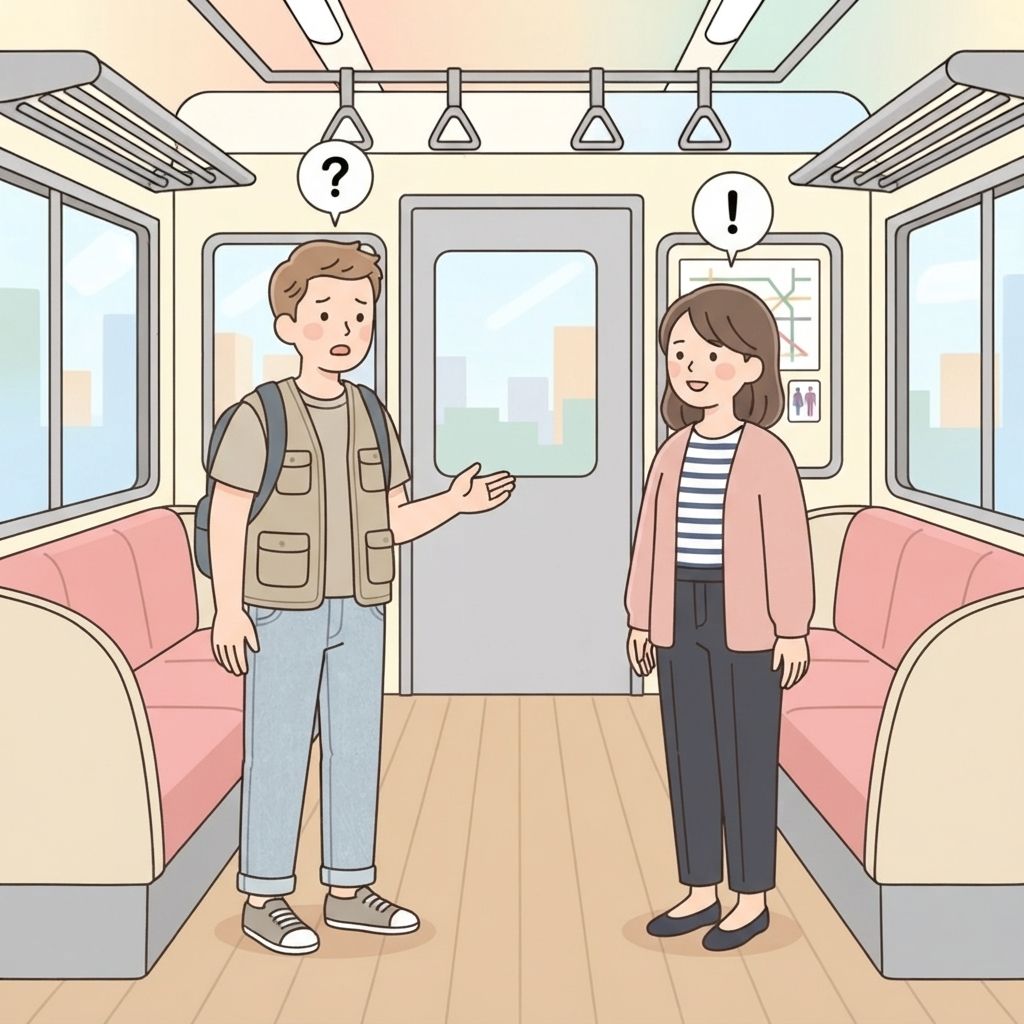
Standing within half a meter of someone while talking to them

Japanese personal space bubbles in conversation are generally larger than in many Western cultures. Standing very close during a conversation—within arm's reach—can feel intrusive and force the other person to step back. This is especially true in one-on-one professional or first-meeting contexts. Close proximity during conversation is reserved for intimate relationships or crowded necessary situations (packed trains, concerts).

OK

Stand about a meter to a meter-and-a-half away during conversation

A comfortable conversation distance in Japan is roughly a meter to a meter and a half—about an arm's length, maybe a little more. You can shorten this in loud environments where hearing is hard, but default to a respectful distance otherwise. Watch how Japanese people around you are spacing themselves and match their spacing.

Attempting cheek kisses or other physical greetings

NG

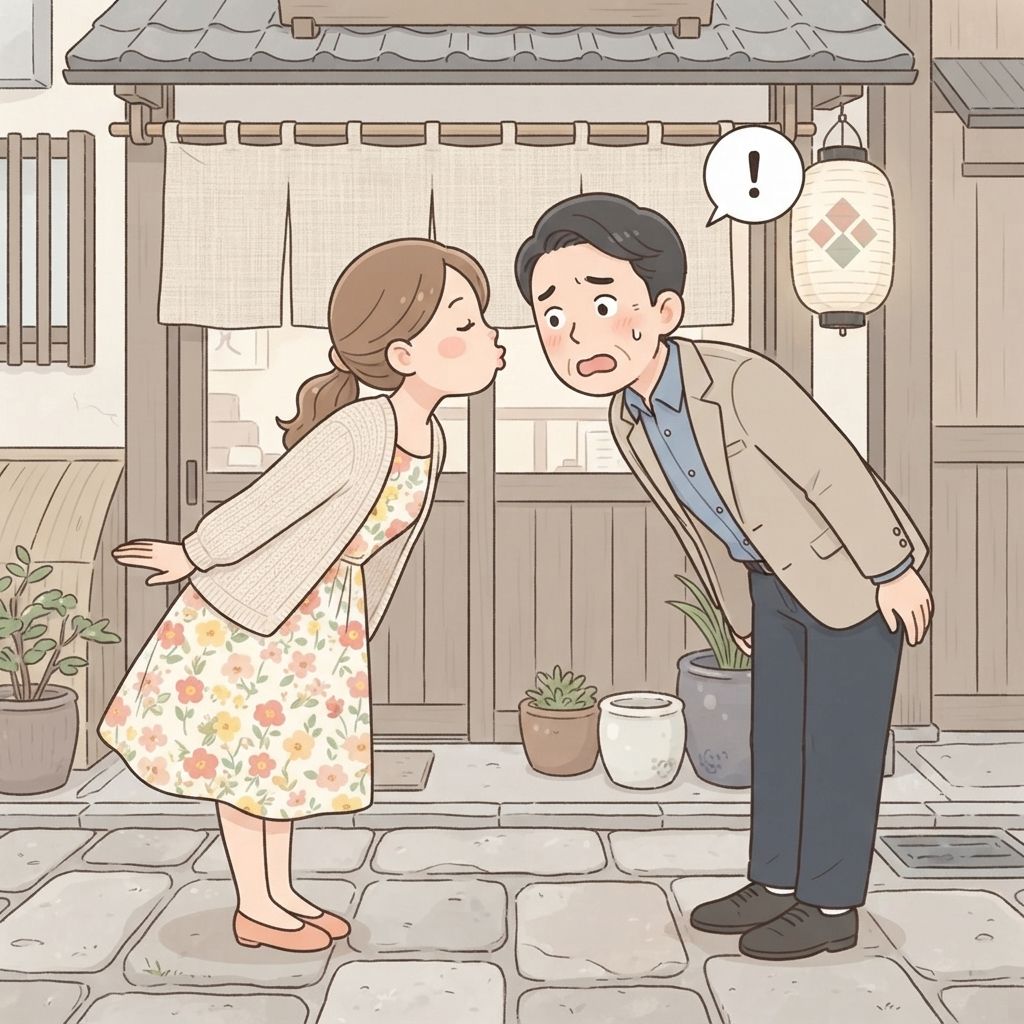
Going in for a French-style cheek kiss, a Latin American abrazo, or an Italian double-cheek greeting

Cheek kisses, European-style hugs, and any form of physical greeting that involves faces or bodies touching are even more foreign to Japanese greeting culture than the standard Western hug. A surprised cheek kiss on someone expecting a bow creates real discomfort and can become a story the person tells their friends later—not as a fond memory, but as a 'this foreigner did something weird' story.

OK

Bow only. Even if your own culture has different norms, match Japanese norms in Japan

When in Japan, meeting Japanese people, use the Japanese greeting style. This might feel reserved or cold compared to the greetings you're used to, but matching the local norm is the respectful move. You can reserve your more expressive greetings for close friends you already have, for fellow travelers from your own culture, or for people who explicitly welcome physical warmth. With Japanese people by default, stick to bowing.

Why the bow replaced the bear hug

The bow evolved as Japan’s default greeting centuries ago—respect without contact—and the no-touch norm stuck even as the country opened to the world. Japan remains one of the few major cultures where physical touch in social and professional settings is genuinely rare.

This isn’t coldness. Warmth in Japan lives in attentiveness, careful listening, small acts of consideration, and the atmosphere you build around another person. It’s just not expressed through your hands. Importing a bear hug into that system doesn’t add warmth—it overrides the warmth that’s already there and replaces it with awkwardness.

Close relationships are different, of course. Couples hug. Old friends pat each other on the back. Parents smother their kids. But for anyone you’ve just met? No touch.

Bow, no touch. Let the other person set the contact level and match it.

A few “nice to know” extras

  • Handshake-bow combo — Japanese professionals who work internationally are often comfortable with handshakes. If they extend a hand, take it—firm but not crushing—and add a small bow. This hybrid greeting is standard in international business settings.
  • Drinks loosen the rules — After a few rounds at an izakaya, shoulder pats and the occasional hug happen among colleagues and friends. Context-specific relaxation, not a permanent shift. The formal rules are back by morning.
  • Reuniting with a close friend — Read the other person. If they step toward you with open arms, go with it. If they bow, bow back. A bow with a huge smile is the Japanese equivalent of a warm hug.
  • Rush-hour trains don’t count — On a packed commuter train, personal space collapses entirely and everyone tolerates involuntary contact. The moment you step off the platform, normal distances snap back.

Quick check

Three questions to lock in the no-hug rule. Takes about 20 seconds.

Quick check

Can you spot the right move?

  1. Q1 Is a hug an acceptable greeting when meeting a Japanese person for the first time?

  2. Q2 Is casual touching during conversation (a hand on the arm, a pat on the back) normal in Japan?

  3. Q3 Should you match your home culture's greeting style or the Japanese style when greeting Japanese people?