Don't Blow Your Nose in Public in Japan — Here's Why

Loud nose-blowing in public reads as gross in Japan. The expectation: sniff quietly, step into a bathroom, or wear a mask. Not at the dinner table.

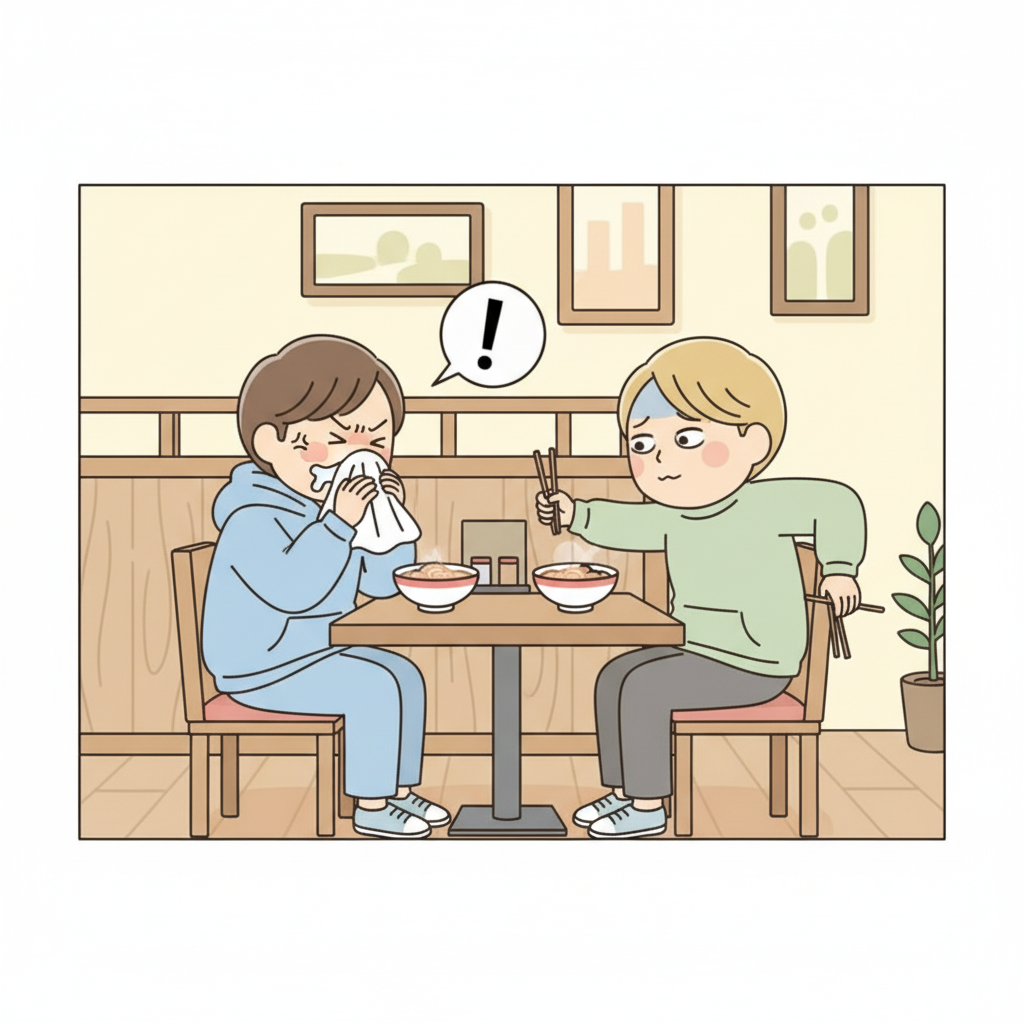
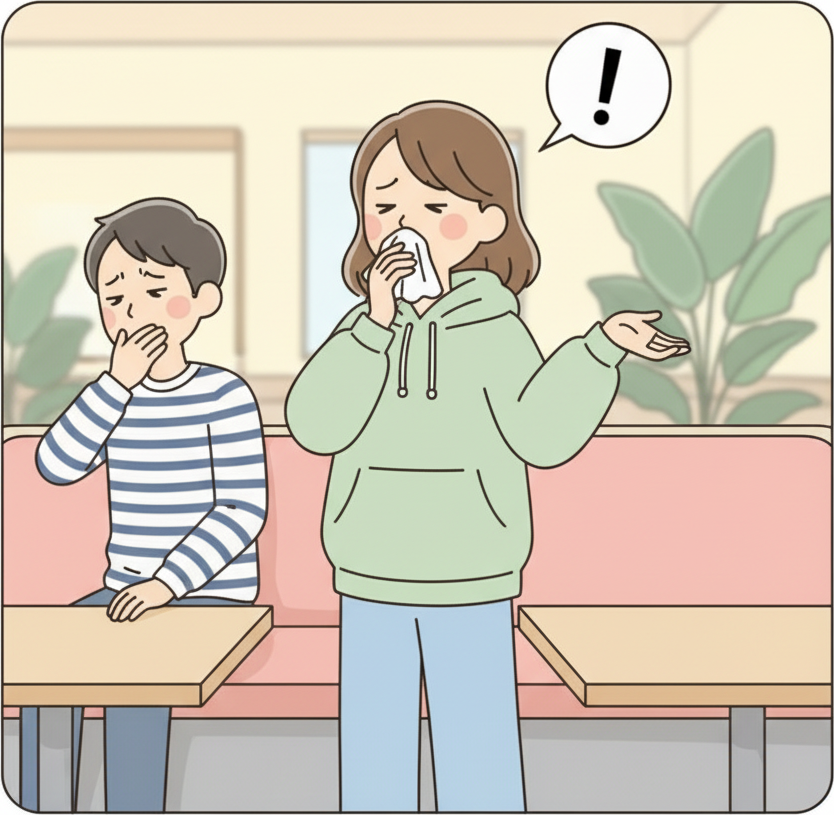
Blowing your nose at the restaurant table

NG

Pulling out a tissue and honking your nose at dinner, in front of others

This is probably the most common 'tourists vs Japanese manners' mismatch around nose-blowing. In many Western cultures, quietly blowing your nose at the table during a meal is perfectly acceptable—it's better than sniffling. In Japan, it's the opposite: blowing your nose at the table is considered disgusting, and the expectation is that you leave the table to handle it. The taboo applies even if you do it quietly and discreetly with a tissue.

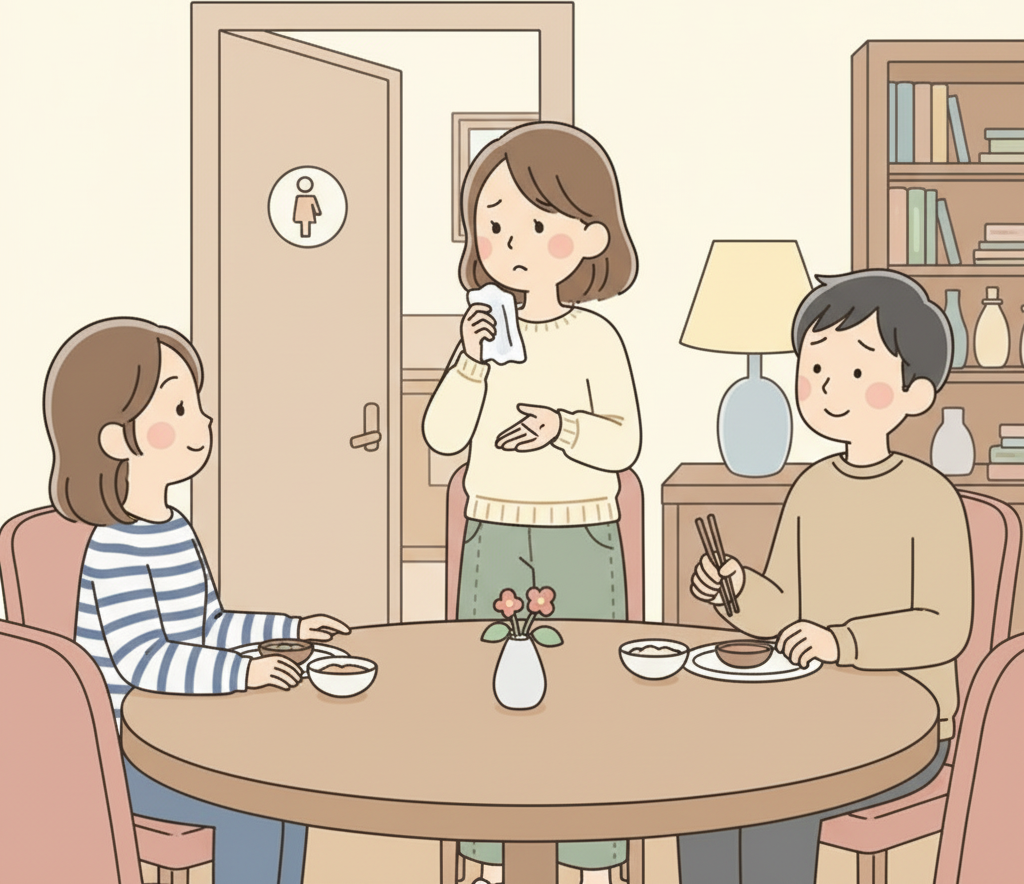
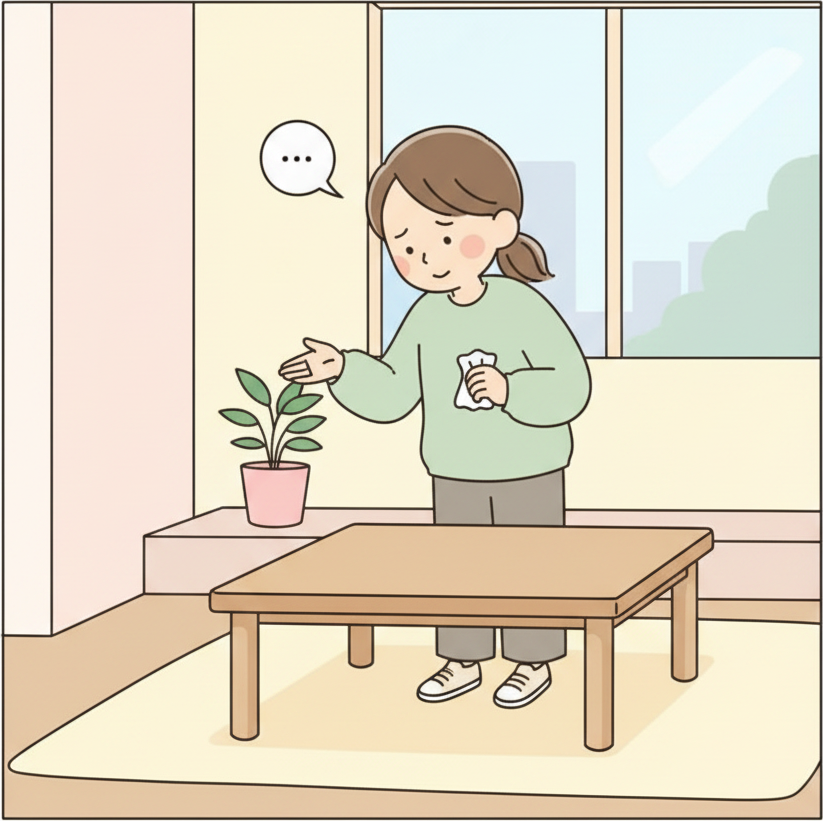
OK

Excuse yourself to the bathroom, blow your nose there, return to the table

If you need to blow your nose during a meal, say 'sumimasen' ('excuse me'), stand up, and step away to a bathroom or a corner out of sight. Blow your nose there, wash your hands, and return to the table. The brief absence is far less disruptive to the meal than the sound and sight of someone blowing their nose next to the food.

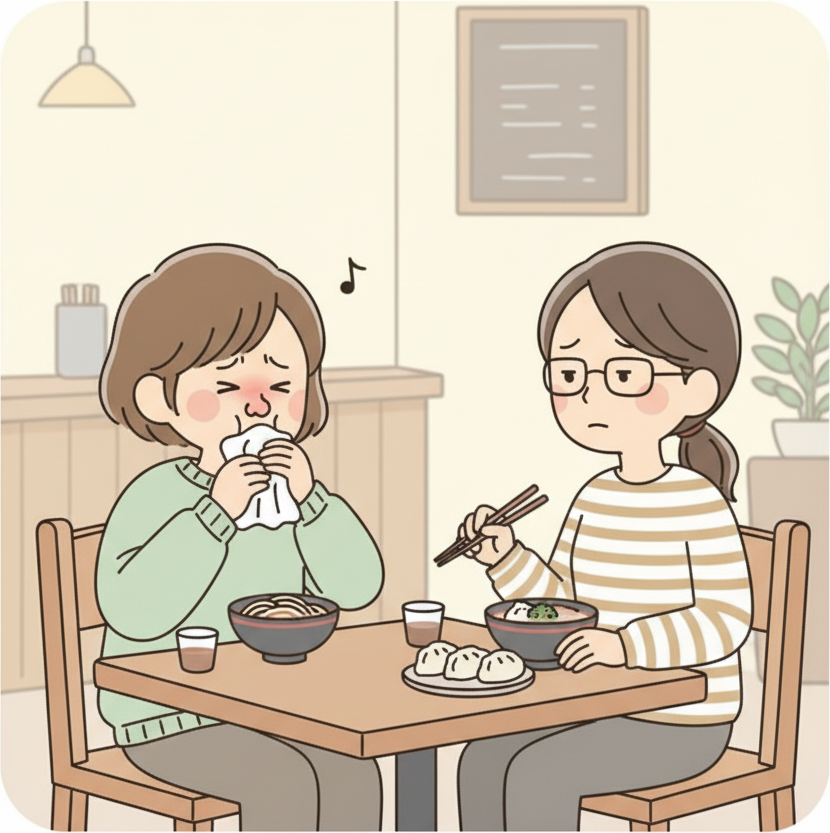
Sniffling loudly instead of going somewhere private

NG

Repeatedly sniffling loudly all through the meal or a meeting to avoid using a tissue

Some tourists, on learning that blowing your nose is rude, swing to the other extreme and just sniffle continuously instead. This isn't actually better—continuous loud sniffling is also annoying to everyone around you, just in a different way. The Japanese expectation isn't 'suffer with the congestion in public'; it's 'handle it in a private space and then come back.'

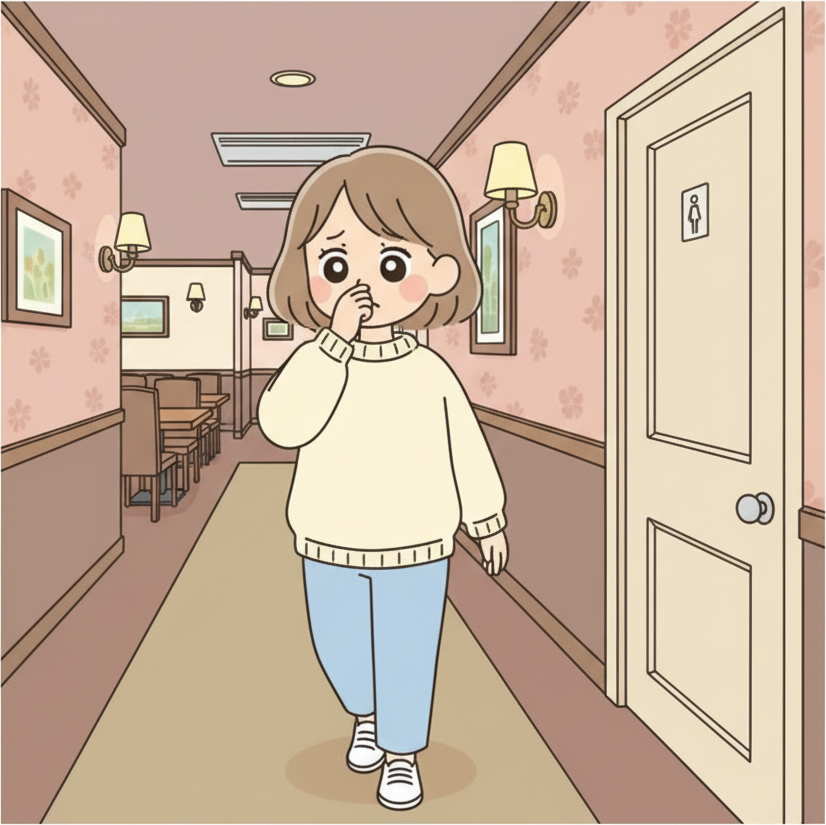
OK

Step away to handle it privately, then return

The rule is about location, not about suppression. Congested? Excuse yourself, go to the bathroom, blow your nose there, wash your hands, come back. If you're congested enough that you need to blow your nose multiple times during a meal, consider whether you should be eating out at all—stay home, rest, reduce the exposure to others. Which leads to the next card.

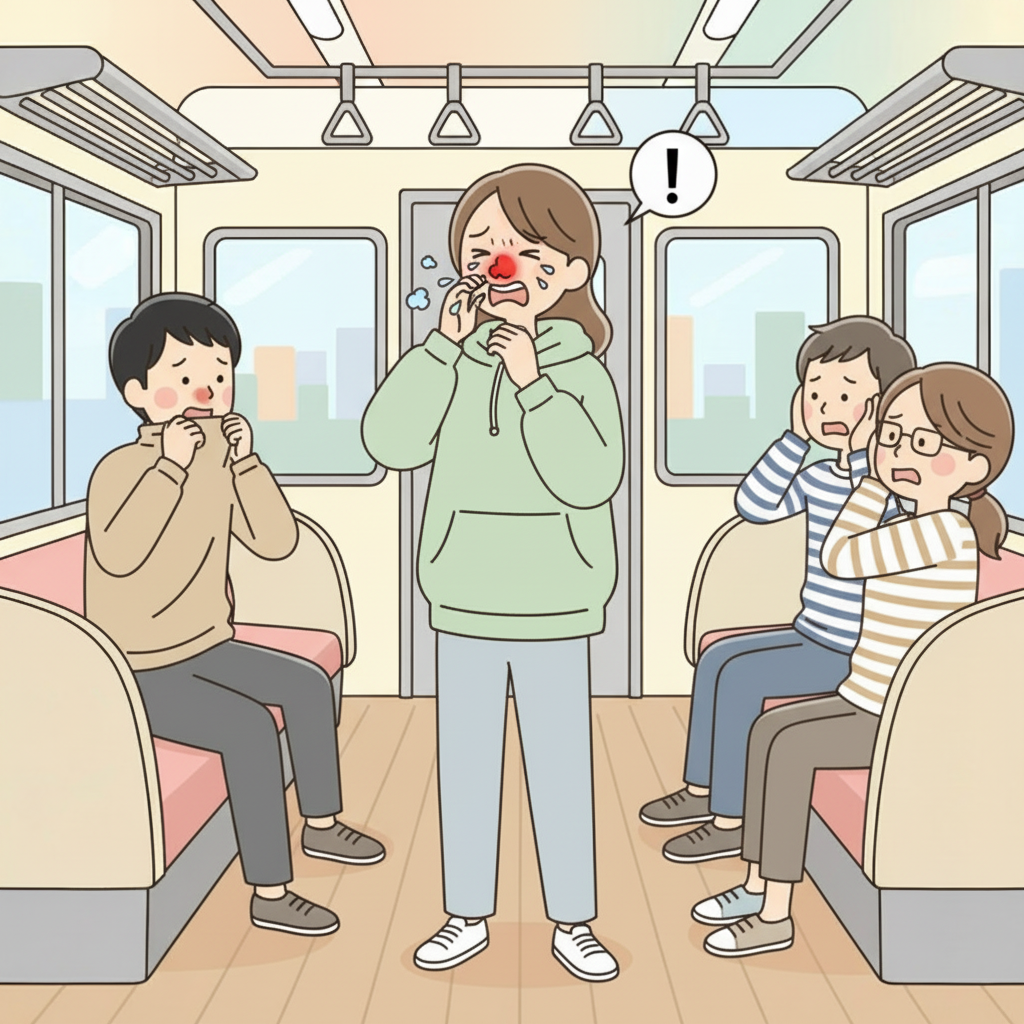
Not wearing a mask when visibly sick

NG

Going out with obvious cold symptoms and spreading them around without protection

Japan's mask-wearing culture isn't just a pandemic phenomenon—people have been wearing surgical masks when they have colds or allergies for decades. Being visibly sick (sniffling, coughing, sneezing) in public without a mask is considered inconsiderate toward everyone else. It's one of the clearer cases where Japanese culture prioritizes protecting the group over the individual's comfort.

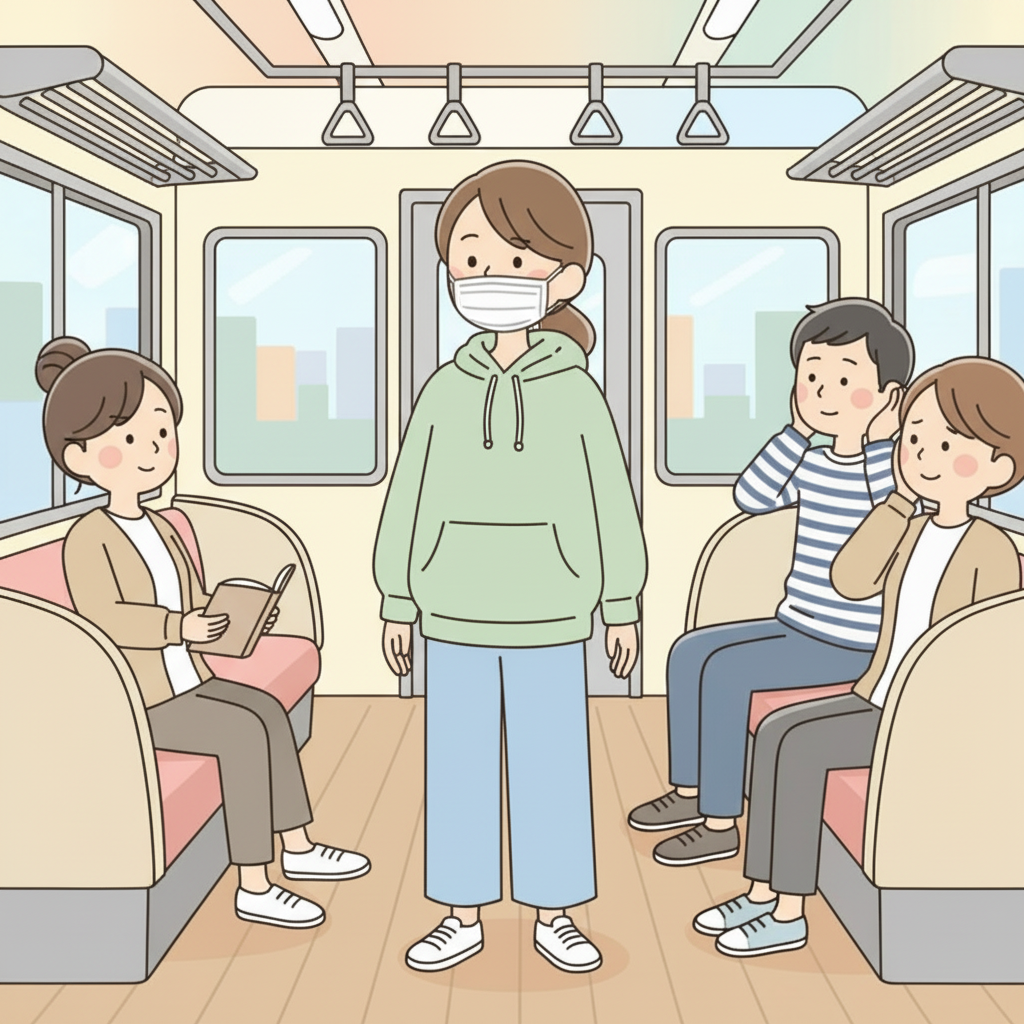
OK

Wear a mask. They're sold everywhere for ¥200-500 per box

If you have cold or allergy symptoms, wear a surgical mask in public spaces—especially on trains, in restaurants, and at work. Masks are sold at every convenience store, drugstore, and supermarket in Japan for very cheap. A standard box of 30 or 50 disposable masks runs ¥300-800 and lasts weeks. Mask-wearing is not a stigmatized or unusual behavior; it's the expected response to being sick around other people.

Treating nose-blowing as a trivial cultural quirk

NG

Brushing off the rule as 'silly Japanese manners' and blowing your nose in front of people anyway

Some visitors hear the rule and assume it's one of those quirky cultural things that doesn't really matter. It does matter—this is actually one of the stronger unspoken taboos in Japanese public manners, and violating it creates real discomfort for the people around you. It's not a minor curiosity; it's a genuine boundary worth respecting.

OK

Take the rule seriously. Step away, handle it privately, return calmly

Treat the nose-blowing rule with the same seriousness you'd give any strong cultural norm—shoes off indoors, no phone calls on trains. It's embedded deeply enough that breaking it will make people around you actively uncomfortable, even if nobody says anything. The workaround is easy and low-cost: step away, handle it, come back. Do this and nobody ever mentions it.

Why this one catches Westerners off guard

In most of Europe and North America, quietly blowing your nose at the table is the polite move—better than sniffling. Japan flips that completely. Blowing your nose in a shared space—restaurant, meeting room, train—falls in the same mental category as other visible bodily functions: something that happens, but you handle it out of sight.

The logic is part hygiene, part aesthetics. The sound breaks the composed atmosphere of a meal, and the sight of someone honking into a tissue next to the food genuinely grosses people out. The fix is dead simple: excuse yourself, bathroom, thirty seconds, done.

Step away, handle it in private, come back. That’s the whole rule.

A few “nice to know” extras

  • Free tissue packs on the street — In major cities, promoters hand out small tissue packs as advertising. Accept them—they’re genuinely useful. Japanese public restrooms often have toilet paper in the stall but nothing at the sink, so pocket tissues pull double duty.
  • Allergy season is intense — Cedar pollen hits hard from February through April. You’ll see a huge percentage of locals in masks during spring—not sick, just allergic. Pharmacies stock serious pollen-blocking masks and allergy meds.
  • Business meetings are stricter — In a formal meeting, the nose-blowing taboo is even stronger. Excusing yourself to step out briefly is completely expected and far preferred over any in-room tissue action.
  • Sniffling isn’t the answer either — Some tourists, on learning the rule, just sniffle loudly for an hour instead. That’s also annoying. The point isn’t “suffer publicly”—it’s “handle it somewhere private.”

Quick check

Three questions to lock in the nose-blowing rule. Takes about 20 seconds.

Quick check

Can you spot the right move?

  1. Q1 Is it okay to blow your nose at the dinner table in a Japanese restaurant?

  2. Q2 Is continuous loud sniffling an acceptable alternative to blowing your nose in public?

  3. Q3 Is it considered appropriate to wear a mask in Japan if you have cold symptoms?