Reading the Air (空気を読む): Japan's Unwritten Rule

Kuuki wo yomu — sensing mood and expectation without anyone saying a word — is one of Japan's most distinctive social skills. Here's how it works.

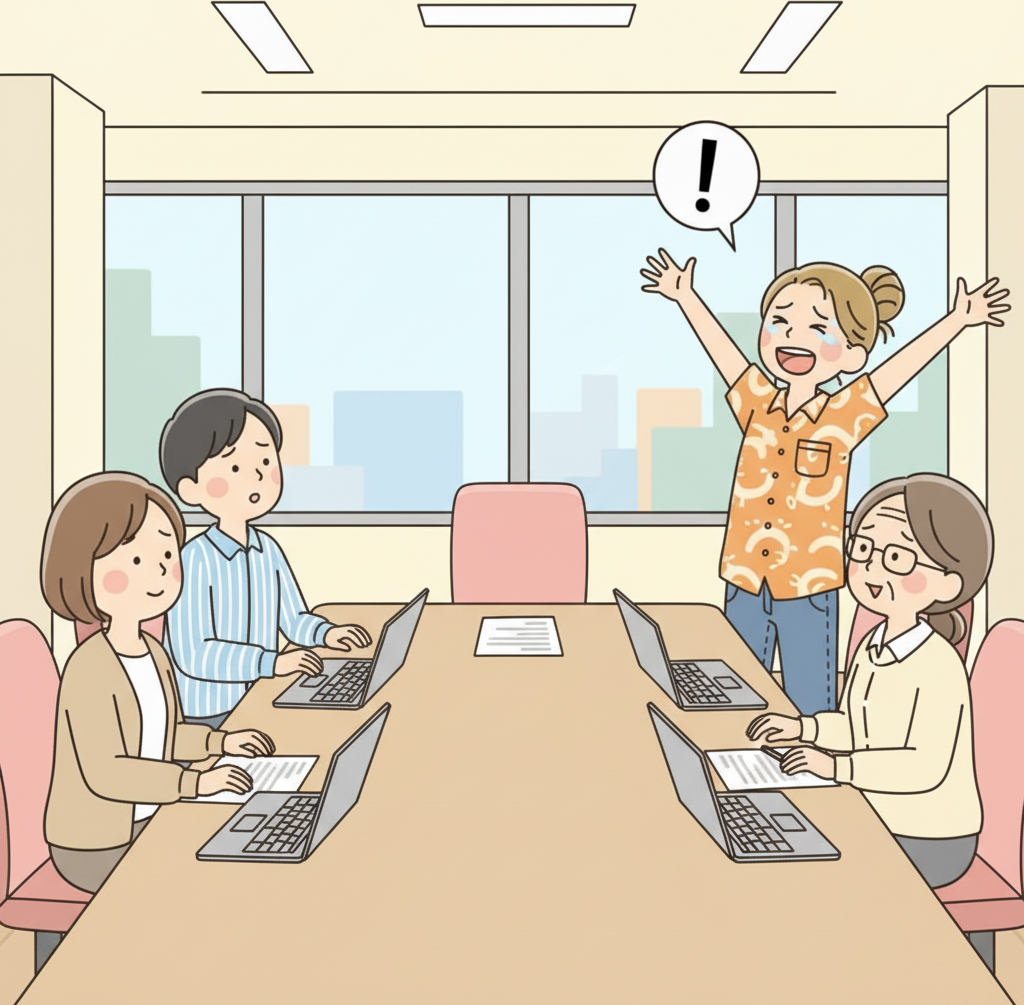
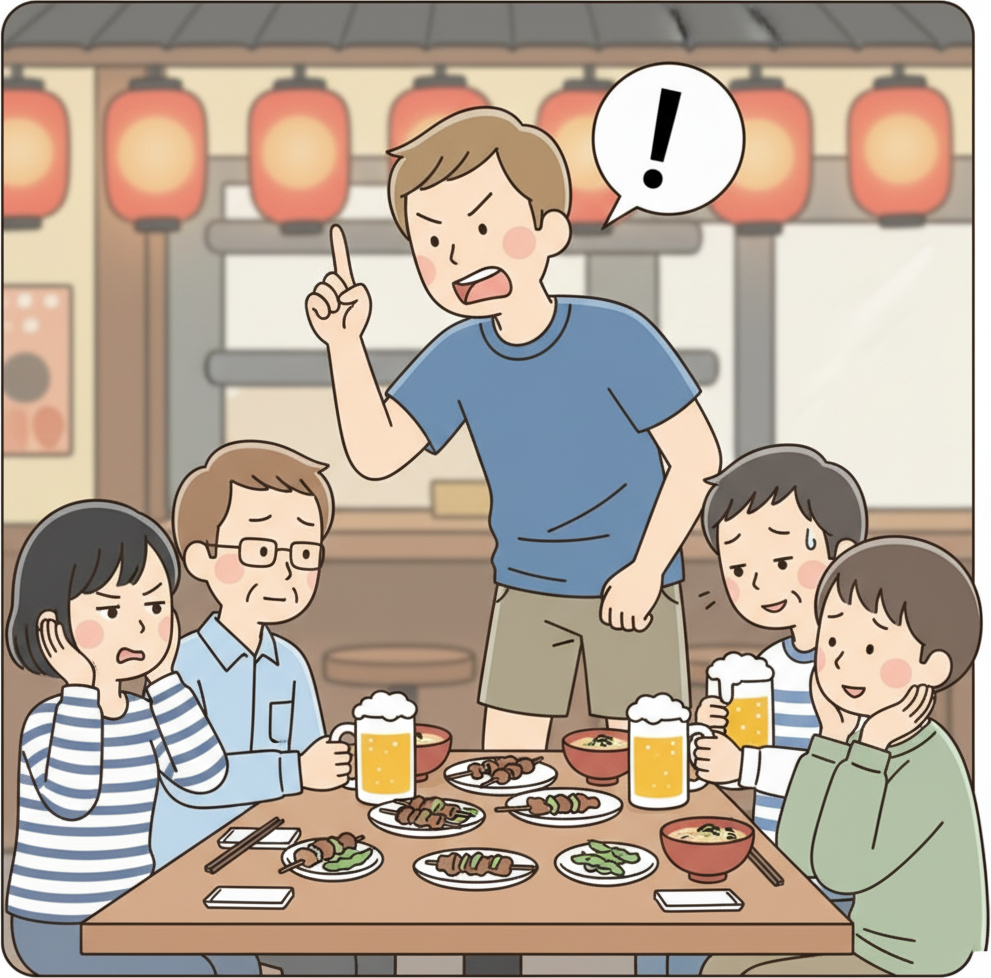
Speaking loudly or out of turn when the room is quiet

NG

Telling a loud joke in a quiet room where everyone else is being subdued

If a group is sitting quietly, speaking in low voices, or has gone silent for a reason, the expectation is that you match the energy. Someone who barrels in with a loud greeting or a joke while everyone else is being quiet is the classic example of 'reading the air badly' (空気が読めない, KY—'one who can't read the air'). It creates friction and marks the person as socially inattentive.

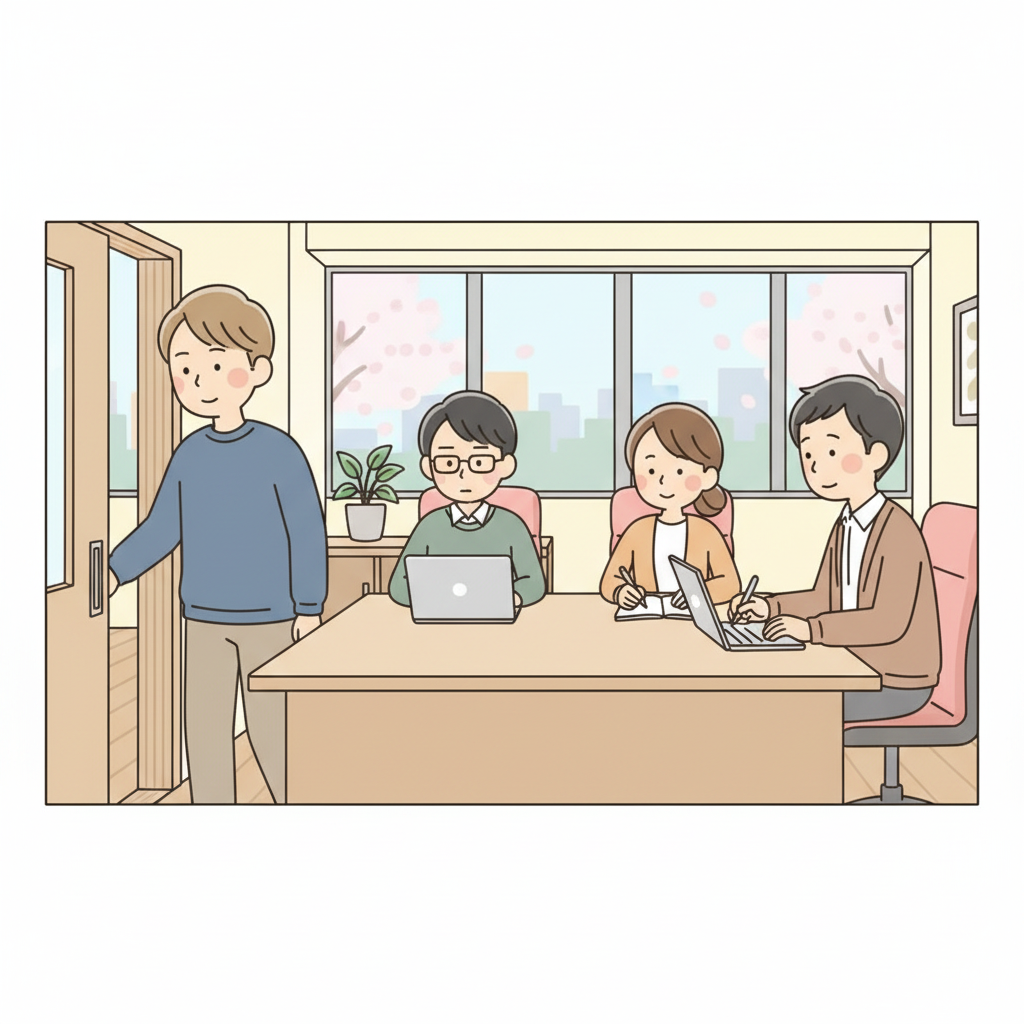
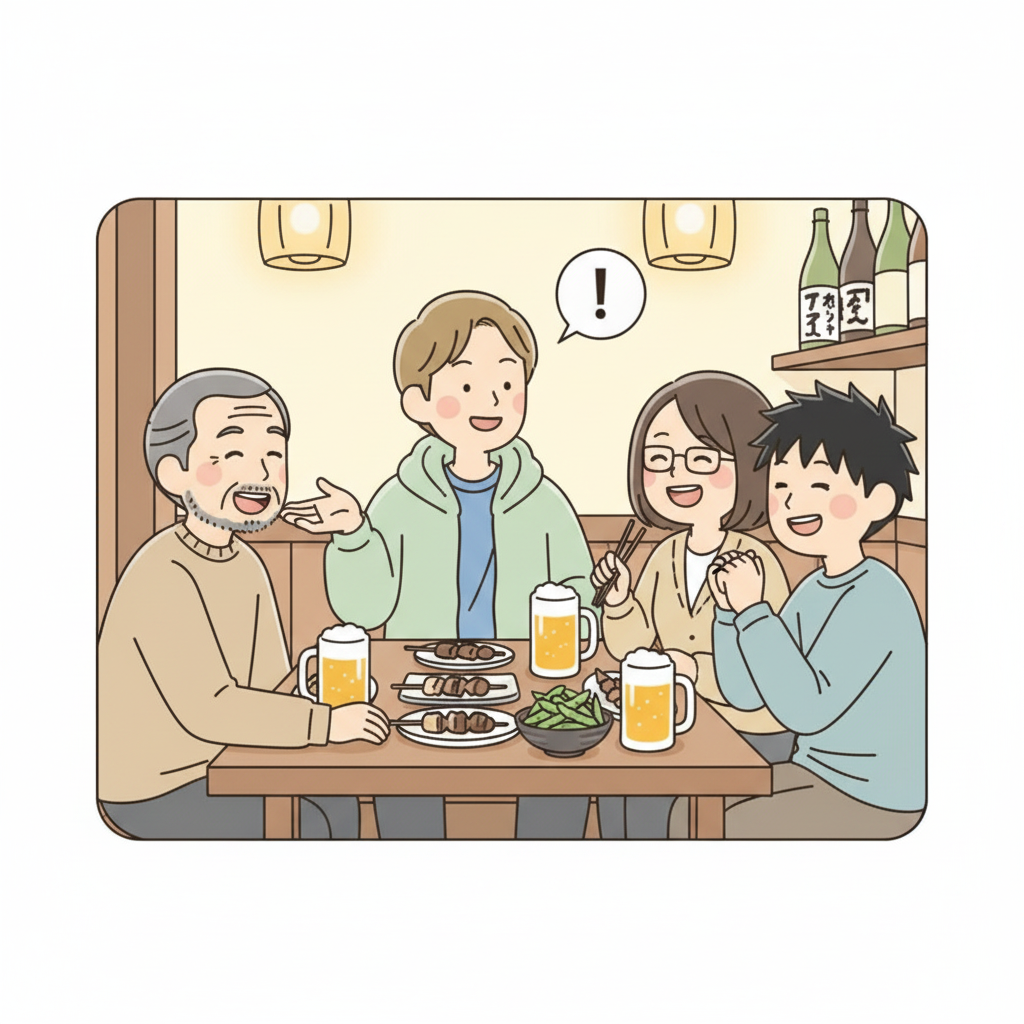
OK

Match the room's volume, energy, and pace

When you walk into a room or join a group, spend a second noticing the energy before you say anything. Is everyone quiet and focused? Speak softly, move slowly, save the enthusiastic greeting for later. Is everyone laughing and loud? Match that level. The air is a reference point you calibrate against, not a neutral background you assert yourself on top of.

Ignoring indirect signals and waiting for explicit instructions

NG

Refusing to pick up on hints and insisting on direct verbal confirmation for everything

Japanese communication runs heavily on indirect signals: a pause, a vague 'maybe,' a change in topic, a subtle shift in body language. The expectation is that you'll read these signals and adjust accordingly. Someone who refuses to pick up on indirect cues and demands explicit 'yes' or 'no' answers is seen as socially tone-deaf—not because the direct approach is wrong, but because it ignores the information that was already communicated.

OK

Pay attention to pauses, tone shifts, and indirect language

Common signals: 'chotto...' (a little...) usually means 'no but I'm being polite.' 'Kangaesasete kudasai' (let me think about it) usually means 'probably no.' A long pause after you propose something usually means the other person isn't on board. A change in topic right after a difficult question often means 'I don't want to discuss that.' None of these require Japanese language skills to notice—they're pauses, hesitations, and tone shifts that translate across languages.

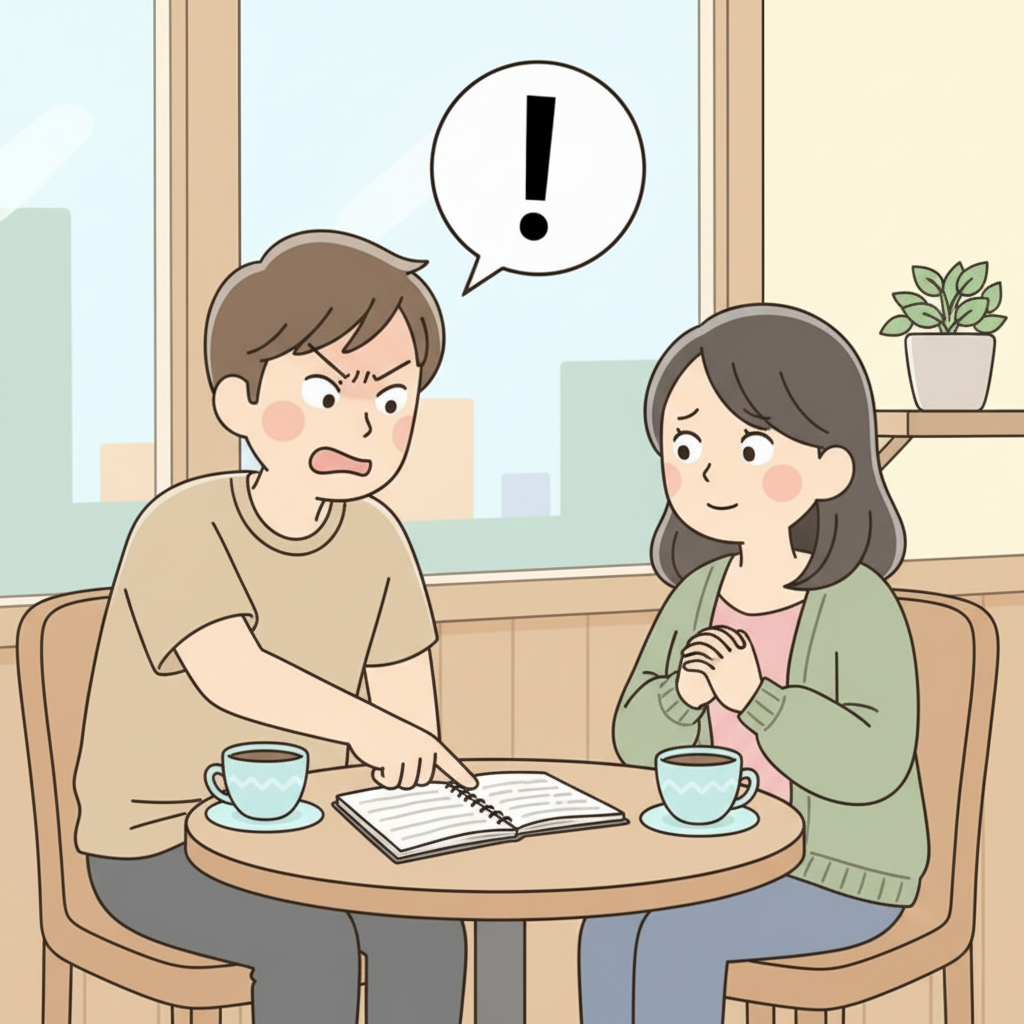
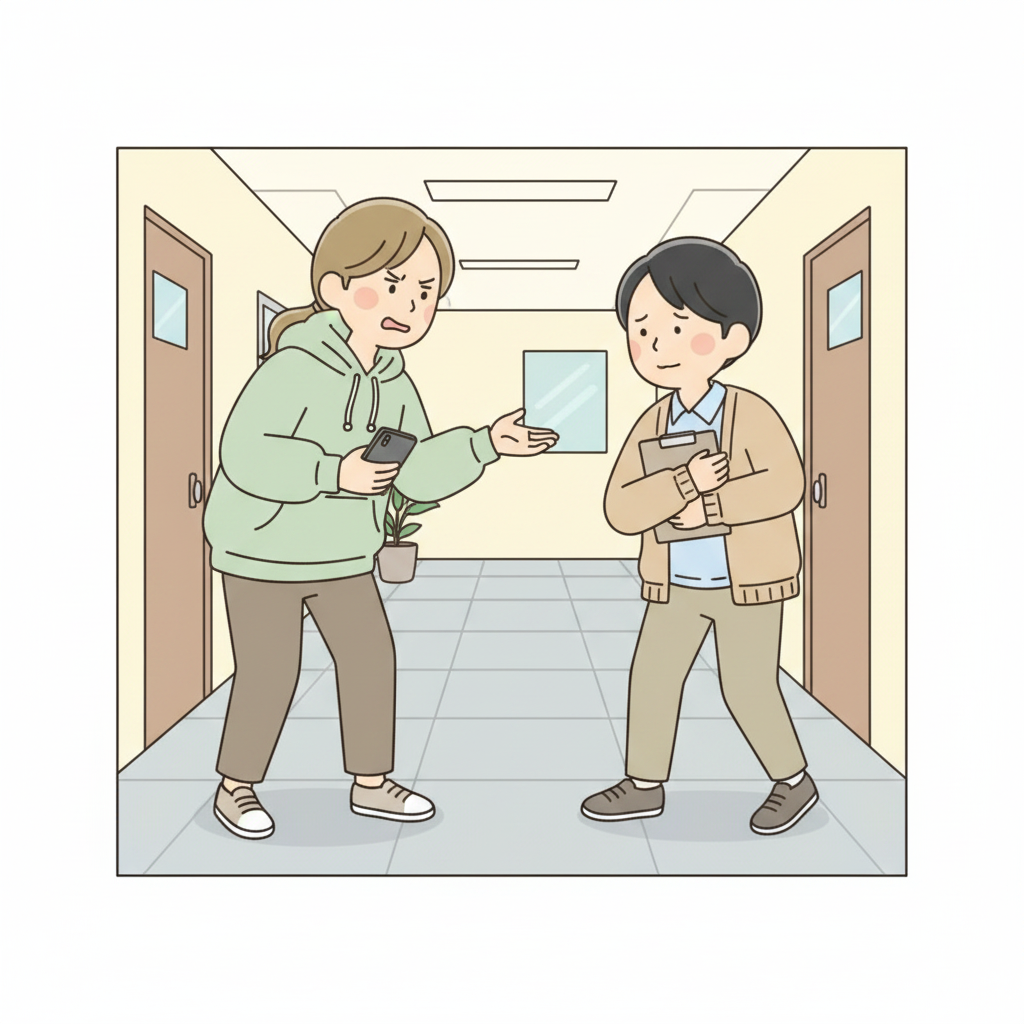
Pushing someone to commit or be direct when they're giving vague answers

NG

Responding to 'maybe' with 'no, I need a definite answer now'

If someone gives you a vague or soft answer in Japan, they're often saying 'no' or 'not comfortable' in an indirect way. Pushing them to be more direct doesn't get you a better answer—it just creates pressure and discomfort. In a culture where maintaining harmony and avoiding explicit refusals is valued, vagueness is the polite 'no,' and trying to force it into a clear yes/no can feel aggressive.

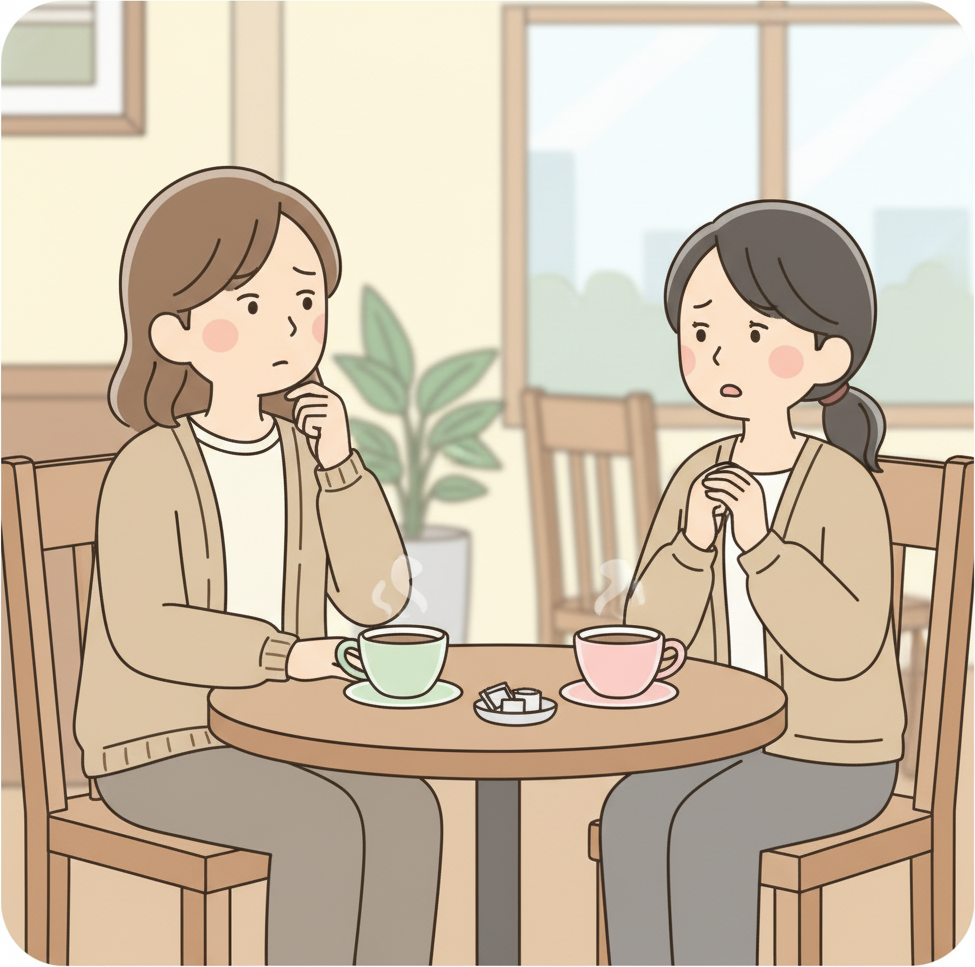
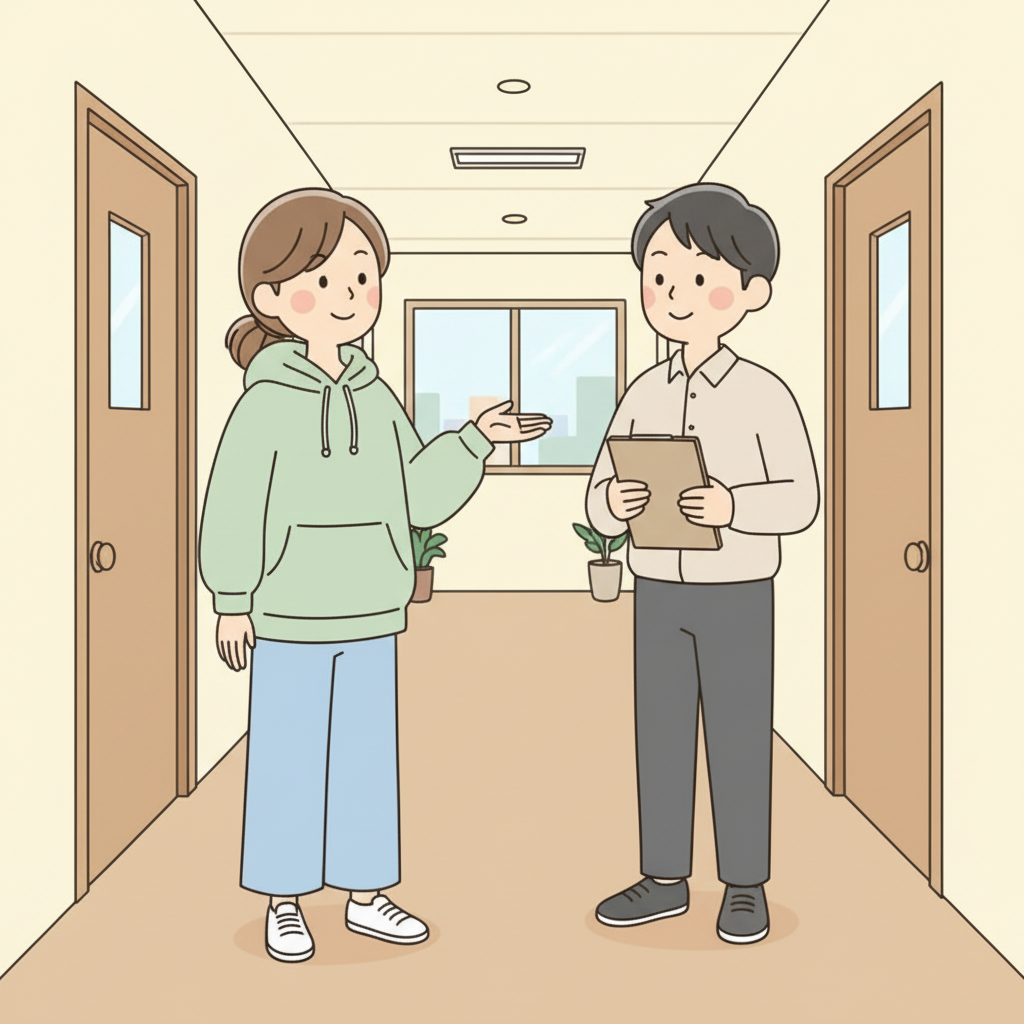
OK

Accept vague answers at face value, or gently offer an alternative

If someone gives you a soft 'maybe' or 'it's a little difficult,' treat it as a probable no. You can gracefully move on ('OK, no problem, maybe next time') or gently offer an alternative ('would another day work better?'). Don't press for specifics. The person giving the vague answer is usually hoping you'll understand without them having to say no explicitly—and reading the air correctly here is exactly the skill being described in this article.

Oversharing personal information or opinions in a new group

NG

Launching into personal opinions about politics, religion, or private matters with people you just met

Japanese social gatherings, especially in professional or mixed contexts, tend to avoid contentious personal topics unless the group has already built up a base of familiarity. Jumping into strong opinions about politics, religion, or private matters with relative strangers can feel jarring—not because the opinions are wrong, but because you've broken the unspoken agreement about what kinds of topics are on the table.

OK

Start with neutral topics, read the room, escalate slowly

Safe starting topics in Japan: food, travel, weather, hobbies, observations about the immediate surroundings. If the group moves toward more personal subjects, you can follow—but don't lead the group there yourself. Let the depth of conversation emerge naturally from the established rapport, rather than forcing it by being personally vulnerable first. This is what 'reading the air' looks like in conversation pacing.

Why “reading the air” runs everything

In Japan, a huge amount of communication happens without anyone actually saying anything. The volume of a room, the pace of a conversation, a pause after your question, a vague “maybe” instead of a clear “no” — all of it carries meaning you’re expected to pick up on. This skill has a name: kuuki wo yomu (空気を読む), literally “reading the air.”

Not being able to do it also has a name — KY (空気が読めない) — and it’s a mild insult meaning “socially oblivious.” The concept is taught from childhood through constant feedback, and it’s baked into every social interaction from office meetings to dinner parties.

You’re not expected to be perfect at it as a visitor. But you are expected to try. Pause before you speak. Notice the room. Match its energy. That one habit covers about 80% of reading the air correctly.

Pause. Notice. Match. That’s the whole skill in three words.

The indirect “no” — how to spot it

  • “Chotto…” — Means “a little…” and almost always means “no, but I’m being polite about it.”
  • “Kangaesasete kudasai” — “Let me think about it.” Usually means probably no.
  • A long pause after your suggestion — The other person isn’t on board.
  • A sudden topic change — They don’t want to discuss it and are hoping you’ll take the hint.

None of these require Japanese language skills to notice — they’re pauses, hesitations, and tone shifts that translate across any language.

A few “nice to know” extras

  • Honne and tatemae — “Honne” is your true feelings; “tatemae” is the public face you present. Japanese social life runs heavily on tatemae, and that’s not dishonesty — it’s a shared agreement that smooths friction. Everyone knows the game.
  • Silence is information — A thoughtful pause in conversation isn’t awkward here — it’s meaningful. Rushing to fill every silence can actually interrupt the communication that the silence was doing.
  • Direct is fine in service contexts — Ordering food, buying tickets, asking for directions — all direct. The indirect-communication expectation mostly applies to social and professional settings, not transactional ones.
  • Osaka is louder — People in Osaka are famously more direct and blunt than Tokyo. Younger generations everywhere also tend to operate with lower reading-the-air expectations. Calibrate based on who you’re with.

Quick check

Three questions to lock in the reading-the-air instinct.

Quick check

Can you spot the right move?

  1. Q1 Is 'reading the air' about matching the energy and mood of a group?

  2. Q2 If someone gives you a vague or soft 'maybe' answer, should you push them for a definite yes or no?

  3. Q3 Should you jump into strong personal opinions about politics or religion when meeting new people in Japan?