Depato Etiquette: Shopping Japan's Department Stores

Japanese department stores run on ceremony — the opening bow, the food hall downstairs, the elevator operators. Here's how to move through them.

Barging through the opening ceremony

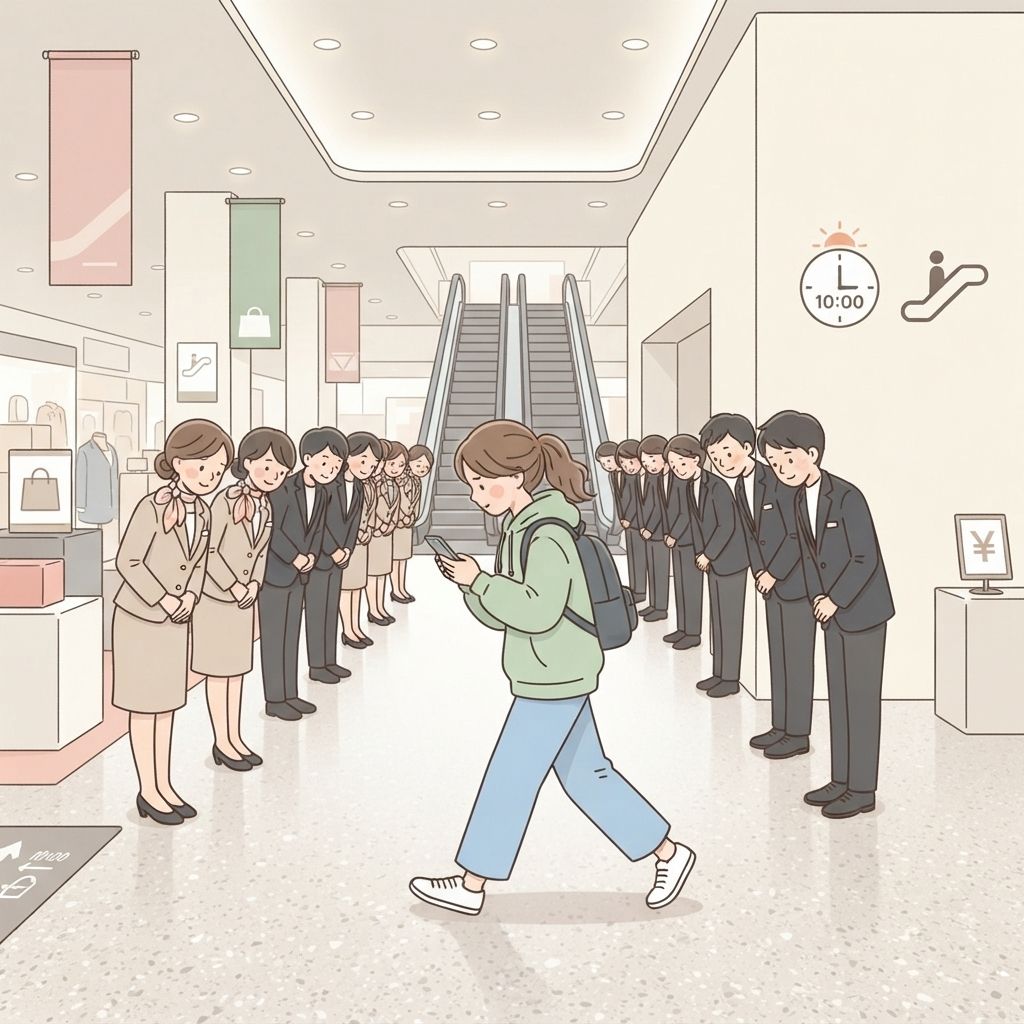
NG

Rushing past staff who are lined up and bowing at opening time

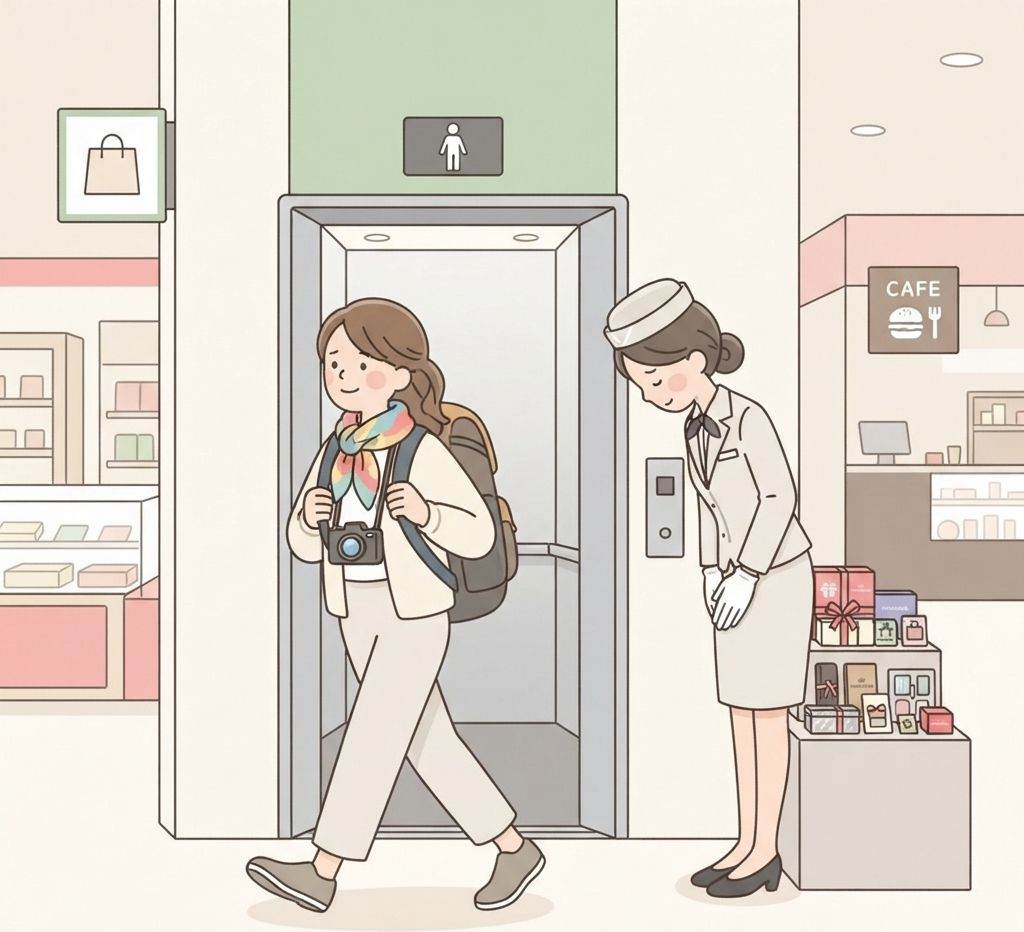
When a Japanese department store opens—exactly at 10am, not 10:01—the staff near the entrance and escalators line up and bow to incoming customers. Walking straight through the line at pace, staring at your phone, is the retail equivalent of walking through someone's greeting without acknowledging them.

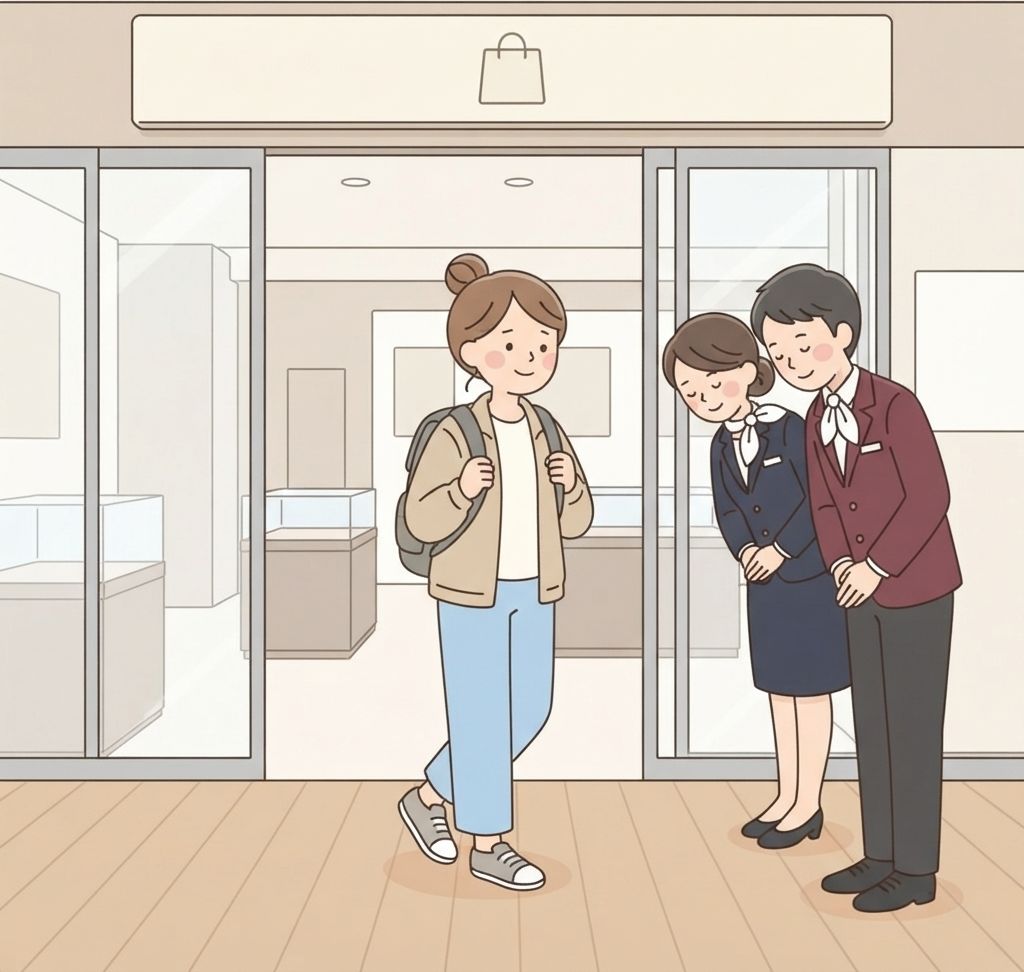
OK

Pause briefly, acknowledge the bow with a small nod, then proceed

You don't need to bow deeply back or say anything. A slight nod and a momentary slowdown is plenty. It takes two seconds and genuinely means something to staff who do this as part of their professional practice every single day.

Grabbing depachika samples

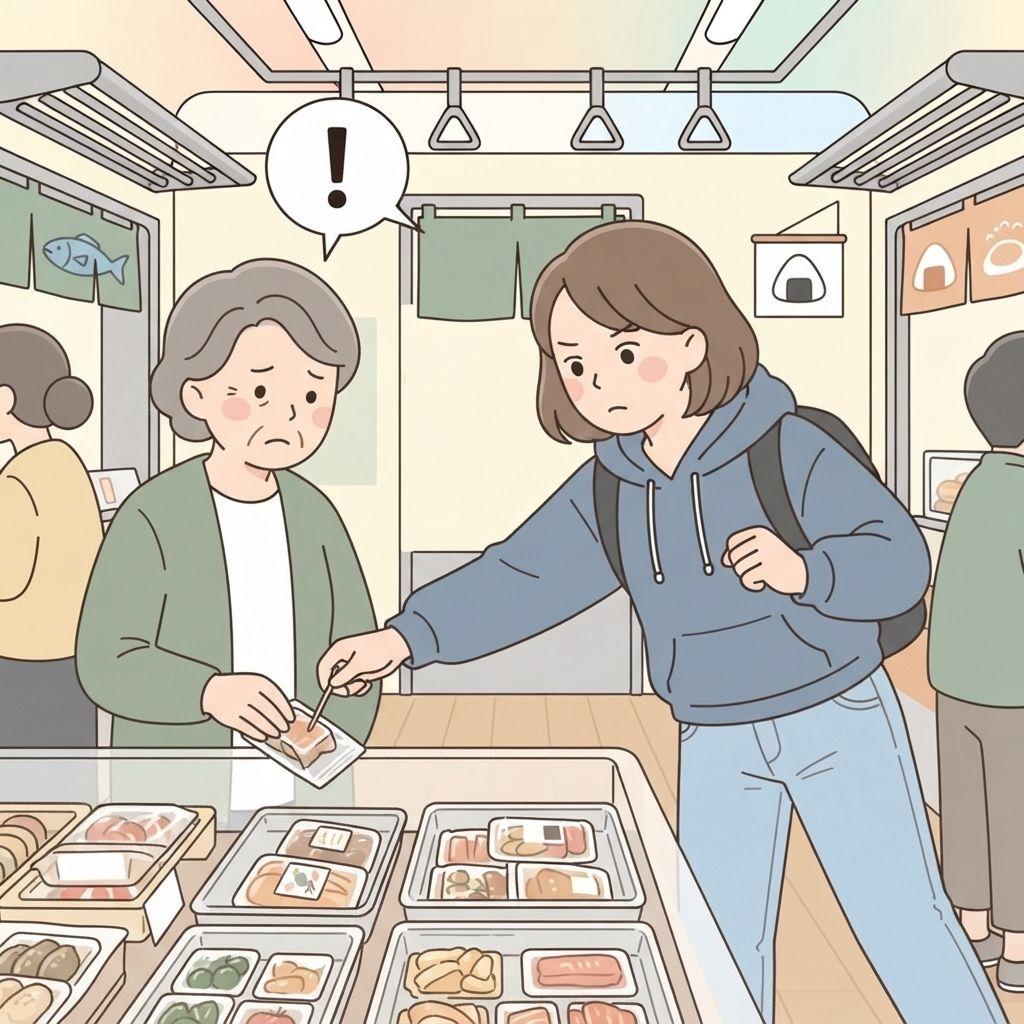
NG

Reaching across others to snag samples from the basement food hall without making eye contact

The depachika (basement food hall) has a constant low-grade choreography around sample-giving. Staff offer samples—you receive them. The direction of the transaction matters. Lunging across someone else to grab a third piece of cheese cake without any acknowledgment of the person offering it is a clear breach.

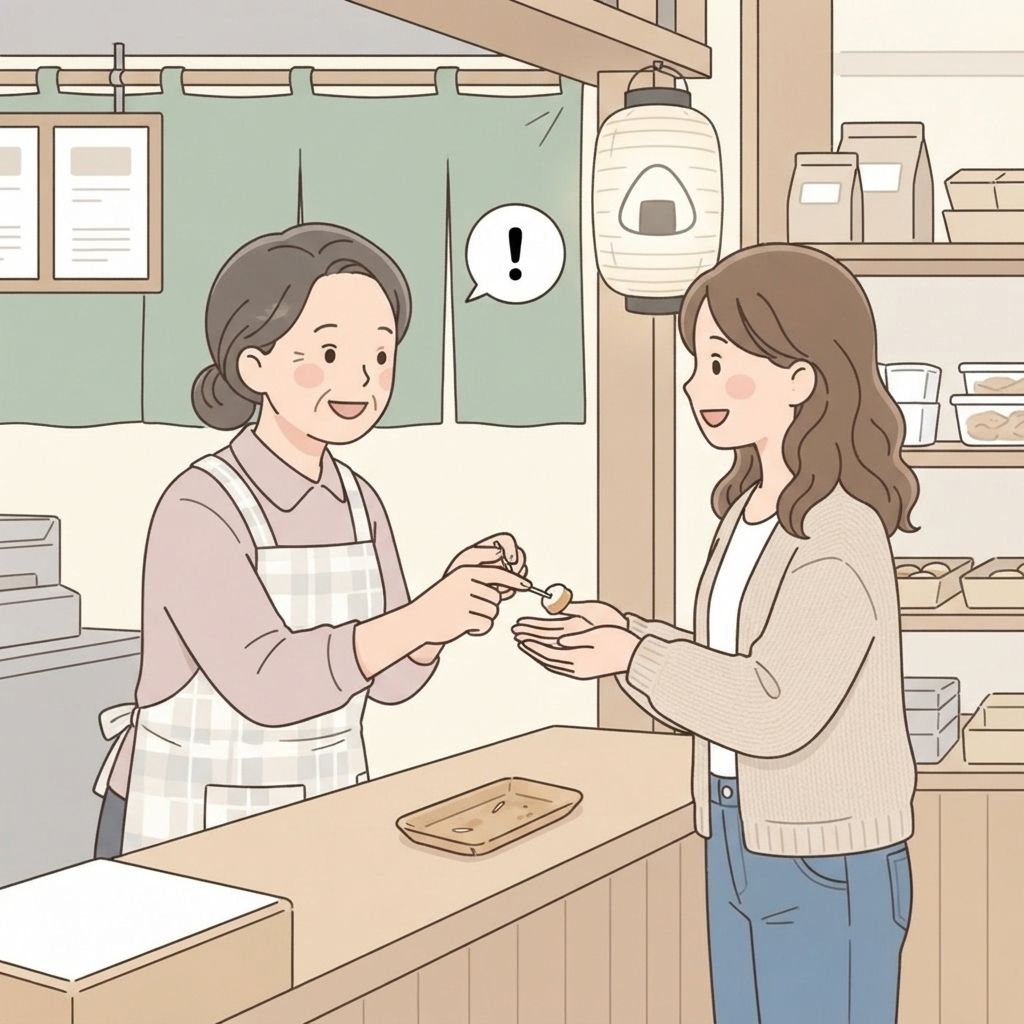
OK

Wait for the staff to offer, receive with a slight bow, and don't double-dip at the same counter

Make eye contact, accept what's offered, say 'arigatou' or nod, and move on. One sample per item is the unspoken cap. Going back for another round at the same counter is noticed.

Ignoring the elevator operators

NG

Treating the white-gloved elevator attendant as furniture

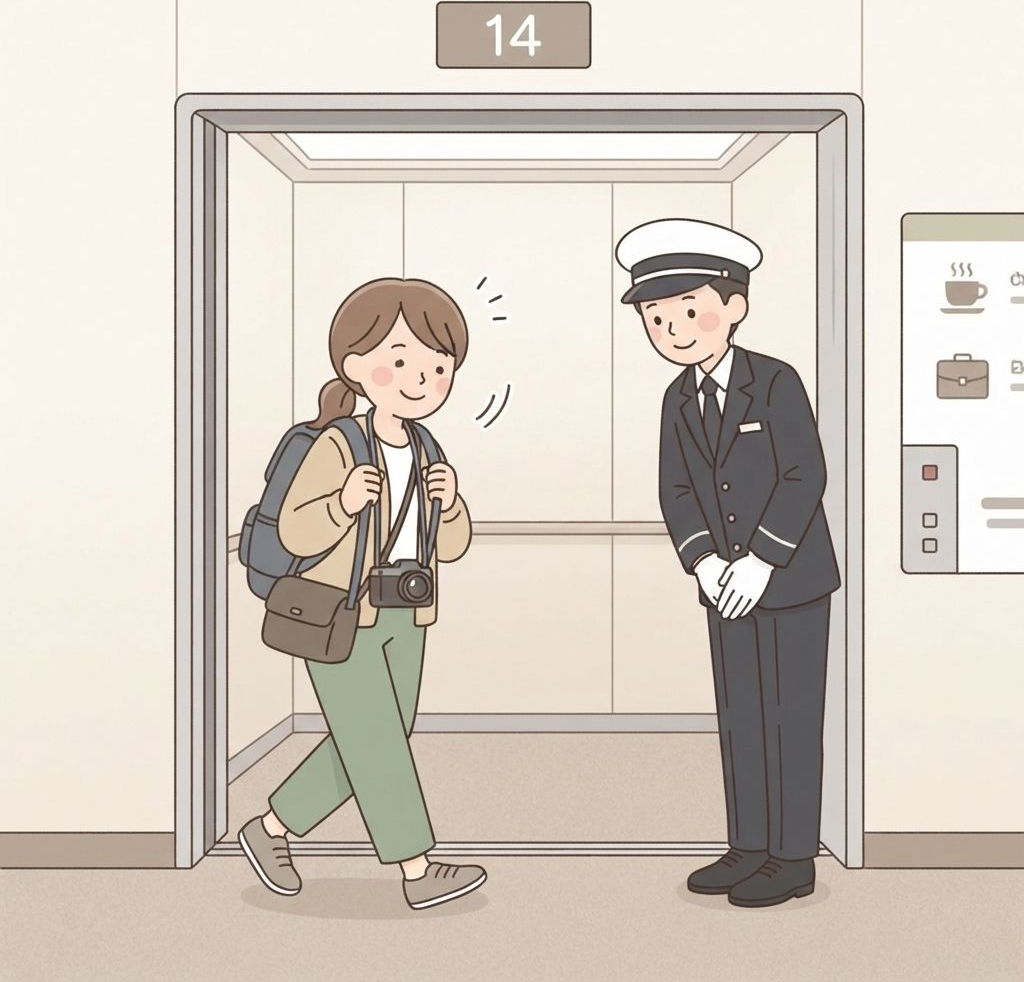
White-gloved elevator operators in department stores announce every floor, manage the doors, and bow when you exit. They're a genuine service role, not décor. Talking loudly over the floor announcements, pushing your way to the front, or stepping in front of them when they're managing the door all read as rude.

OK

Acknowledge the floor announcement with a nod when you exit

When they announce your floor and the doors open, a brief nod as you step out is the right response. If you're not sure what floor you need, you can tell them your destination and they'll announce it for you—this is literally what they're there for.

Treating the return desk casually

NG

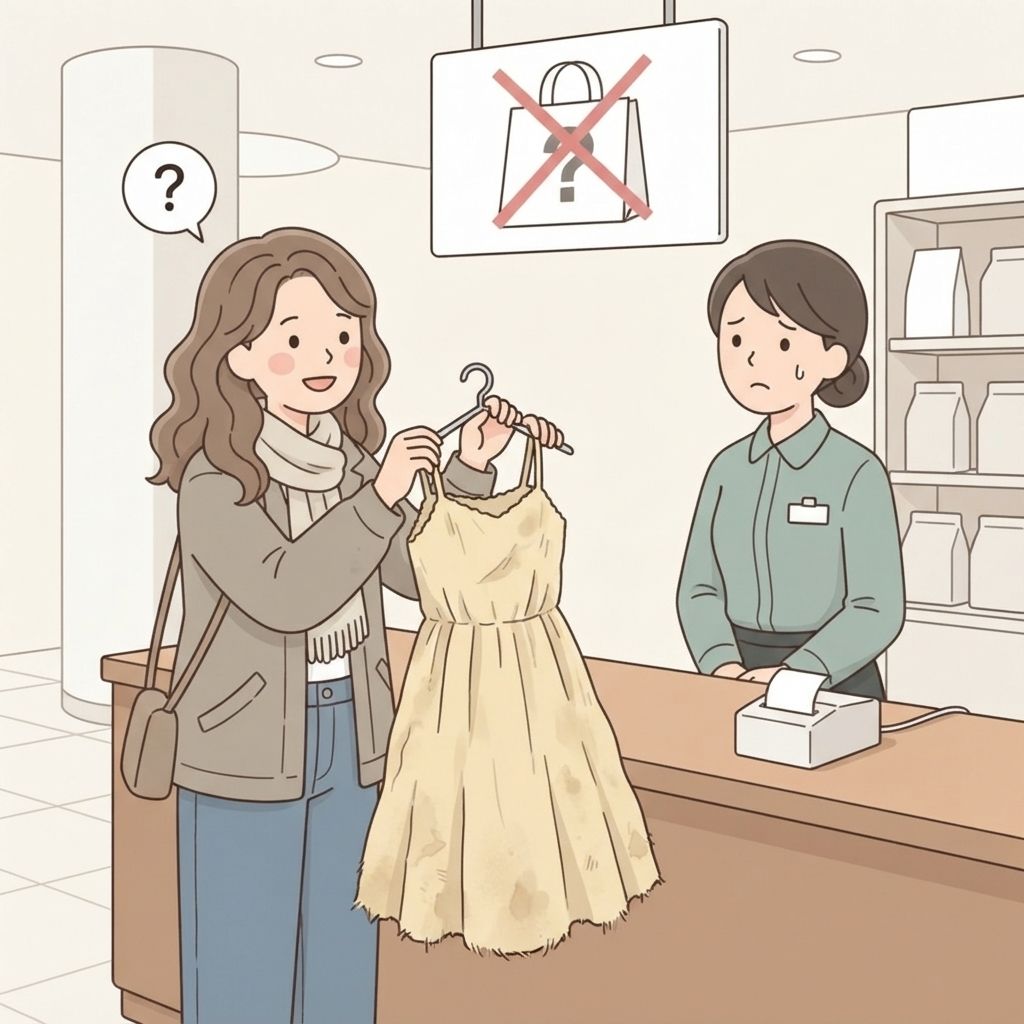
Walking up to returns with a used or open item and expecting a smooth exchange

Japanese department stores, especially for sale or discounted items, operate with strict return policies. Returning a dress you wore once, a gadget without its original packaging, or a food item that's been opened is not likely to end well. The assumption that 'Japanese service is so good they'll sort it out' will get you a very polite but firm refusal.

OK

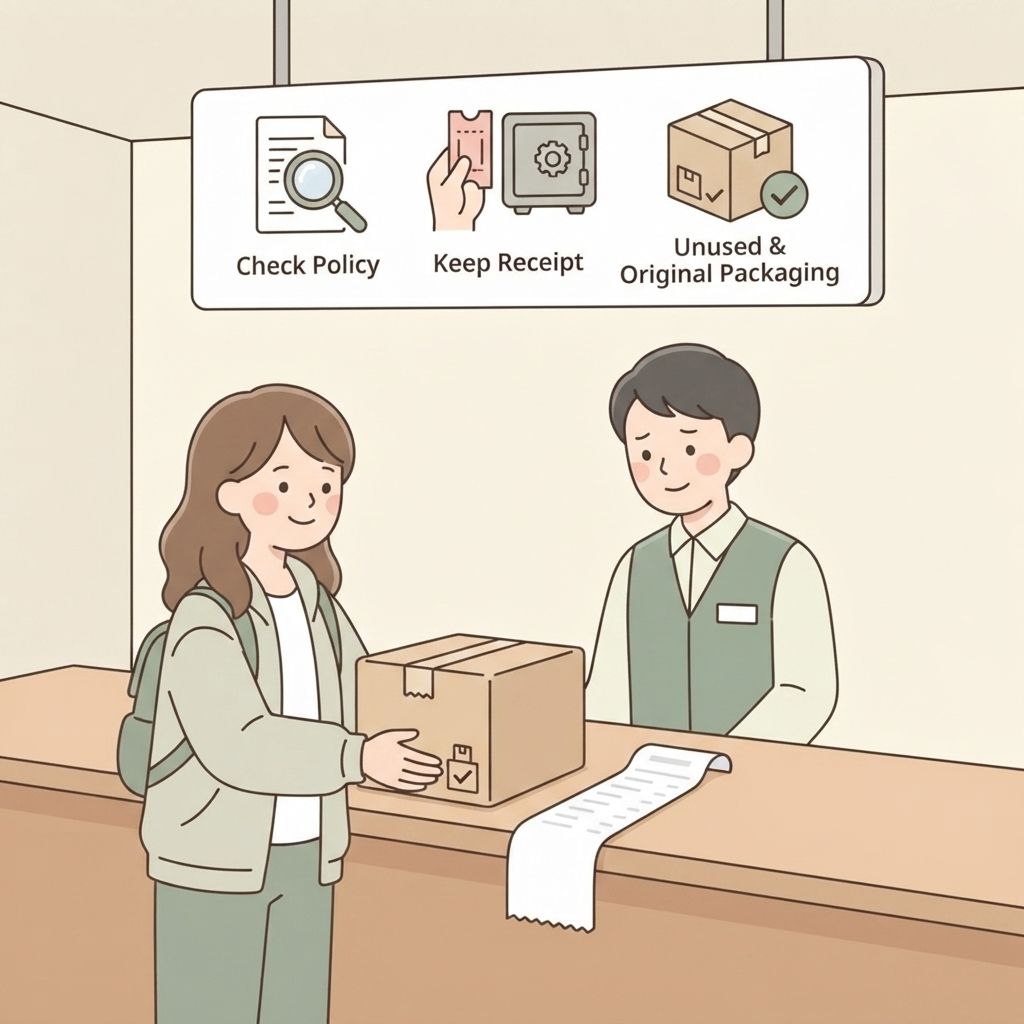
Check the return policy before you buy, keep receipts, and return items unused and in original packaging

The receipt is non-negotiable. Most depato will only process returns within a short window (often seven days) and only for items in original, undamaged packaging. For sale items, returns may not be available at all—ask before you commit.

Why a depato feels like entering a different dimension

Japanese department stores run on a level of formality and choreography that Western retail abandoned decades ago. White-gloved elevator operators. Scripted floor announcements. A basement food hall refined over generations. The whole thing operates on an implicit deal: the staff will provide extraordinary service, and you will behave like it matters.

The opening ceremony is the clearest signal. At exactly the posted time — not a minute late — staff line up at the entrance, face incoming customers, and bow. It’s not theater. Walking through without a nod is like ignoring someone holding a door for you. Two seconds of acknowledgment is all it takes.

The depachika (basement food hall) is its own world. Wagashi confections displayed like art, seasonal peaches at 3,000 yen each, a specialist behind every counter. When someone hands you a single slice of otoro on a tiny fork and explains where the fish came from, they’re inviting you to care. The correct response is attention, a thank-you, and one sample — not three.

Match the level of care the staff are putting in. That’s the whole rule.

A few “nice to know” extras

  • Returns are strict — The warmth of Japanese service can trick you into thinking returns will be equally accommodating. They won’t. Receipts are mandatory, windows are short (often seven days), sale items may be final. “I changed my mind” gets a very polite but very firm no.
  • Seasonal events have their own etiquette — Fukubukuro (lucky bags) on January 2, Valentine’s chocolate fairs, ochugen and oseibo gift seasons. These aren’t sales — they’re social occasions. Pushing and grabbing at a fukubukuro queue will earn you looks.
  • Fitting room curtains — Knock or check the sign system (green = vacant, red = occupied) before pulling a curtain aside. An unlocked curtain doesn’t mean empty.
  • Tax-free counter first — Most depato have a dedicated tax-free counter near the main entrance, separate from floor registers. Find it before you shop, or you’ll pay full price with no easy way to reclaim the tax.

Quick check

Three questions to lock in the depato instinct.

Quick check

Can you spot the right move?

  1. Q1 Should you bow back at the staff lined up for the opening ceremony?

  2. Q2 Is it okay to pick up depachika samples yourself from the display without waiting for staff to offer?

  3. Q3 Can you eat food you bought in the depachika while walking through other floors of the store?