Gift Wrapping in Japan: The Packaging Is Half the Message

How a Japanese gift is wrapped says as much as what's inside. Tearing in, skipping the bag, or using white paper can all send the wrong signal.

Skipping the gift bag

NG

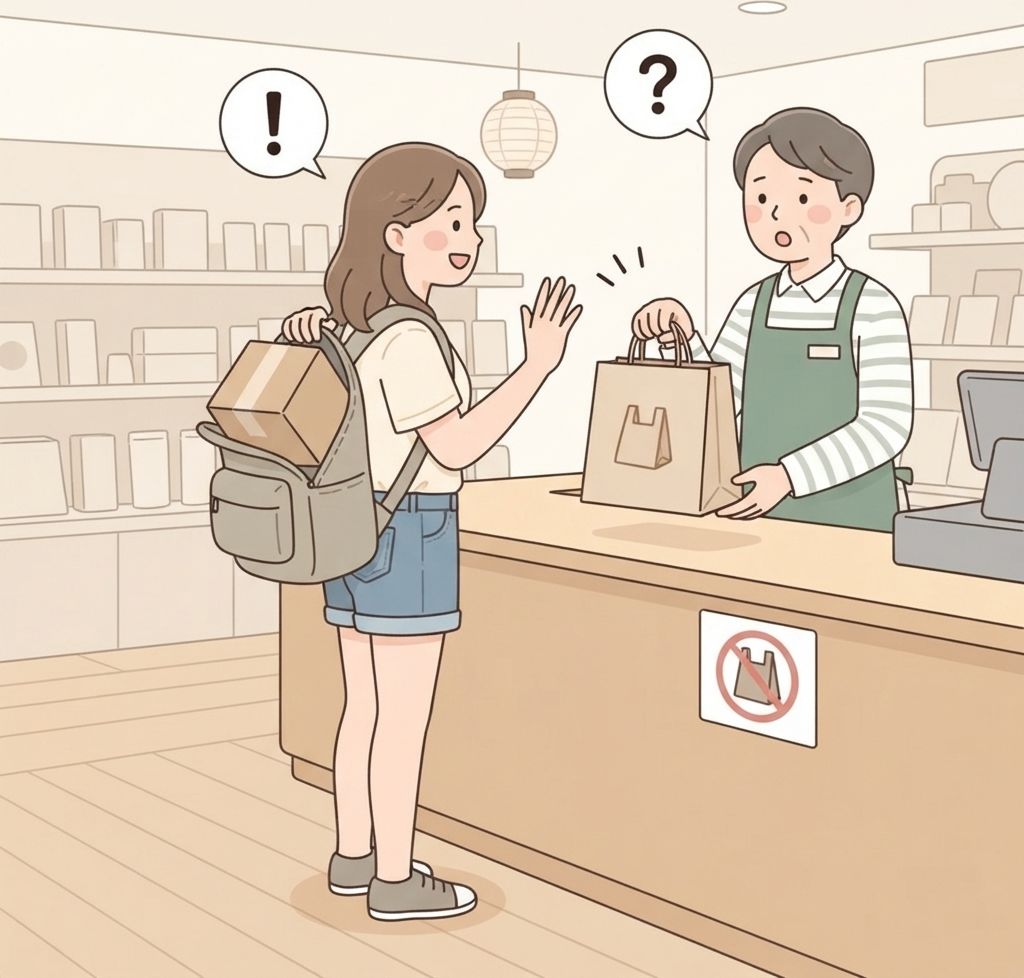
Declining the bag or leaving a gift shop without packaging

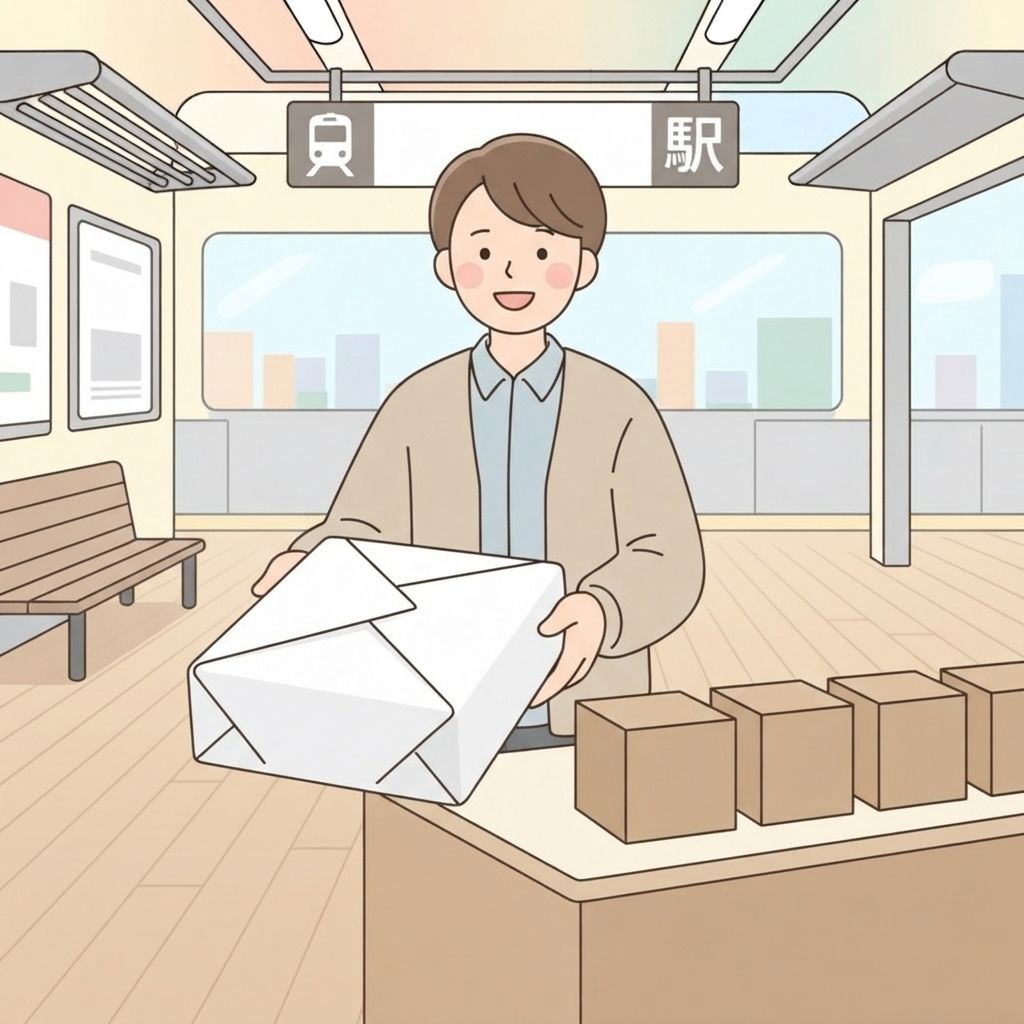
When a gift shop asks 'fukuro ni iremasu ka?' (shall I put it in a bag?), saying no or waving it off reads as indifferent. The bag and wrapping aren't afterthoughts—they signal that you treated the purchase as a gift, not a casual item. Walking out with the item loose also makes it harder to present properly.

OK

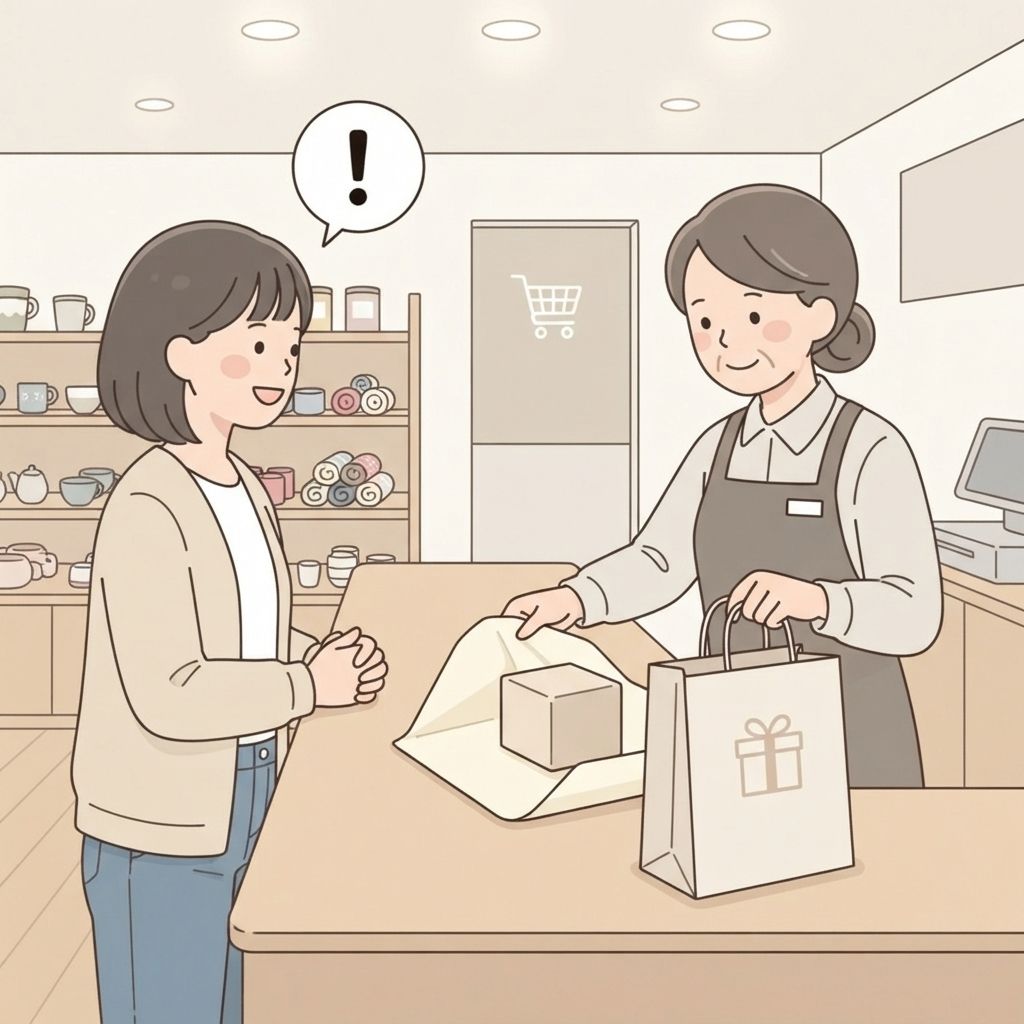
Always say yes to the bag at a gift or department store

Let the shop do their job. Department store wrapping especially is often immaculate—a skill in itself. If you're giving the item as a gift, the wrapping is part of the gift. 'Hai, onegaishimasu' (yes please) is all you need.

Opening a gift immediately

NG

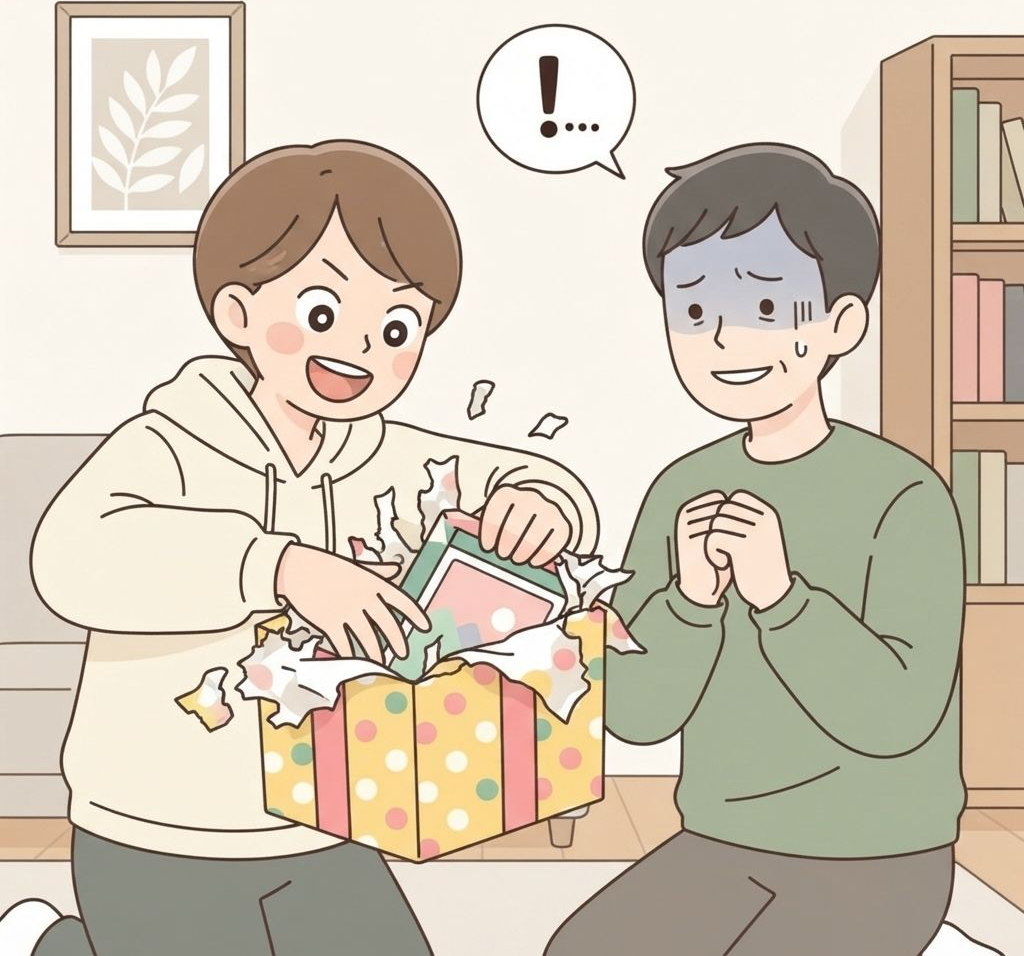
Tearing into a present the moment it's handed to you

The Western instinct to open gifts immediately and react enthusiastically doesn't map here. In Japan, opening a gift in front of the giver can put them on the spot—what if they can't read your face? What if their gift isn't what you hoped? It creates a pressure moment nobody asked for.

OK

Accept the gift graciously and open it later, in private

Receive with both hands and a slight bow. Say 'arigatou gozaimasu' and set it aside. Opening later isn't cold—it's considerate. If you're in an informal setting with close friends who do the Western thing, follow their lead, but default to 'open later' with anyone you don't know well.

Wrapping in white or giving in sets of four

NG

Wrapping your own gift in plain white paper, or giving four of something

White wrapping paper is associated with funerals in Japan—it's the color of mourning. Giving items in sets of four (四, shi) is equally loaded because 'shi' is a homophone for death (死). Doing either by accident won't cause a scene, but it lands with a low-grade discomfort you'd rather avoid.

OK

Use cheerful wrapping paper and give in sets of three, five, or seven

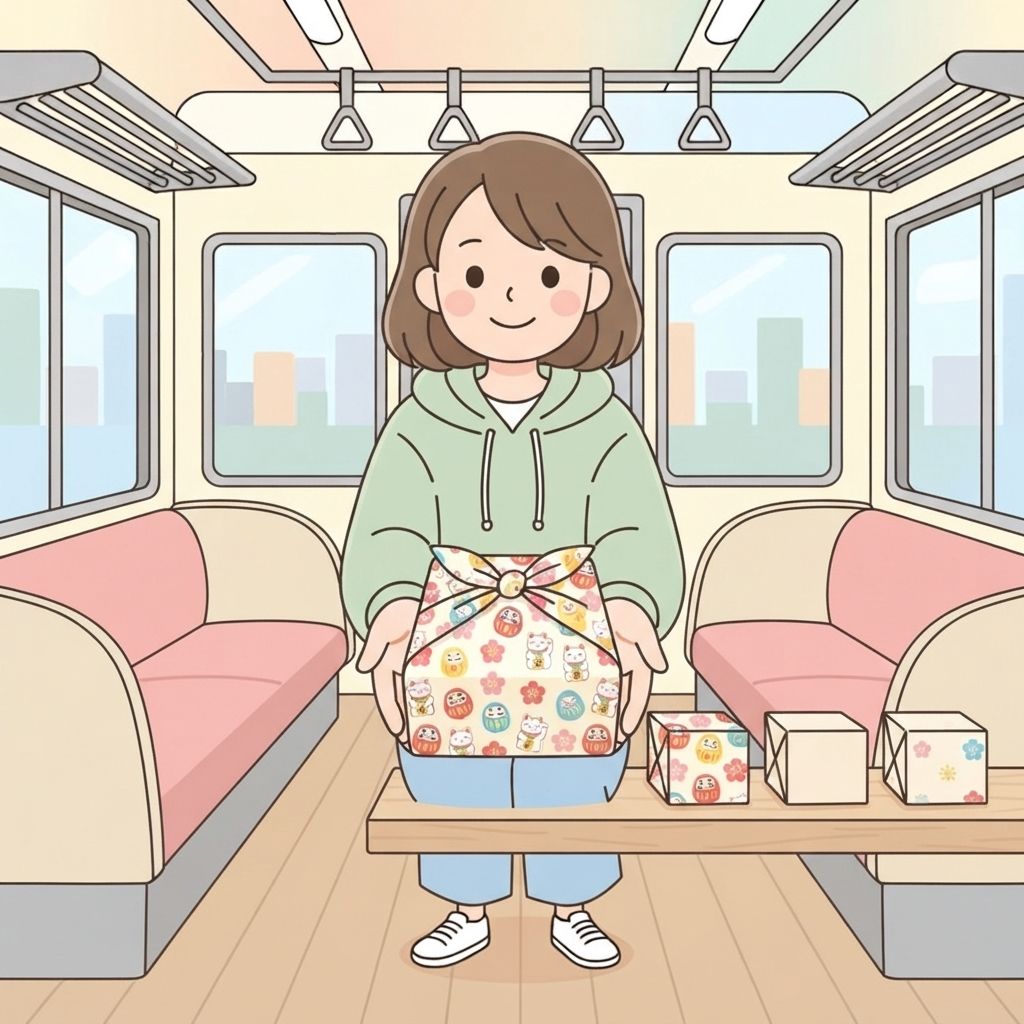
Odd numbers are considered lucky. Three, five, and seven are the sweet spots. If you're wrapping yourself, choose patterned paper in warm colors. If buying from a shop, let them wrap it—they'll know exactly what's appropriate for the occasion.

Handing a gift one-handed or too casually

NG

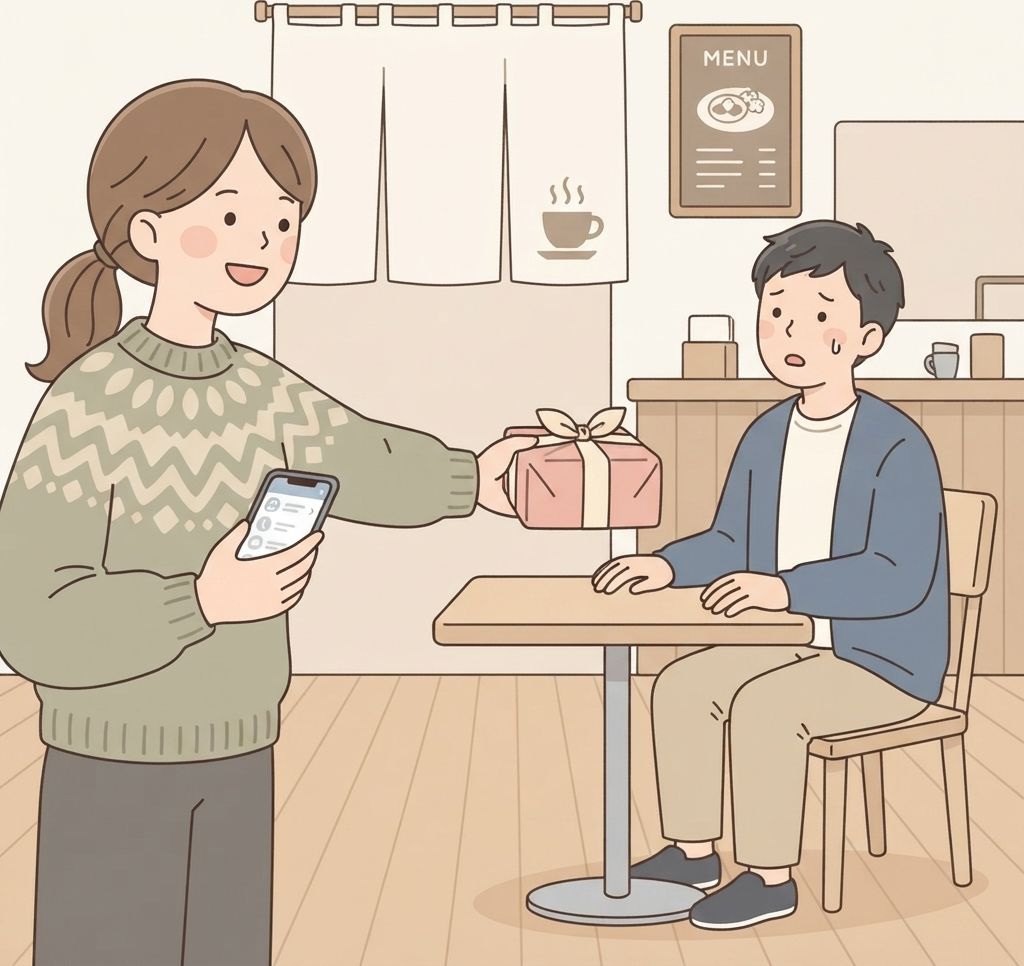
Passing a gift over with one hand like you're handing someone your phone

One-handed gift giving reads as dismissive. The formality of the gesture is the point—even in casual contexts, handing over a gift with one hand while scrolling your phone with the other is the kind of thing people quietly notice.

OK

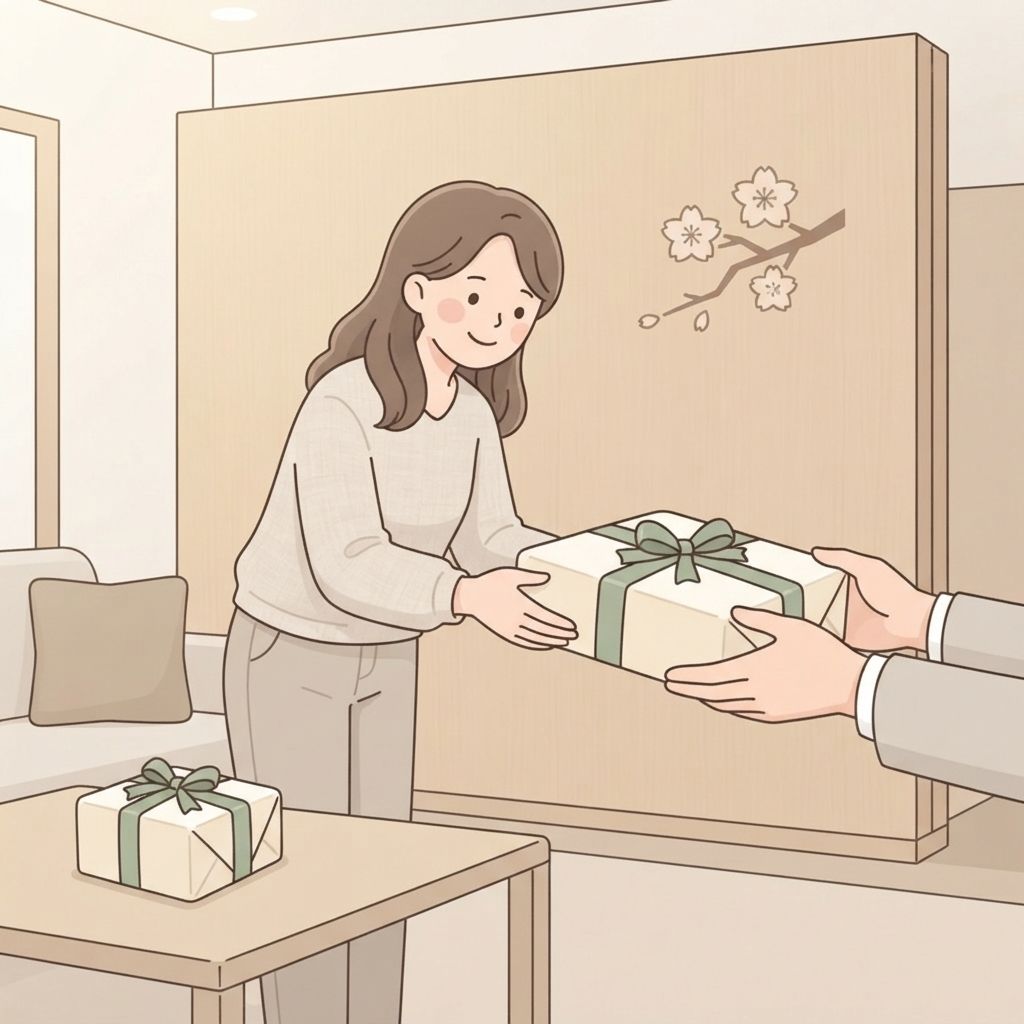
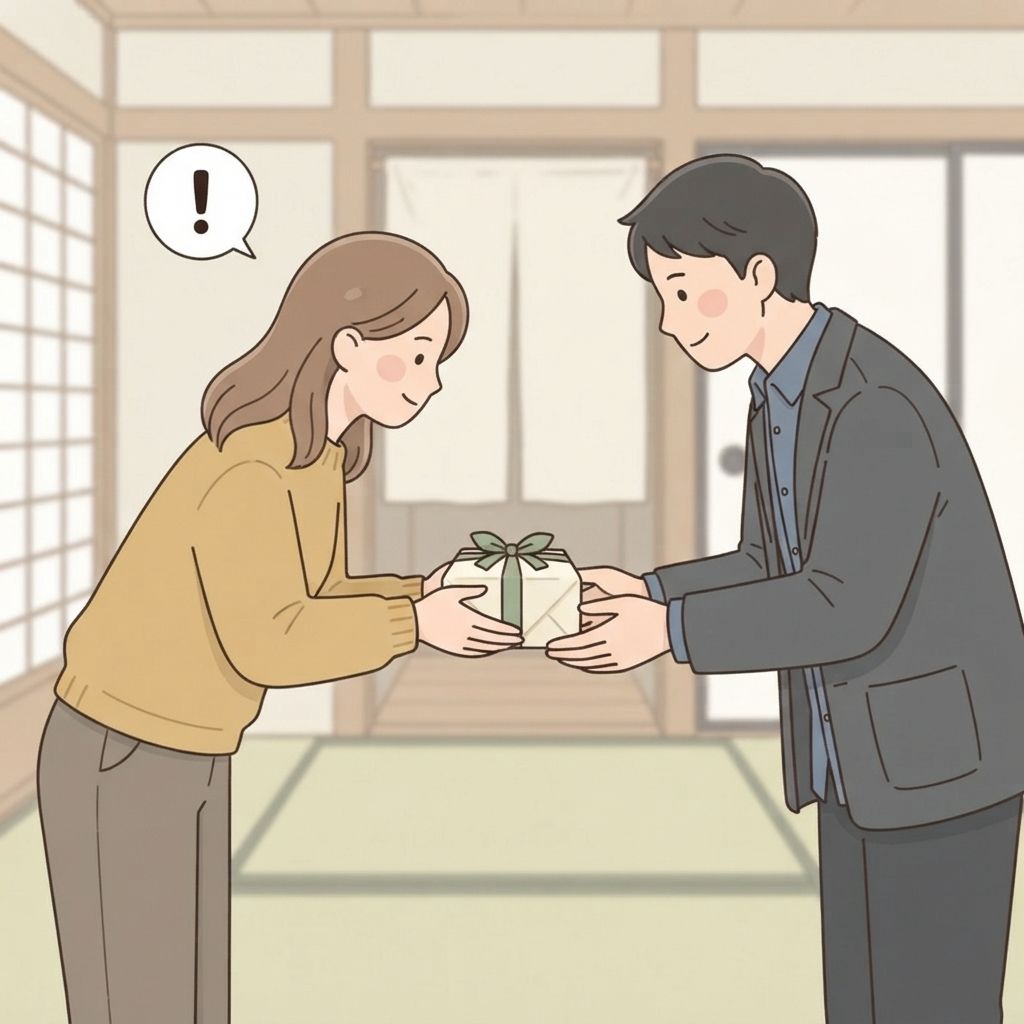
Use both hands, make brief eye contact, and give a small bow

Both hands on the gift, slight bow, a brief 'tsumaranai mono desu ga' (it's a small thing, but...) for formal settings or 'yoroshiku' between friends. When receiving, mirror the same—both hands, bow, thanks. The exchange is a small moment of mutual acknowledgment.

Why the outside matters as much as the inside

In Japan, tatemae — the outward presentation of things — is a core social concept. Gift wrapping is one of its most literal expressions. The neatness of the fold, the quality of the paper, whether a decorative noshi is attached — all of it tells the recipient how seriously you took the act of giving. A carelessly bagged item is a quietly deflating gift, even if what’s inside is great.

Department store staff can produce a geometrically flawless package in under two minutes — no tape, no fuss. The wrapping is what arrives first. Before anyone sees the gift itself, they interact with the package, and the package has already spoken on your behalf. Let the professionals handle it.

In Japan, the wrapping isn’t decoration — it’s the opening line of the conversation.

The color and number tripwires

  • White paper — Associated with funerals and mourning. Not abstract superstition — white shows up at Buddhist rites, and many hospitals skip floor 4 for the same phonetic reason.
  • Sets of four — “Shi” (four) is a homophone for “shi” (death). Stick to odd numbers — three, five, and seven are the safe bets.
  • Opening immediately — The Western rip-it-open instinct doesn’t translate. Opening later spares both parties a forced live reaction. Accept graciously, open in private.

A few “nice to know” extras

  • Noshi (熨斗) — The formal decorative element for ceremonial gifts. For weddings, get-well visits, or housewarmings, ask the shop to attach one — they’ll handle the occasion-appropriate calligraphy.
  • “Tsumaranai mono desu ga” — Literally “it’s a boring thing, but…” A stock humble phrase when presenting gifts formally. You’re not insulting your own gift — it’s ritualized modesty.
  • Furoshiki (風呂敷) — Traditional wrapping cloth, increasingly popular as a sustainable option. If someone wraps your gift in one, ask whether to return it or keep it.
  • Department stores wrap free — Most depato will wrap gift purchases at no charge. Just say “okurimono desu” (it’s a gift) and they’ll take it from there.

Quick check

Three questions to lock in the gift-wrapping instinct.

Quick check

Can you spot the right move?

  1. Q1 Should you open a gift immediately when given one in Japan?

  2. Q2 Is white wrapping paper a safe choice for a Japanese gift?

  3. Q3 When accepting a gift in Japan, should you use both hands?