Why tourists lose their minds in Japanese drugstores
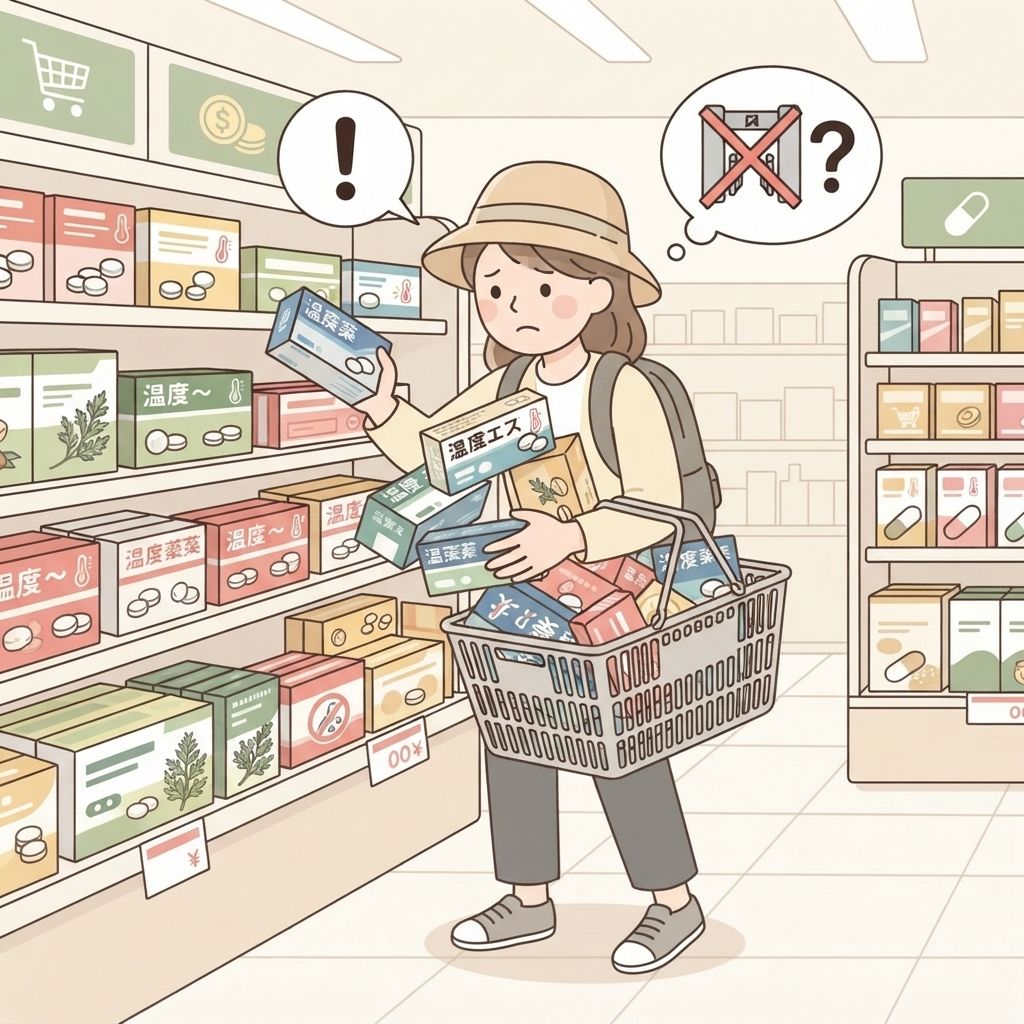
A Western pharmacy sells medications and basics. A Japanese drugstore is closer to a full lifestyle shop — skincare, cult beauty tools, snacks, supplements, budget cosmetics. You may well buy more than you planned.
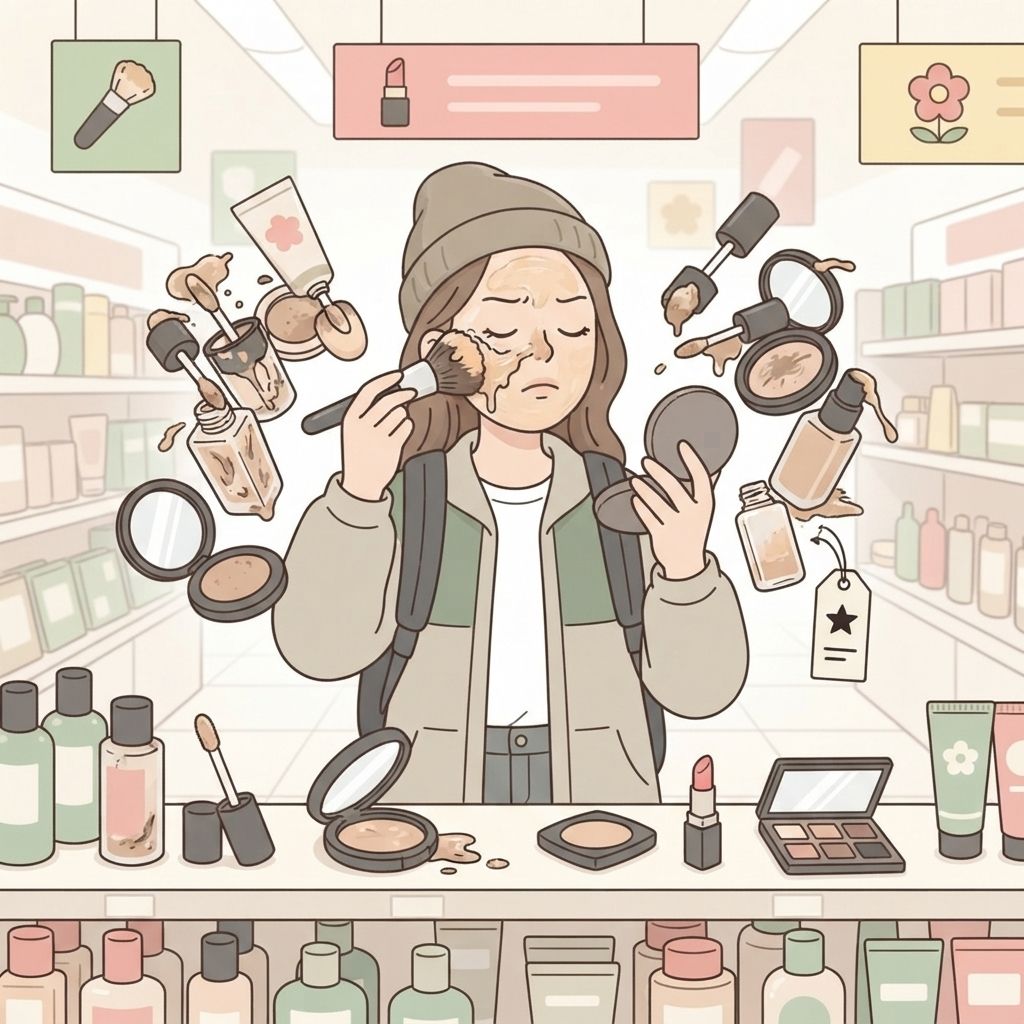
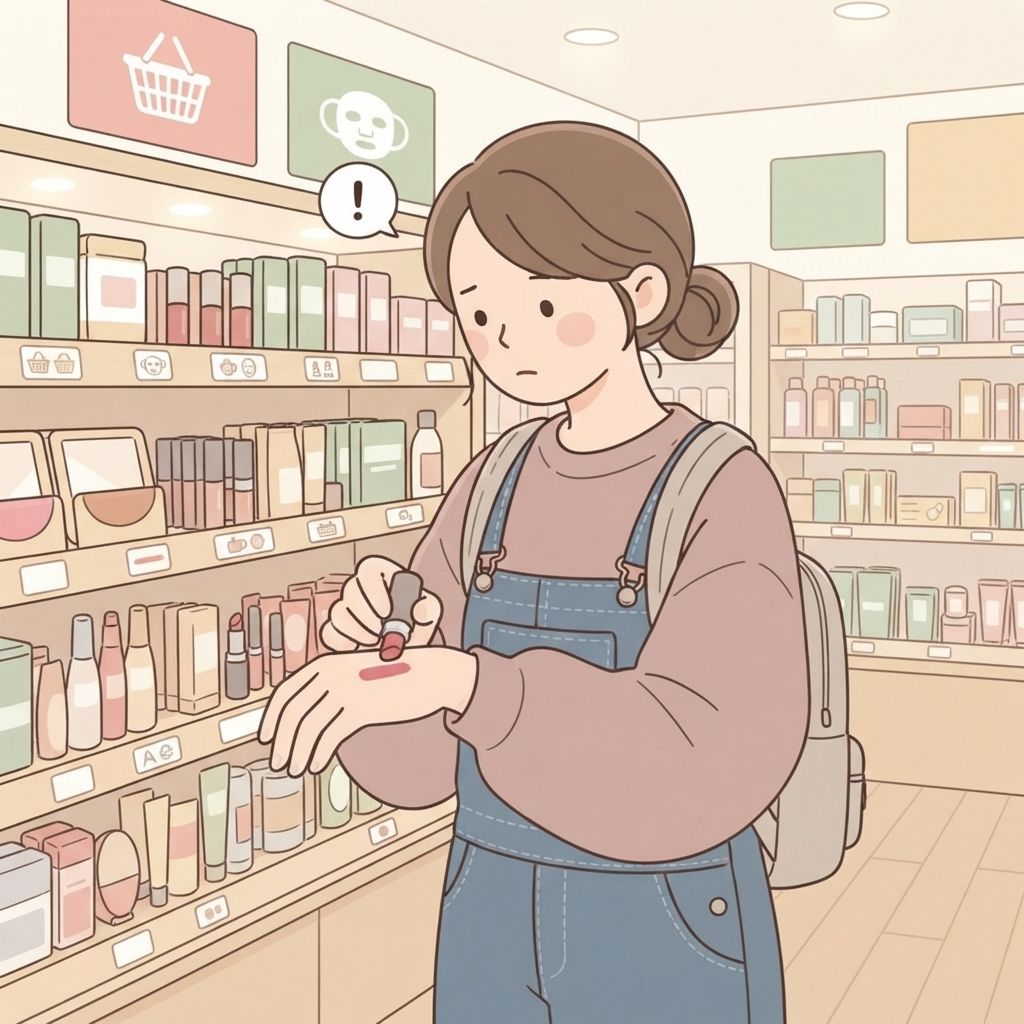
The etiquette is mostly about testers and staff. Many stores set out tester displays, often with mirrors. The deal is simple: a small swatch on the back of your hand to check color or texture — not a full face of foundation from the communal tester. Light use, leave it clean for the next person.
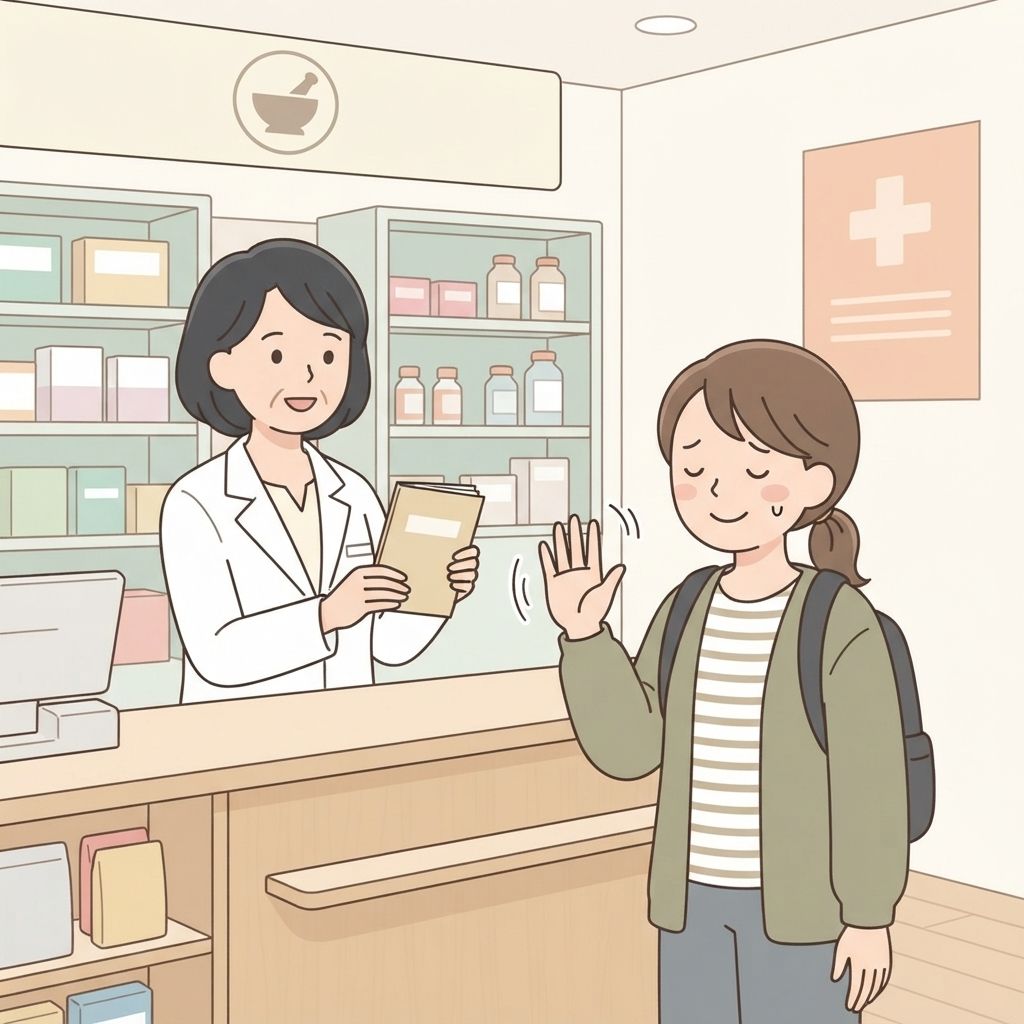
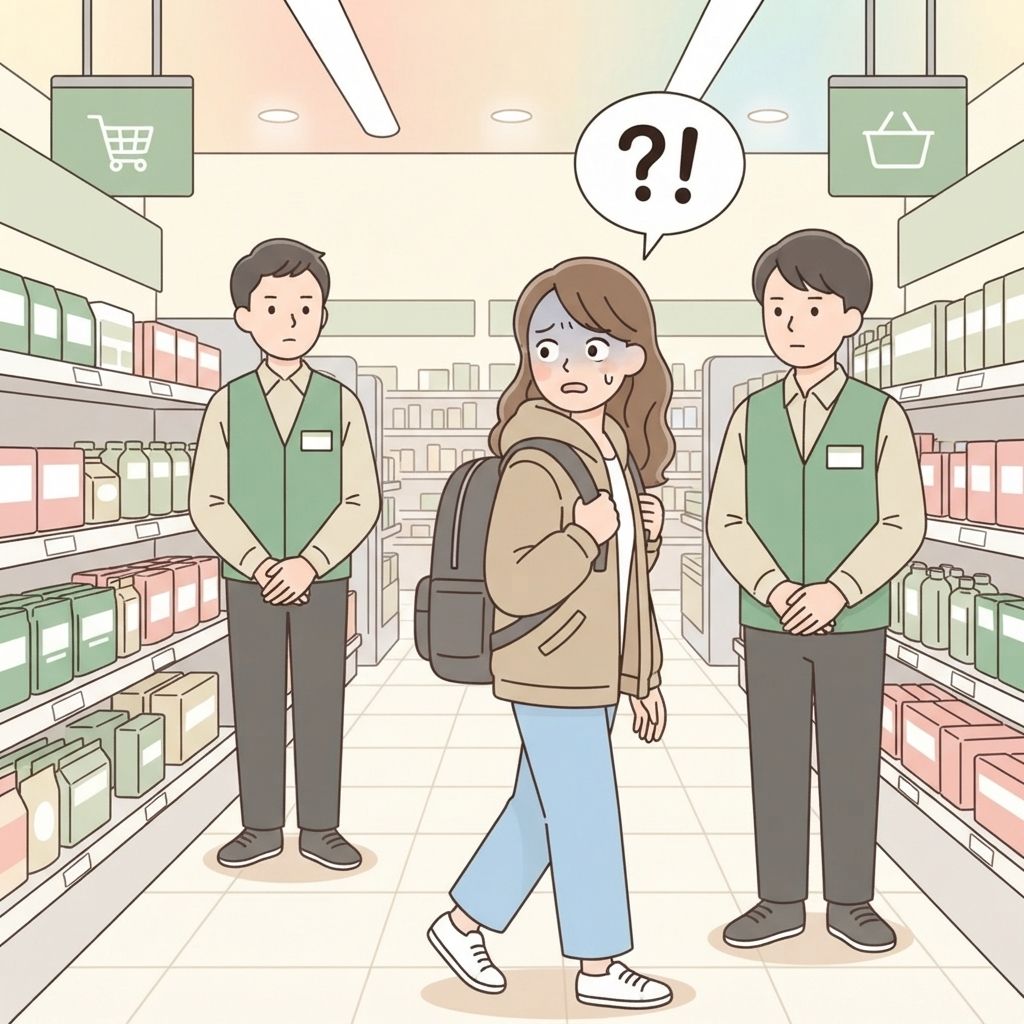
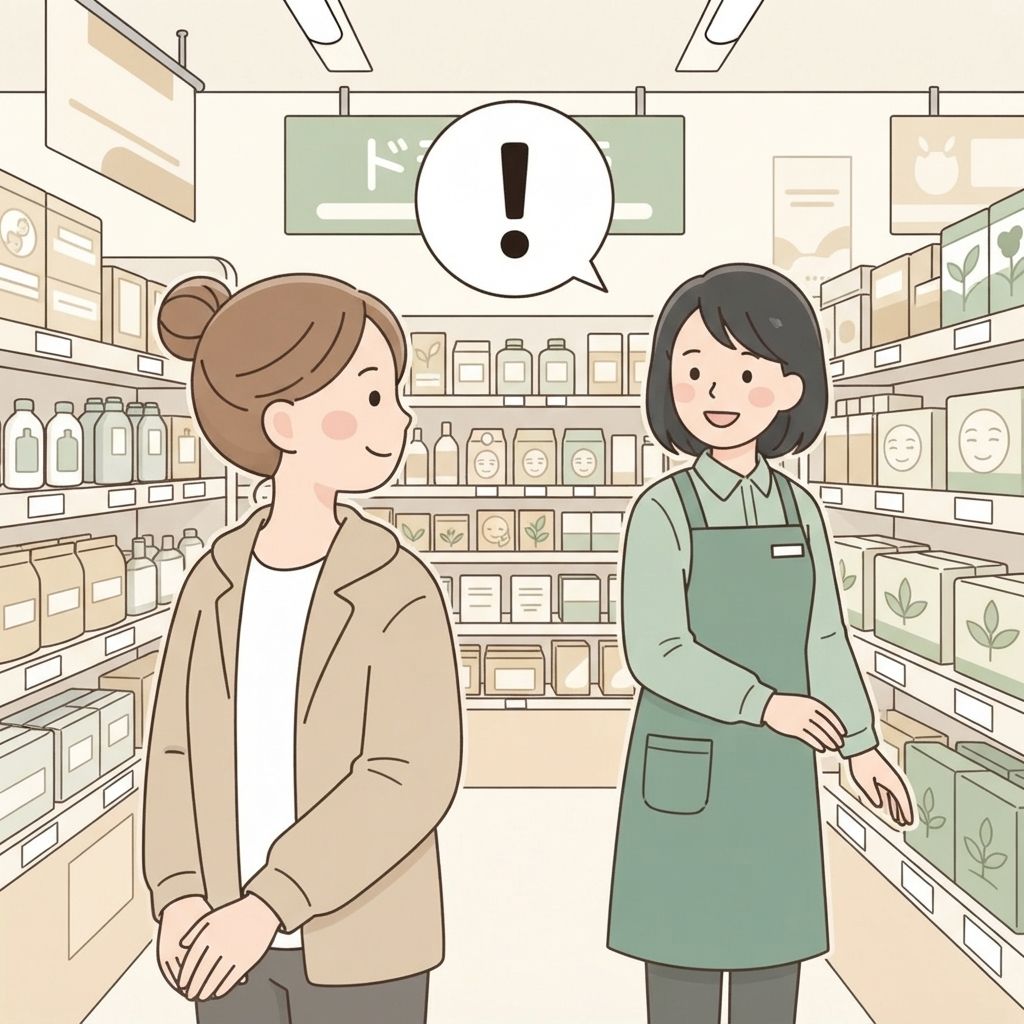
The staff member who keeps appearing in the sheet mask aisle? Staff routinely walk the floor, restock, and greet customers — it isn’t aimed at you. A nod and “daijoubu desu” (“I’m fine”) signals you’re just browsing.
Small swatch, not a makeover. Staff on the floor are routine, not personal. That’s the drugstore code.
A few “nice to know” extras
- Tax-free threshold — Many drugstores participate in the tax-free program. Spend 5,000 yen or more (before tax) in one store on one day and show your passport. From November 1, 2026 you pay the tax at the register and get it back after the customs check when you leave Japan. Food and non-alcoholic drinks are taxed at 8%, not 10%. Look for “Tax Free” signs at the entrance.
- Point cards add up fast — Matsukiyo’s app card, Tsuruha’s own card, and other chains’ own point programs. If you shop at one chain often during your trip, signing up can be worth it. Some chains run bonus point days.
- Prices vary by store — The same product can be priced differently from store to store, so compare if you’re buying a lot.
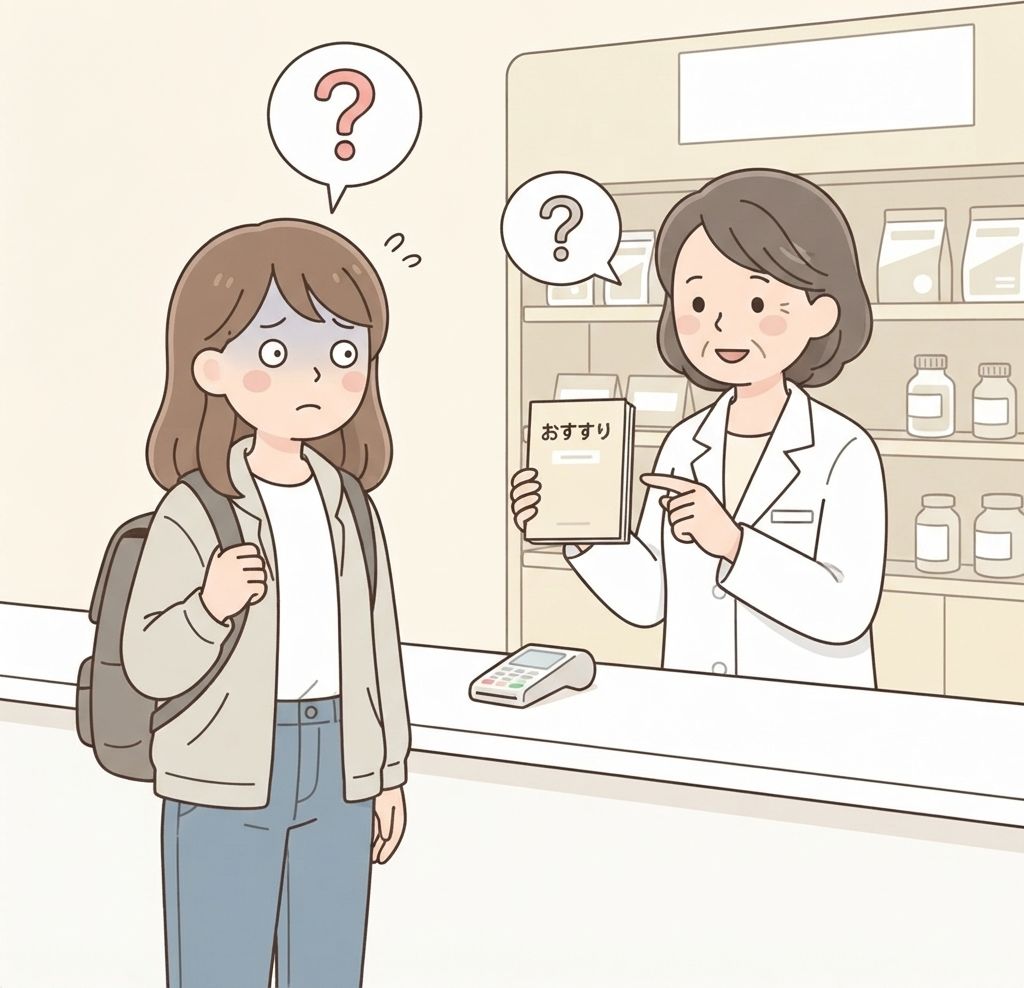
- Pharmacist questions are required by law — For certain drug categories, the pharmacist will ask about things like your age and current medications. It’s not intrusive — answer simply and they’ll wrap up fast.
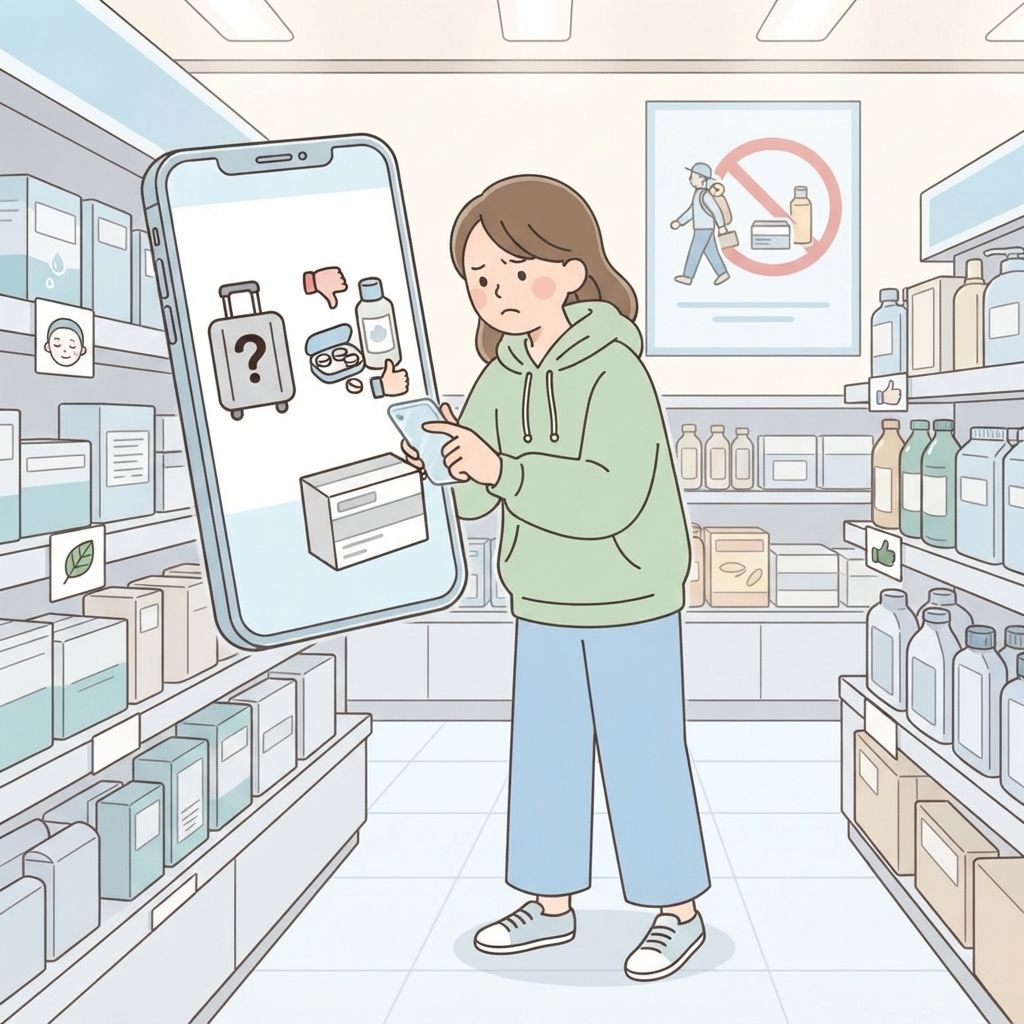
- Check import rules before stocking up on meds — Some Japanese medications may be restricted in your home country. Skincare and cosmetics are usually fine. Anything with codeine or stimulant compounds needs a quick check before you pack it.
Quick check
Three questions to lock in the drugstore instinct.