Why the tag price is the final price
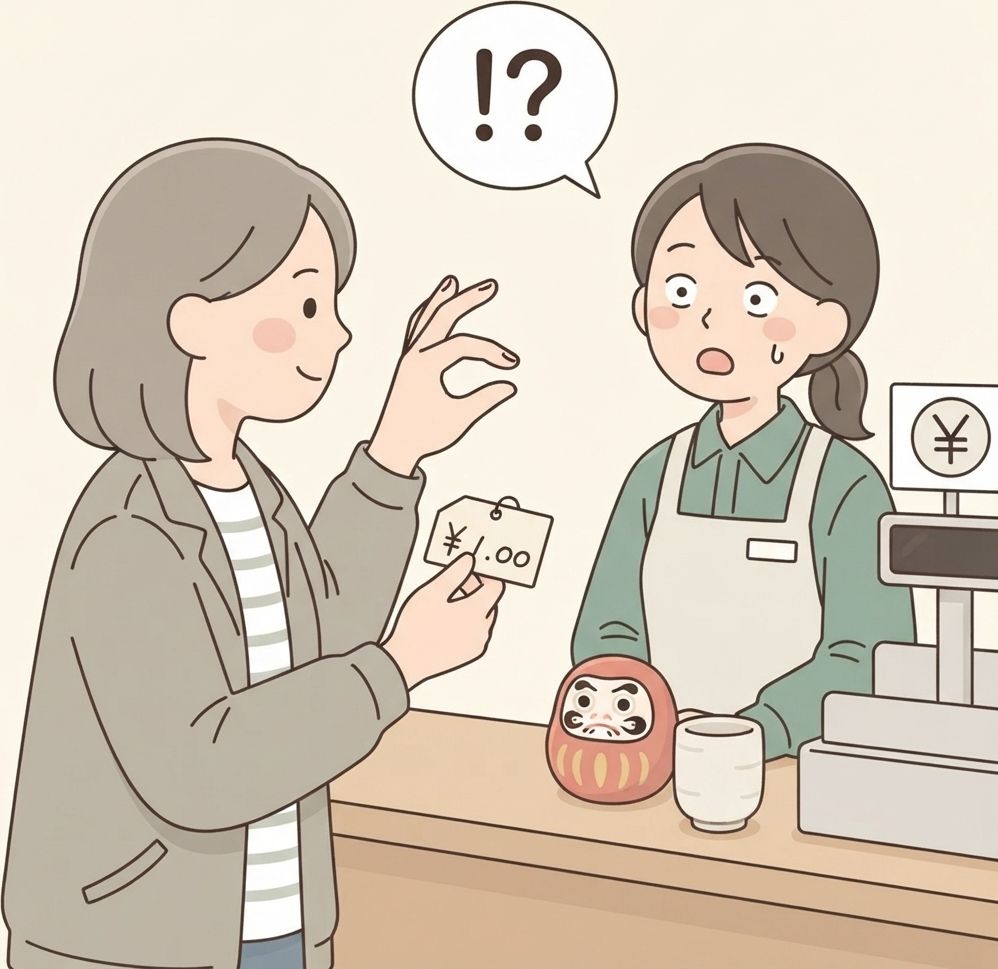
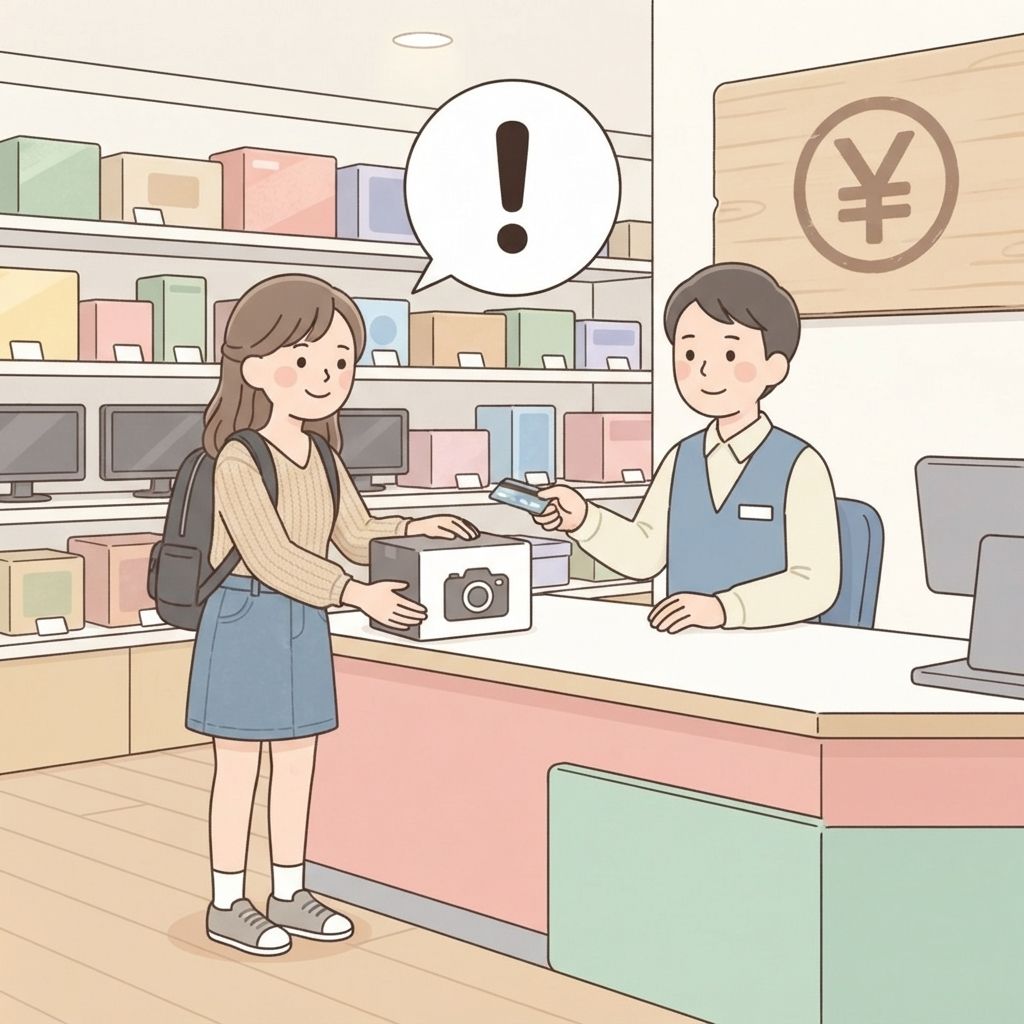
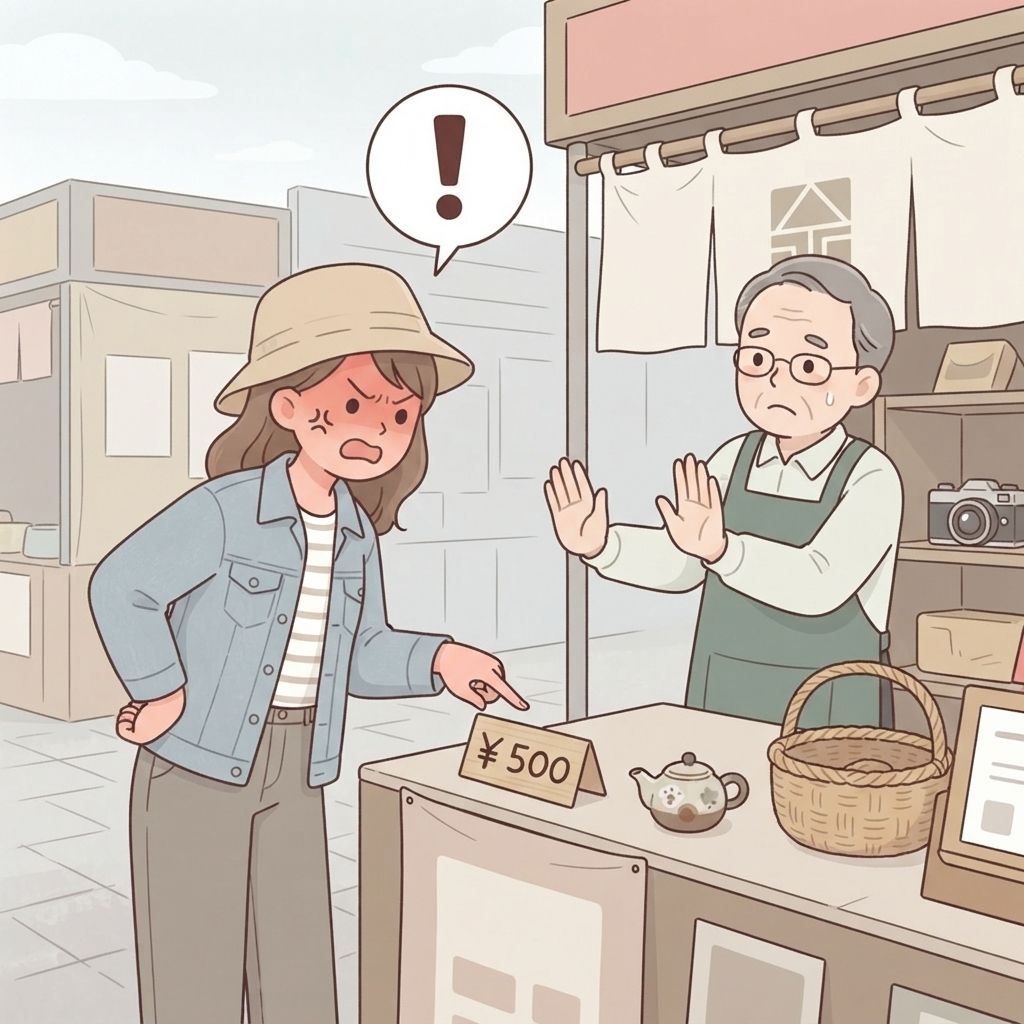
Fixed prices are the norm in Japanese retail. The idea goes back at least to the late 1600s, when the Edo kimono-cloth shop Echigoya (today’s Mitsukoshi) made one price for every customer its selling point. The underlying philosophy: a fair price is a fair price, and giving one customer a deal because they argued harder than the last one is fundamentally unfair. Everyone pays the same number. No tourist markup, no secret local discount, no “first offer” theater.
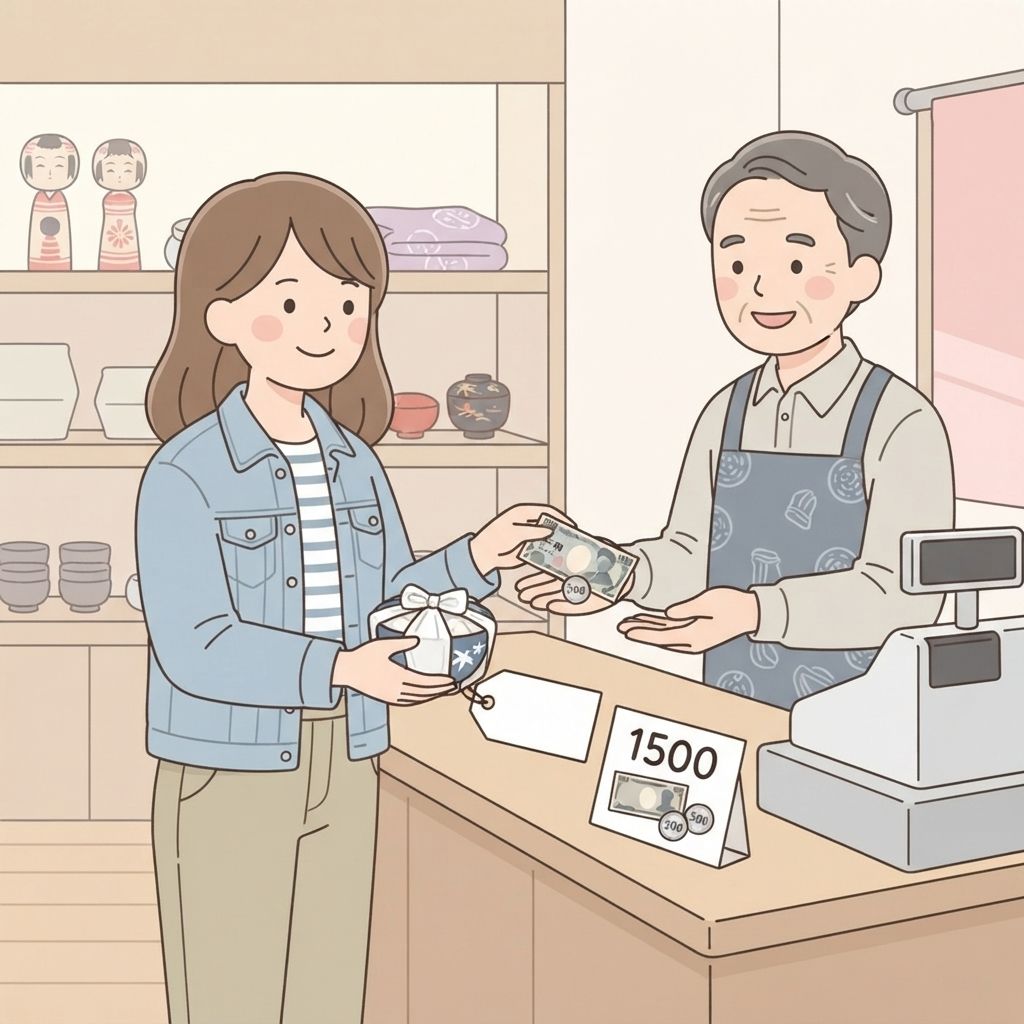
The practical upside? Shopping in Japan is shockingly low-friction. Look at the tag, decide, pay, leave. No posturing, no walking-away bluffs. Once you adjust, it feels less like a limitation and more like a gift.
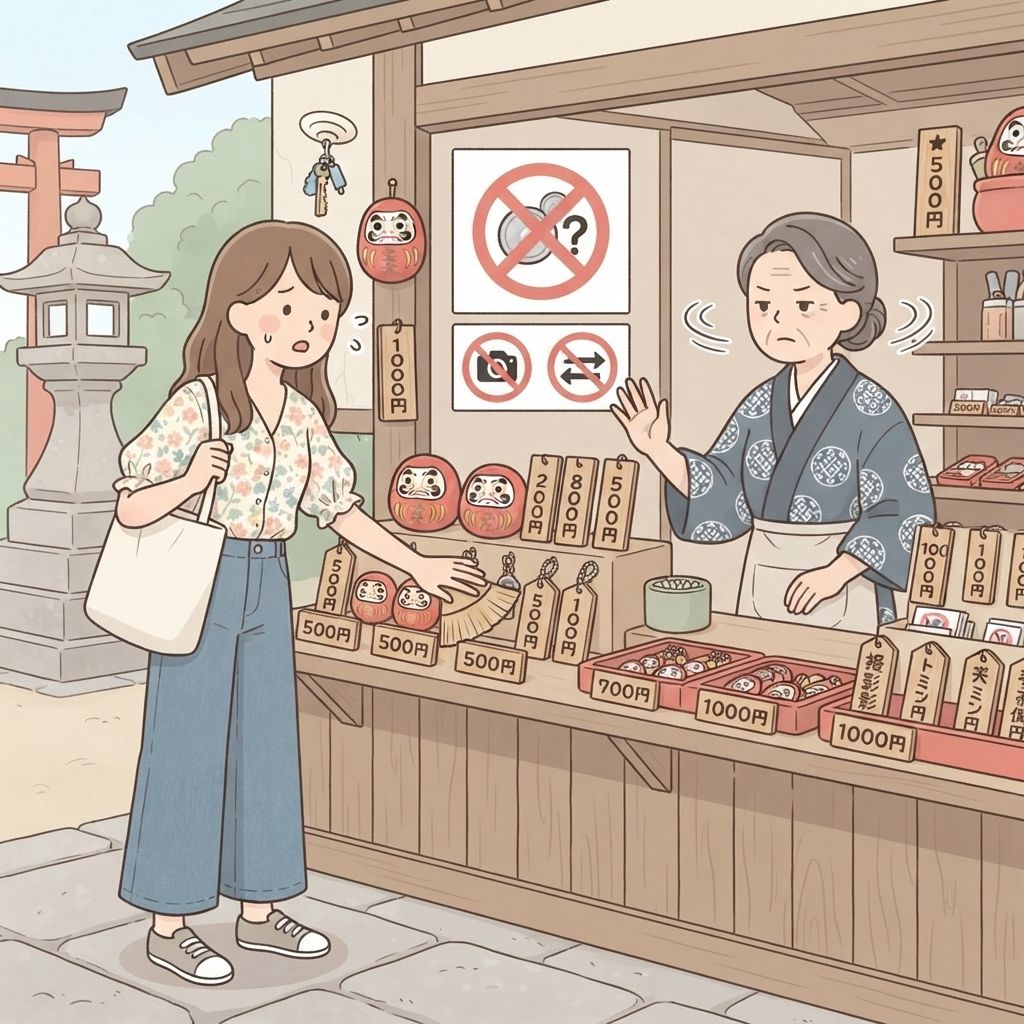
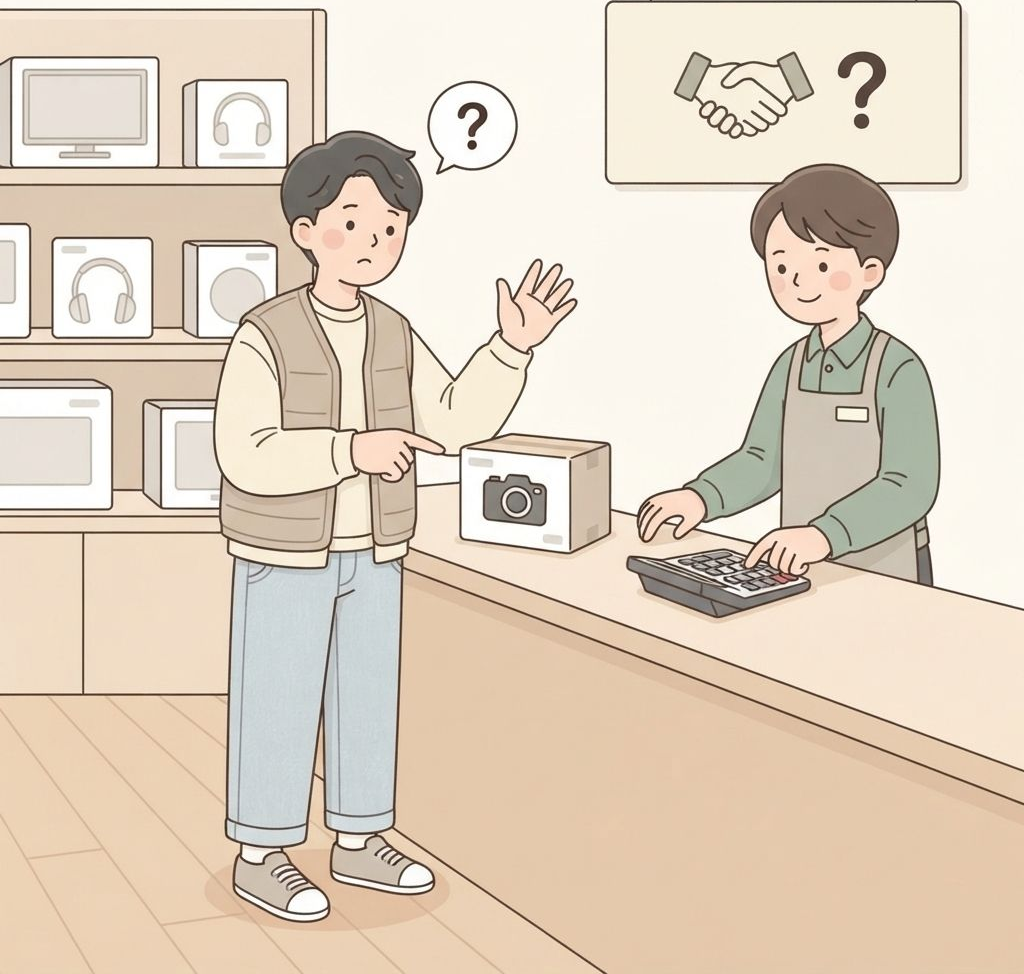
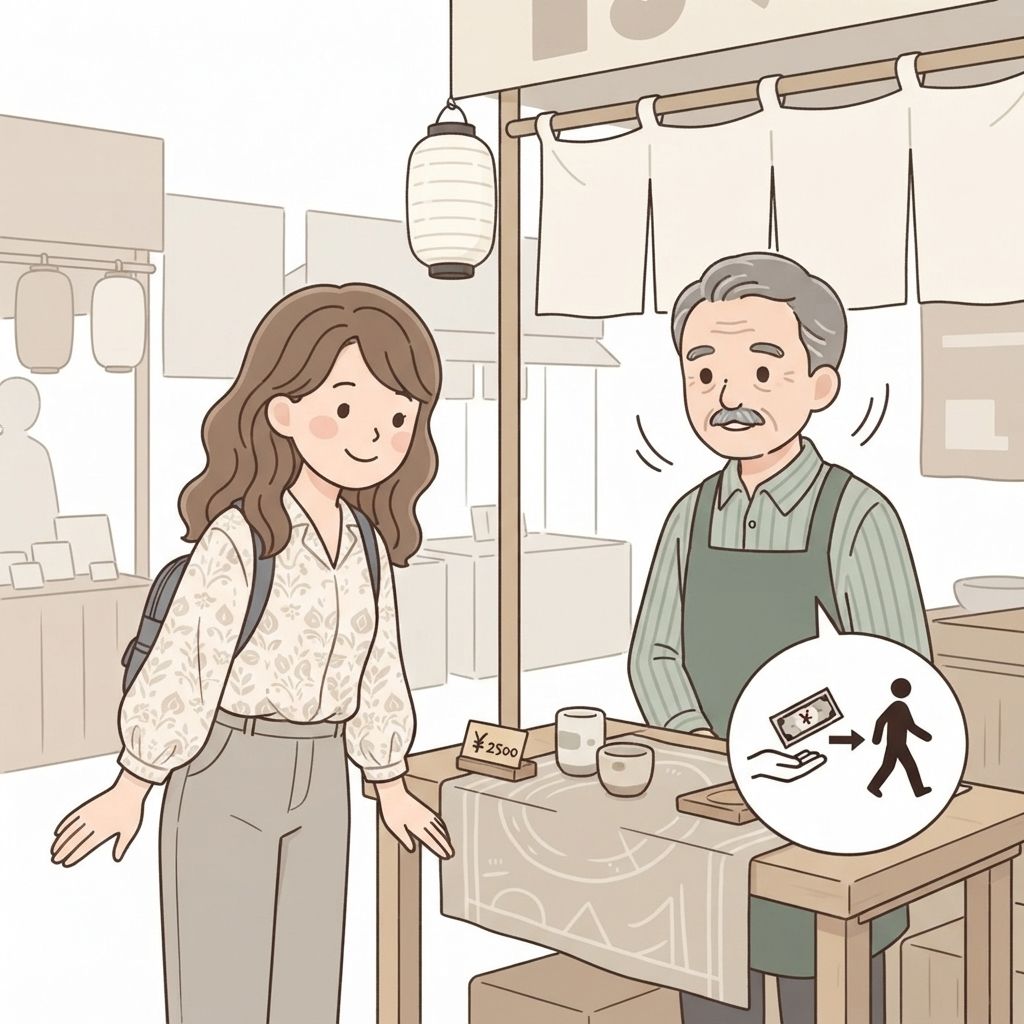
The price is the price. Except at electronics stores, antique shops, and flea markets—where you can politely ask, once.
A few “nice to know” extras
- Tax-free shopping for tourists — Stores with “Tax-Free Shop” signs let visitors get the consumption tax back on purchases of 5,000 yen or more (before tax, at one store in one day). Show your passport at the register. From November 1, 2026 the tax is refunded after a customs check when you leave Japan, not taken off at the till. This isn’t a negotiated discount—it’s a government program.
- Seasonal sales are the real deals — New Year lucky bags (福袋), July summer sales, January clearance. Timing your shopping around these beats any haggling attempt by miles.
- Evening discount stickers — Supermarkets often put markdown stickers on prepared foods from the evening, with steeper cuts near closing. Budget travelers: this is your dinner strategy.
- Point cards — Drugstores and electronics chains hand out loyalty cards that accumulate toward future discounts. Not worth it for a short trip, but on a longer stay the points at Bic Camera or Matsukiyo add up.
Quick check
Three questions to lock in the no-haggling rule. Takes about 20 seconds.