



Book-Off & Hard-Off: Japan's Secondhand Shop Rules

Japan's recycle shops (Book-Off, Hard-Off, Komehyo) are structured retail with fixed prices and condition grades — not flea markets. Don't haggle.

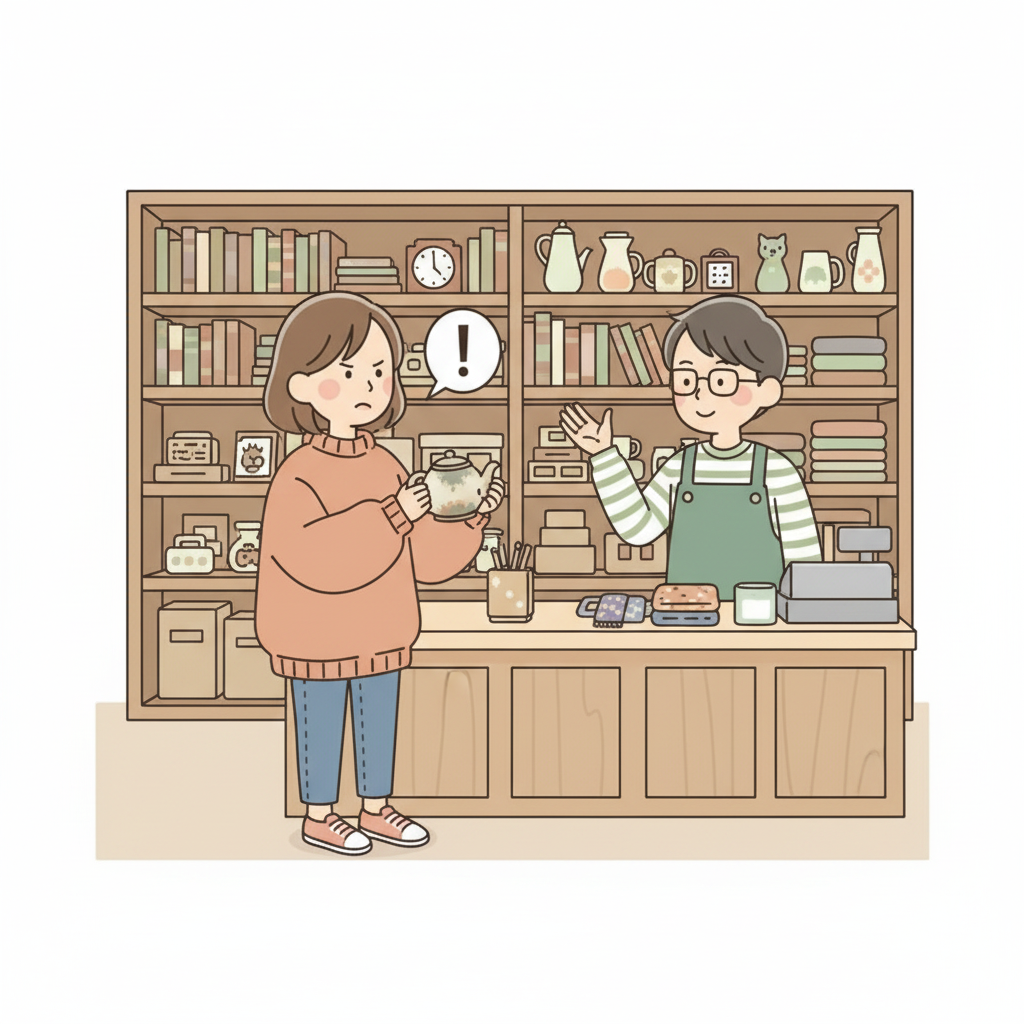
Haggling over prices

NG

Trying to negotiate a lower price on a graded item at Book-Off or Hard-Off

Japan's recycle shops run on fixed prices — the price tag is the price. Attempting to haggle the way you might at a flea market will confuse and embarrass the staff. These are trained retail employees working in an organized store with a computerized pricing system. Walking up to the counter with a B-grade item and saying 'can you do ¥500 less?' is not how this works and will earn you a very polite but very firm no.

OK

Accept the marked price, or walk away — light negotiation only on expensive Hard-Off items

At Book-Off and most Hard-Off sections, the marked price is fixed. The one exception: high-ticket electronics or instruments at Hard-Off (think ¥50,000+ items) sometimes have a small window for polite inquiry — 'sukoshi makete moraemasuka?' ('could you give me a small discount?'). Even then, expect a modest reduction or a flat no. For anything under ¥10,000, don't bother.

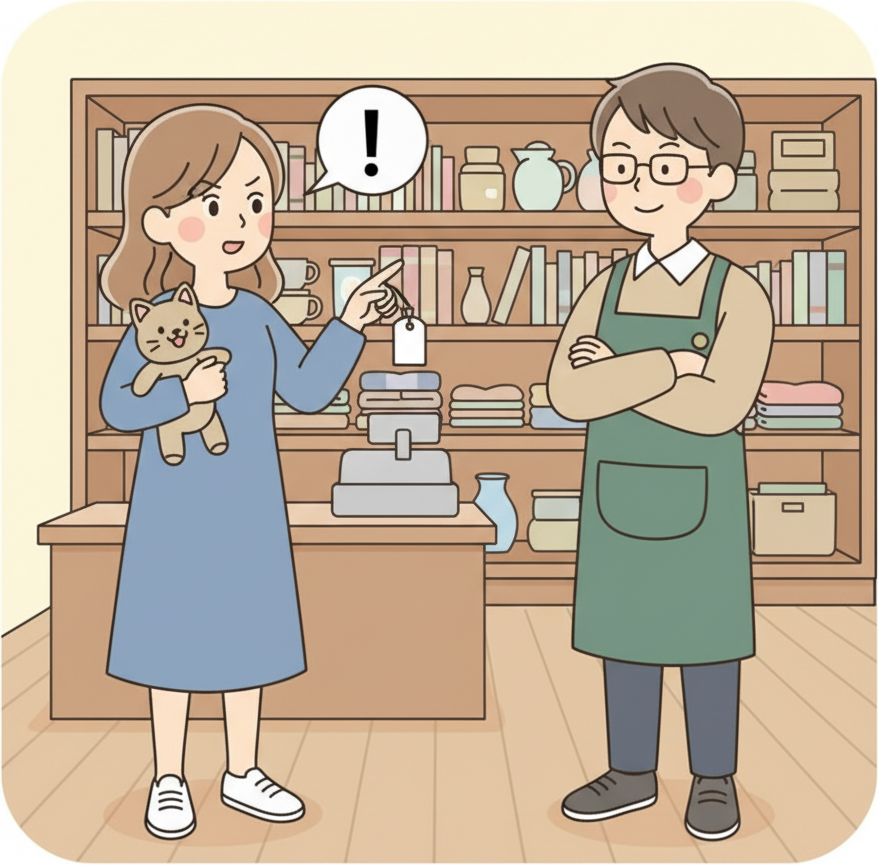
Disputing the condition grading

NG

Arguing that a B-grade item is really a C-grade to push for a lower price

The condition grading system (S/A/B/C, sometimes with + and – variations) is applied by trained staff who inspect every item that comes in. B means 'used but in good condition with minor signs of wear.' If you think a B item looks like it should be cheaper, you don't have to buy it — but telling staff their grading is wrong to negotiate down is considered rude and won't work. The grades mean something and the prices reflect them.

OK

Trust the grading, compare across stores if you think a price is high

If you think a particular item is overpriced for its grade, the move is to check other locations or other recycle shop chains. Hard-Off, Book-Off, Off-House, and Komehyo all have slightly different pricing philosophies. The same item might be graded or priced differently at a Hard-Off in Shibuya versus one in suburban Saitama. Comparison shopping across stores is totally reasonable; arguing with one store's graders is not.

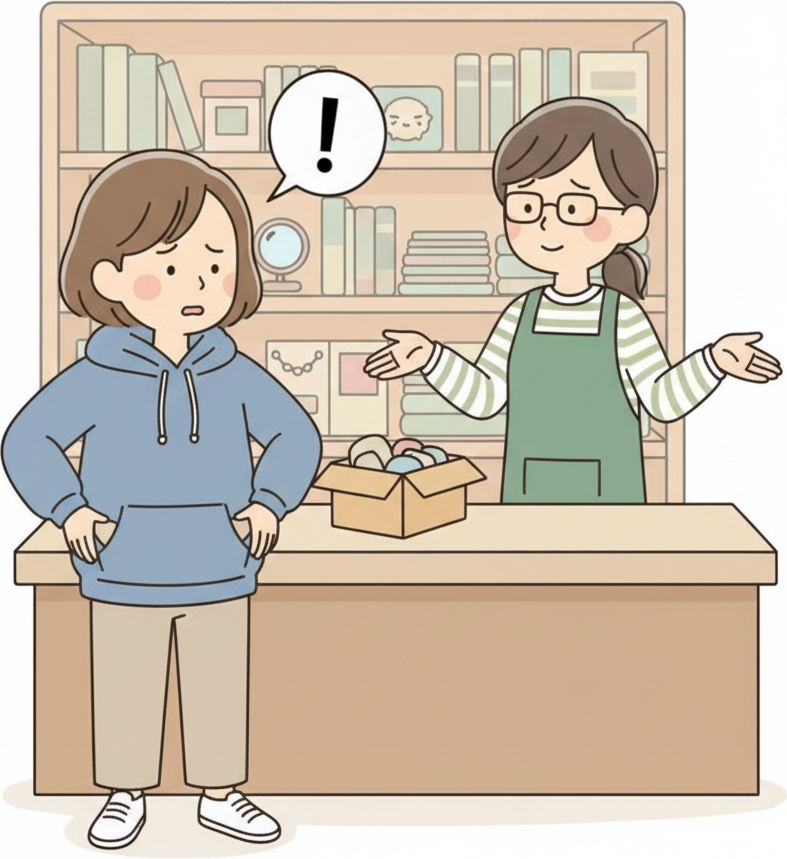
Selling without ID

NG

Showing up to sell items without any identification document

Recycle shops in Japan are legally required to verify the identity of anyone selling items — it's an anti-theft measure regulated under Japan's secondhand goods dealer law. Every recycle shop will ask for ID when you bring items to sell. Showing up without ID means you can't sell, period. For foreigners, a residence card or passport is required.

OK

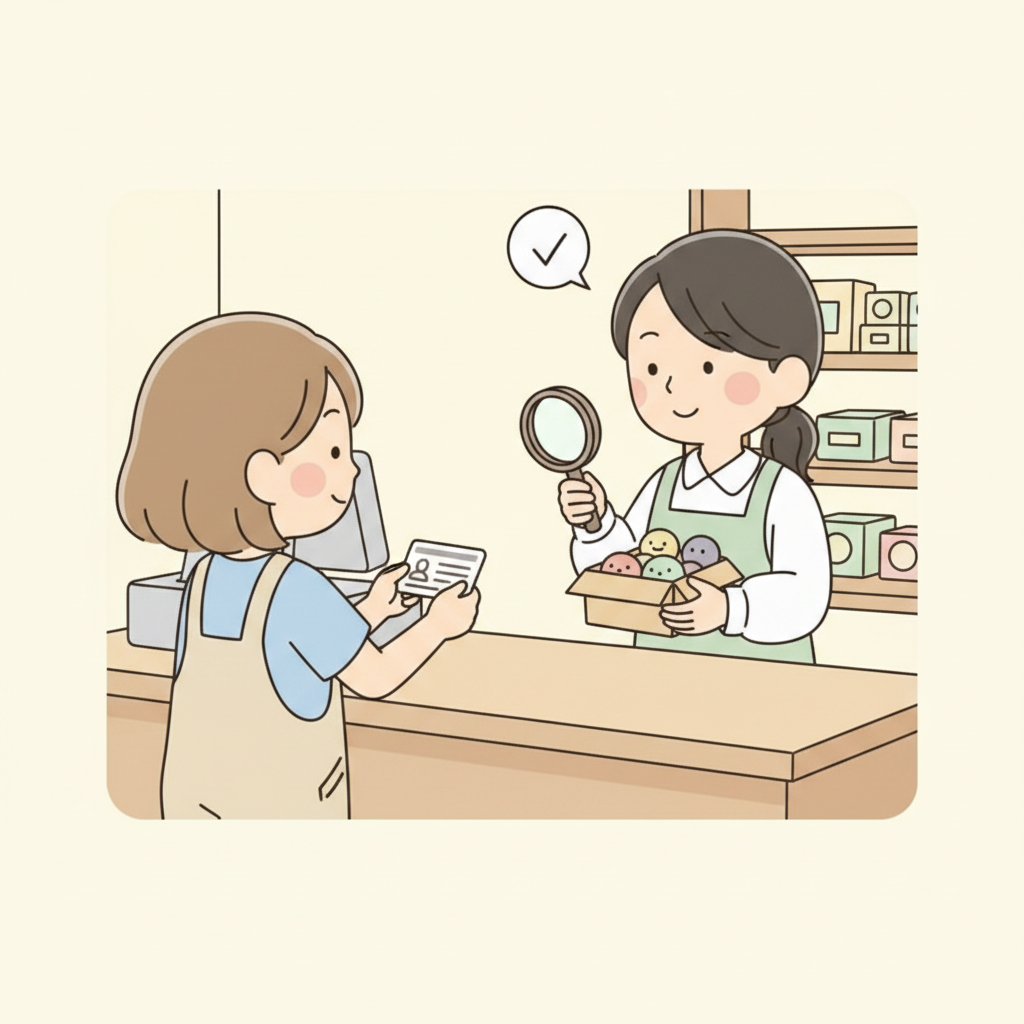
Bring your My Number card, residence card, or passport — this is a legal requirement

When selling to Book-Off, Hard-Off, or any licensed recycle shop, have your ID ready. Japanese nationals use their My Number card or driver's license. Foreigners need a residence card (在留カード) or passport. Staff will record your information and inspect every item carefully before making an offer. The inspection is thorough and methodical — this is normal, not a sign they think you stole anything.

Mishandling merchandise

NG

Handling items roughly, leaving things in random spots, or mixing up the organized sections

Recycle shops are organized with the same care as any retail store — sometimes more, because every item has been individually assessed and placed. Leaving an item from the vintage vinyl section in the game software section, or testing electronics and leaving them in a different state than you found them, creates extra work for staff who maintain meticulous organization. Unlike a garage sale, nothing is just thrown in a pile.

OK

Handle items carefully, return them exactly where you found them

Pick things up gently, look at them, and put them back in the same spot and orientation. If you want to test electronics, ask a staff member — some Hard-Off locations have designated test stations. Don't open sealed items or remove products from their labeled sections. The staff take pride in the organization; matching their energy is the respectful move.

Why these aren’t your average thrift stores

Japan’s recycle shop industry is enormous — Book-Off alone has over 800 locations — and it runs more like organized retail than anything resembling a charity shop or flea market. Every item is individually inspected, condition-graded on a consistent S/A/B/C scale, and priced accordingly. When something says B, a trained appraiser looked at it and decided “good condition, minor wear.” You don’t need to hunt for hidden flaws — the staff already found them.

The selling side catches visitors off guard. Japan’s secondhand goods dealer law requires every recycle shop to collect and record seller ID before purchasing anything. It’s anti-theft compliance, not suspicion. No passport, no sale — no exceptions.

Fixed prices, trusted grades, ID to sell, and everything handled like it’s still on a retail shelf — because it is.

How the grading actually works

  • S rank — Essentially new. Maybe opened once, maybe a display model. Priced close to retail.
  • A rank — Excellent used condition. Light signs of use, nothing that affects function or appearance much.
  • B rank — Good used. Minor scratches, small scuffs, normal wear. The sweet spot for value.
  • C rank — Visible wear, cosmetic flaws, maybe a missing accessory. Priced to move.

A few “nice to know” extras

  • Junk corners — Hard-Off stores have a junk section for untested or broken items, sometimes priced at just 110 yen. Sold as-is, no warranty. Paradise for tinkerers who know what they’re looking at.
  • Selling takes patience — A box of 20 books and a few games might take 15-30 minutes to assess. Staff inspect each item individually and check market prices. There are seats in the waiting area — use them.
  • Compare across locations — The same item might be graded or priced differently at a Hard-Off in Shibuya versus suburban Saitama. If a price feels high, check another branch before you give up.
  • Consignment exists — Luxury shops like Komehyo offer consignment alongside outright buying. Higher payout, but you wait for it to sell.

Quick check

Three questions to lock in the recycle shop instinct.

Quick check

Can you spot the right move?

  1. Q1 Is haggling on prices a normal part of shopping at Book-Off or Hard-Off?

  2. Q2 Do you need to bring ID when selling items to a Japanese recycle shop?

  3. Q3 Should you trust the S/A/B/C condition grading on items at recycle shops?