Why omiyage is basically a social contract
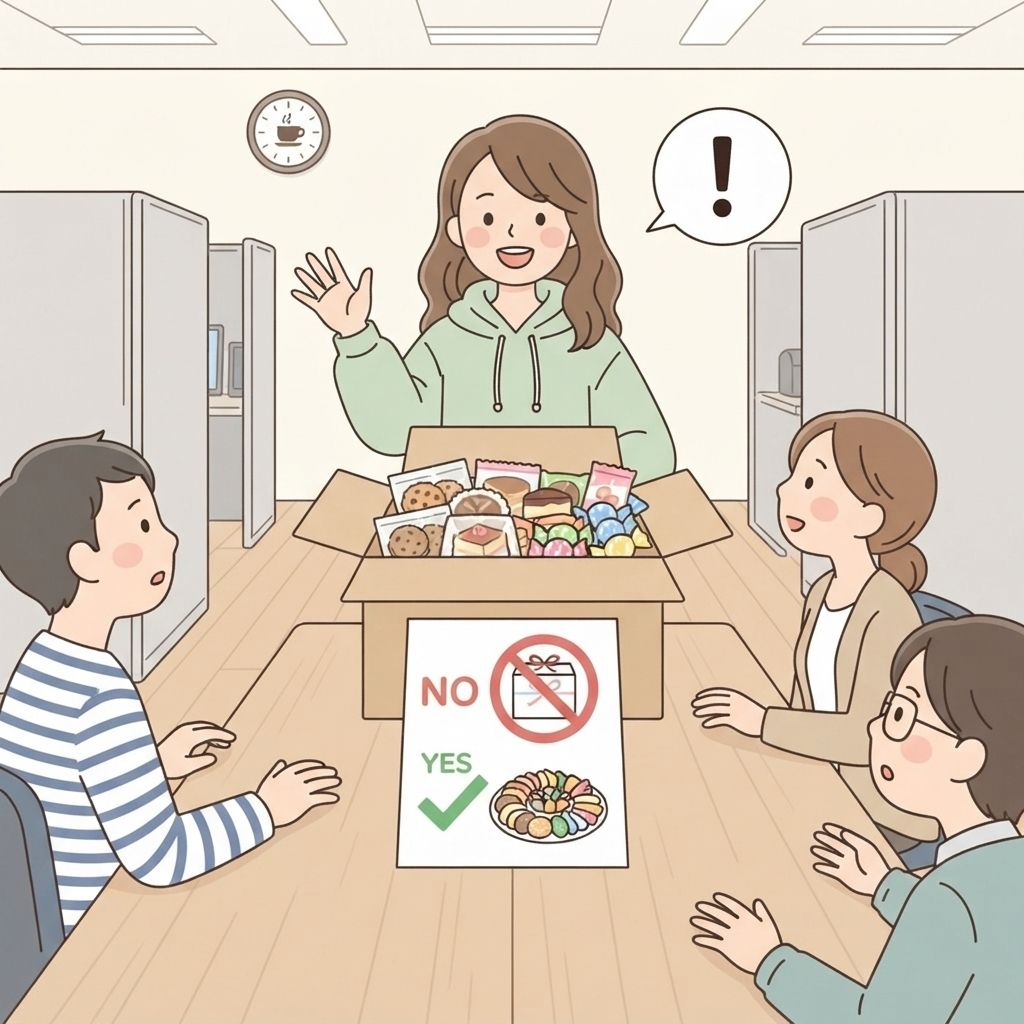
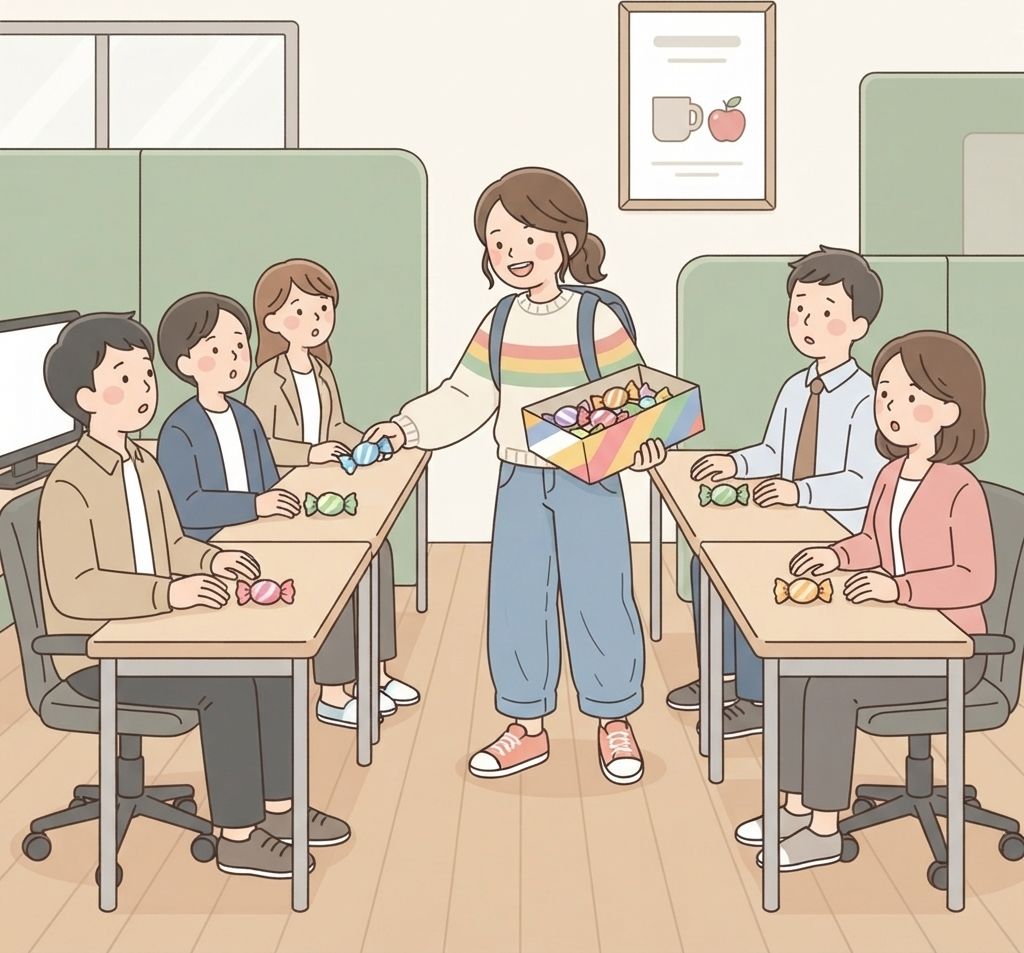
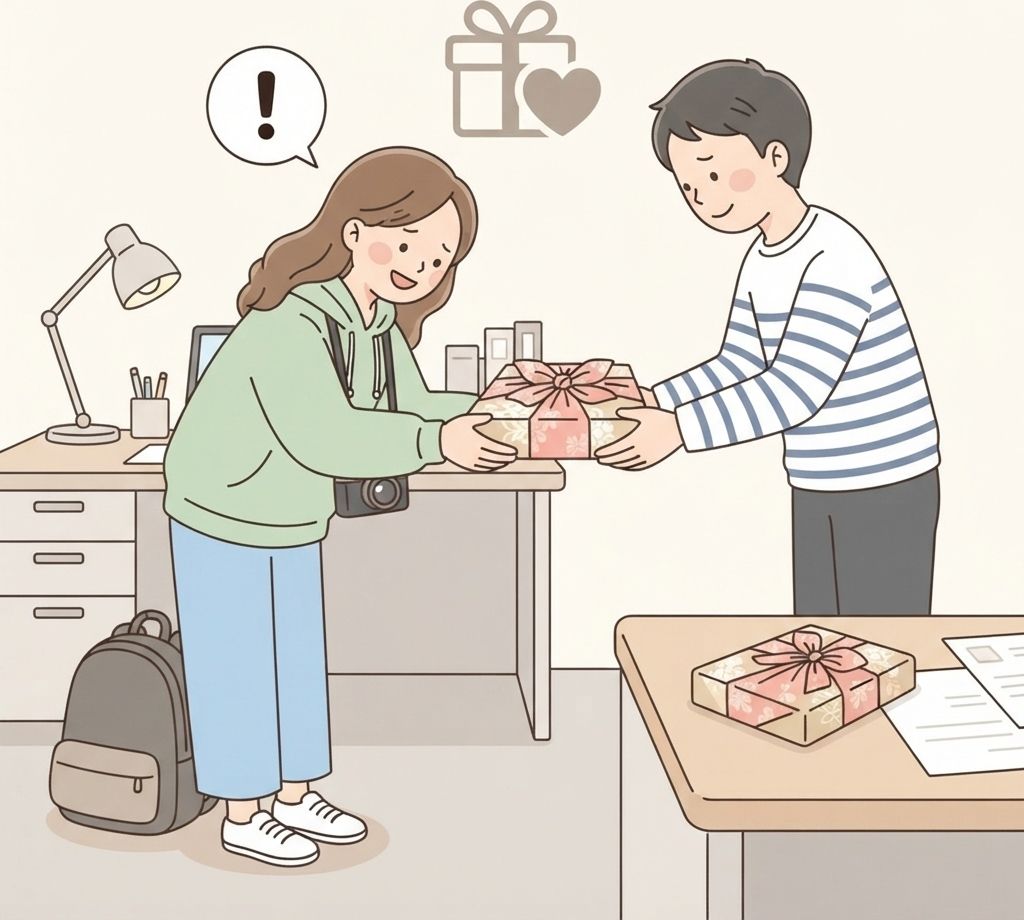
Omiyage sounds optional, and there’s no fixed rule — but in practice most people bring some. If you work in a Japanese office, live with a host family, or have Japanese friends who know you traveled, it’s common to come back with individually wrapped regional sweets for everyone. Not just as a fun bonus, but as a familiar social habit.
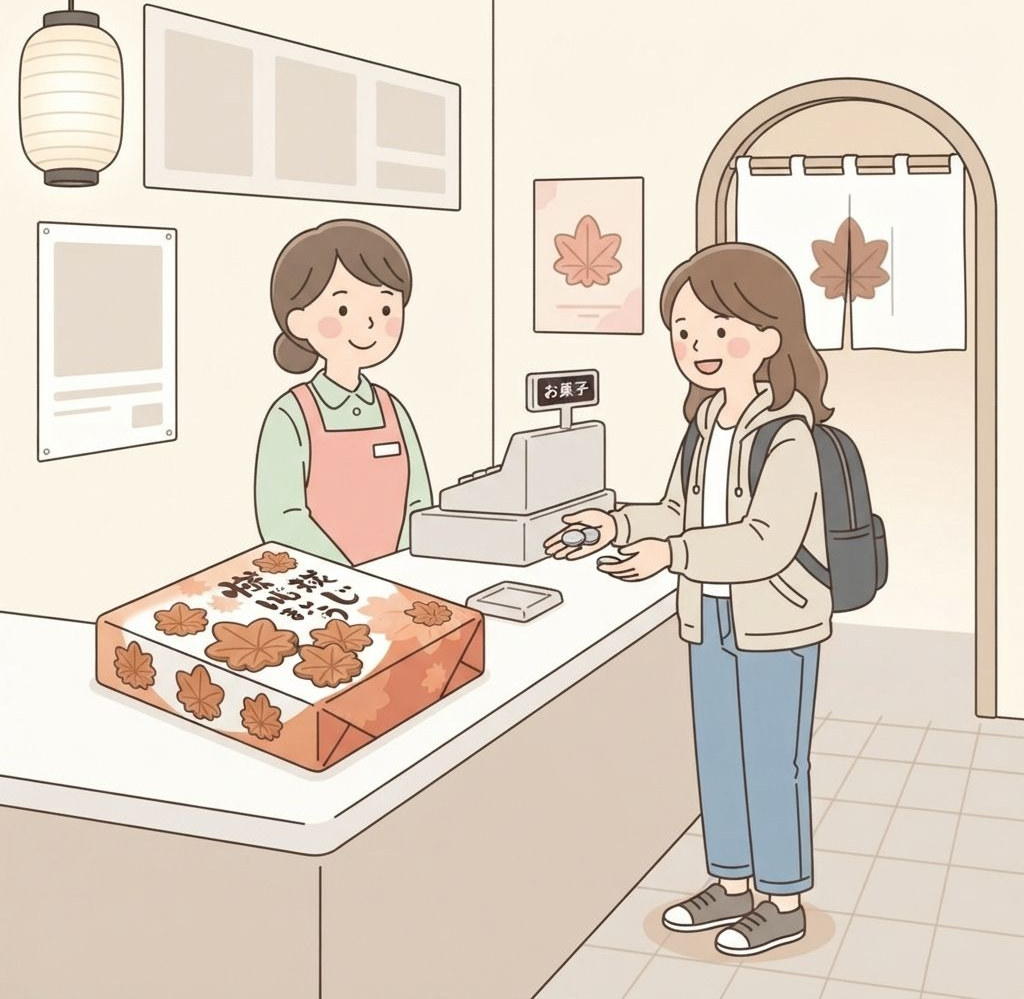
The logic comes from Japan’s deep culture of reciprocity. When you travel, you get to experience something special. Omiyage is how you share a piece of that experience with the people you left behind. The kanji 土産 literally mean roughly “product of the land” — which is why airport generics feel like a cheat code. Your colleagues didn’t ask for Narita’s finest random matcha kit. Kyoto yatsuhashi or Hiroshima momiji manju says far more about where you went.
Regional specialty, individually wrapped, one per person, bought from where you actually were.
The infrastructure exists for this
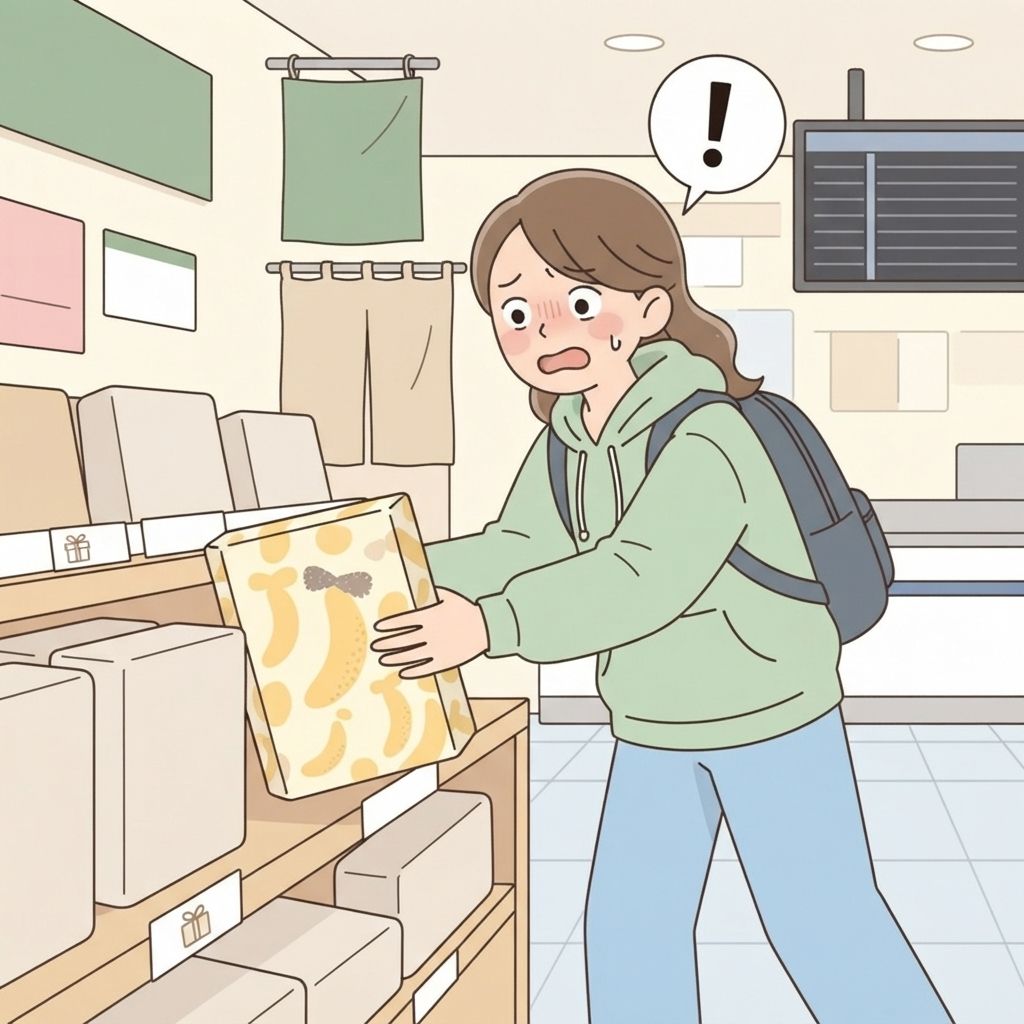
Major train stations in Japan, like Tokyo Station, have whole shopping areas full of omiyage shops — clearly priced, pre-packaged in boxes of different piece counts. You can put together office omiyage quickly before boarding your shinkansen. The system runs this smoothly because so many people do it, regularly, as a normal part of social life.
A few “nice to know” extras
- Budget reality — In surveys of Japanese workers, the most common budget for office omiyage is roughly 1,000-3,000 yen. Nobody expects you to spend a fortune.
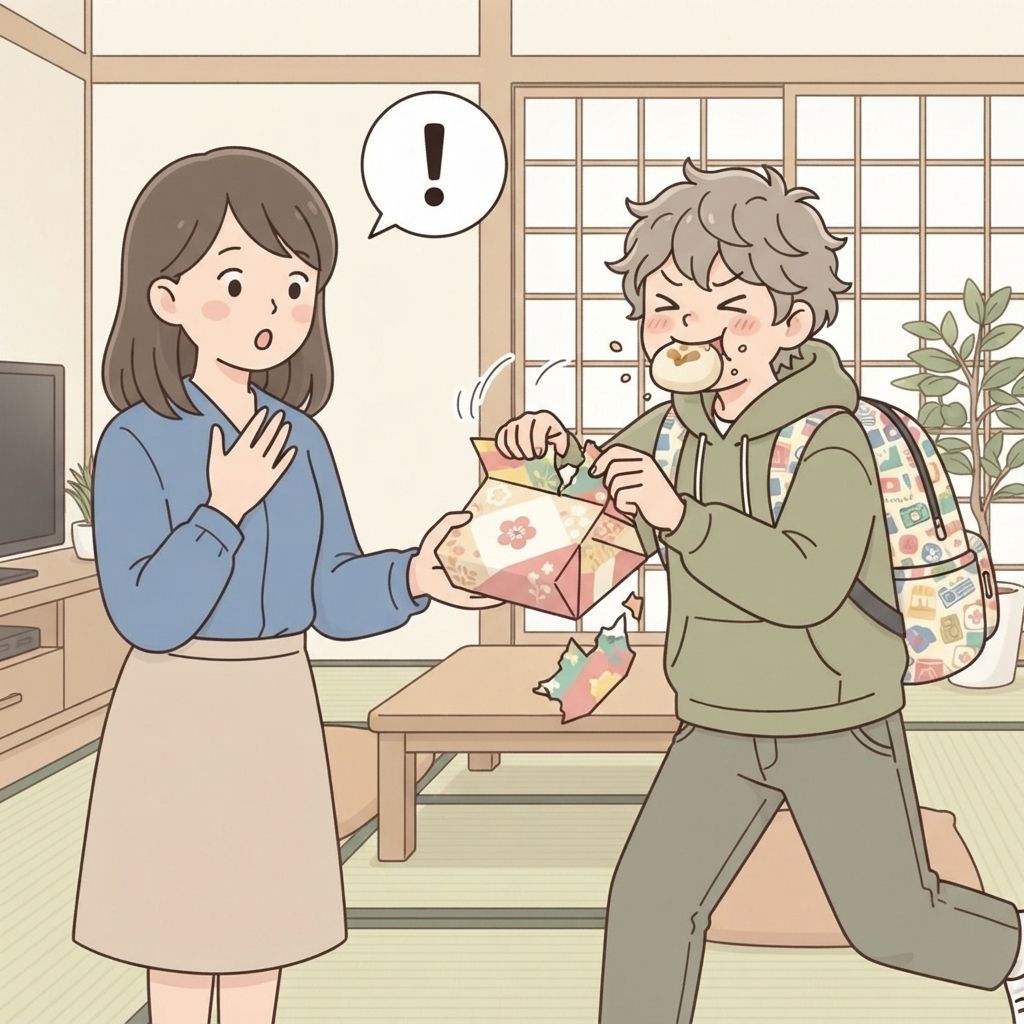
- The quantity math matters — A box that says 10 pieces has 10 pieces. If you have 12 people, you need a bigger box. Running out leaves someone out, which can be awkward.
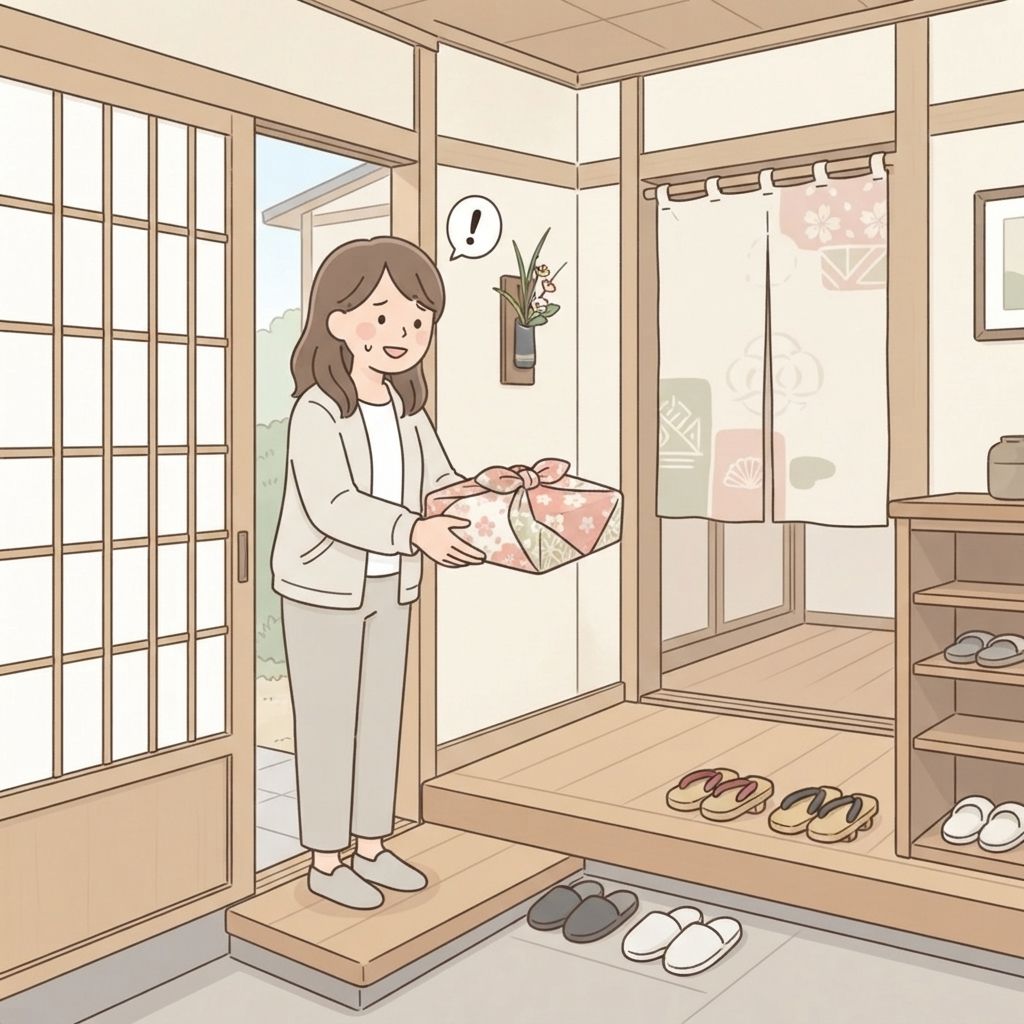
- Home visits — Bringing a small gift when visiting someone’s home is a common courtesy too. It doesn’t need to be expensive.
- Seasonal peaks — Travel spikes around Obon (mid-August) and Golden Week (late April to early May), so station omiyage shops can get busy at those times. Plan accordingly.
Quick check
Three questions to lock in the omiyage instinct.