Why Japanese supermarkets run like clockwork
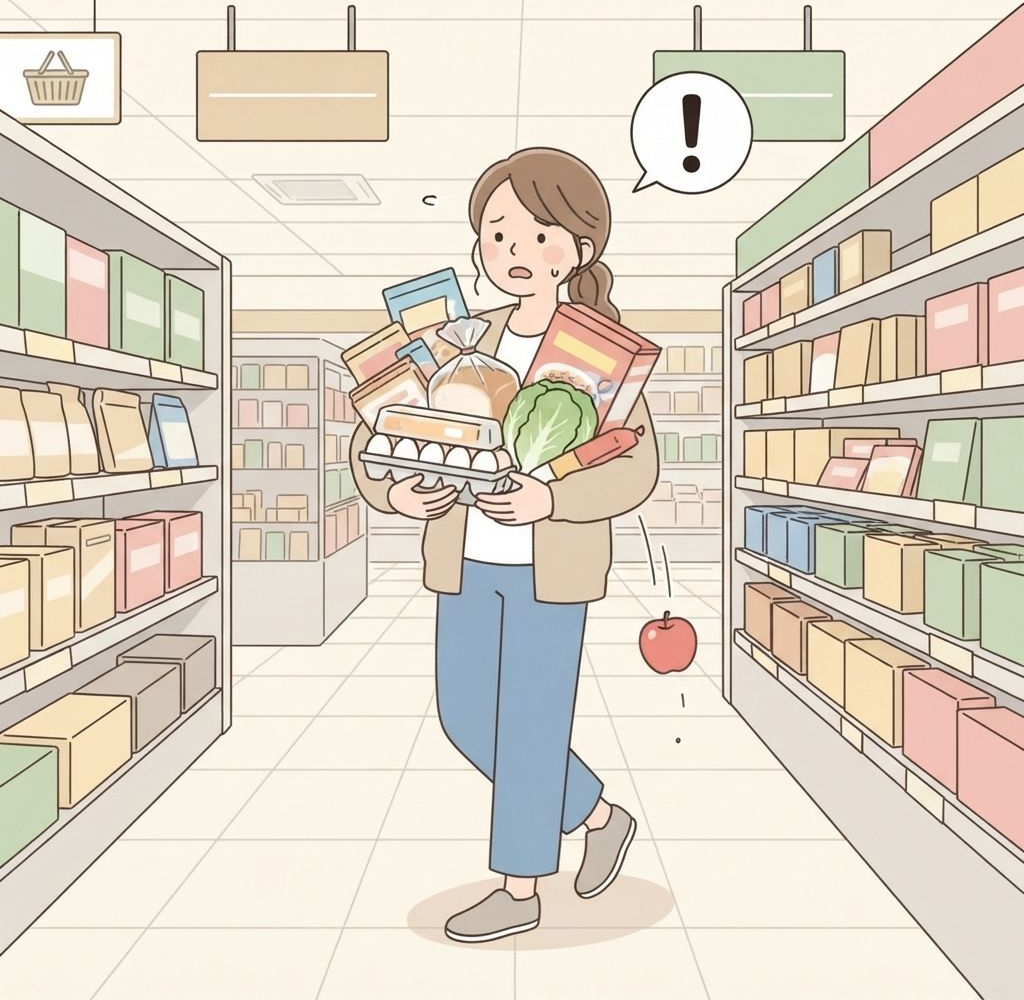
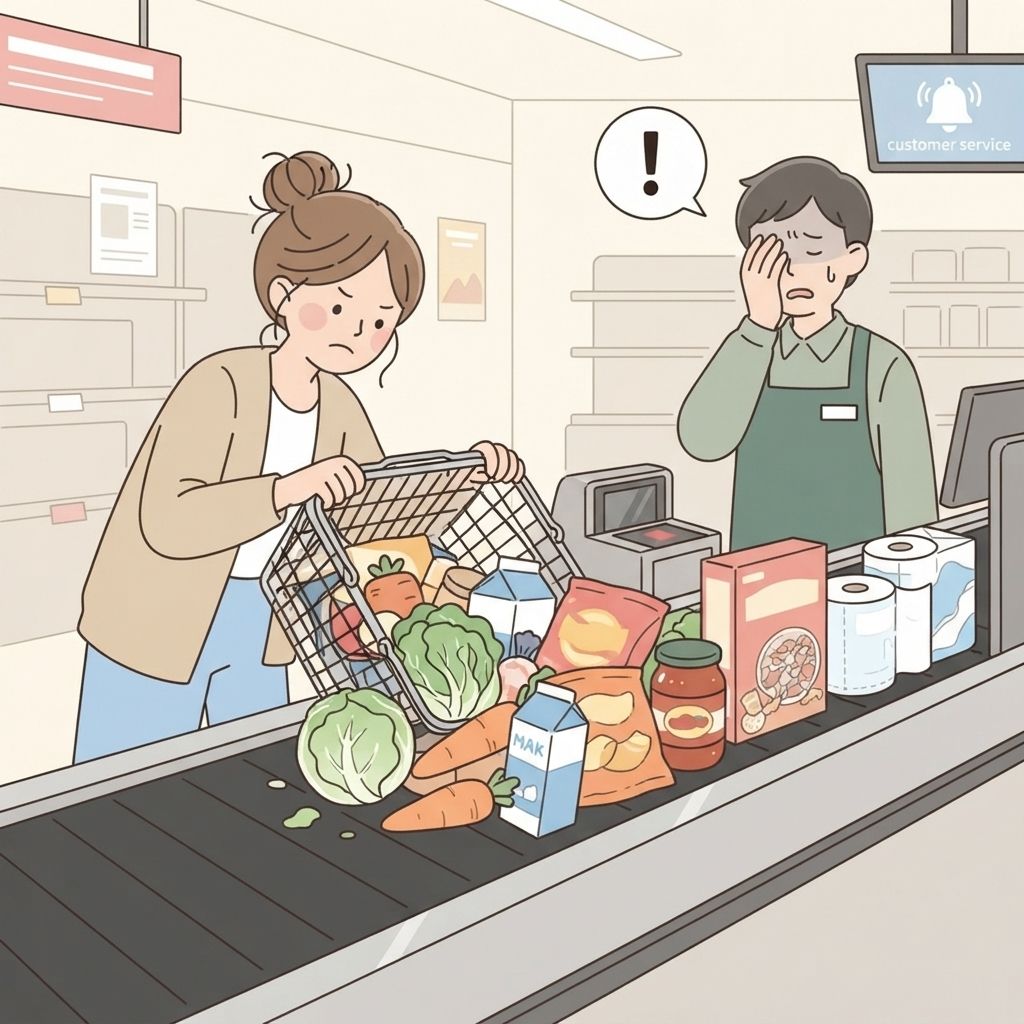
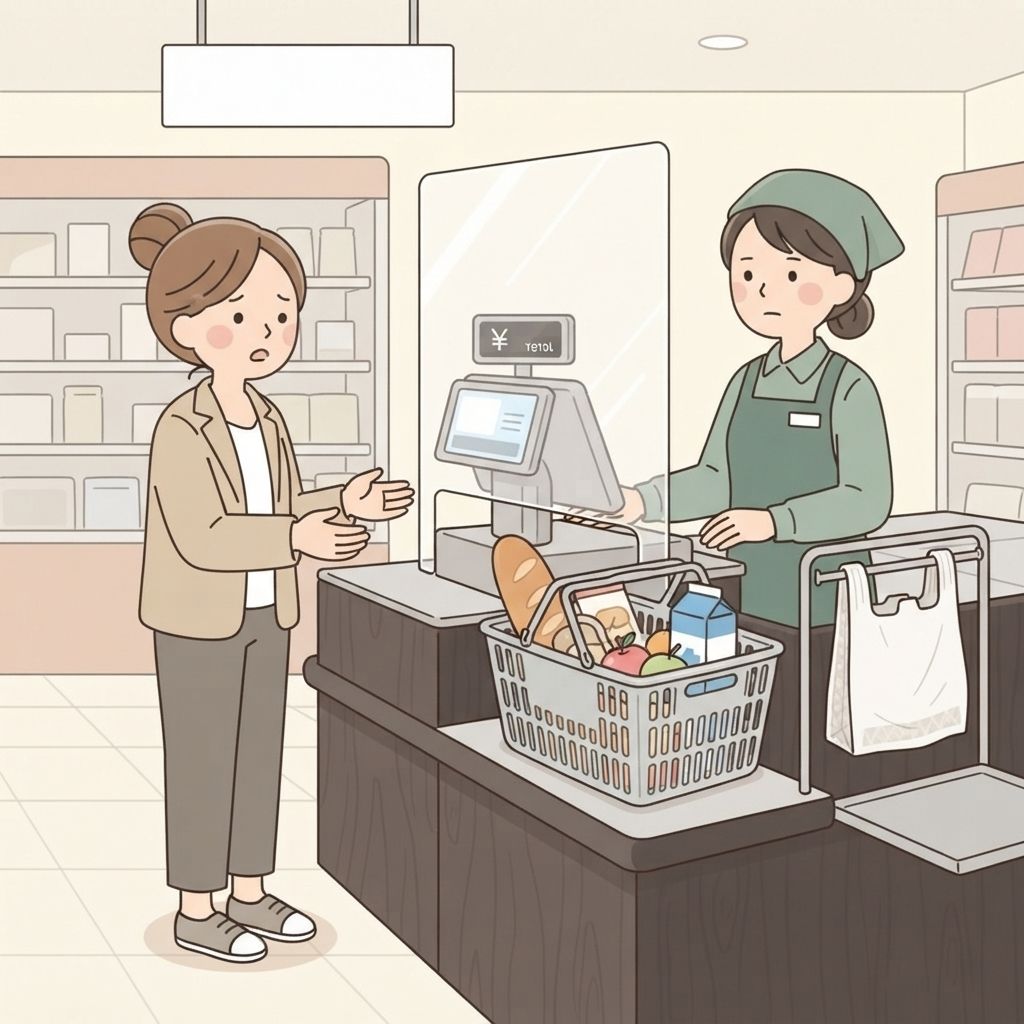
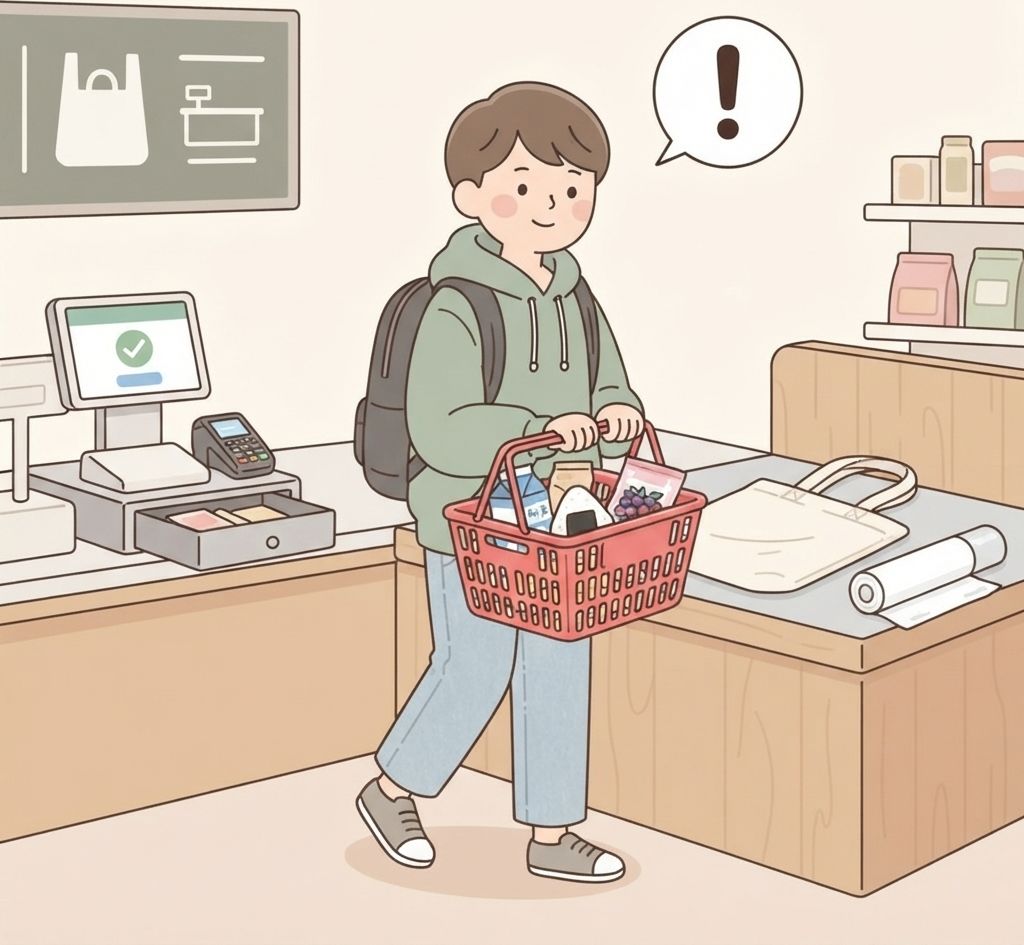
The basket-conveyor-bagging counter flow isn’t random — it’s a highly optimized checkout process that keeps lines moving even when stores are packed. Cashiers scan at impressive speed, items land in a fresh basket, and customers move to the bagging counter so the next person starts immediately. When one person breaks the pattern — standing at the register, leaving the basket on the belt — the whole system stalls.
The bagging counter is the part that catches visitors off guard. In many countries, the cashier packs your groceries. In Japan, paying and packing are completely separate steps handled in two different physical locations. The cashier’s job ends at payment. Yours starts at the bagging counter. Once you know this, the whole supermarket makes sense.
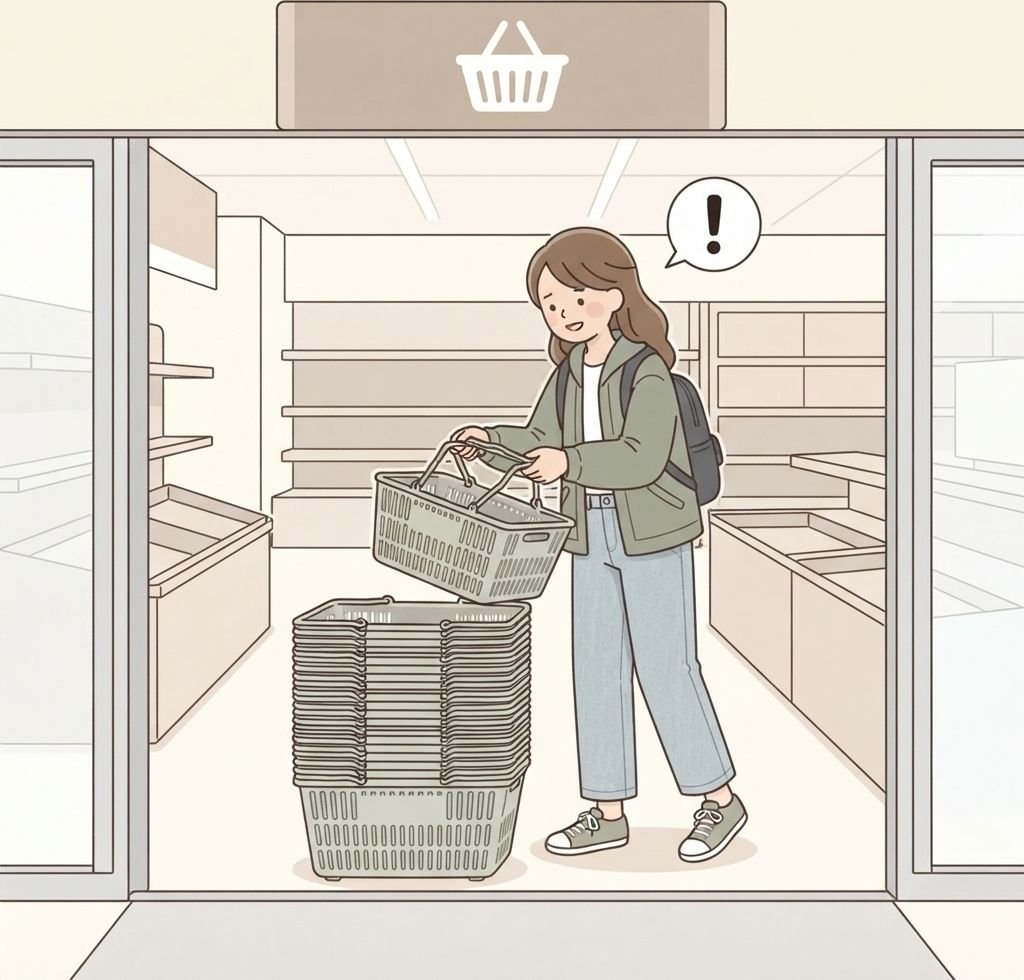
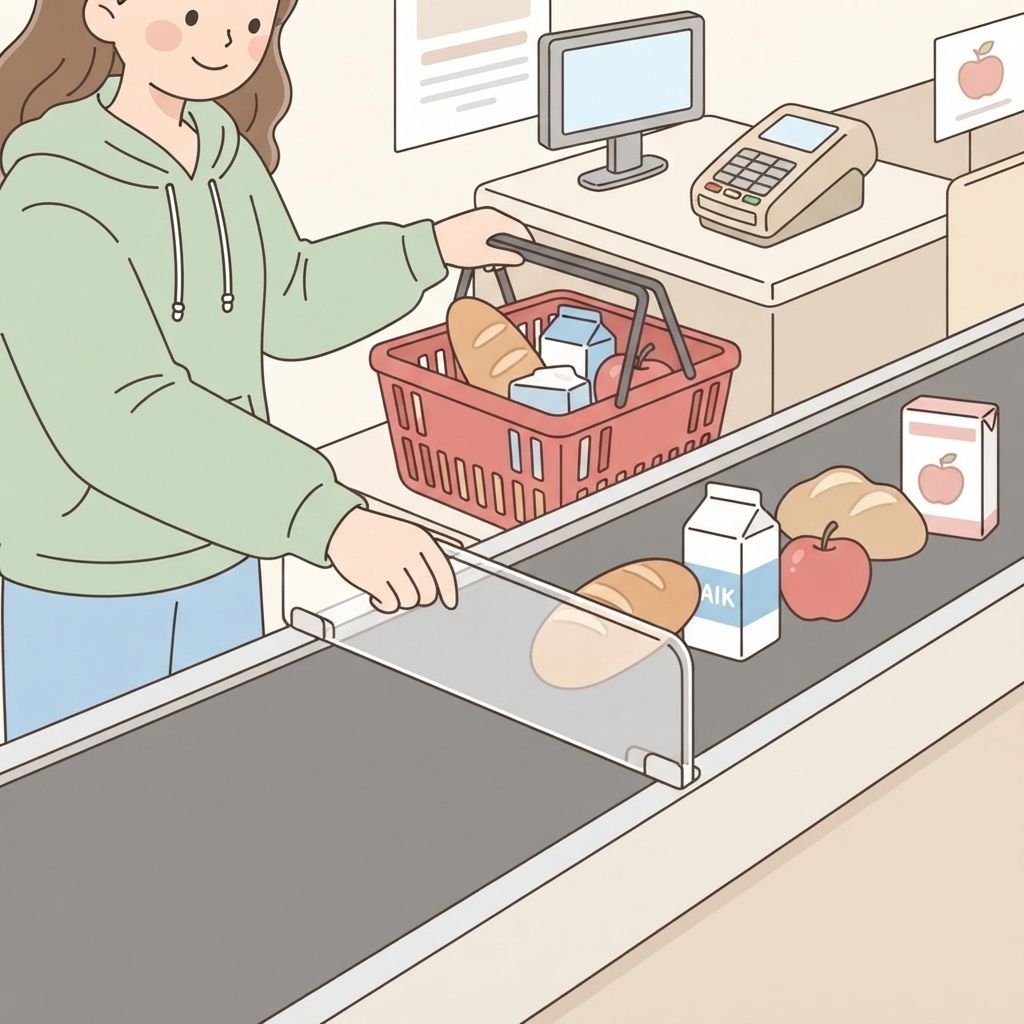
Basket at the door, divider on the belt, pay and move, pack it yourself.
What changed in 2020
Plastic bags became a paid item in July 2020 when Japan required all retailers to charge for them. The fee is tiny — 2-5 yen — but it shifted behavior quickly, and many Japanese shoppers now carry a reusable eco-bag as a matter of habit. As a visitor, buying a bag at the register is fine — just be ready to ask for one rather than assuming it’ll appear.
A few “nice to know” extras
- Evening discount stickers — From the evening toward closing time (it varies by store), many stores mark down bento, sashimi, and prepared foods. The 20%, 30%, and 50% stickers are an entirely normal shopping strategy — some regulars time their visits for this.
- IC cards work here — Suica and PASMO tap to pay at many major chains. Faster than cash, no coins to manage.
- Check which price you’re reading — Price tags must show the tax-included price (税込), but many stores print the pre-tax price (本体価格) in bigger numbers. The 税込 figure is what you’ll pay.
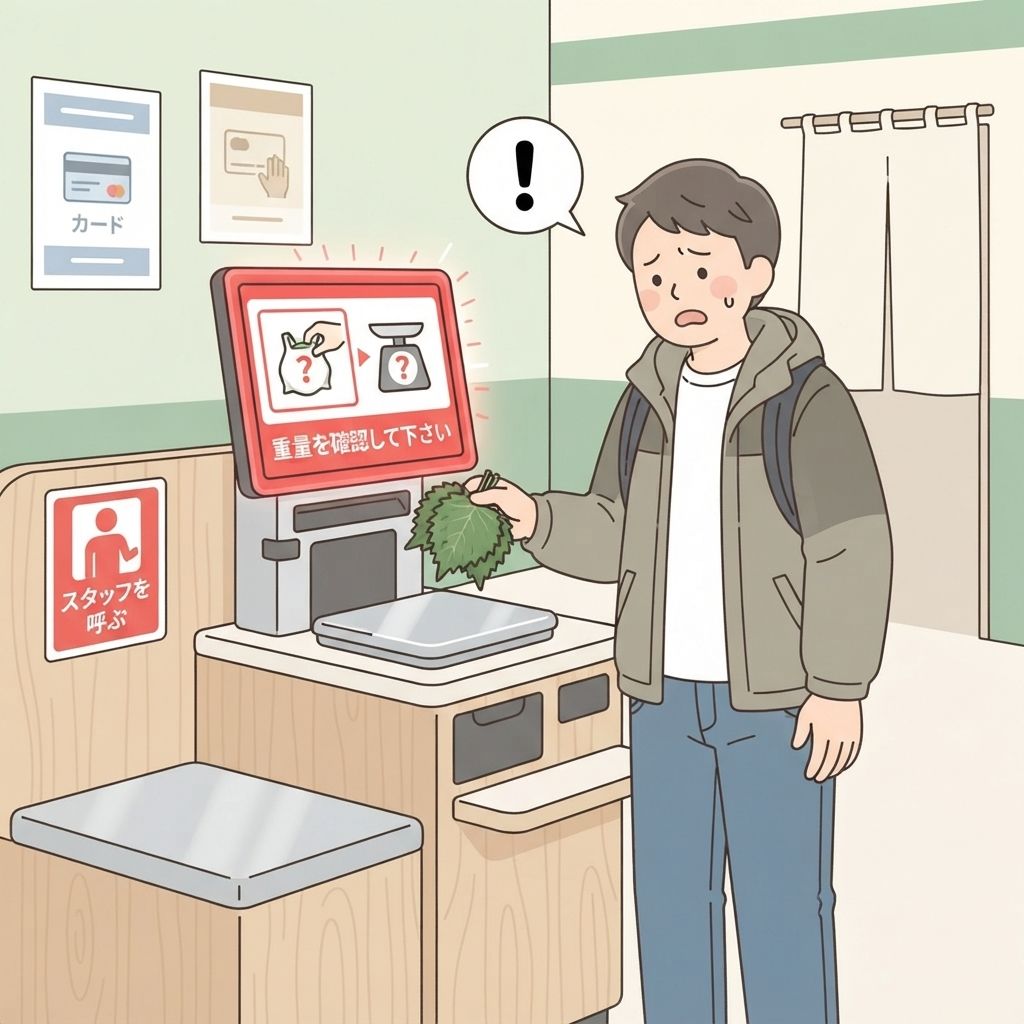
- Self-checkout weight sensors — The bagging platform has scales. Don’t remove items before you finish scanning or the machine flags you and a staff member walks over.
Quick check
Three questions to lock in the supermarket instinct.