Tax-Free Shopping in Japan: How to Actually Get 10% Off

Japan's 10% consumption tax is refundable on the spot — but wrong store, wrong day, or opened packaging and you lose it. Here's how to collect it all.

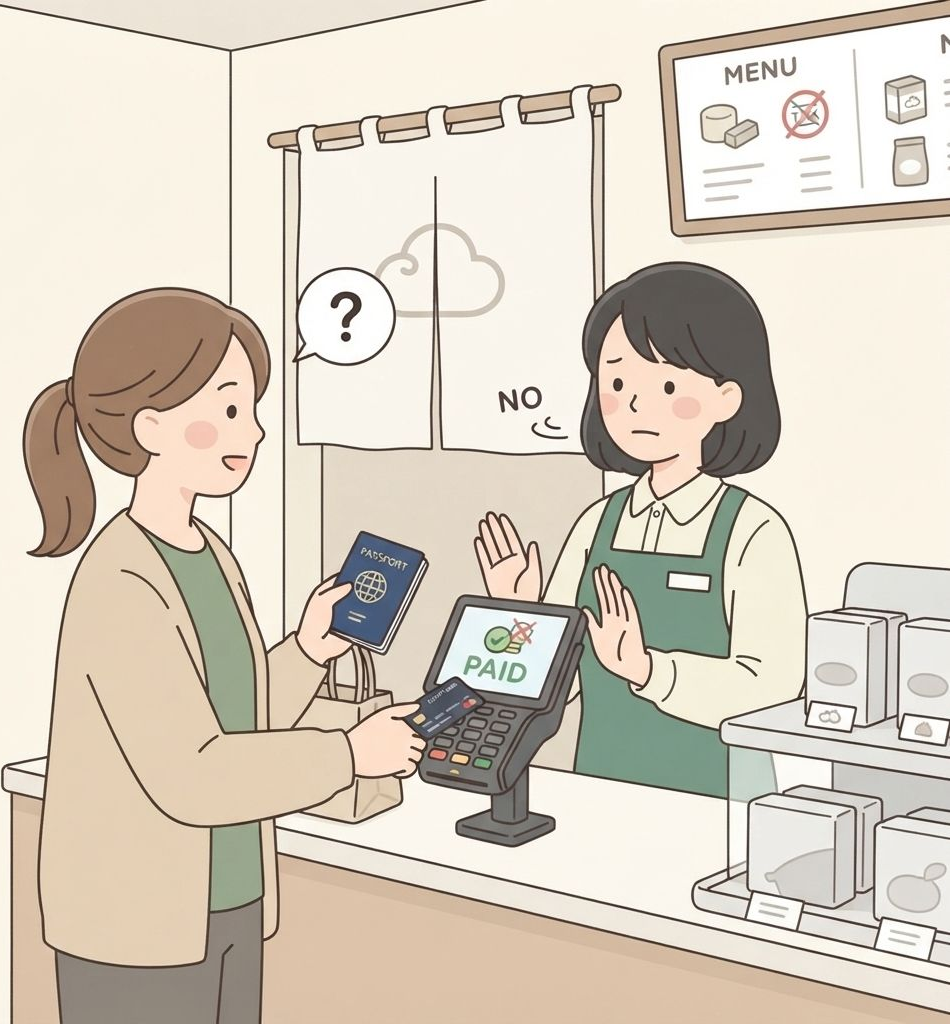
Asking at the wrong moment

NG

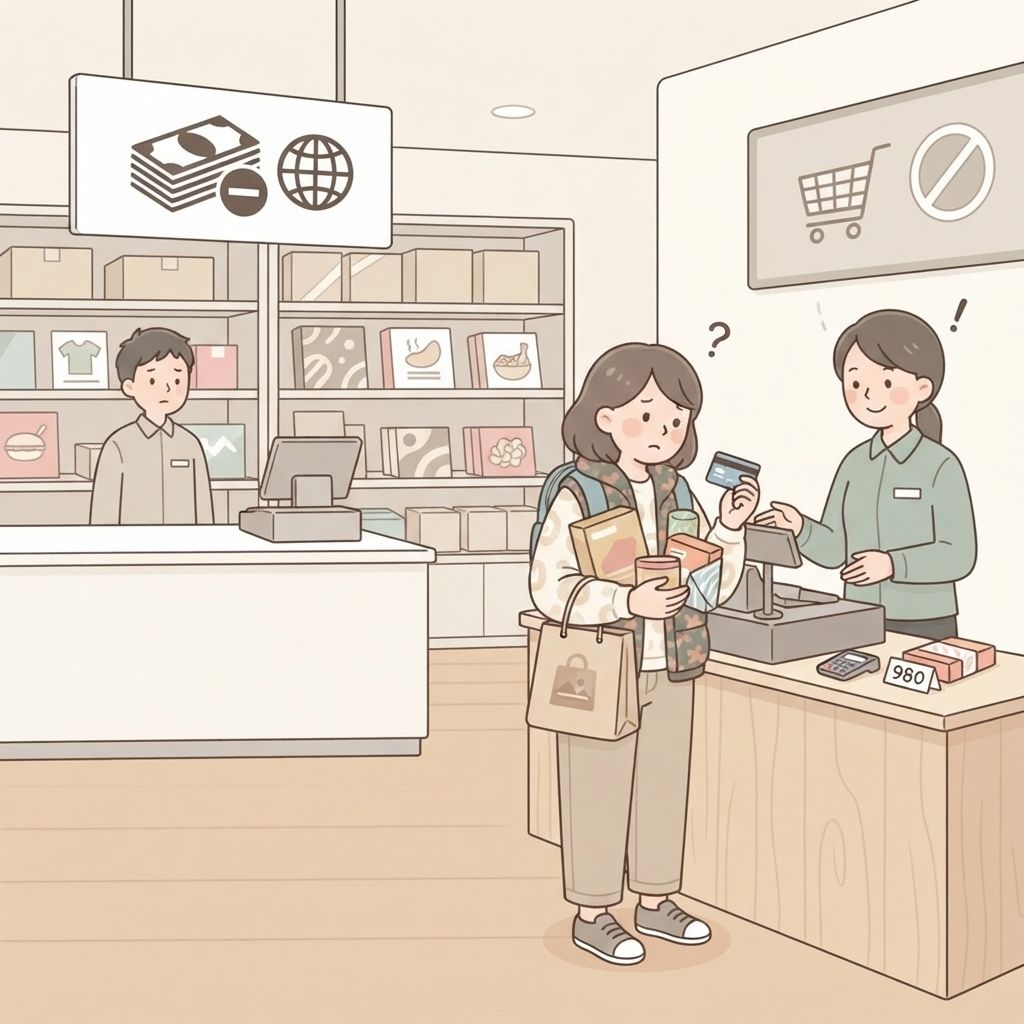
Paying first, then asking about tax-free

Once the transaction goes through as a standard sale, the store can't retroactively refund your tax. The exemption has to be requested before they ring you up—not after you've already tapped your card.

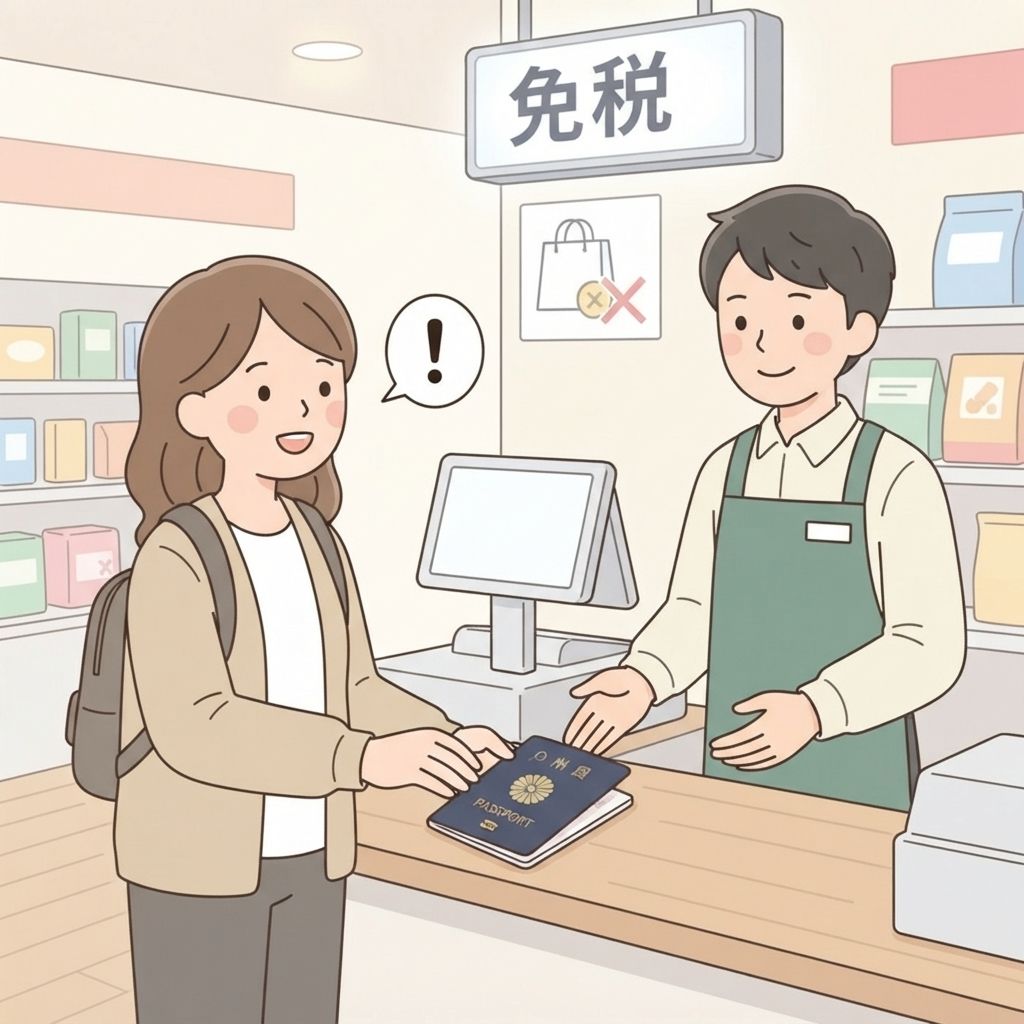
OK

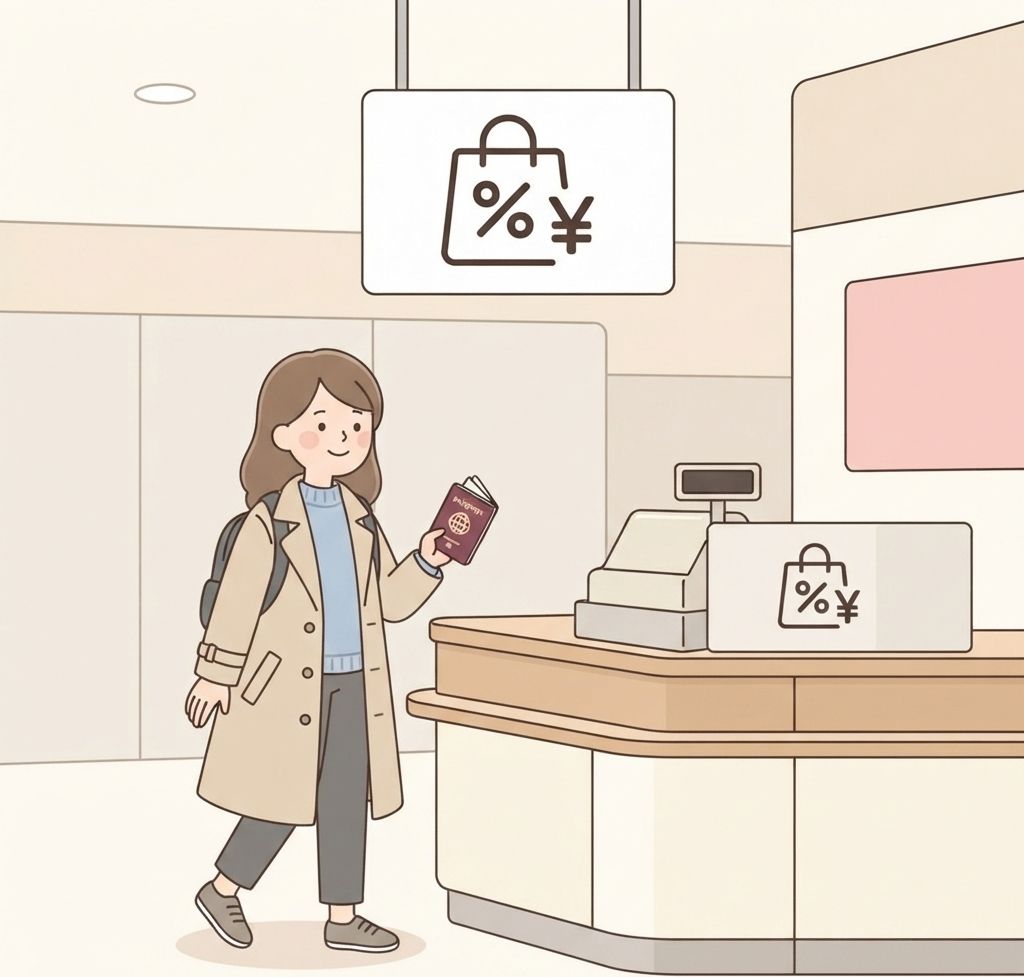
Say "tax-free onegaishimasu" before anything is scanned

Hand over your passport when you approach the register and say the magic words before the cashier starts. Most staff at tourist-heavy stores will recognize 'tax-free' in English—no Japanese required.

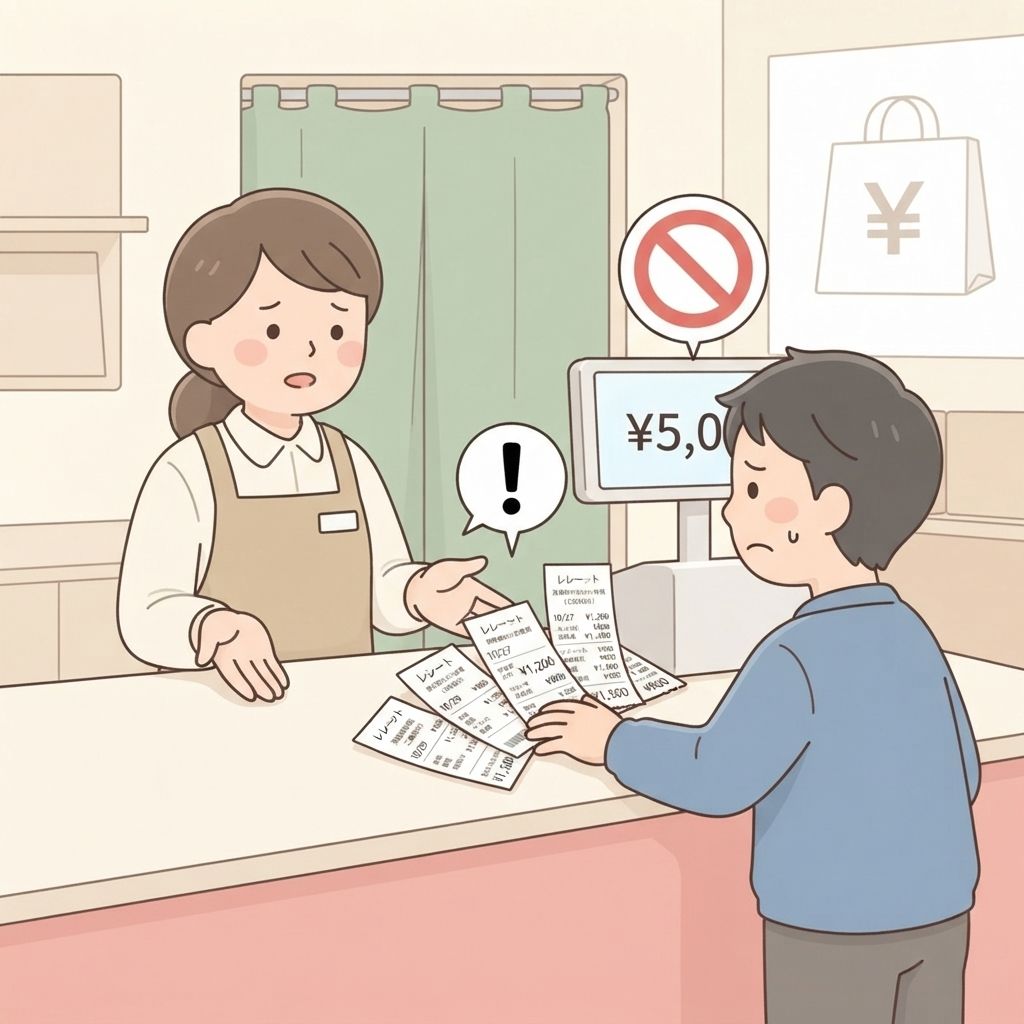
Mixing transactions to hit the threshold

NG

Combining multiple small purchases from different days to clear ¥5,000

Doesn't work. The ¥5,000 minimum (for general goods like clothes and electronics) or the ¥5,000–¥500,000 band (for consumables like food, cosmetics, and medicine) applies per transaction, per store, on the same day. Yesterday's receipt is irrelevant.

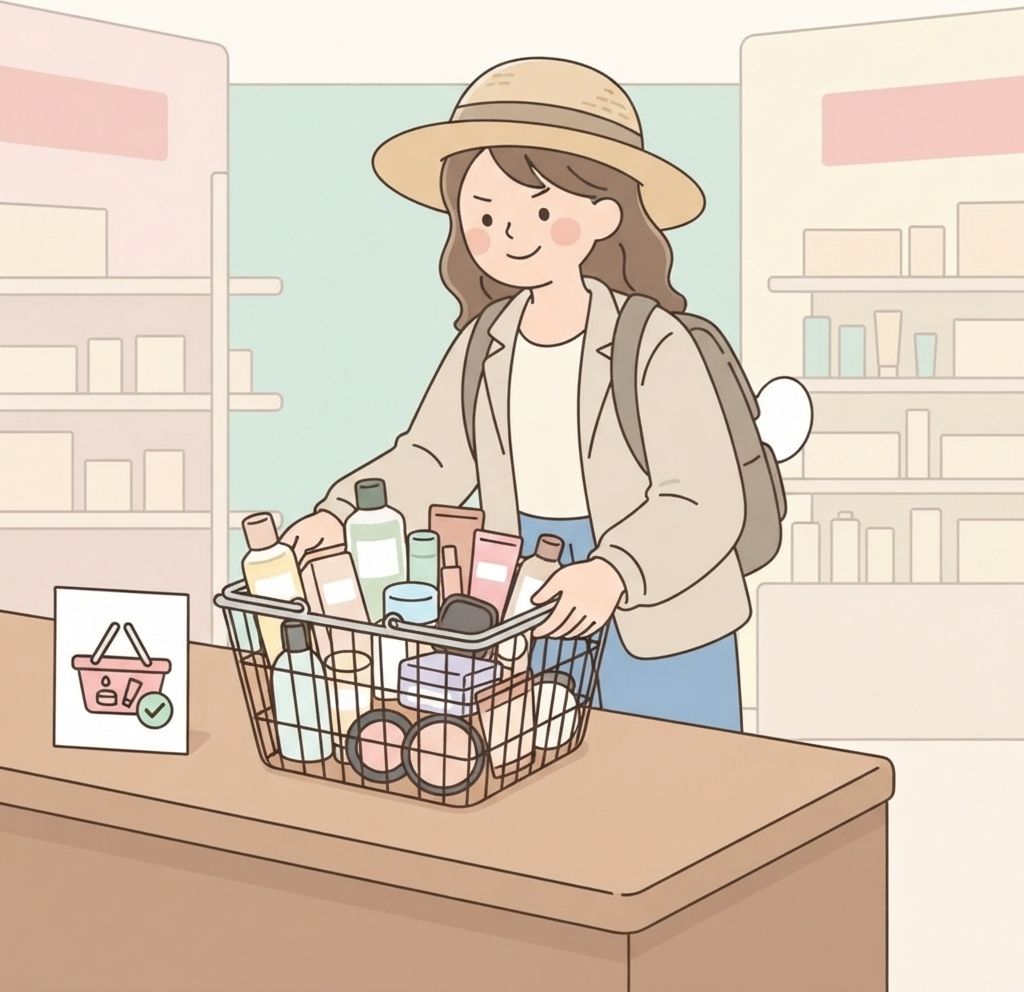
OK

Plan bigger single purchases, or shop the same category in one trip

If you're buying cosmetics, grab everything in one go at one counter. If you're at an electronics store, ask if accessories can be grouped onto a single receipt—many stores will do this.

Opening consumables before you leave Japan

NG

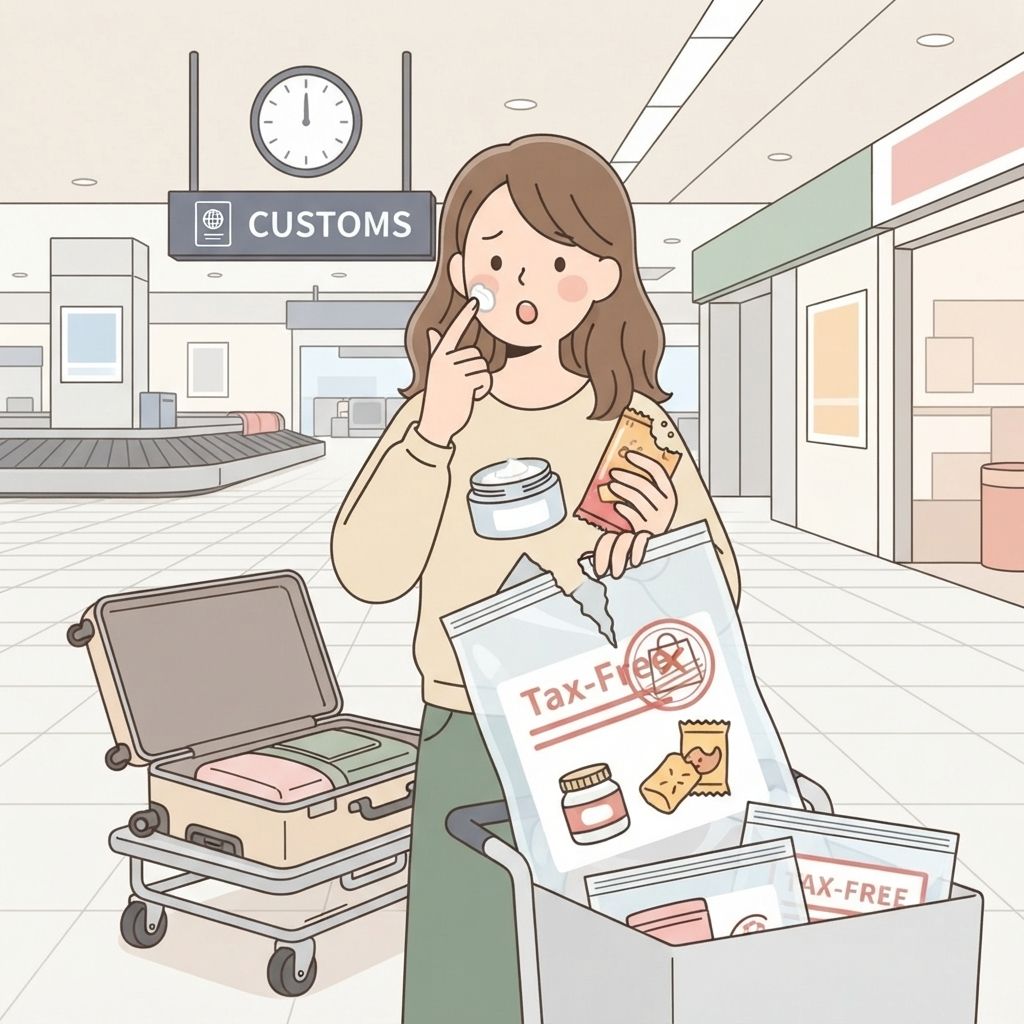
Using the face cream, eating the snacks, or opening the medicine packaging before customs

Consumables (food, cosmetics, medicine, alcohol, cigarettes) are tax-exempt only if they leave the country sealed. Customs at the airport can and occasionally does check. If your bag of matcha is half-eaten, you may owe the tax back.

OK

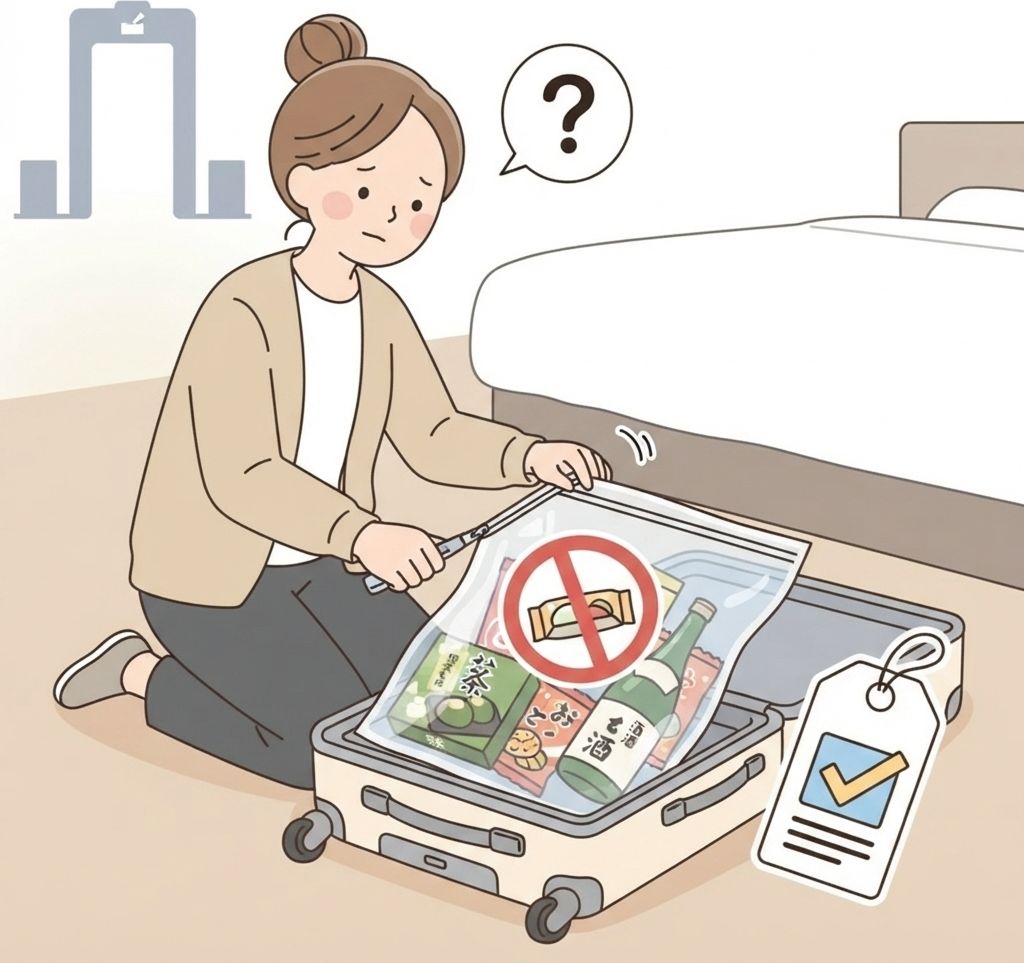
Keep consumables sealed until you're through Japanese customs

Toss them into your checked luggage and don't touch them. General goods (clothes, electronics, bags) don't have this restriction—you can wear your new jacket on the way home.

Going to the wrong counter

NG

Assuming tax-free is handled at the register everywhere

Some stores—especially department stores and large electronics chains—process tax exemptions at a separate tax-free counter, not at the individual registers. Going straight to checkout gets you a full-price receipt.

OK

Look for the tax-free counter sign first, or ask at the register

Department stores typically have a central tax-free desk (often near the main entrance or on a specific floor). Electronics chains like Yodobashi and BIC Camera have dedicated counters. Staff will point you there if you ask.

Why the 10% matters — and why it’s confusing

Japan charges a 10% consumption tax on almost everything. Tourists can skip it, and the savings add up fast — spend 30,000 yen on a camera and you’re pocketing 3,000 yen back before you leave the store. The catch: there are two parallel systems with different rules, and the exemption happens at the point of sale, not at the airport.

General goods (clothes, electronics, bags) need a single purchase of at least 5,000 yen pre-tax. Consumables (food, cosmetics, medicine, alcohol) also need 5,000 yen minimum but must leave Japan sealed. The threshold is per receipt, per store, per day — a 3,000-yen jacket on Tuesday and a 4,000-yen sweater on Thursday don’t add up.

Request tax-free before you pay, show your actual passport, don’t open consumables until you’re home.

What happens at the airport

Customs may check your tax-free purchases against the receipts stapled into your passport. For consumables especially, having opened or eaten items before departure can mean paying the tax back on the spot. It doesn’t happen to everyone, but it’s not theoretical either. Keep packaging intact and receipts accessible.

A few “nice to know” extras

  • “Tax-free onegaishimasu” — Works at virtually any eligible store. Even staff with minimal English know exactly what to do next.
  • The receipt goes in your passport — Literally stapled in. Don’t remove it before you clear Japanese customs — that slip is how they verify compliance.
  • Konbini don’t participate — 7-Eleven, Lawson, FamilyMart are not tax-free shops. Neither are most small independents. Look for the “Tax-Free Shop” sign in the window.
  • Payment method doesn’t matter — Cash, IC card, foreign credit card — all work. The exemption is about the passport, not how you pay.
  • System change in November 2026 — Japan is switching to a refund-at-departure model. From November 1, 2026, you pay tax at the register and claim a refund at the airport. If you’re visiting after that date, check Japan Tourism Agency guidance for the updated process.

Quick check

Three questions to lock in the tax-free instinct.

Quick check

Can you spot the right move?

  1. Q1 Can you combine a purchase from Monday and a purchase from Wednesday at the same store to hit the ¥5,000 threshold?

  2. Q2 Is it okay to open and try your tax-free cosmetics while still in Japan?

  3. Q3 Do you need to show your passport to get the tax-free discount?